Ultra-processed foods (UPFs) are everywhere. We spoke to experts to help you navigate the risks and shop smarter — especially for vegans and vegetarians.
You may well have seen the ceaseless medical reports in the news cycle and the TikTok warnings about the dangers of ultra-processed foods over the past year. UPFs, it seems, are out.
Not that UPFs were ever ‘in’ — we’ve known for years they’re bad for us. But the research has accelerated, with new studies hitting the headlines almost weekly, and the coverage is enough to make it feel as though a biblical-scale cull is looming.
Some of the most striking findings include a British Medical Journal report linking UPFs to more than 30 damaging health outcomes (including bowel cancer), and a recent study in The Lancet showing its impact on nearly every major organ.
As concerns grow, health bodies around the world are calling for warning labels on highly processed foods — similar to those used on cigarettes — targeting products like processed meats (ham, bacon) and packaged convenience foods (ready meals and frozen food).
In fact, a Levercliff Consumer Tracking Survey found that 19 million adults have already cut back on UPFs.
But when it comes to revamping your food habits, it can be difficult to know where to start. Here, we explain everything you need to know, plus how to reduce your UPF consumption.
What are ultra-processed foods (UPFs)?
Food can be broadly categorised into four processing levels:
- Unprocessed or minimally processed food: natural foods with little alteration (e.g. fruit, vegetables, eggs, milk, meat)
- Processed ingredients: substances extracted from natural foods (e.g. sugar, salt, oils, butter, honey)
- Processed food: foods made by adding salt, sugar or oil to natural foods to preserve or flavour them (e.g. canned vegetables, cheese, smoked meat such as ham and bacon, pickles)
- Ultra-processed food: industrial formulations with many ingredients, often ready-to-eat (e.g. fizzy drinks, packaged biscuits, ready meals, breakfast cereal, shop-bought cakes, crisps, instant soups)
Read more: This is the problem with ‘high-protein’ products — here’s what to avoid
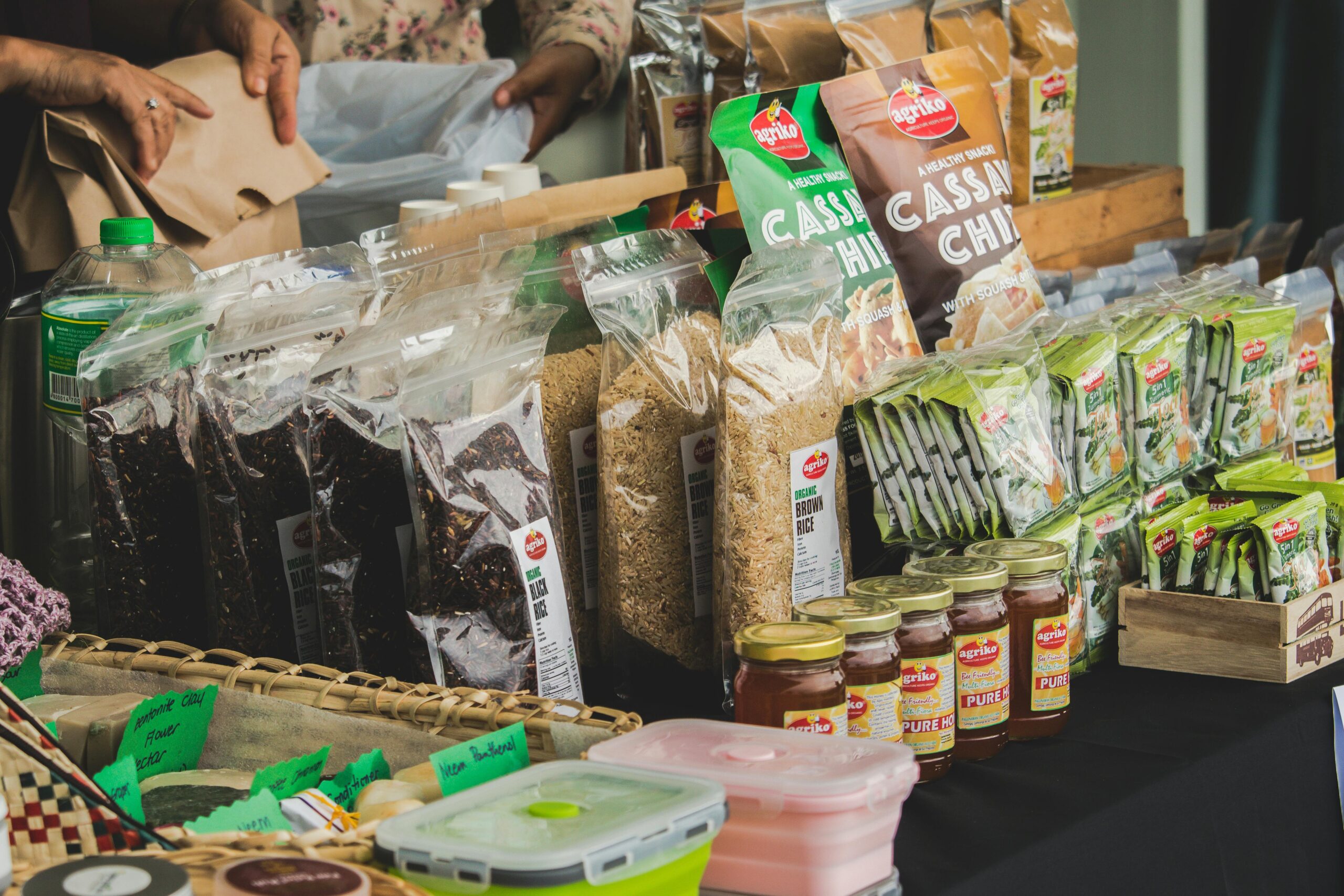
UPFs are foods that have been heavily processed in industrial settings, often containing artificial flavours, colours, preservatives, sweeteners or emulsifiers — ingredients you wouldn’t typically find in home cooking.
These foods are often convenient, ready-to-eat and admittedly, taste good, but tend to be low in nutrients. Common examples include sugary drinks, packaged snacks, instant noodles, chicken nuggets, chocolate bars and crisps.
The high levels of saturated fat, salt, sugar and other additives — and lack of beneficial nutrients like fibre and protein — is what makes UPFs so bad for you, and can cause illness or overall poor health.
How to reduce the amount of UPFs you consume
When you’re food shopping, focus on the supermarket’s fresh produce, meat and dairy sections. “The middle aisles are where manufacturers hide their engineering,” says Steve.
Opt for whole food versions of any nutrient:
- Protein — choose lean meats, legumes or tofu
- Fibre — go for whole grains, fruits and vegetables
- Fats — nuts, seeds, avocadoes, fish
- Vitamins — fruits, vegetables, whole grains, dairy
- Carbohydrates — whole grains like brown rice, freshly baked bread (or not prepackaged, check label), fruit, vegetables, potatoes
Read more: Busy week? 4 easy meal prep recipes to stock up your freezer
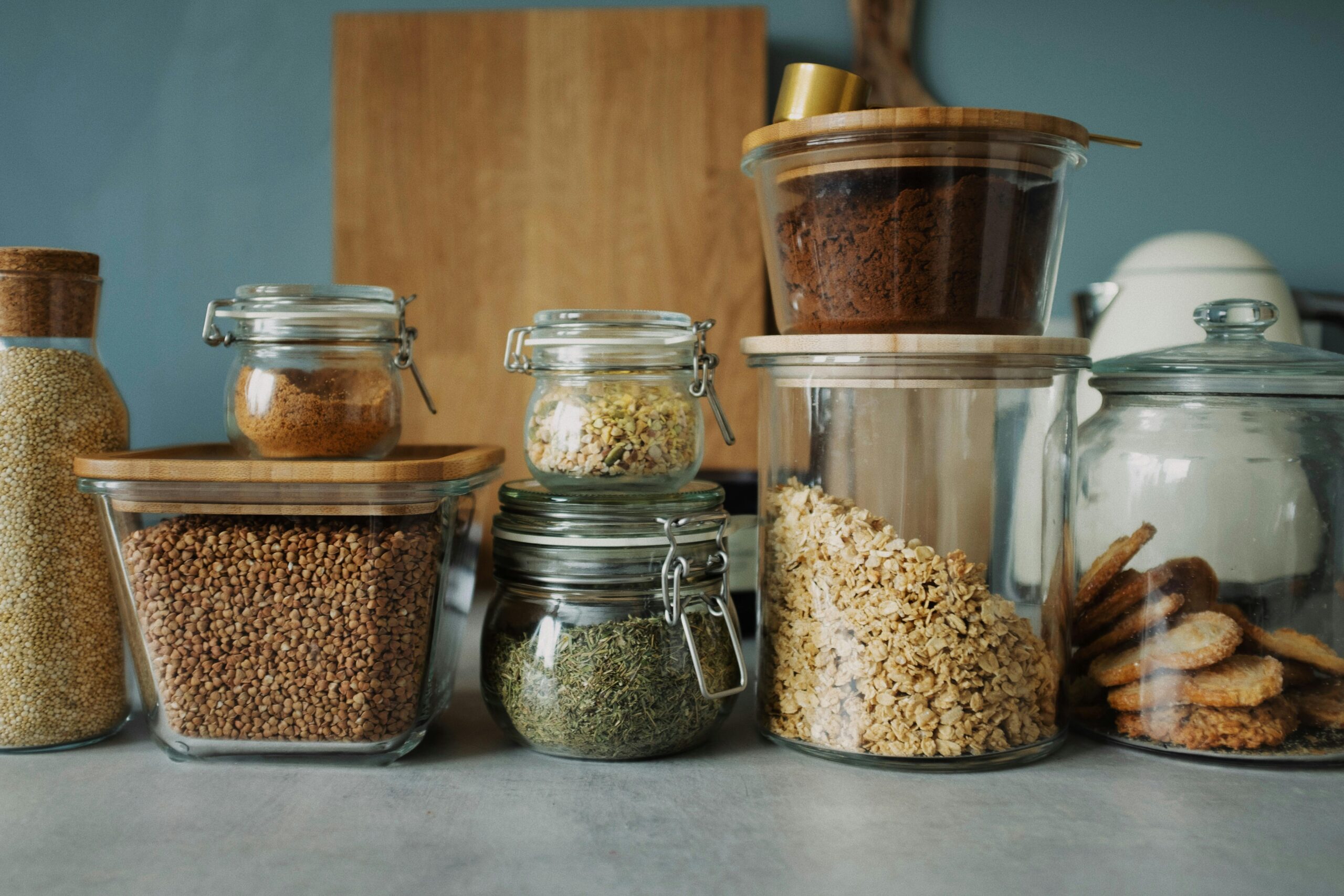
Andrew Isaac, health and wellness coach at Vitality, says that the best way to cut down on UPFs is to plan ahead: “Think about the time you have each week and how you can navigate those busier times by preparing rather than grabbing a ready meal.”
Cooking food in batches and freezing it is a great way to avoid any quick UPF foods for a few evening meals.
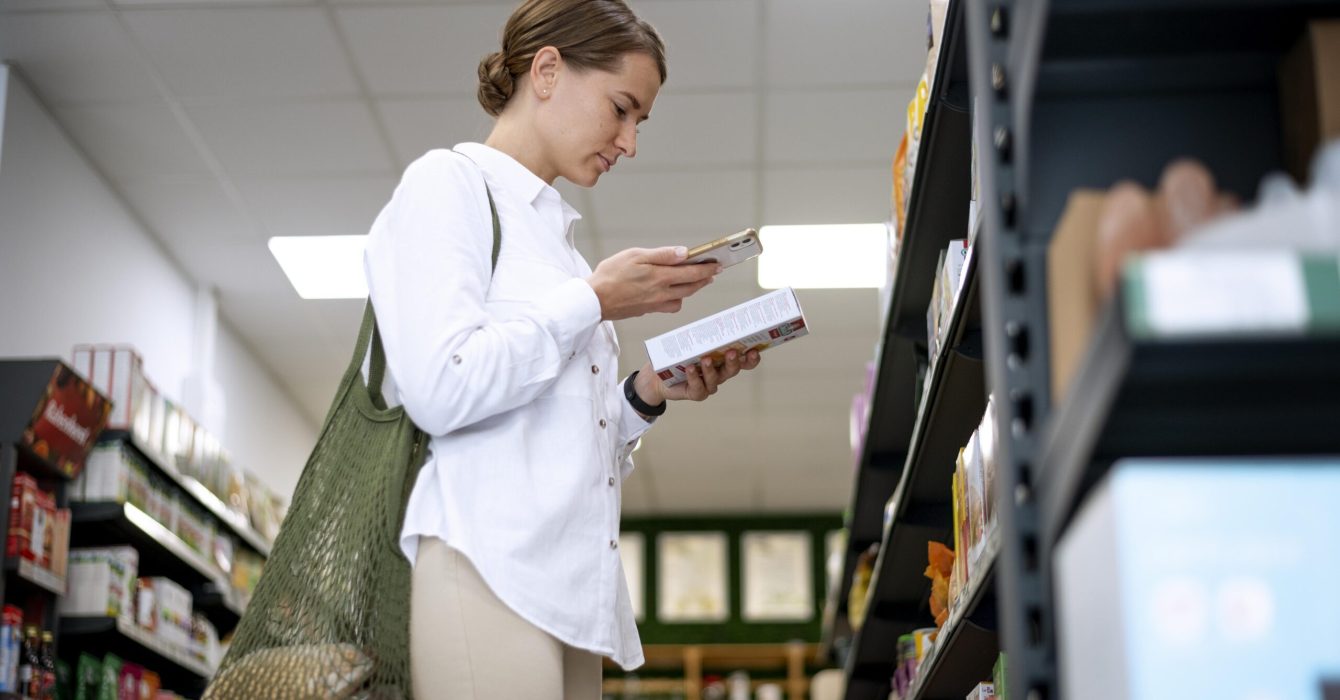
Most importantly, if you’re going to shop brands, read the label carefully and choose products with fewer ingredients.
How can vegetarians and vegans avoid UPFs?
If you’re vegan or vegetarian, avoiding UPFs might feel especially difficult, since many alternative meat or dairy products are highly processed in order to mimic their nutritional effects.
And unfortunately, they’re packed with seed oils, emulsifiers, mung beans and protein isolates, even the higher-quality fake meats often have less actual protein than things like tofu.
So, while you may still be eating fewer saturated fats (which tend to come from animal-based products) these products are all lower in protein and fibre, and higher in sugar, salt and fat.
Read more: “I’ve been a vegetarian for six years — here’s how I hit my protein goals”
This, combined with the fact that these meat and dairy substitutes are often more expensive while being less nutritious, has even led to an increase in people giving up veganism in the past few years.
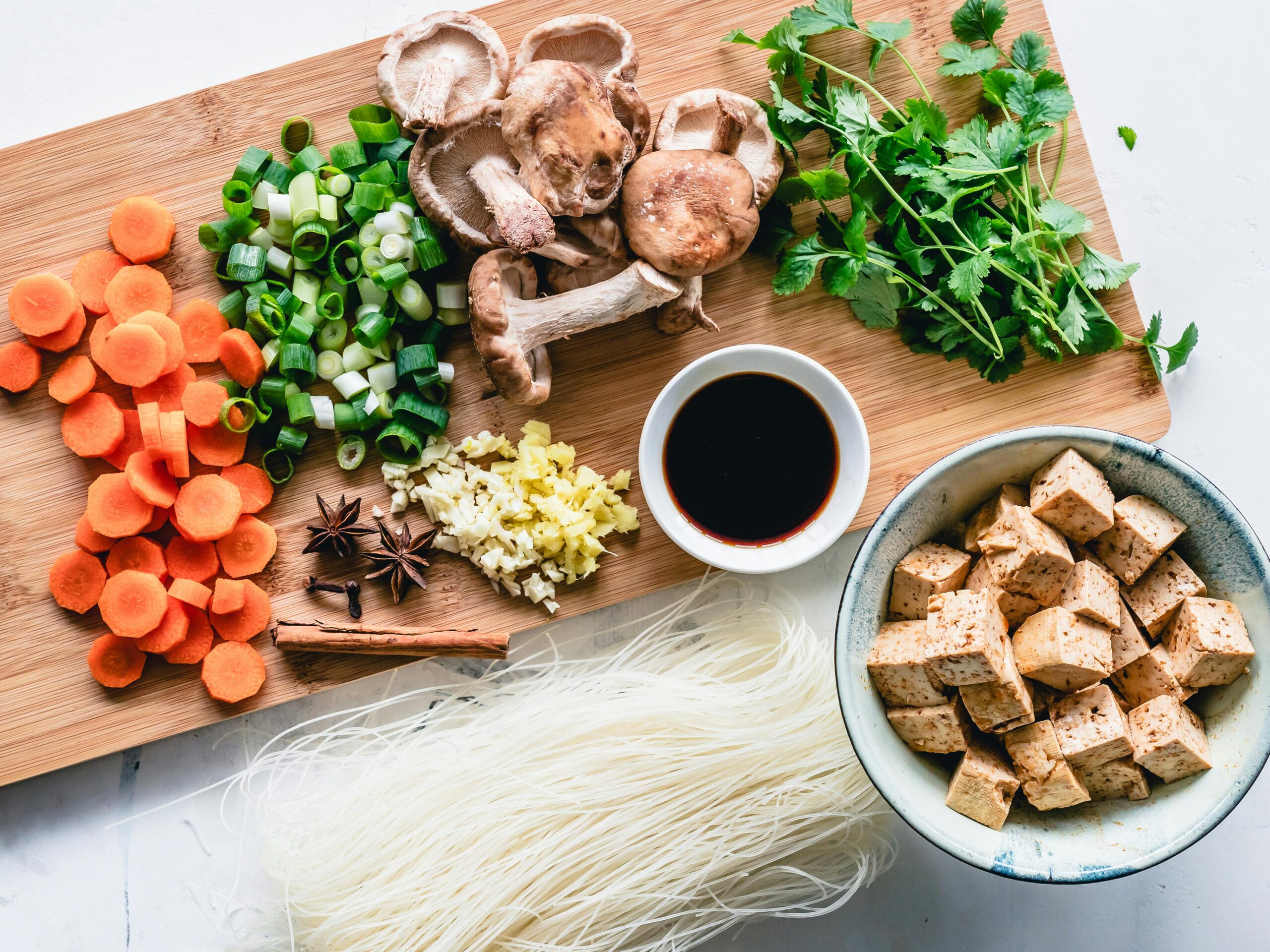
“The body recognises this isn’t real food and this can wreak metabolic havoc,” explains Steve Bennett, nutritionist and author of The Fibre First Diet. He suggests that those sticking to their veganism or vegetarianism should prioritise whole plant foods: legumes, nuts, seeds, vegetables and properly prepared grains.
What do the big brands say?
Given that UPFs are designed to be convenient, cheap and quick, cutting them out entirely can be difficult, even if you’re not vegetarian or vegan.
This shouldn’t be a surprise — using things like additives makes life much easier and cheaper for big brands, too.
“Additives invariably extend shelf life and increase the stability of food,” explains Julian Metcalfe, founder of the British East-Asian inspired fast-food chain Itsu. “And removing them — creating products without them — is not easy, it takes months of extra work and money.”
View this post on Instagram
Passionate about health and good-quality food, Julian decided to act. In 2024, Itsu created an internal standard defining which ingredients are ‘acceptable’, ‘banned’, ‘being phased out’ or ‘under review’.
Then in 2025, the brand launched its Noodles & Broth instant noodle range — all vegan, gluten-free and explicitly marketed as containing no additives.
Thankfully, Itsu isn’t the only brand working to provide additive-free products to consumers. Whether driven by similar concerns or simply keeping pace with a more health-conscious market, several other brands are beginning to follow suit, such as Deliciously Ella. Even some supermarkets are launching non-UPF products, such as M&S’s ‘Only… Ingredient’ range.
Are all ultra-processed foods bad for you?
Technically, no, not all UPFs are inherently bad. Of course, they’re not good (they’re still high in things like additives, sugar, unhealthy fats and salts) but some foods are still ok in moderation.
Things like fortified cereals, wholemeal bread, plant-based and tinned beans or lentils still contain valuable nutrients.
The bottom line is focus on the worst offenders (sugary drinks, processed meats, ready meals), choose healthier UPFs and — most importantly — always check the label of any product.
How to spot UPFs on food labels
The challenge is that while brands like Itsu and Deliciously Ella are improving transparency, many products remain unclear.
And though some UPFs are obvious — fizzy drinks, ready meals, packaged snacks — others are less so. Everyday items such as supermarket bread and flavoured yoghurts can be just as highly processed, without the same reputation.
What it all comes down to, then, is understanding how to read the labels:
- The longer the ingredient list, the more likely it is to be a UPF.
- Watch out for colourful packaging and anything marketed for convenience.
- Check nutritional labels for colour-coded information that tells you whether the product is low, medium or high in fats, sugars and sodium.
Read more: Why Jamie Oliver wants you to eat more beans, and the best types for different needs
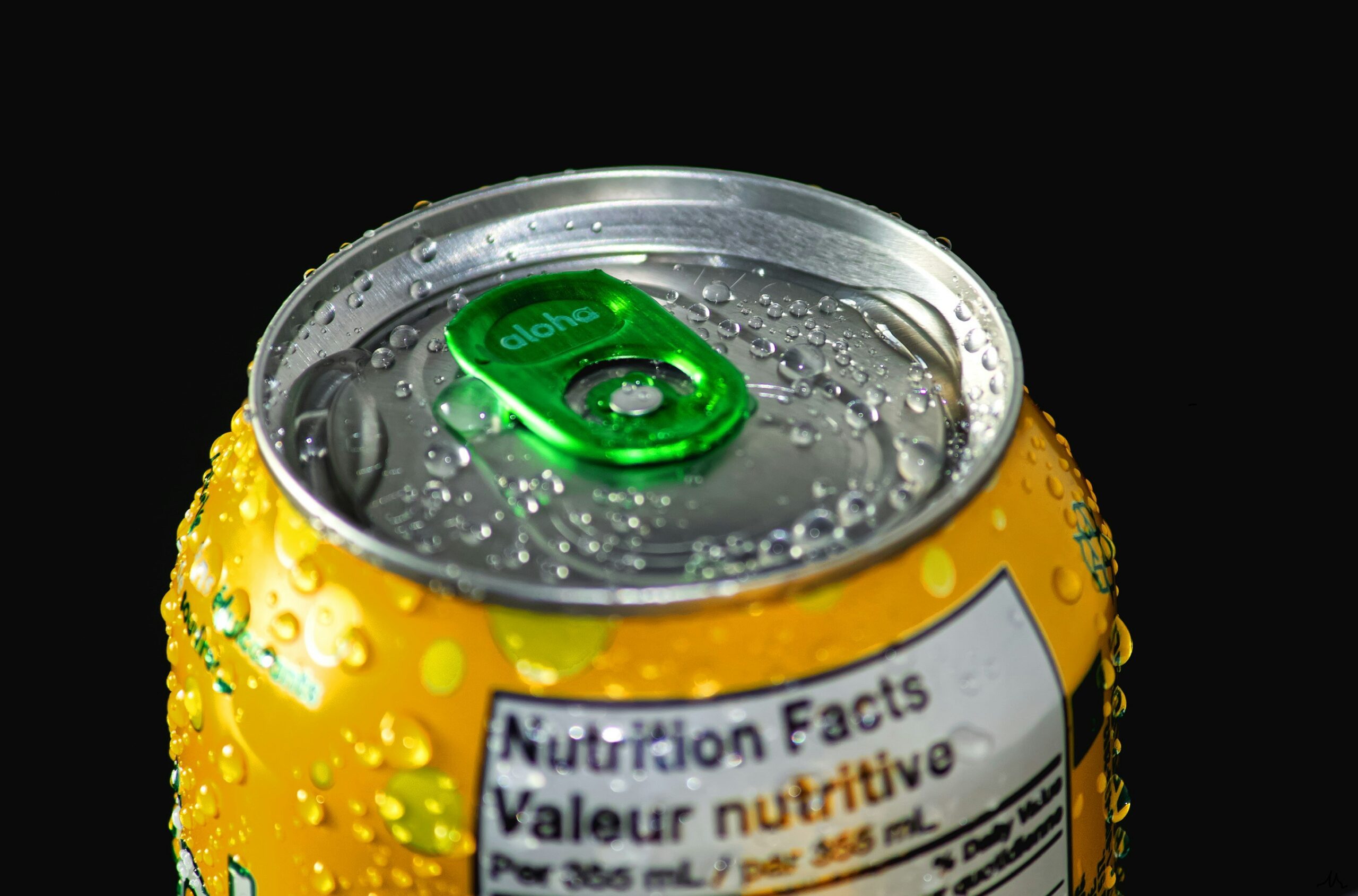
If you’re overwhelmed by a label (a red flag already), Andrew recommends checking the first three ingredients: “Ask yourself, could I make this product from home using only ingredients in my cupboard? If not, it’s likely ultra-processed.”
Steve takes a slightly stricter approach: “If it needs a label, approach with caution or avoid. Real food doesn’t need marketing and shouldn’t need a nutrition panel.”
- He also advises to be particularly cautious of any ingredients you don’t understand, or those ending in ‘ose’, e.g. glucose, fructose, dextrose (all types of sugar).
- Terms like ‘natural flavourings’ sound innocent but can mean anything, including beaver anal gland extract (castoreum) in vanilla products.
- Avoid seed oils (sunflower, soybean, corn oil) because they can create chronic inflammation.
- Anything ‘modified’ (modified starch, modified oils) has been “processed beyond recognition,” Steve says.
Find a list of common UPFs to avoid at nomoreupf.com
Everyday staples you might not realise are ultra-processed
Beyond the obvious (ready meals, biscuits, crisps, instant noodles), there are many foods that seem safe but might not be. Here are a few to be cautious of.
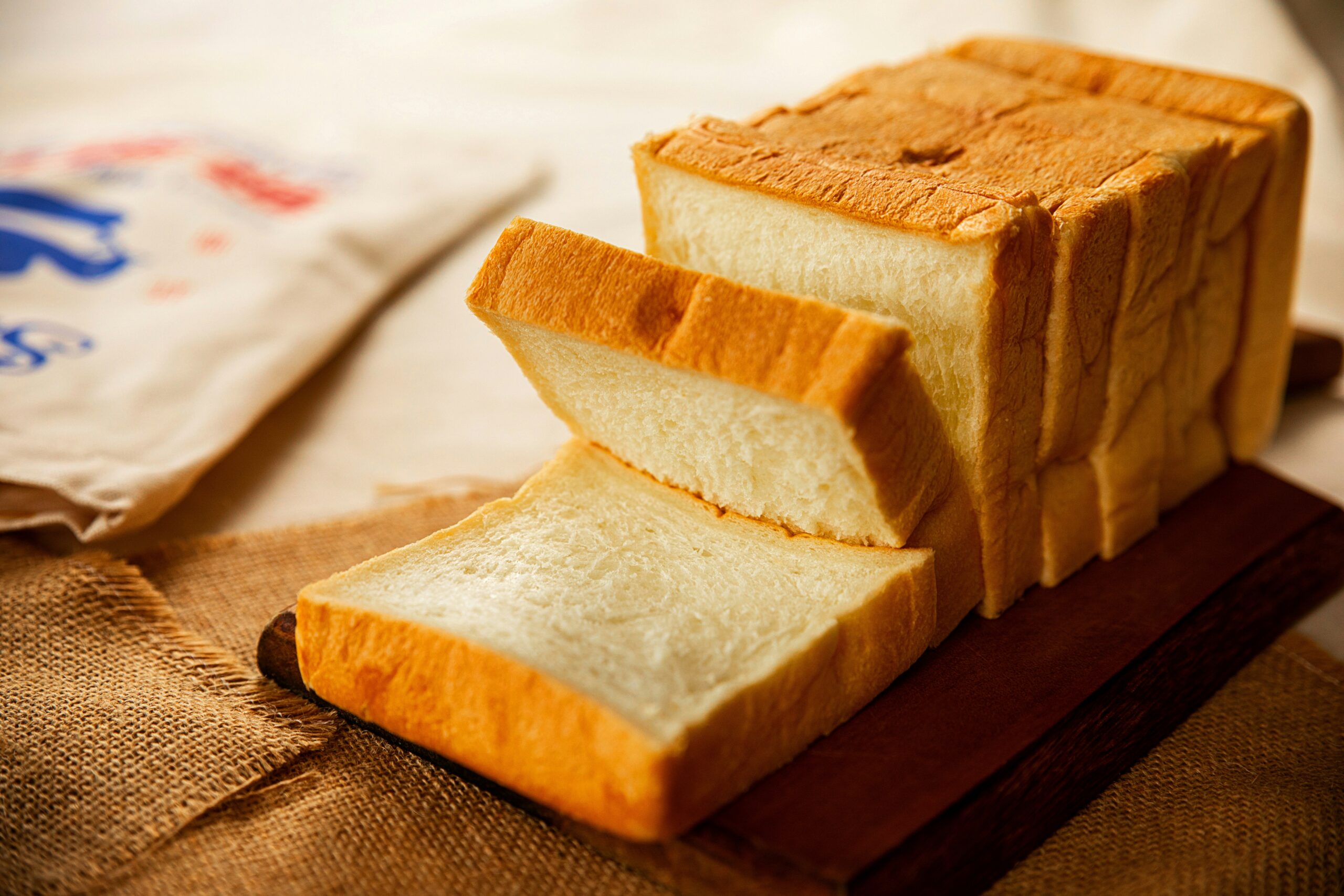
- Pre-packaged bread, even ‘brown’ varieties
- Most breakfast cereals
- Margarine and vegetable oil spreads
- Shop-bought pasta sauces
- Ready-grated cheese
- Microwave rice
- Packaged sliced meat
- ‘Low fat’ products
- Salad dressings
- Protein bars
- Instant porridge
- Tinned soups
- Meal deal sandwiches
- Ready-made soups
- Packed smoothies
- Flavoured yoghurts (they’re sugar-delivery systems)
- Shop-bought granola
- Plant-based milks
- Most canned beans (opt for plain)
- Certain types of pasta (flavoured, coloured, filled)
- Cured meats like ham and bacon
Read more: You’re probably not eating enough fibre — here’s why you need more
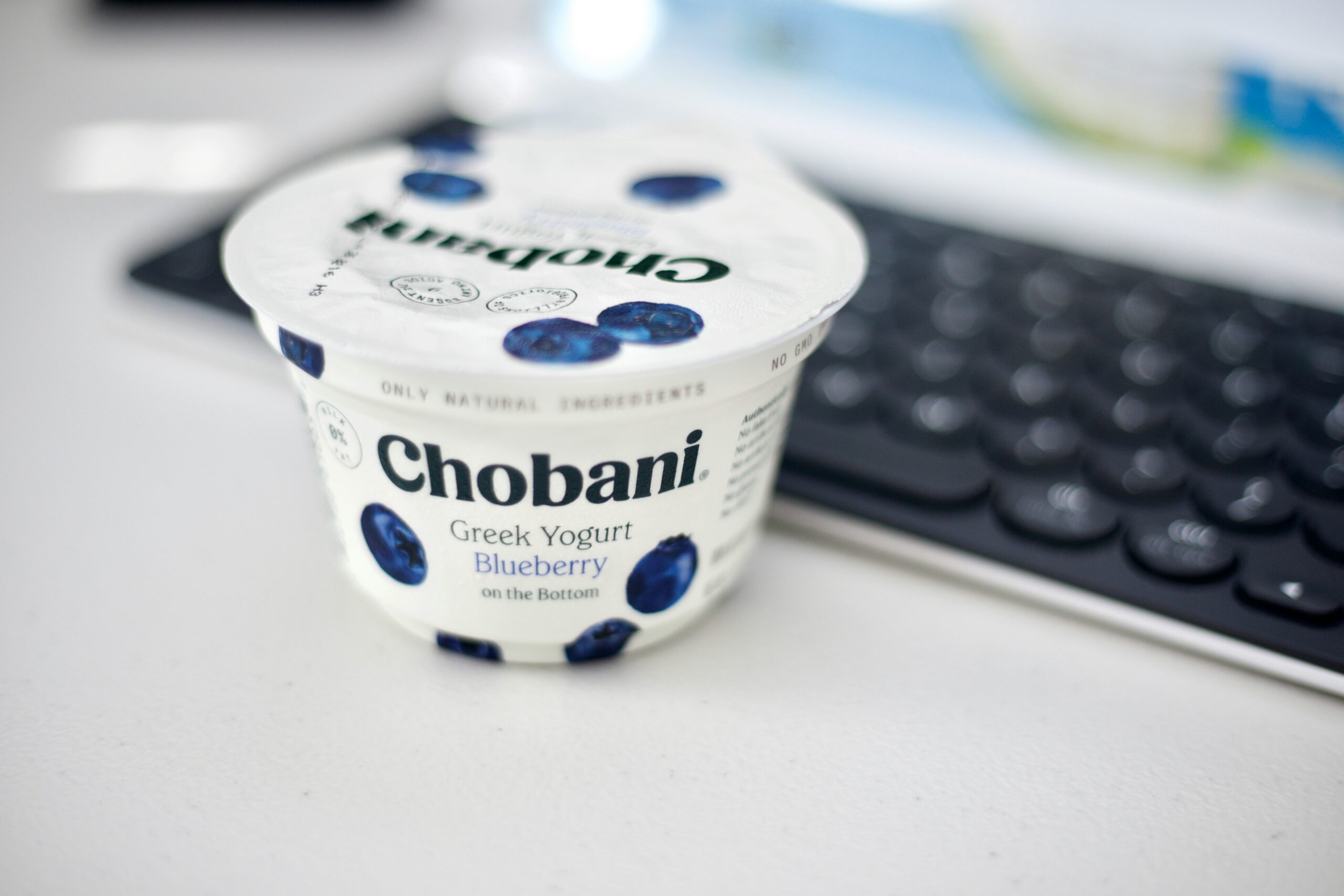
Just remember, always check the label.
Simple swaps to make to replace UPFs with less processed alternatives
If you’re serious about cutting them out, there are some swaps you can make:
- Swap breakfast cereal for eggs with vegetables or full-fat Greek yoghurt with berries and nuts
- Replace shop-bought granola with homemade nut and seed mix
- Choose celeriac chips instead of processed potato crisps
- Swap pasta for courgetti or Fibrehydrate noodles (or make your own fresh pasta)
- Use cauliflower rice instead of white rice
- Make your own salad dressing with olive oil and vinegar rather than bottled versions
- Choose real butter over margarine
- Swap fruit juice for whole fruit with water
- Replace protein bars with a handful of nuts and cheese
- Instead of instant porridge, cook traditional oats yourself, adding cinnamon and nuts
- Drink tea or coffee instead of energy drinks
- Make home-made stir fry sauces instead of packet mixes
View this post on Instagram
Non-UPF brands and products to buy
For Steve, the go-to brand would be no brand. But this isn’t as easy for those of us who are on-the-go and don’t have time to plan and prepare every meal in advance.
Here are a few brands and products that are either non-UPF items or have minimal processing:
Breakfast:
- Deliciously Ella Granola
- M&S Only 1 Ingredient Corn Flakes
- M&S Only 4 Ingredients White Slice Toasting Loaf
- Jason’s Recipe No 08 White Sourdough and Jason’s Recipe No 09 Wholemeal Sourdough
- Supermarket bakery bread
- Aldi Specially Selected White Sourdough Loaf
- Waitrose No.1 Spelt Sourdough
Snacks:
- Torres Black Truffle Potato Crisps
- Tyrells Sea Salted Veg Crisps
- Proper Chips Lentil Chips
- Kettle Chips
- M&S Avocado Oil Crisps
Convenience and ready to eat food:
- Crosta & Mollica pizzas
- Field Doctor
- Itsu Noodles & Broth range
Feature image: Freepik