The secret to good sleep, and the cause of restlessness, could be on your dinner plate.
If you’ve banned screens from the bedroom, cut out afternoon lattes, swapped your cheap bedding for lavish linens but you’re still tossing and turning, you may want to consider another element of your lifestyle: your diet.
There’s long been a belief that certain foods will help you nod off more easily. No doubt, many of us have fond childhood memories of grandparents warming a cup of milk for us in the evening.
But is it really true that some foods and drinks can send us off to a deep slumber? And what sneaky snacks could be sabotaging our sleep?
Here, Living360 speaks to nutritionists to discover what we should be loading onto our dinner plate — and what’s best left off it.
Read more: ‘This spa treatment claims to be the secret to good sleep — I put it to the test’

What foods help promote good sleep?
According to nutritional therapist Zoe Hill, foods that naturally contain melatonin — the hormone that regulates the sleep-wake cycle — may help the body wind down in the evening.
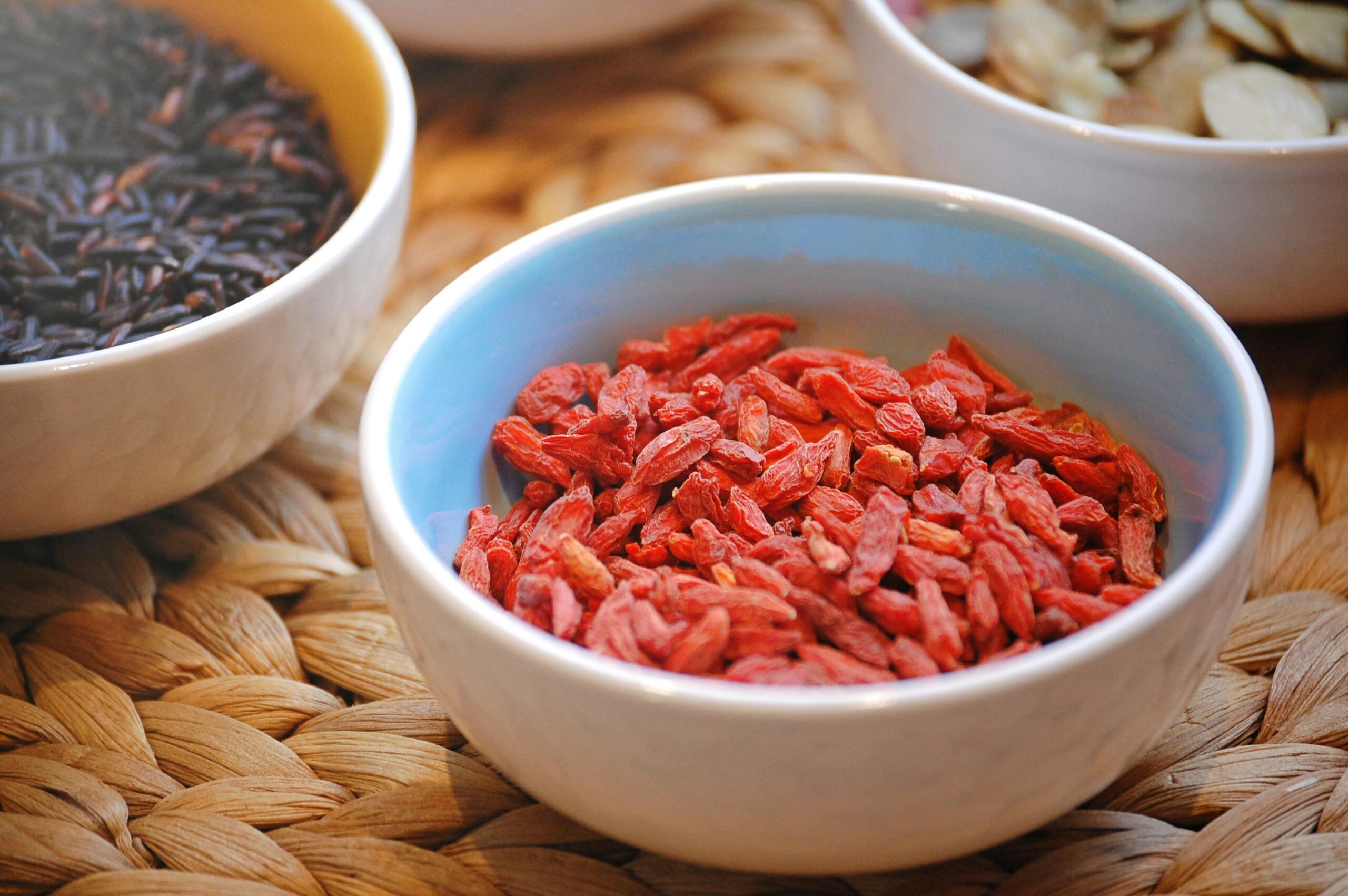
“Tart cherries and goji berries are particularly rich in melatonin,” she says, “while nuts such as almonds, pistachios and walnuts also contain useful amounts.”
Other foods support sleep indirectly. Those containing the amino acid tryptophan, for example, help the body produce melatonin. “Bananas, turkey, cow’s milk and soya milk are all good sources,” Zoe explains. She recommends consuming them one to two hours before bed, ideally paired with a complex carbohydrate, which helps the body convert tryptophan into melatonin more efficiently.
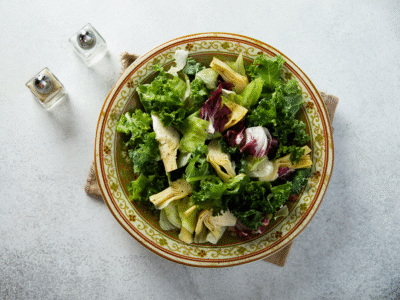
Magnesium is another nutrient commonly linked to better sleep. Ella Kaur, a nutritional therapist and practitioner lead at supplement brand Dr Vegan, describes it as a mineral that helps the body relax and manage stress. “Low magnesium levels can make sleep feel lighter or more broken,” she says. Leafy green vegetables, whole grains and beans are all good dietary sources.
Read more: ‘I tried 9 hacks to help me fall asleep — here’s what worked’
Gut health may also matter more than many people realise. “Your gut and your sleep are closely connected,” Ella says. “Some of the chemicals that help you feel calm and sleepy are produced there.” Fermented foods such as yoghurt, kimchi and sauerkraut contain probiotics that support digestion and may help the body settle in the evening.
For those whose sleep is disrupted by stress or racing thoughts, certain herbal remedies may offer support. Ashwagandha, a plant long used in traditional medicine, is thought to help reduce the body’s stress response. “It can be useful for people who feel tired but wired at night,” Ella says, noting it’s commonly taken in supplement form.
What foods should you avoid before bed?
Just as some foods may help sleep, others are best kept off the evening menu.
Zoe advises avoiding heavy meals close to bedtime. “Your body has to work harder to digest them, which can disturb sleep,” she says. High-fat foods, including cheese, are particularly problematic. Not only do they take longer to digest, but cheese contains tyramine, an amino acid that can trigger the release of stimulating hormones.
Caffeine, unsurprisingly, is another major culprit — and it’s not just found in coffee. “Black tea and chocolate can also interfere with sleep,” Zoe says, especially if consumed in the evening.

Read more: We tried ear seeding — the wellness trend that promises better sleep and stress management
The conclusion, experts say, isn’t about rigid food rules, but awareness. Small changes — eating earlier, choosing lighter meals and being mindful of what you snack on at night — can make a noticeable difference, particularly when combined with regular bedtimes and calming evening routines.
If winter nights are leaving you restless and underslept, the solution may not be another expensive gadget — but a more intentional dinner plate.
Feature image: Pexels