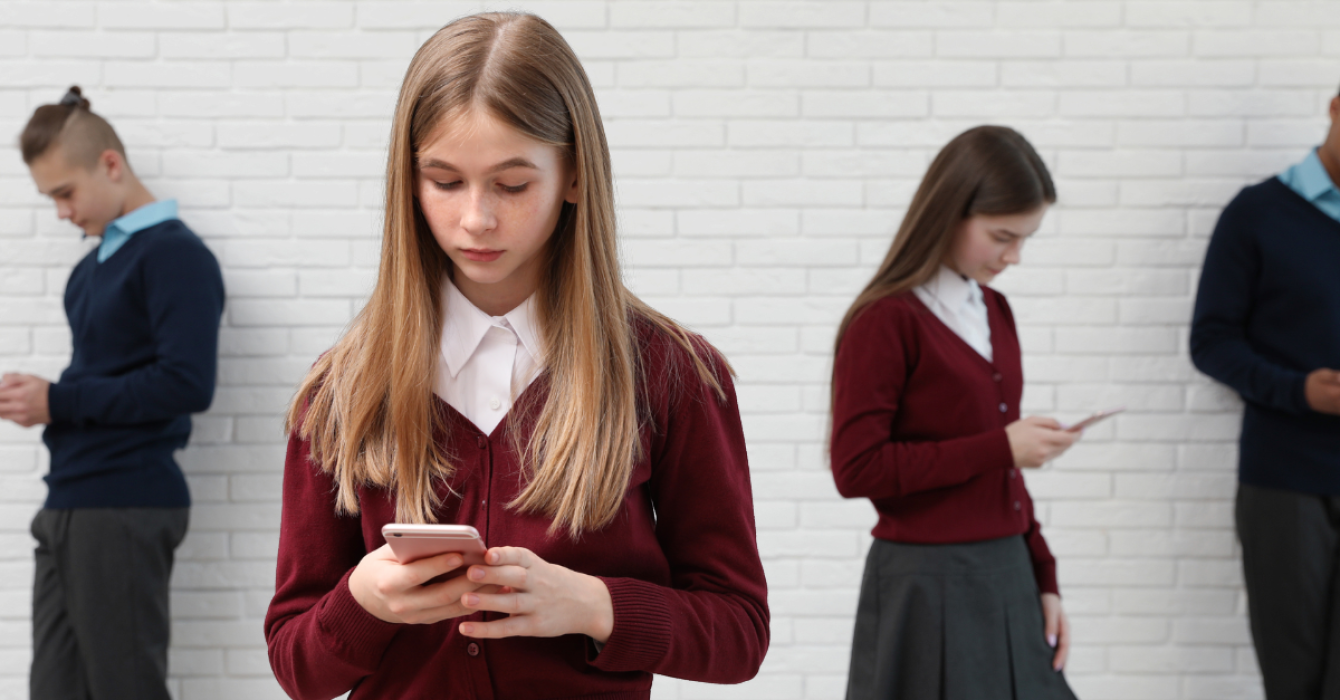
With TikTok, Instagram, Snapchat and YouTube set to be out of bounds for under-16s under new government plans, experts reveal alternative ways for teens to spend time online.
Prime Minister Keir Starmer has described the UK’s proposed under-16 social media ban as “real change for our children and our future”. But while the plans could reshape how young people spend time online, experts say the conversation shouldn’t stop at what teenagers can no longer access.
With growing concerns about the impact of social media on mental health, self-esteem and wellbeing, many psychologists and digital specialists welcome stronger protections. However, they also stress that technology itself isn’t the problem.
Others have raised concerns about what could be lost if young people are cut off from online communities altogether. Kim Samuel, founder and chief architect of isolation initiative Belonging Forum, says social media can provide “a vital thread” for teenagers seeking connection, support and a sense of belonging.
Rather than removing technology altogether, experts argue the focus should shift toward helping young people build healthier digital habits through platforms that foster creativity, learning, connection and skill-building.
Read more: How should parents enforce boundaries with children’s devices?

Why experts support a different approach to screen time
Finlay Wellington, founder of website design agency Wellington Web Co, believes the conversation should focus on how young people use technology rather than how much they use it.
“I don’t think the answer is simply replacing social media with no technology at all,” he says. “The real opportunity is encouraging young people to use technology in ways that help them create rather than just consume.”
He points out that platforms teaching digital skills can provide many of the benefits of technology without some of the pressures associated with social media.
“One of the biggest mistakes is treating all screen time as equal. Spending an hour learning a skill, building a website, creating content or working on a project is very different from spending an hour endlessly scrolling.”
Child and educational psychologist Dr Emily Crosby agrees, highlighting adolescence as a critical period for identity development.
“Social media sites can provide distorted views of reality, which can negatively influence a child and adolescent’s view of themselves and their lives,” she explains. “They’ve not yet developed security and confidence within their identity and can therefore struggle to navigate these influences.”
Dr Crosby also notes that excessive social media use can replace valuable offline interactions, potentially contributing to anxiety, low mood and difficulties with emotional regulation.
Technology isn’t the enemy
Educational and child psychologist Dr Patricia Britto says stronger safeguards are welcome, but warns against viewing technology itself as harmful.
“The reality is that many of today’s social media platforms weren’t designed with children’s developmental needs, emotional wellbeing or safety as their primary focus,” she says.
“The conversation should therefore be less about removing technology altogether and more about creating healthier digital experiences.”
According to Dr Britto, the most beneficial digital experiences are those that promote learning, creativity, problem-solving and genuine social connection rather than passive consumption.
“Children deserve innovation, opportunity and connection online, but they also deserve protection. Those two things shouldn’t be mutually exclusive.”

Read more: Does your run need a digital detox? How Strava and RunTok are ruining running
The best alternatives to social media for under-16s
Aidan van Vuuren, head of digital at Peak Digital, explains that the most effective alternatives have one thing in common.
“The best options share one quality,” he says. “They tie engagement to skill acquisition rather than social approval.”
“Give teenagers a feedback loop that leads somewhere tangible, rather than a follower count.”
Creative and design platforms
These apps help teens express themselves, learn creative skills and build digital portfolios without the pressures of likes, views, followers and endless scrolling.
Canva
A beginner-friendly graphic design platform that allows teens to create posters, presentations, social graphics and digital artwork while developing valuable design skills.
Visit the Canva website
Procreate
A digital illustration app for iPad that’s become a favourite among young artists. Ideal for sketching, painting and exploring creative hobbies.
Visit the App Store
GarageBand
Apple’s free music production software allows teenagers to compose, record and produce their own music, podcasts and audio projects.
Visit the App Store

Educational and revision apps
These platforms use technology to support learning while maintaining the engagement that many young people enjoy online.
Duolingo
A language-learning app that uses gamification and streaks to encourage consistent learning habits.
Visit the Duolingo website
BBC Bitesize
Free revision resources covering maths, English, science and other key school subjects, with quizzes and bite-sized learning modules.
Visit the BBC website
Kahoot!
An interactive quiz platform that turns revision and learning into a game, whether used independently or with friends.
Visit the Kahoot website
Coding kits and STEM toys
Products such as PYXEL help children learn real programming languages including Blockly and Python through hands-on projects and interactive play.
Visit the Learning Resources website
Games that encourage creativity and problem-solving
Not all gaming is created equal. These titles prioritise imagination, collaboration and skill-building over competition and social validation.
Minecraft Education Edition
Designed for learning, Minecraft Education Edition encourages creativity, teamwork, critical thinking and problem-solving within a moderated environment. Available on PC, iOS and Android devices, Chromebooks, Nintendo Switch, PlayStation 4 and Xbox One.
Visit the Minecraft website
Stardew Valley
A calming farming and life simulation game that encourages creativity, planning and independent play without constant online interaction. Available on PC, iOS and Android devices, as well as Chromebooks.
Visit the Stardew Valley website
Palia
A free community-focused life simulation game centred around exploration, crafting, homesteading and cooperative play rather than combat or competition. Available on PC, Nintendo Switch, PlayStation 5 and Xbox Series X/S.
Visit the Palia website
Read more: How to swipe left on phone addiction, according to a neuroscientist
What to know about the UK’s under-16 social media ban
Which social media apps will be banned?
TikTok, Instagram, Snapchat, Facebook, X and YouTube are all expected to be covered by the proposed restrictions.
WhatsApp will not be included in the ban, according to the government.
When will the social media ban start?
The government has announced its intention to introduce the ban, but a start date hasn’t yet been confirmed.
How will the social media ban work?
Platforms will be required to prevent under-16s from creating or accessing accounts, likely through age-verification measures similar to those introduced in Australia in December 2025.
How will the ban be enforced?
Details are still being developed, but responsibility is expected to fall primarily on technology companies, which could face penalties for failing to prevent underage access.
Whether the proposed ban succeeds may depend less on what young people are prevented from accessing and more on the digital habits they’re encouraged to build instead. As Kim Samuel puts it: “The answer to the challenges posed by social media is protection, preparation and education, not prohibition alone.”
Feature image: Pexels