The celebrity chef’s Bang in Some Beans campaign is putting beans, pulses and legumes firmly on the menu. Here, we ask the experts which ones are best for your health.
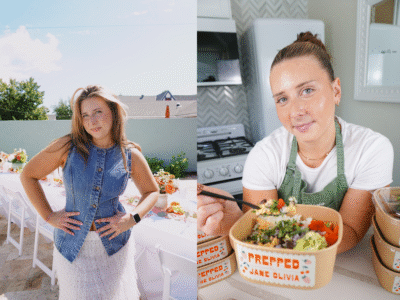
We all remember Jamie Oliver campaigning for healthier school meals back in the noughties. Now, the celebrity chef has turned his attention to a new cause: beans. Alongside Hugh Fearnley-Whittingstall and a host of other high-profile chefs, Jamie has launched the Bang in the Beans campaign, aiming to double the UK’s bean consumption (along with legumes and pulses) by 2028.
At first glance, it might seem a modest mission. But, as anyone who’s stumbled upon BeanTok recently can attest, beans and other legumes are nutritional powerhouses, packed with things like fibre, protein and key micronutrients such as iron, magnesium and folate. High consumption has even been linked to a lower risk of bowel cancer. Yet, despite these benefits, we’re still not eating enough. Plus, 90% of the population are still not eating enough fibre — hence Jamie’s call to action.
What’s more, beans are among the cheapest and most sustainable sources of protein, requiring far less land, water and energy to produce than meat or dairy. Their long shelf life and minimal processing reduce waste and carbon emissions, while making them inexpensive and widely available and accessible to everyone.
So, with diet-related diseases on the rise, food prices continuing to climb and environmental pressures mounting, campaigners argue that eating more beans could benefit both collective public health and the planet.
View this post on Instagram
What do the supermarkets say?
A new report by the Food Foundation, which supports the campaign, has found that to meet the Eat Lancet’s Planetary Health Diet, UK bean consumption would need to increase sevenfold.
While this may seem daunting (and far beyond the goal set out by the campaign), it’s clear the benefits of incorporating more into our diet are clear — and both big and small sellers are on board.
Major supermarkets including Sainsbury’s, Lidl, Waitrose, M&S and Ocado have already pledged their support, promising to promote legumes in stores and encourage shoppers to buy more.
Kimberley Lue Lim, Head of Marketing at Caribbean food brand Grace Foods UK, is happy that beans are finally getting their moment: “Beans and pulses have been a staple of Caribbean cooking for generations, and this campaign lets us champion just how nutritious, versatile and sustainable pulses really are.”
“Many people want to eat more sustainably but aren’t always sure how to use pulses, so a big focus for us is showcasing simple, flavour-packed recipes,” she adds.
Fortunately, between Jamie, BeanTok and brands like Bold Bean Co realising specialist bean cookbooks, there’s plenty of ‘beanspo’ to go around.
Read more: You’re probably not eating enough fibre — here’s why you need more

Why are beans so good for you?
For a single food item to be considered helpful for prevention of life-threatening conditions like cancer, there’s got to be something special about it.
“Beans deliver multiple nutritional benefits — protein, fibre and essential micronutrients — in one inexpensive package,” says Ana Carolina Goncalves, superintendent pharmacists at Pharmica. They’re low in saturated fat, so can also help support better overall diet quality.
Health and nutrition coach Grace Williams adds: “Beans provide slow-release carbohydrates, soluble fibre and prebiotic compound that feed beneficial gut bacteria”.
For those following a plant-based diet or simply looking to fill nutritional gaps, beans offer an affordable, sustainable source of protein.
How to introduce more beans into your diet
The point behind the Bang in Some Beans campaign is that it’s incredibly easy. Most dishes that you’d come home to make after a long day’s work are those that you could just bang in some beans.
But if you’re struggling with ideas, a good way to get started is by:
- Blending into soups
- Tossing into salads
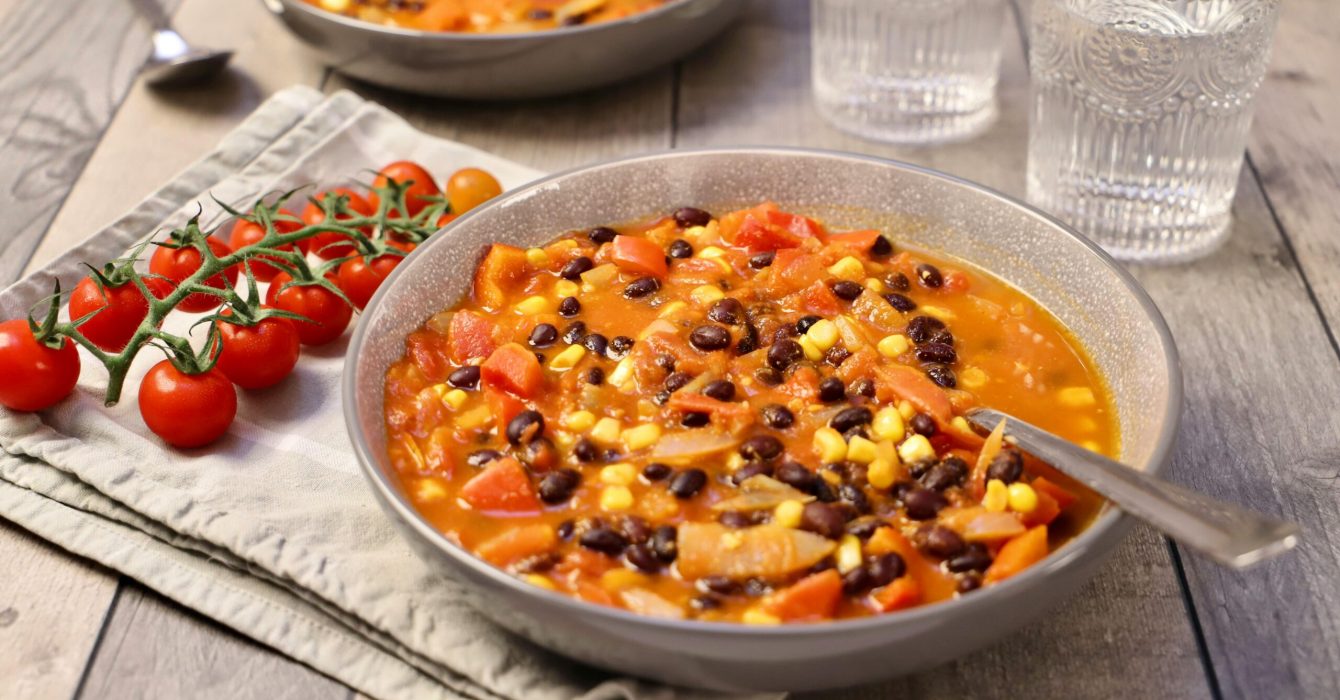
- Simmering into stews
- Adding or blending into pasta sauces
- Adding into curries
- Roasting as a side
Read more: Three fibre-filled recipes for ultimate weeknight nutrition

Which beans provide the best benefits for specific needs?
All beans contribute broadly to health, though certain types are particularly good for specific purposes.
“It’s about how easy these types are to cook and eat. You should choose recipes that satisfy your hunger without demanding so much preparation,” says Carolina.
However, if you’re looking to address specific nutritional needs in your diet, these are the types of beans (and legumes and pulses) she advises to go for:
- Protein: soybeans and kidney beans are particularly rich in protein
- Gut health: black beans and lentils support gut microbiome diversity
- Fibre: kidney beans, lentils and pinto beans are high in insoluble fibre, while black beans contain the most soluble fibre
- Heart health: chickpeas and lentils can help lower LDL cholesterol and reduce the risk of heart disease, thanks to their low saturated fat content
- Weight management: most beans add bulk and improve satiety, helping to reduce overall calorie intake
- Antioxidants: black beans contain bioactive compounds, such as anthocyanins, which may help protect cells from damage
- Cancer prevention: higher overall bean consumption has been linked to lower risk of bowel cancer due to fibre content
- Iron and nutrient support: beans provide non-haem iron, folate and other nutrients essential for red blood cell production
- Digestive health: high fibre content promotes regular bowel movements and supports gut mucosa health
Feature image: Pexels