From lift pass etiquette to overlooked ski laws, here’s everything first-time skiers need to know before booking a 2026 or 2027 mountain escape.
There’s a particular magic in the hush of a snow-covered morning — broken only by the rhythmic crunch of boots on fresh powder and the distant whirr of chairlifts overhead.
For many, skiing is a rite of passage: equal parts sport, spectacle and alpine escapism. But for beginners, planning a ski holiday in 2026 can feel less like a winter wonderland and more like navigating a blizzard of logistics — from choosing the right resort and snow-sure dates to understanding new safety rules and lift pass systems.
Whether you’re heading to the Alps, Japan or the Rockies, here’s L360’s definitive beginner’s guide to skiing.
Read more: Must-have skincare and fashion essentials for ski season
What are the benefits of skiing?
Skiing isn’t just a bucket-list winter sport — it’s a full-spectrum wellness boost.
Physically, skiing can burn between 400-600 calories per hour, depending on intensity, terrain and body weight. It engages your quads, glutes, hamstrings, calves and core, improving balance, coordination and lower-body strength.
From a cardiovascular perspective, alpine skiing mimics interval training — bursts of effort on descents followed by recovery on lift rides — which can support heart health, circulation and metabolic function.
Then there’s the mental health effect. Exposure to natural light, mountain air and panoramic alpine views has been linked to reduced stress levels and improved mood. Add in the confidence boost of mastering new skills, and skiing becomes as much about mindset as muscle.
It’s also one of the most social sports you can book. Industry data consistently shows that the majority of ski trips are taken with friends or family, making it ideal for bonding — whether you’re sharing chairlifts, celebrating small wins, or laughing through spectacular wipe-outs at après-ski.
Read more: We discover South Tyrol beyond the Winter Olympics
Where to ski in 2026 and 2027
Ski season varies by geography, altitude and climate. With increasingly unpredictable snowfall patterns, timing and elevation matter more than ever.
France and Switzerland
Best for: high-altitude terrain, expansive lift networks, traditional alpine villages
Across France and Switzerland, most Alpine resorts operate from mid-December to mid-April.
For snow-sure conditions in 2026, prioritise resorts with base altitudes above 1,500 metres and, where possible, glacier access.
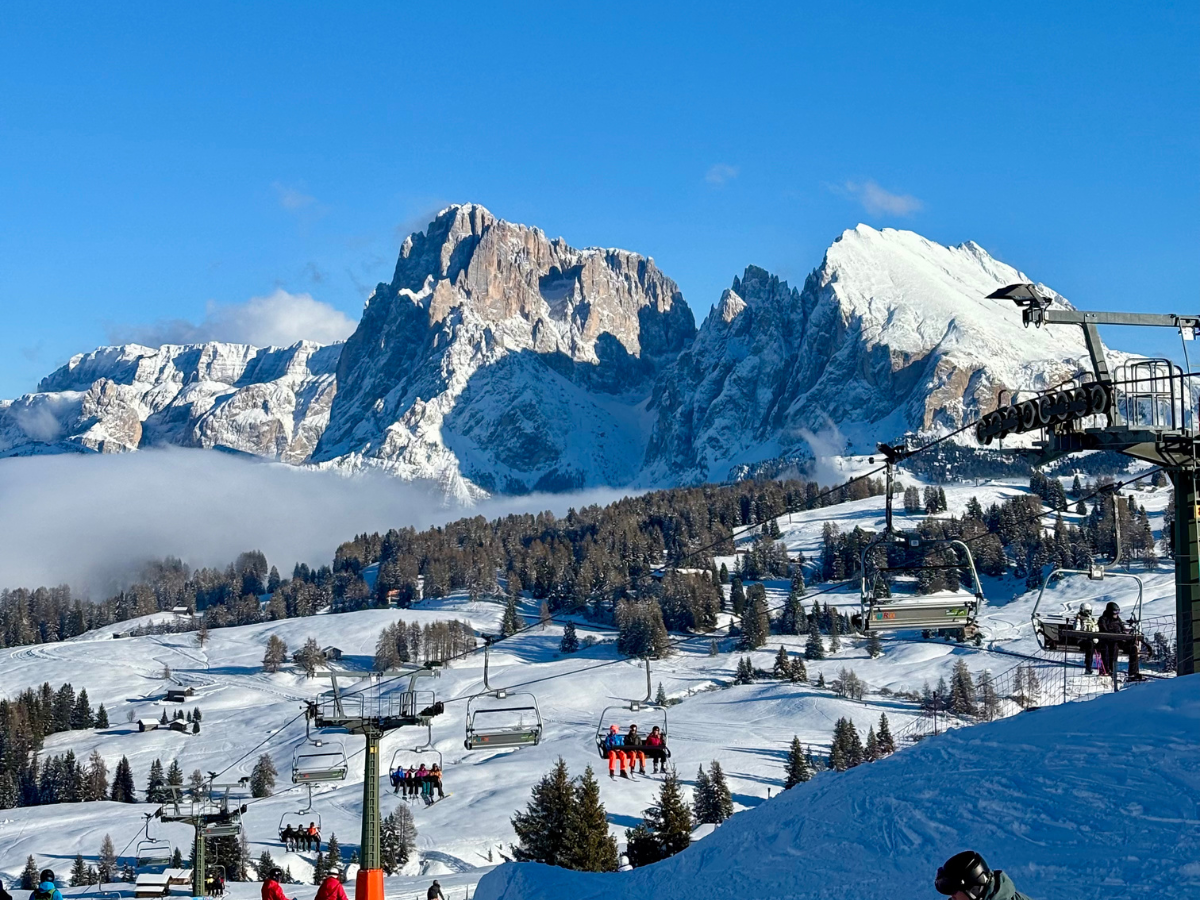
Italy’s Dolomites and Trentino
Best for: beginner-friendly slopes, relaxed atmosphere, strong food culture
Northern Italy offers dramatic scenery and comparatively competitive lift pass pricing.
Helmet use remains mandatory for under-18s in Italy, with fines enforced in many regions.
Read more: Why you need to visit this lesser-known region of northern Italy
Japan
Best for: light, dry powder snow, cultural immersion, reliable snowfall
Japan’s powder season runs from December through March, with peak conditions typically in January and February.
Resorts in Hokkaido remain among the most snow-consistent destinations globally, making them increasingly popular for international travellers.
Canada and the Rockies
Best for: wide beginner terrain, English-speaking ski schools, reliable snow coverage
Canada’s ski season generally spans late November through April.
Resorts in British Columbia and Alberta remain strong options for first-time skiers seeking structured learning environments.
Southern Hemisphere
Best for: off-season skiing
For travellers seeking an off-season alternative, ski season runs June through September in Australia, New Zealand and parts of South America.
New Zealand, in particular, offers accessible terrain and a relaxed ski culture suited to beginners.
Read more: Inspired by the Winter Olympics 2026? These are the best indoor ice rinks and skiing venues in London
How to choose the right resort as a beginner
When booking your first ski holiday, prioritise:
-
Dedicated beginner zones with gentle “green” runs
-
Well-rated ski schools with English-speaking instructors
-
Good lift infrastructure to minimise queues
-
Village-level accommodation to avoid long transfers
-
High-altitude resorts for more reliable snow
Booking lessons in advance is strongly recommended, especially during peak weeks in January and February.
Ski laws and rules first-timers often overlook
Skiing is governed by strict safety and legal frameworks, which vary by country and resort.
Key considerations include:
-
Lift pass sharing is treated as fraud and can result in cancellation or bans. Many resorts now use photo-linked or RFID digital passes.
-
Helmet laws apply to minors in Italy and are strongly recommended elsewhere.
-
Some Alpine destinations require proof of third-party liability insurance. Standard travel insurance policies may not automatically cover winter sports.
-
Eating or drinking on chairlifts is prohibited in certain Austrian and German resorts.
-
Off-piste skiing without avalanche safety equipment may void insurance or be illegal depending on location.
Always review resort-specific regulations before travelling.
Common beginner ski mistakes
Booking a low-altitude resort
Lower-altitude resorts can experience patchy snow, especially early or late in the season. Aim for a base altitude above 1,500 metres for more consistent conditions.
Skipping lessons
Even fit, athletic first-timers benefit significantly from professional instruction. Lessons reduce injury risk, accelerate progress and build confidence.
Underestimating the total cost
Beyond lift passes, budget for:
-
Equipment rental
-
Ski school fees
-
Mountain lunches
-
Après-ski drinks
-
Transfers and resort taxes
In parts of France and Switzerland, a beer on the mountain can exceed €10, and restaurant pricing often reflects premium alpine mark-ups.

Should you rent or buy ski equipment?
For your first trip, renting is almost always the smarter choice.
A weekly rental package — including skis, boots, poles and a helmet — typically ranges from £65 to £150 depending on location and season.
Buying equipment becomes cost-effective only if you plan multiple ski holidays per year.
What to pack for a ski holiday
A beginner’s ski wardrobe should prioritise function over fashion.
Essentials include:
-
UV-protective goggles
-
Waterproof insulated gloves
-
Moisture-wicking thermal base layers
-
Merino wool ski socks
-
A waterproof ski jacket (10,000mm rating or higher)
-
Insulated ski trousers or bib
-
Neck warmer
-
SPF 30+ sunscreen
Layering remains critical: a breathable base layer, insulating mid-layer and waterproof outer shell.
Read more: ‘I’ve tried over 100 sunscreens — these are the most-sweat proof SPFs you can get for body and face’
Is 2026 a good year to start skiing?
Yes as improved snow-making systems, digital lift technology, expanded beginner zones and streamlined booking platforms have made skiing more accessible than ever.
Book early for peak weeks, prioritise altitude for snow reliability, secure lessons in advance and ensure your insurance covers winter sports.
Once you experience your first uninterrupted descent on fresh snow, the appeal becomes clear — skiing is as much about the atmosphere as it is the sport.
Feature image: Unsplash