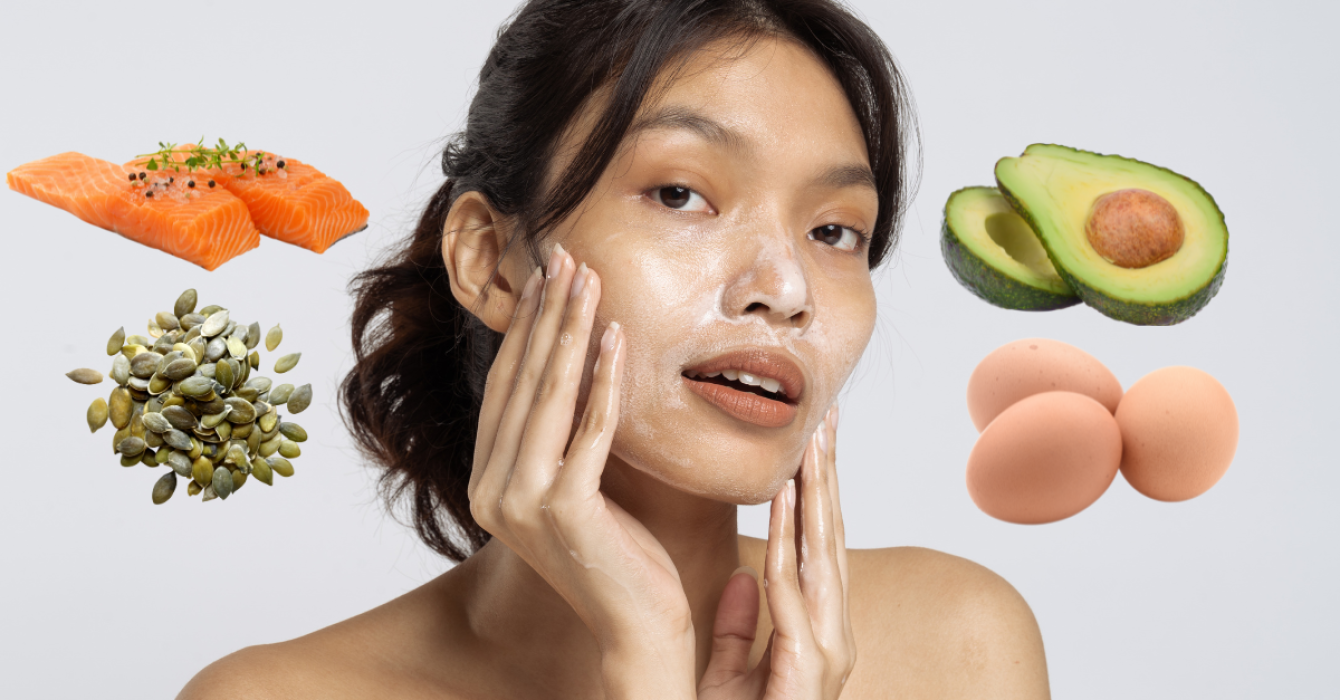
Serums can only get you so far. The real magic for glow, bounce and clarity often starts in your kitchen. Here, leading nutrition experts share the ultimate guide to eating your skincare.
If you’ve ever layered hyaluronic acid, vitamin C serums and a barrier-repair cream only to wake up with skin that still feels lacklustre, it might be time to look beneath the surface — literally. What you eat has an enormous influence on your skin’s hydration, clarity and overall radiance.
“Skin is built from the inside out,” says nutritionist Nadine Bowen-Price, who sees first-hand how simple dietary shifts can transform everything from dry patches to breakouts.
The ‘eat your skincare’ trend has taken TikTok by storm, with thousands of creators highlighting the link between diet and skin health.
Here, L360 breaks down the expert-approved foods for every complexion concern — so you can nourish your way to healthy, glowing skin.
View this post on Instagram
Read more: We reveal the chic ‘it girl’ beauty products actually worth buying in France
Dry skin: feed your moisture barrier
Dry, tight or flaky skin often signals a shortage of essential fats, vitamin E and internal hydration. Both experts emphasise upping healthy fats and water-rich plants to help the skin hold onto moisture and strengthen its protective lipid layer.
Nadine says, “These foods restore comfort, reduce roughness and give the skin a smoother, more supple texture.”
Best foods for dry skin
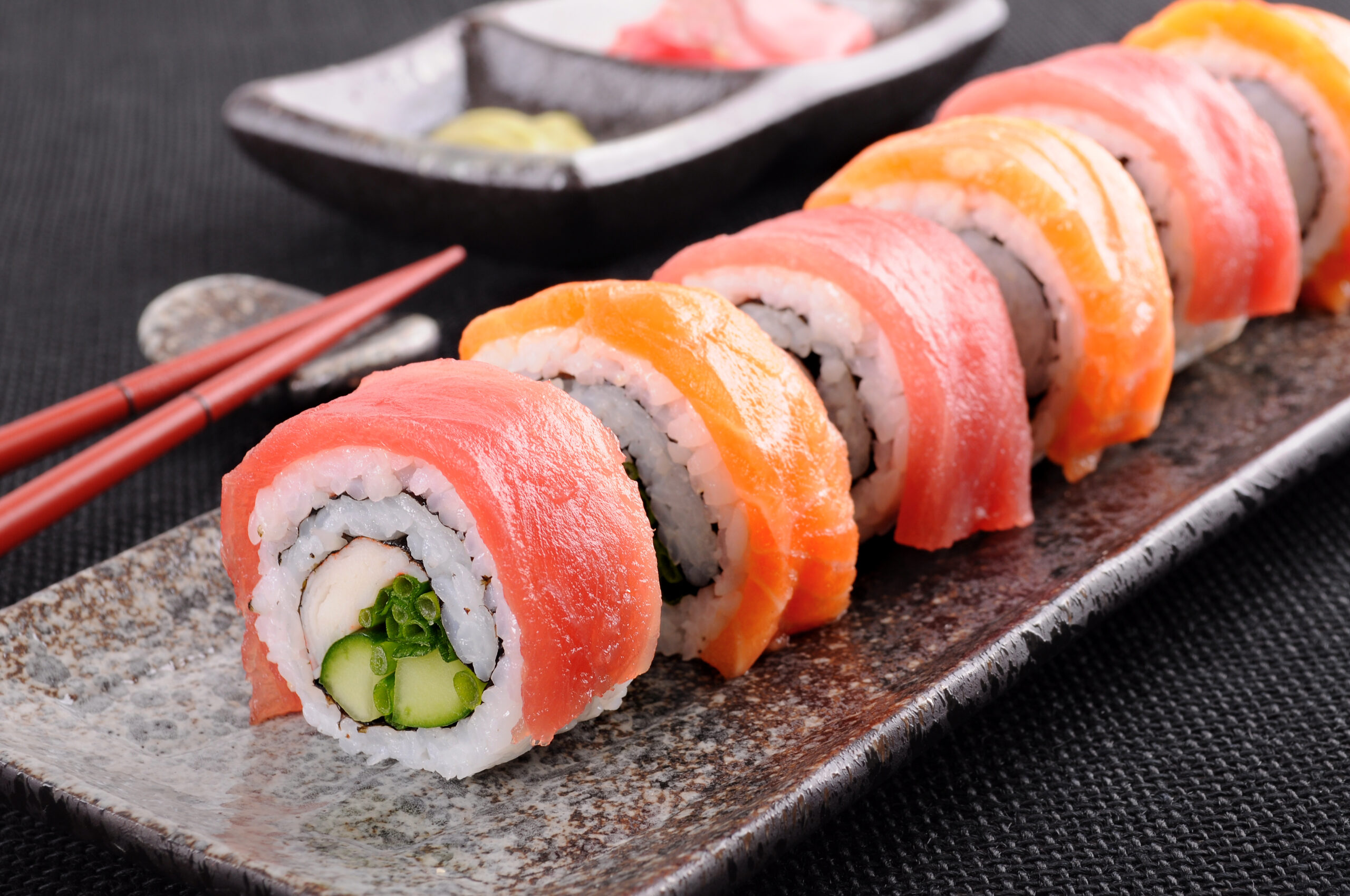
- Oily fish (salmon, mackerel, sardines)
- Chia and flax seeds
- Walnuts, almonds, Brazil nuts
- Avocado
- Extra virgin olive oil
- Sweet potato
- Eggs
- Cucumbers, berries, oranges, watermelon, coconut water
Why they work
“These foods provide the building blocks for the skin’s natural oils, support ceramide production and keep the outer layer soft and flexible,” cosmetic dermatologist Dr Nora explains.
They also reduce the inflammation that can make dry skin look flaky or tight.
Read more: You might be eating chia seeds wrong. Nutritionists reveal the right way to maximise the benefits
Oily or acne-prone skin: balance blood sugar and calm inflammation
Acne is influenced by hormones, inflammation and blood sugar spikes. A skin-friendly diet supports all three.
Nadine frequently sees breakouts calm when clients stabilise their carb intake: “Clients often report fewer angry breakouts and more stable oil levels after balancing sugar.”
Best foods for oily or acne-prone skin
- Low-GI whole grains: oats, quinoa, lentils, barley, sweet potato
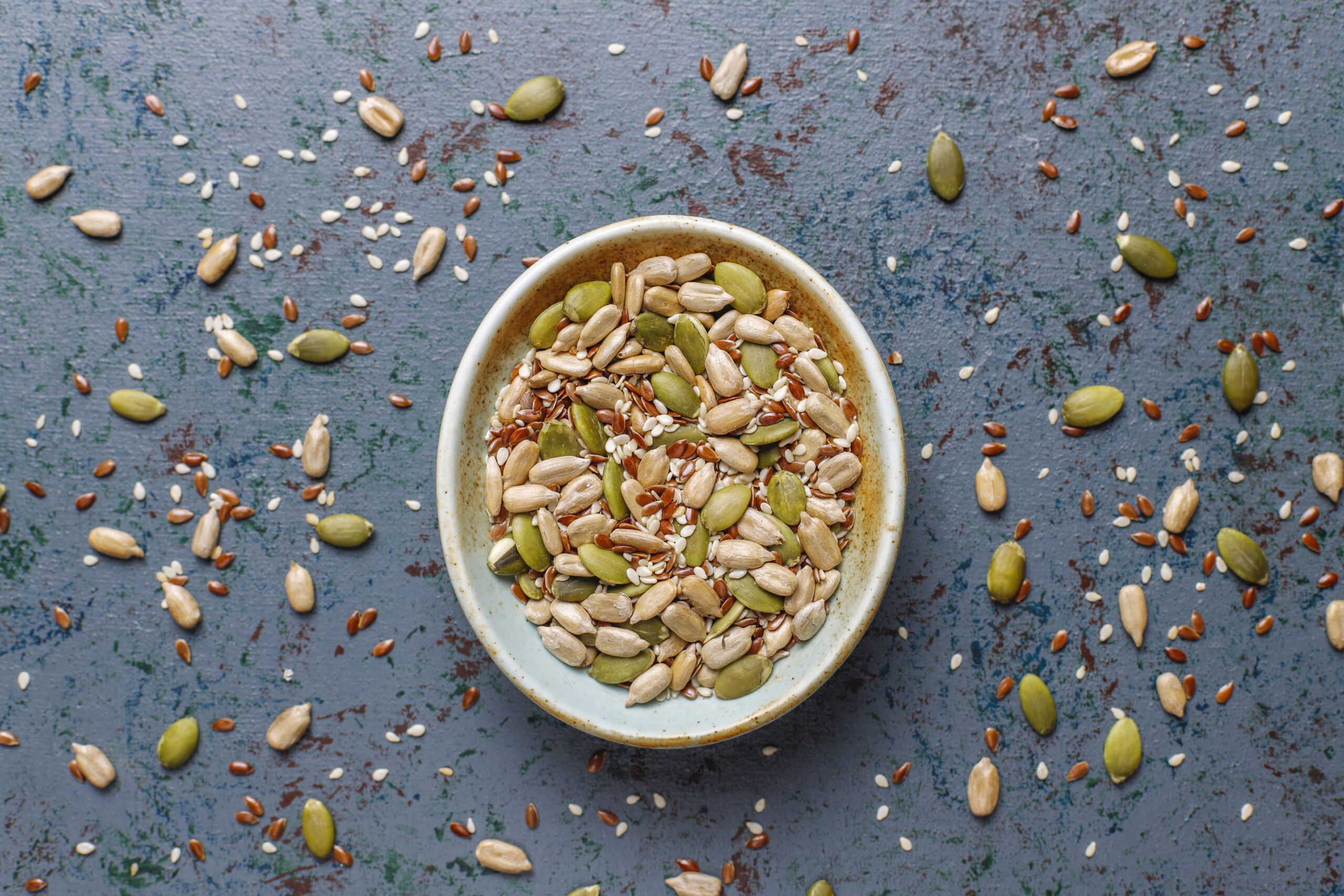
- Zinc-rich foods: pumpkin seeds, chickpeas, beans, eggs, cashews, seafood
- Omega-3 fats: oily fish, walnuts, chia seeds
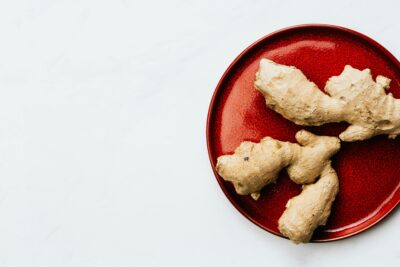
- Anti-inflammatory foods: turmeric, ginger, berries, green tea
- Probiotic foods (if tolerated): yoghurt, kefir, kimchi, sauerkraut
Why they work
“Low-GI foods prevent sharp rises in insulin, which can trigger oil glands,” says Dr Nora. “Zinc supports healing and inflammation control, while omega-3s soothe redness.”
She adds that probiotics support the gut-skin axis, which we now know plays a real role in breakouts.
Read more: Does Accutane cure acne? I tried the controversial medication
Wrinkles and fine lines: boost collagen from within
Ageing skin naturally loses collagen and elasticity, but the right nutrients can help slow and soften those changes.
Nadine explains: “The combination of collagen and amino acids strengthen the skin’s inner ‘scaffolding’ and helps reduce fine lines from the inside.”
Best foods for wrinkles and fine lines
- Vitamin C-rich foods: berries, citrus, kiwi, peppers
- Bone broth, tofu, eggs, poultry, fish
- Tomatoes (lycopene)
- Carrots, sweet potato (beta-carotene)
- Vitamin E foods: almonds, sunflower seeds, avocado
- Pomegranate, olives, green tea, dark chocolate
Why they work
Vitamin C is essential for collagen formation, while antioxidants protect existing collagen from UV-induced damage, Dr Nora explains. Meanwhile, vitamin E protects cell membranes.
Read more: Collagen recipes – Justin Tsang’s best dishes to make on repeat
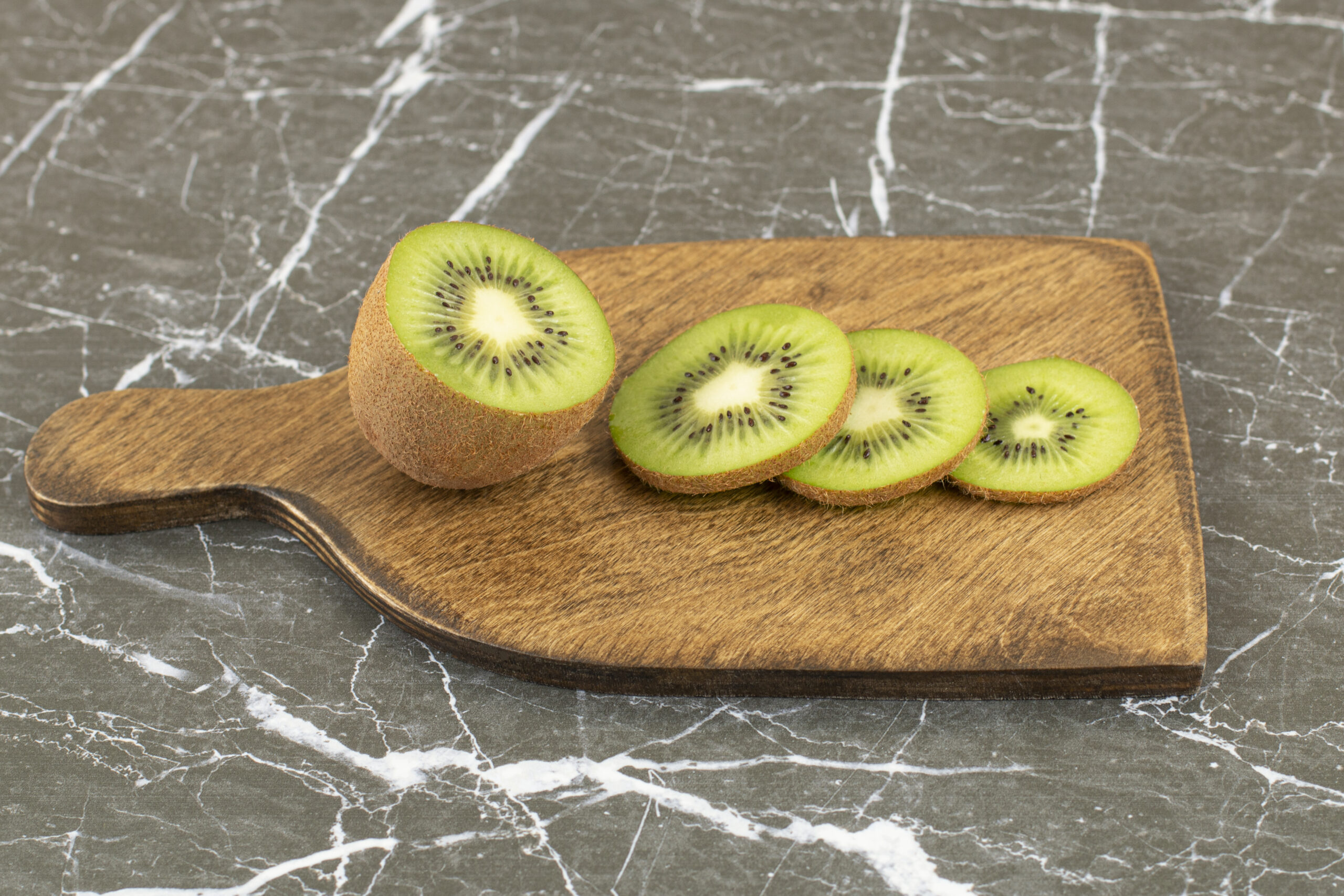
Dull, tired-looking skin: increase circulation and nutrient flow
If your complexion looks flat or sallow, it may be lacking micronutrients or healthy blood flow.
“Brightly coloured fruits and vegetables are rich in phytonutrients that restore luminosity,” Dr Nora says.
Nadine adds that hydration plays a huge role, too: “Often the combination of iron, B vitamins and hydration restores that ‘awake and alive’ look surprisingly quickly.”
Best foods for dull skin
- Iron sources: leafy greens, lentils, pumpkin seeds, lean meat
- B-vitamin foods: whole grains, eggs, nuts, seeds, greens
- Antioxidant-rich foods: berries, beetroot, pomegranate, mango, citrus
- Dark chocolate (70%+)
- Hydrating foods: cucumber, celery, lettuce; herbal teas
Why they work
Iron and B vitamins support energy production and healthy circulation, while antioxidants boost oxygen delivery to the skin.
Dr Nora adds: “Whole grains support steady energy levels, preventing that ‘fatigued skin’ look.”
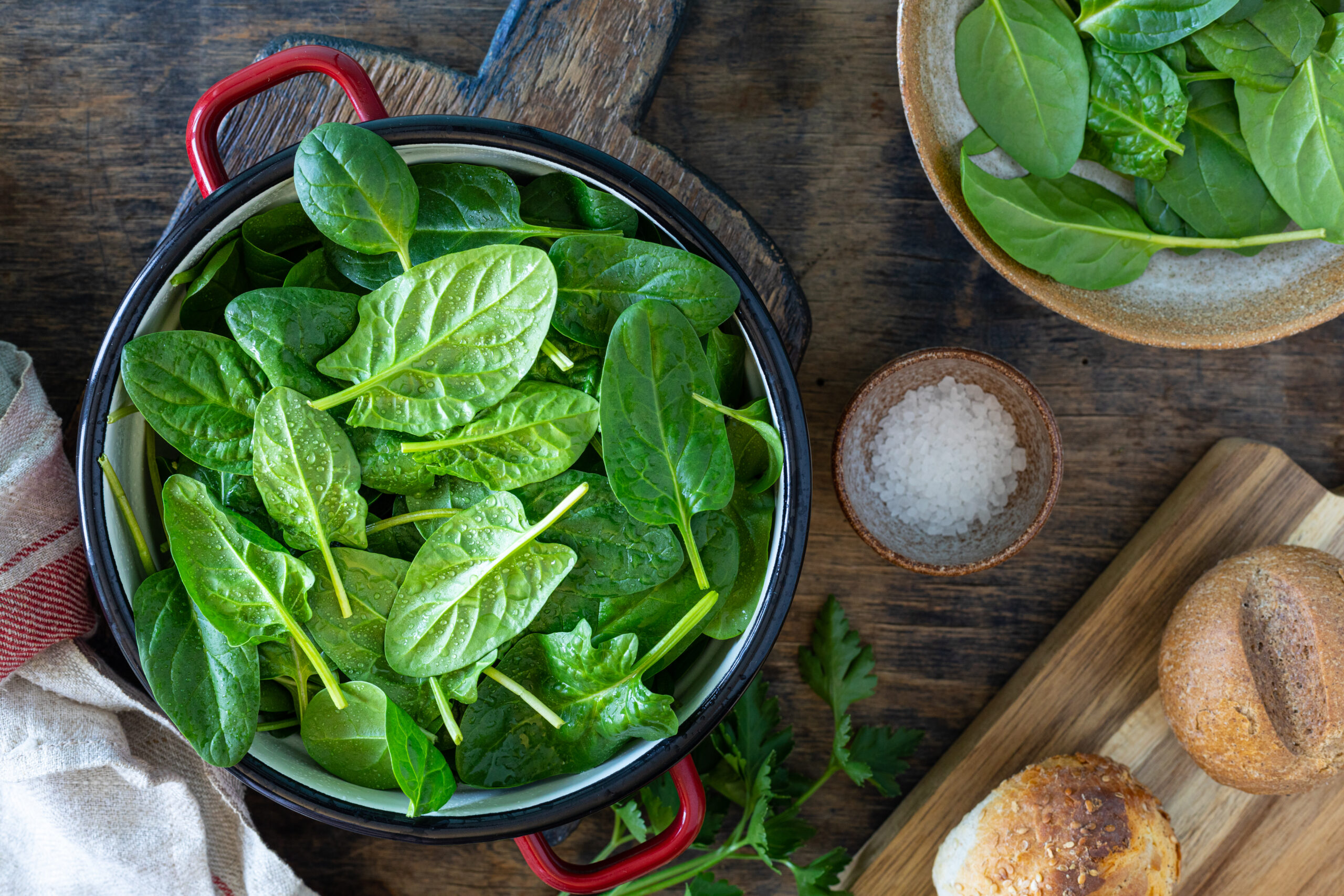
Skin barrier support: strengthen from the inside out
A resilient barrier is the secret to calm, comfortable, glowing skin.
“When the barrier is healthy, skin is less irritated, less red and holds onto moisture far more effectively,” says Dr Nora.
Nadine echoes this, noting that essential fats and prebiotics are key to supporting the barrier from within.
Best foods for barrier support
- Healthy fats: oily fish, chia, flax, walnuts, olive oil, avocado
- Vitamin E foods: almonds, hazelnuts, sunflower seeds
- Prebiotic fibres: oats, garlic, leeks, onions, asparagus, beans
- Fermented foods: yoghurt, kefir, kimchi, miso, kombucha
- Wholegrains: barley, rye
- Sweet potato
- Bone broth plus vitamin C sources
Why they work
Ceramides — the lipids that hold the barrier together — are built from essential fats. Prebiotics nourish the gut bacteria that regulate inflammation and sensitivity.
“Oats provide beta-glucan, which is soothing and barrier-reinforcing. While fermented foods reduce systemic inflammation through the gut–skin axis,” explains Dr Nora. “When the gut is balanced, the skin becomes less reactive.”
Feature image: Canva