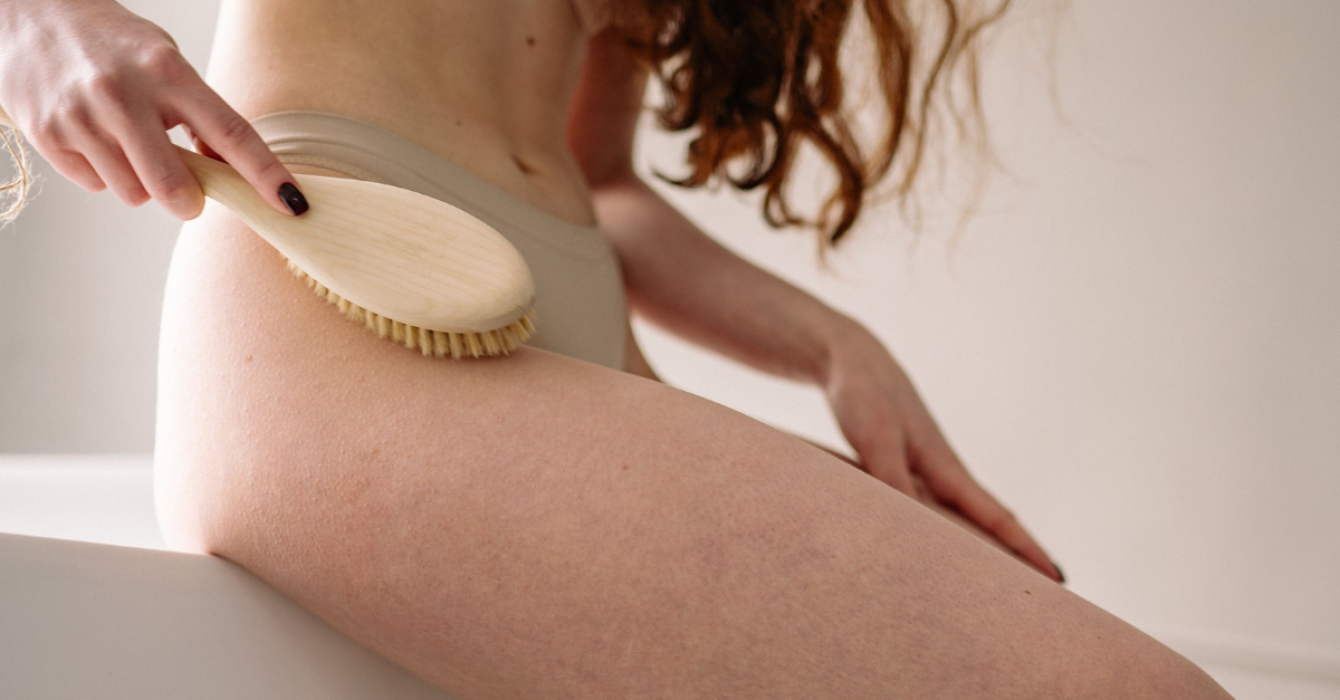
From boosting circulation to allegedly reducing cellulite, dry brushing is one of beauty’s most enduring rituals. But how do you actually do it? Two experts share their advice.
If you’re remotely into beauty or wellness, you’ve probably seen dry brushing all over your social media feed.
It’s an ancient practice, with roots in Ayurvedic medicine, that’s gaining momentum in the West.
With promises of smoother skin and decreased puffiness through lymphatic drainage, it’s no surprise more and more people are hopping on the trend, particularly as we head into the summer months.
But how do you do it properly, and what are the best brushes to use? L360 shares advice straight from the experts.
What are the benefits of dry brushing?
At its core, dry brushing is a form of exfoliation. You simply swipe a firm-bristled brush across your skin in long, slow strokes towards the heart to activate your lymphatic system.
According to Dr Anatalia Moore, NHS GP and aesthetic doctor, “Exfoliation is the main science-backed advantage to this wellness habit. It dislodges dead skin cells, revealing brighter and smoother skin.”
Dry brushing is also believed by many to increase circulation and lymphatic drainage, and even to reduce cellulite.
However, Dr Kristina Semkova, consultant dermatologist at the Cadogan Clinic points out “it does not permanently reduce cellulite despite common claims.” All hope for better looking skin isn’t lost though, as she explains the massage-like action can stimulate the lymphatic system, making skin appear firmer and more toned.
Should you dry brush before or after showering?
Always before. As Dr Kristina says, “The brushing process loosens dead skin cells and debris, which can then be washed away in the shower.”
She adds that the regular exfoliation of dry brushing can also improve the effectiveness of moisturisers, as it allows them to penetrate easier.
Shireen Forster, founder of hair removal clinic Laser Me Out, who offers dry brushing before any treatment, agrees: “After a shower, your skin can become softer and more sensitive, so brushing at that point could lead to irritation.”
If you must brush after, she recommends waiting at least an hour.
Read more: Experts unpack the myths behind collagen supplements
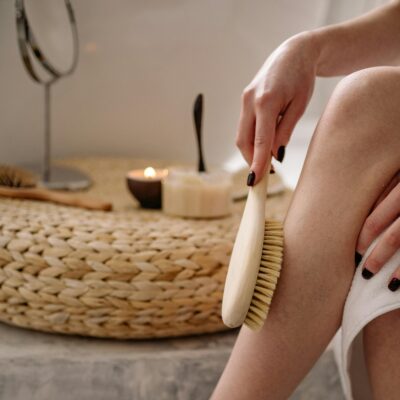
Should you dry brush in the morning or evening?
There’s no universal rule here — only what works for your lifestyle.
Dr Moore says the choice is personal: “You could argue the invigorating benefits lend themselves to morning, but it’s equally mindful and relaxing at night.”
However, Shireen is firmly on team morning: “It gives me that extra boost of confidence to start my day.”
Should you use any products during or after dry brushing?
Both experts agree that the skin should be clean, dry and free of product before brushing to avoid clogging pores or disrupting exfoliation.
Afterwards, though, is the perfect time to nourish your skin.
Dr Moore recommends applying a moisturiser with ingredients that support the skin barrier — think ceramides, niacinamide, hyaluronic acid, panthenol and fatty acids. These lock in moisture and help minimise irritation.
What dry brushes do you recommend?
Brush choice matters more than you think.
“The ideal bristle of choice is of natural plant-based origin, rather than synthetic,” says Dr Moore.
Softer bristles like jute or Tampico fibre are gentler, while firmer options like boar hair offer a deeper exfoliation — but may be too harsh for sensitive skin.
Shireen, however, stands by synthetic. Her brand’s brushes are “vegan, cruelty-free and made with synthetic polypropylene fibre to gently exfoliate without causing irritation”.
She also recommends looking for bamboo or beech wood handles, which are both sustainable and durable.
Are there any skin conditions where you should avoid dry brushing?
Not all skin types benefit from brushing and in some cases, it may do more harm than good.
Dr Kristina says “You should avoid dry brushing if you have eczema, psoriasis, rosacea, active dermatitis or any condition that causes inflammation or a compromised skin barrier. Brushing can increase irritation, redness and discomfort.”
Additionally, skin that’s been exposed to sun, has any open wounds, recent shaving or active ingredients like acids and retinoids may be too sensitive for brushing.
As Shireen notes, “If your skin is tender or peeling after sun exposure, it’s best to give it time to heal.”
And don’t forget the brush itself. “Brush bristles are an ideal breeding ground for bacteria,” says Dr Moore. Regular cleaning is essential, particularly if your skin barrier is compromised.
Rinse it gently, let it air-dry with the bristles facing up and avoid storing it in damp environments, such as your bathroom.
Read more: The best foods for oily, dry or wrinkly skin
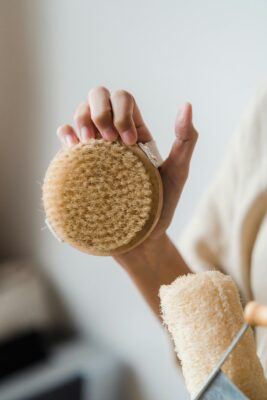
How do you dry brush? Step-by-step guide:
- Choose a natural-bristle brush with soft to medium firmness.
- Ensure your skin is completely dry before starting.
- Begin at your feet and use gentle, upward strokes towards the heart.
- Move up the legs using long, sweeping motions.
- Brush the hands and arms, working from the wrists towards the shoulders.
- Use lighter pressure on thinner or more sensitive areas such as the chest and neck.
- On the abdomen, use gentle circular movements in a clockwise direction.
- Avoid the face unless using a brush specifically designed for facial skin.
- Spend around 3–5 minutes on the entire body.
- Shower afterwards to rinse away loosened skin cells.
- Apply a moisturiser to hydrate and protect the skin.
- Clean your brush regularly to prevent the build-up of bacteria and dead skin.
L360’s top dry brush picks
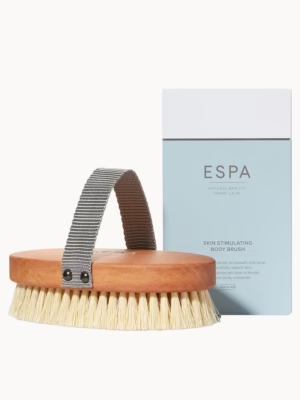
EPSA Skin Stimulating Body Brush
Made with soft bristles from Mexican cactus plants, it boosts blood flow and encourages cell renewal, helping your skin feel smoother and softer, and look more radiant.
Buy from Look Fantastic for £23
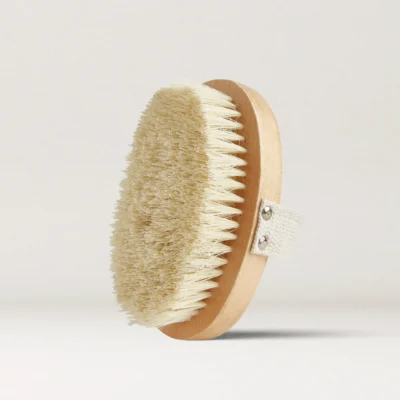
ARTAH Natural Body Brush
This brush has a moderate firmness, ideal for those dry brushing for the first time. Some light scratching while using this might be expected, but it certainly shouldn’t be painful.
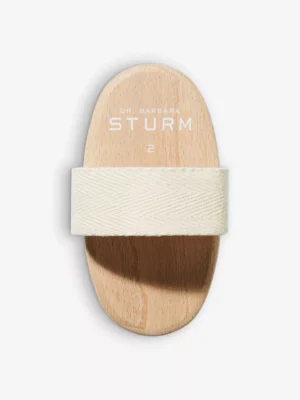
Barbara Sturm Medium Body Brush
The Barbara Sturm body brushes smartly come in two different versions: soft and medium, to be chosen according to what your skin can handle. Those with more sensitive skin, or who are new to dry brushing might find the soft bristled brush to be better suited.
Feature image: Pexels