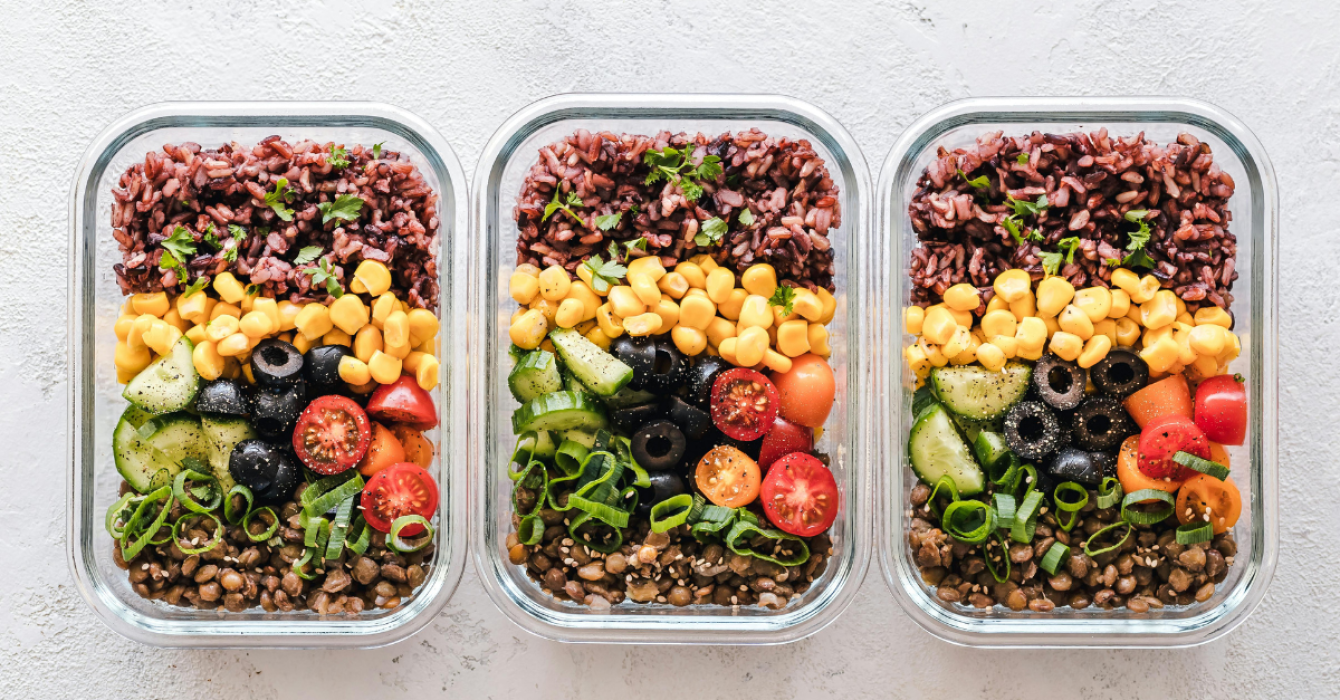
From digestive shake-ups to glowing skin and steadier energy, a month of plant-based eating can deliver surprising benefits — if you do it right. Here, nutrition experts explain exactly what happens inside your body throughout Veganuary.
Veganuary has become one of the biggest global wellbeing experiments — 25.8 million people around the world chose to try going vegan in January 2025, according to YouGov.
Whether your motivation is health, sustainability, ethical concerns or simple curiosity, going plant-based for a month offers an eye-opening glimpse into how dramatically your diet influences digestion, energy, mood, sleep and even metabolic health.
Below, nutrition specialists break down what really happens to your body when you undertake the Veganuary challenge week-by-week, the evidence-backed benefits and the red flags to watch out for to ensure you finish the month feeling better — not depleted.
Read more: How to stick to a plant-based diet in January and beyond
Week 1: the fibre surge and digestive adjustment
The biggest, and usually the fastest, shift happens in your gut. Kristy Thomas, registered nutritionist at Prowise Healthcare, explains: “Your digestive system is likely to experience the most immediate impact. Increased fibre intake […] may cause gas, bloating or more frequent bowel movements as your gut adjusts. You may also notice an initial boost in energy and some early weight loss, mostly from water.”
Dr Asiya Maula, GP, functional and lifestyle medicine doctor at The Health Suite, adds that the gut microbiome “begins to rebalance within days”, making bloating, softer stools and increased gas extremely common early on. More water, cooked legumes and a gradual fibre increase can help smooth the transition.
But there are pitfalls: Sarah Carolides, head of nutrition at Zooki, warns of “low protein if meals aren’t planned”, which may lead to early dips in mood or energy.
Read more: “I’ve been a vegetarian for six years — here’s how I hit my protein goals”
Week 2: gut settles, energy stabilises and cravings calm
Once your microbiome adjusts, things usually get smoother. Kristy notes that digestion “begins to regulate as beneficial gut bacteria flourish”, while Dr Maula explains: “By week two, the gut usually settles and satiety feels steadier; early cardio-metabolic changes may show as fasting glucose control improves and blood pressure nudges down.”
Many people also notice fewer sugar cravings and less bloating. Sarah adds that cholesterol may begin to fall in those who previously consumed high saturated fat diets.
But week two is also when nutrient deficiencies can creep in if planning is lacking. Sarah highlights: “Iron, zinc and B12 deficiencies may start to become noticeable if you don’t take any supplements or plan to replace them in other ways.”
Week 3: skin brightens, mood lifts and metabolic benefits begin
By week three, most people feel more at ease with the plant-based pattern, with Sarah noting: “Digestion and bowel movements are generally improved by this stage.”
This is also when visible benefits may emerge. Kristy explains: “Improvements in skin health may occur due to higher antioxidant intake.”
Metabolic improvements also progress. Dr Maula highlights: “Short trials begin to detect improvements in LDL cholesterol and insulin sensitivity.”
Energy levels typically feel more consistent, and workouts feel smoother — as long as protein intake is adequate.
Sarah cautions, however, that poorly planned diets may lead to “hair, nail or skin changes if protein intake is low.”
Read more: ‘I tested vegan recipe kits to see if they could deliver easy weeknight nutrition — here’s my honest review’

Week 4: adaptation, stability and sustained energy
By the end of the month, most people feel fully adapted to the higher fibre load and new eating pattern. Thomas says: “By the end of the month, your body usually adapts fully. Many people report sustained energy, improved mood and ongoing weight management when the diet is well-planned.”
Dr Maula adds that this is where benefits consolidate: “Trials show that modest reductions in LDL cholesterol and weight are detectable by four to eight weeks, while TMAO tends to fall when animal meat is replaced with plant proteins.”
Psychologically, many also feel proud, clearer-headed and more intentional around food choices — especially those who find motivation in the ethical or environmental aspects of going vegan.
Still, cravings or nutrient gaps may persist if meals aren’t balanced. Sarah notes that “the risk of nutrient deficiencies continues if your overall diet is poor” and that restrictive or unsatisfying meals can cause comfort-food cravings.
What to look out for when trying Veganuary
Despite the benefits, experts emphasise the importance of planning. Vitamin B12 — not found naturally in plants — is essential to supplement. Protein needs careful attention, ideally from varied sources like legumes, tofu, tempeh, edamame, nuts, seeds and grains.
Iron, calcium, zinc, iodine and omega-3s may require fortified foods or targeted supplementation. Sarah also notes that genetic factors may make some people less efficient at converting plant-based iron or vitamin A, meaning they may feel symptoms sooner.
Read more: Does going vegan or vegetarian mean risking nutritional deficiencies?

A major thing to watch out for is relying on ultra-processed vegan foods. As Sarah says: “Processed vegan foods can negate all the potential benefits and may lead to fatigue, bloating, sugar cravings or micronutrient gaps.”
Gradually increasing fibre, cooking legumes well, hydrating adequately and pairing iron-rich foods with vitamin C all help support a smoother transition.
Feature image: Pexels