As the Italian region finds itself under the world’s gaze once more, Evelyn Richards explores its slower, softer side — rooted in wellness, culture and the mountains.
When I asked Dominik Windisch what made South Tyrol so special, he fell quiet.
His eyes turned glassy, the corner of his mouth twitching into an unconscious smile as he reflected on a thousand memories. “The mountains,” he said finally. “You just have to see them. They’re so beautiful.”
Dominik, a three-time Winter Olympic medal-winning biathlete, was born and raised in Italy’s northernmost province. Here, German, Italian and Ladin cultures blur into something uniquely Alpine.
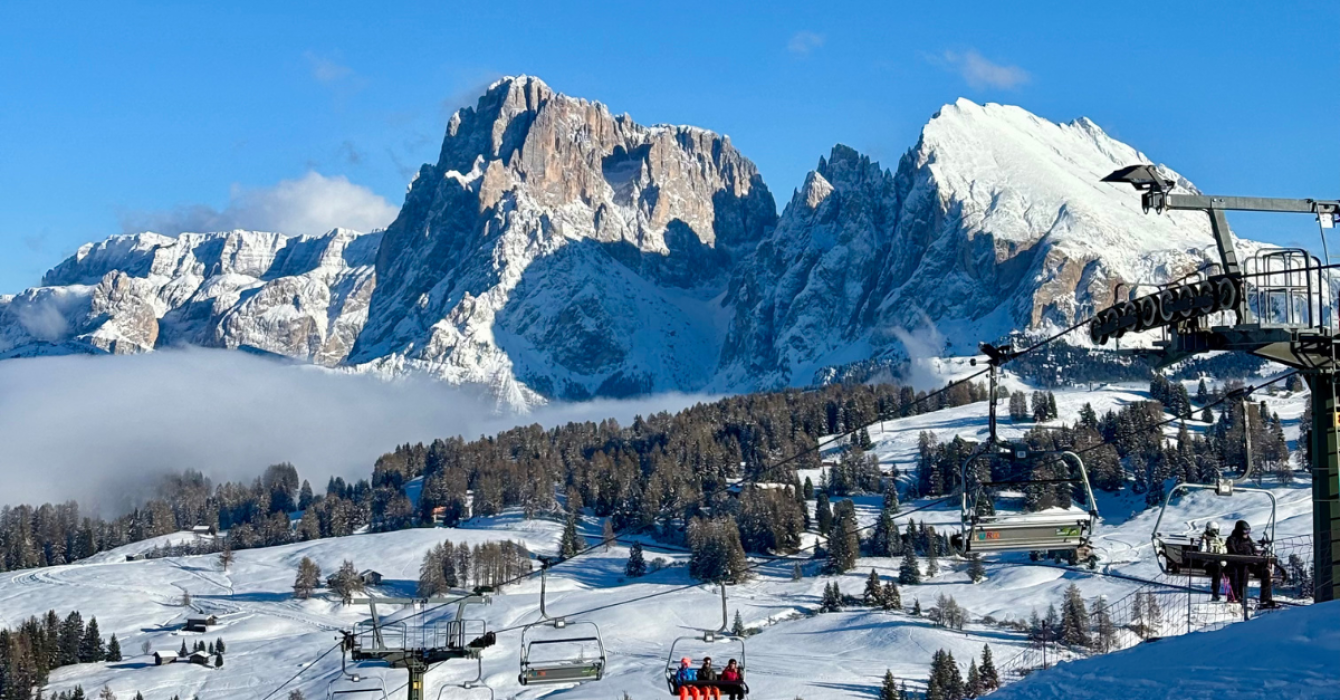
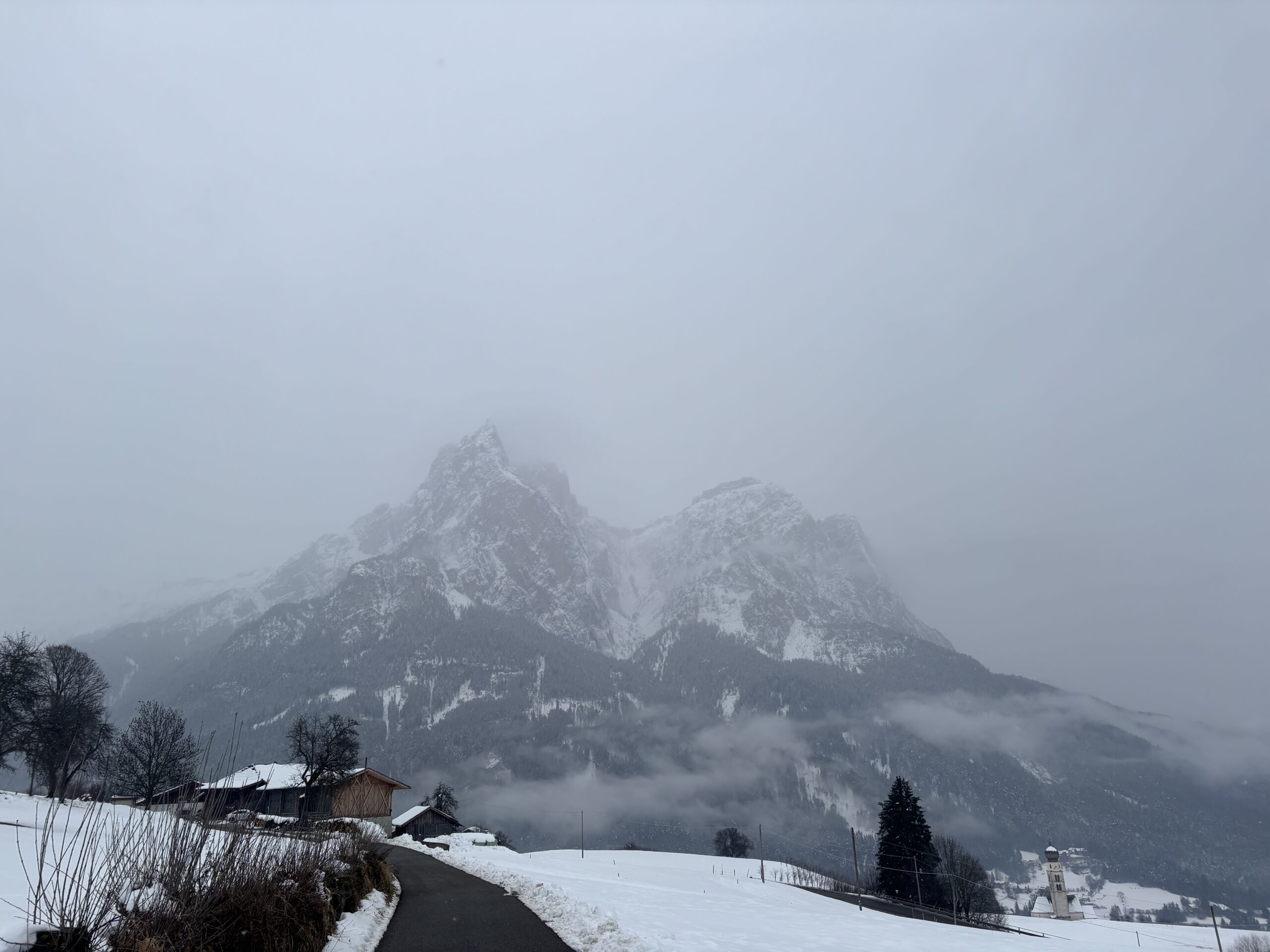
And he isn’t exaggerating, either. The Dolomites, a Unesco World Heritage Site, are by no means conventional mountains — they puncture the sky. As I look around, pale limestone serrated spires, forged by ancient reefs, thrust skywards by tectonic upheaval and carved sharp by millennia of erosion, rise around me.
This month, South Tyrol is one of the locations hosting the Milano-Cortina Winter Olympics, returning the Games to Italy for the first time in 20 years.
But is this a place worth experiencing after the Olympic flame goes out? Drawn here by the promise of slow mornings, steam-filled spas, hearty handmade food and hay-scented wellness rituals — go with me on this one — and desperate to escape the grey drizzly monotony of British winter, I ventured into the snowcapped mountains in search of la dolce vita.
Read more: How to eat like an Olympian, including how to stay full for longer
Read more: Why you need to visit this lesser-known region of northern Italy
What’s there to do in South Tyrol?
South Tyrol welcomes millions of visitors each year, and it’s easy to understand why. From a skiing perspective it offers everything from gentle, confidence-building slopes for families to steep, technical black runs such as those found in the notorious ‘Black Five’.
The region enjoys up to 300 days of sunshine a year (should I move here?) and 90% of its slopes are equipped with state-of-the-art snowmaking systems, ensuring consistently high-quality cover alongside natural snowfall. This was music to my ears as a nervous skier, who’s prone to lose control and who refuses to turn on an ice patch.
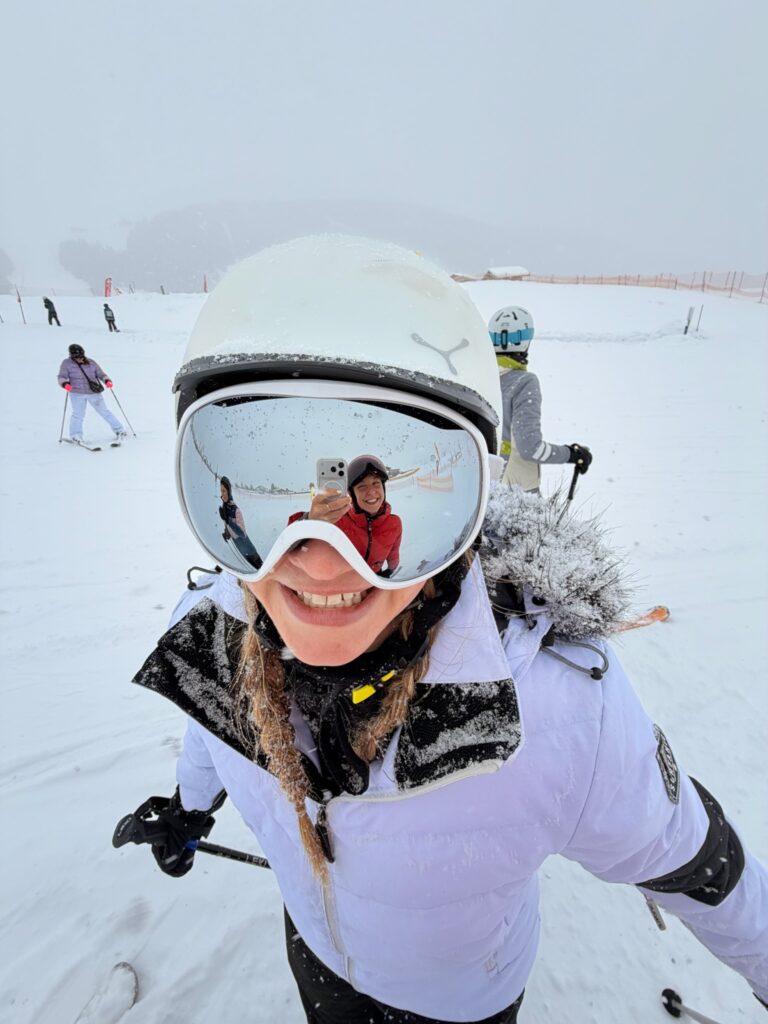
Gitschberg Jochtal ski resort is a standout, catering to everyone from leisurely skiers to confident shredders. Before this trip, I hadn’t put my skies on in over a decade, but the gradual slopes and beautiful woodland here made the feat feel slightly less intimidating.
For families, Seiser Alm Dolomites ski resort is hard to beat. Set on Europe’s largest high Alpine pasture, it offers 62km of sun-drenched, immaculately groomed pistes and more than 80km of cross-country trails.
As the world’s clumsiest person, my favourite feature is that the lifts are designed so that guests can slide down every run without ever removing their skis.
Read more: Five European ski resorts for the ultimate snowy escape
Rest and relaxation
South Tyrol embodies la dolce vita through its approach to relaxation and wellness, no matter your preferred path to switching off.
Tratterhof Mountain Sky Hotel Dolomites, perched high above the valley, offers two infinity pools that I gravitated towards first thing each morning. I swam as the sun rose over snowcapped peaks, watching as the towns below slowly woke up.
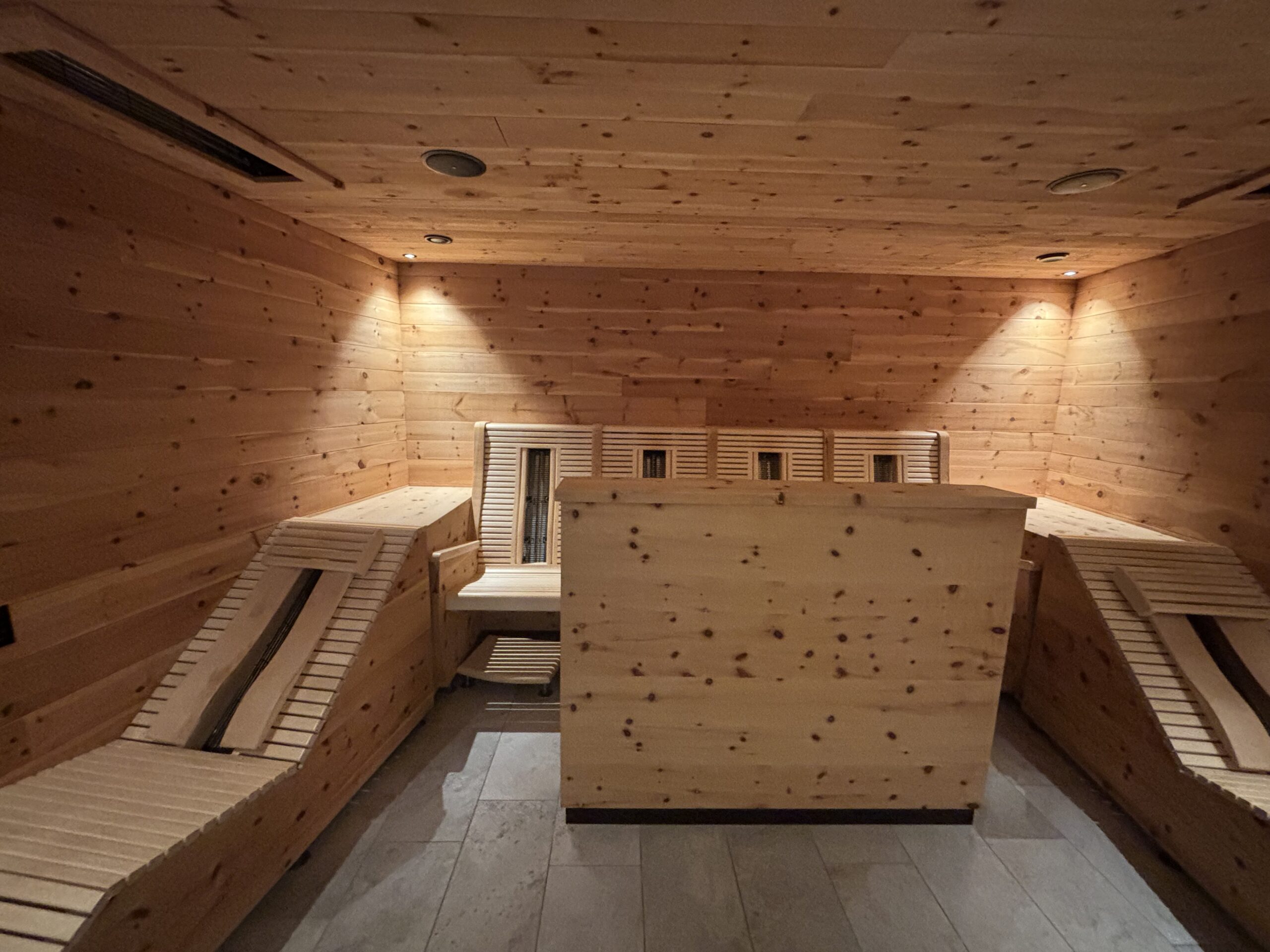
The hotel’s spa also includes eight saunas. The infrared sauna was my go-to and is said to be the preferred heat therapy technique of Winter Olympians. Instead of heating the air around you to stifling levels, infrared light penetrates the skin, aiding muscle recovery and relaxation — without sweating buckets.
Schgaguler Hotel, in Castelrotto, has a sundeck with uninterrupted views of the Sciliar mountain. From the whirlpool bath, I couldn’t help but be in awe of the sheer natural beauty surrounding me. A Finnish sauna, steam room, ice room for contrast therapy and Melmarium mud bath complete the indulgent experience. Unfortunately, my busy skiing schedule meant I didn’t have time to try the mud bath, but that gives me the perfect excuse to come back.
Read more: Where to go for a wellness break in 2026
Hay bathing
South Tyrol is the birthplace of hay bathing, a ritual I experienced at Hotel Heubad. According to hotel manager Elizabeth, the treatment dates to the 14th century, when farmers would bury themselves in freshly cut hay to ease the aches of manual labour. Today, it’s credited with relieving muscle tension, improving circulation, treating rheumatic conditions, boosting the immune system and calming the nervous system.
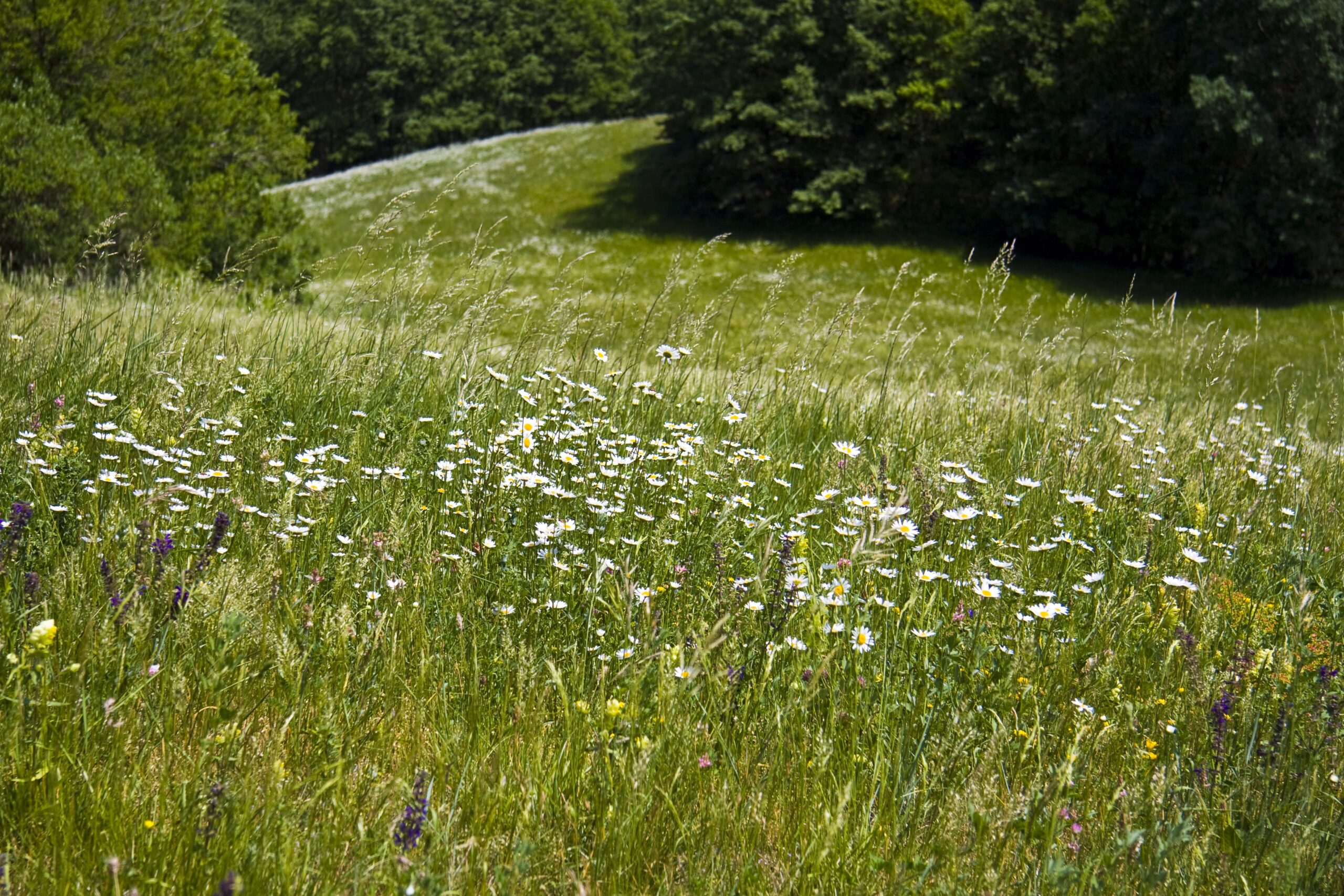
Grown at altitudes of at least 2,000 metres, the grass is dense with 120 types of aromatic, nutrient-rich and medicinal herbs — a kind of Alpine apothecary.
A fresh, green, intoxicating herbal smell drifted through the hotel, then intensified as I entered the spa. Once undressed, I lay down on a treatment bed layered with warm, damp hay, while the fermenting grass was piled over me. A plastic sheet sealed in the heat, hot water surged through the bed beneath me and a woollen blanket cocooned me entirely.
It was, quite possibly, the hottest I’ve ever felt. The hay is heated to somewhere between 40C and 70C, and the sensation is immediate and all-encompassing. Gradually, the aches from a long day of skiing began to dissolve and a strange, almost primal calm set in. It felt as though I was no longer in the room, but instead lying in an Alpine meadow, wildflowers brushing my skin, the sun beating down overhead.
After 20 minutes, I was gently guided into a cool, dimly lit resting room, wrapped once again in blankets and instructed to lie still for another 20 minutes while my body temperature returned to normal.
When I finally emerged, I floated rather than walked, light on my feet, head somewhere above the clouds. I can’t help but think it may well be the ‘next sauna’.
Read more: These are the best affordable saunas in London in 2026 — from just £9.50 per hour
Food for the soul
The region currently has 21 Michelin-starred restaurants, with a total of 25 Michelin stars in the 2026 guide, but some of its most satisfying meals are found far from white tablecloths.
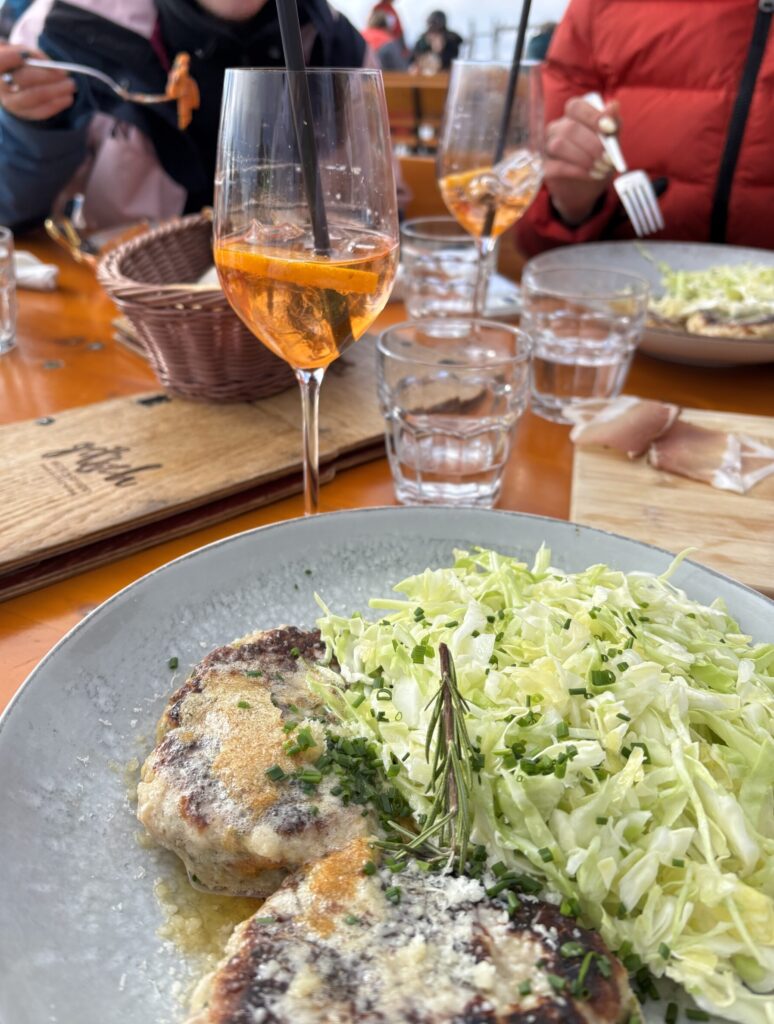
My personal favourite was Gitschhütte, a rustic stuben (cosy farmhouse) at the foot of the Gitschberg Jochtal ski resort. Traditional, hearty dishes are served overlooking the Alpine Hut Circuit, best enjoyed on the sprawling sun terrace. I watched as hungry skiers lingered over rich ragus and generously filled pulled pork burgers, neon Aperol Spritzes in hand.
Como Alpina Dolomites, found under the magnificent slopes of the Seiser Alm, is also a must-visit. Floor to ceiling glass provide panoramic views of the peaks in the Alpe di Siusi, enjoyed best with an expertly cooked pizza.
No visit is complete without sampling Tyrolean dumplings, known as knödel. These round, boiled dough balls arrive swimming in melted butter, accompanied by a side salad — you know, for balance.
Read more: ‘I tested £6 fresh pasta recipe kits — they’re cheaper and quicker than takeaways’
I can’t recommend South Tyrol enough. From the natural beauty to the wellness opportunities and culinary delights, it truly offers everything you need to rest and reset — not just your body, but your soul.
How to do it
SkyAlps operates direct flights from Gatwick to Bolzano on Saturdays, Sundays and Wednesdays during winter, with return flights starting at £273. The flight takes just over two hours and many of the region’s major ski resorts are within an hour’s drive of the airport.
Rooms at Tratterhof Mountain Sky Hotel Dolomites start at £126 per night. Rooms at Schgaguler Hotel start at £303 per night.
The Dolomiti Superski pass grants access to 12 ski resorts and 1,200km of slopes, with prices starting from around £67 per day.
For more information, visit the South Tyrol tourist board website.
Feature image: Evelyn Richards