This year, Ramadan began on 17 February. Here, we explain how Muslims around the world observe this period of fasting.
Ramadan — the annual religious event observed by Muslims around the world — is once again upon us.
Throughout Ramadan, Muslims practise a period of fasting from sunrise to sunset. The end of this month is celebrated with Eid-al-Fitr, during which time mosques hold special services, and Muslims often host family and friends for their first daytime meal in a month.
Read more: Is intermittent fasting good for women? Here’s how to do it safely
What day is Ramadan 2026?
The first day of Ramadan is determined by the sighting of the new moon, which means it doesn’t fall on the same day every year.
The nature of the moon sighting also means that the first day of Ramadan can fall on different days, depending on which country you’re in. Communities either rely on their own sighting or an announcement from their local mosque, or the Saudi Arabian announcement of the sighting of the moon.
Ramadan 2026 began on the evening of the 17 February in the UK. And the Saudi moon sighting has confirmed their first day of Ramadan will fall on Wednesday 18 February.
Read more: Easy recipes for high-protein breakfasts
What is the main rule for Ramadan?
There are several rules for Ramadan but one od the main ones is that those observing can’t consume food or drink until sunset and will begin fasting again each day at sunrise.
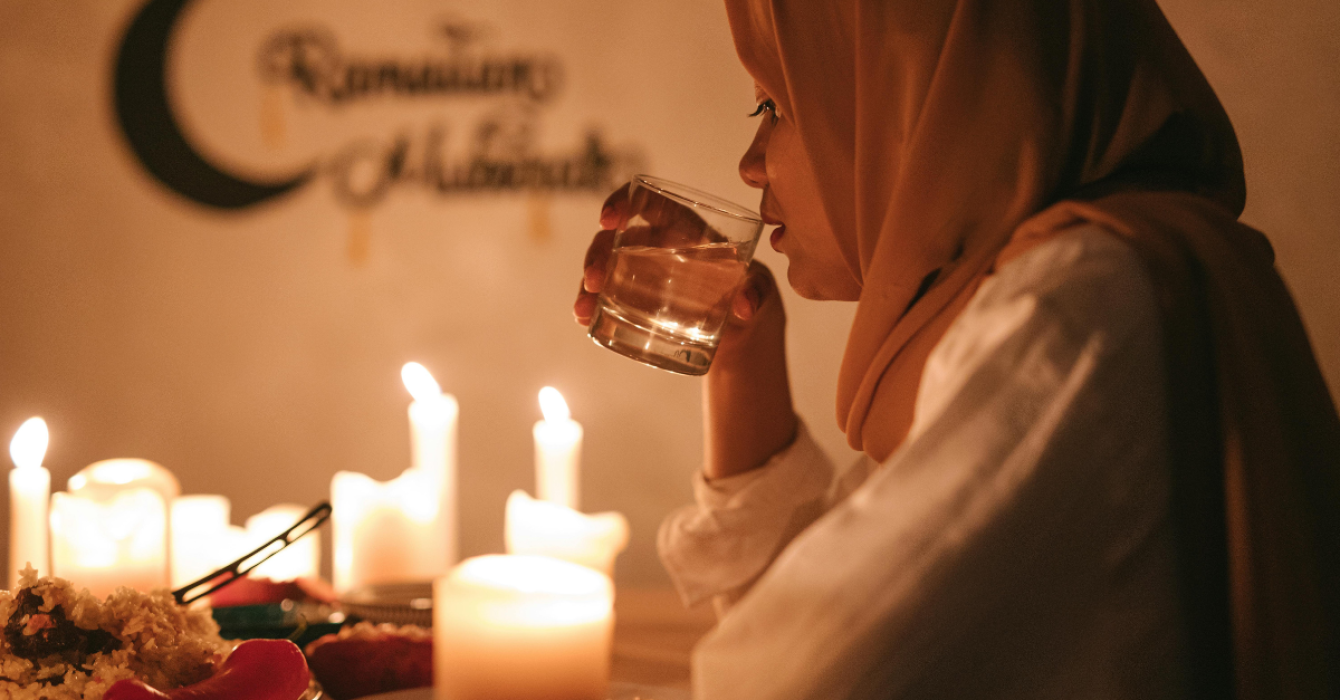
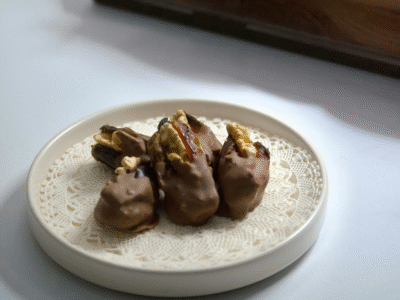
During Ramadan the meal eaten before dawn is known as suhoor, while the meal after sunset is called iftar. A fast is traditionally broken by eating a date and drinking some water, before eating a wholesome meal.
What’s the purpose of Ramadan?
The concept of slowing down and fasting during Ramadan allows Muslims around the world to spend time reflecting upon their religious practice. That said, some people are exempt.
Children, pregnant woman, elderly people, menstruating women and those who are unwell are exempt from fasting.
Read more: The benefits of drinking hot water
Is it OK to say happy Ramadan?
Whether taking part in the month or not, it can be a nice idea to acknowledge and greet those who are.
The most common greetings are ‘Ramadan Mubarak’ and ‘Ramadan Kareem’, meaning blessed or generous Ramadan in Arabic.
‘Happy Ramadan’ is not an insensitive greeting and can certainly be used as a gesture of support and acknowledgment from non-Muslims to those observing.
Feature image: Pexels