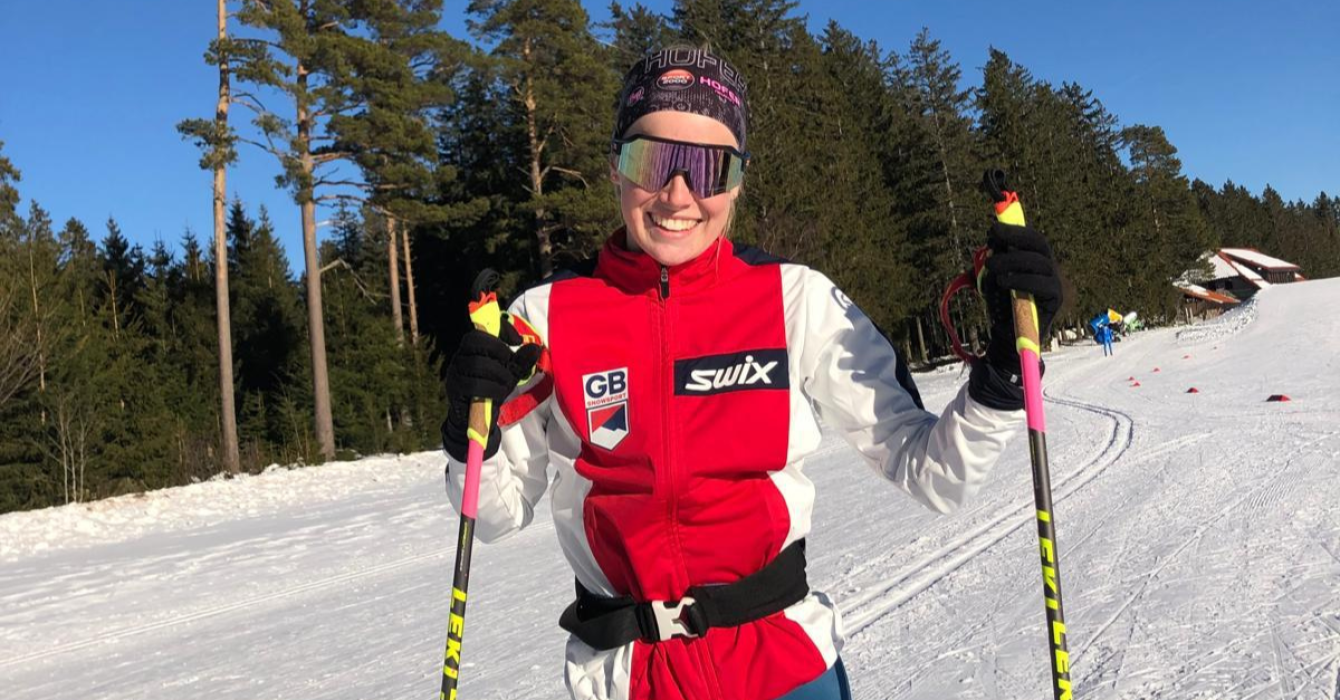
Living360 speaks to a former Team GB Winter Olympian about exclusion, inequality and the cost of being told your sport has no place at the world’s biggest stage.
When the Winter Olympics slipped out of Mani Cooper’s hands, she felt like the world had crashed around her.
“My dad got a call from someone at the International Olympic Committee (IOC),” she explains to Living360. “He sat me down and said that women’s Nordic combined had been cancelled.”
The news was a huge blow. Female athletes had been preparing to make their debut in the Nordic combined at the Milan-Cortina Games in 2026. Then, seemingly overnight, the event was removed. The justification, Mani says, was familiar: ‘not enough athletes, not enough nations, not enough spectators’.
For Mani, a 22-year-old Kettering-born athlete now based in Austria, the impact was immediate and devastating. “That was the end of my career,” she says, plainly. “I stopped at my peak.”
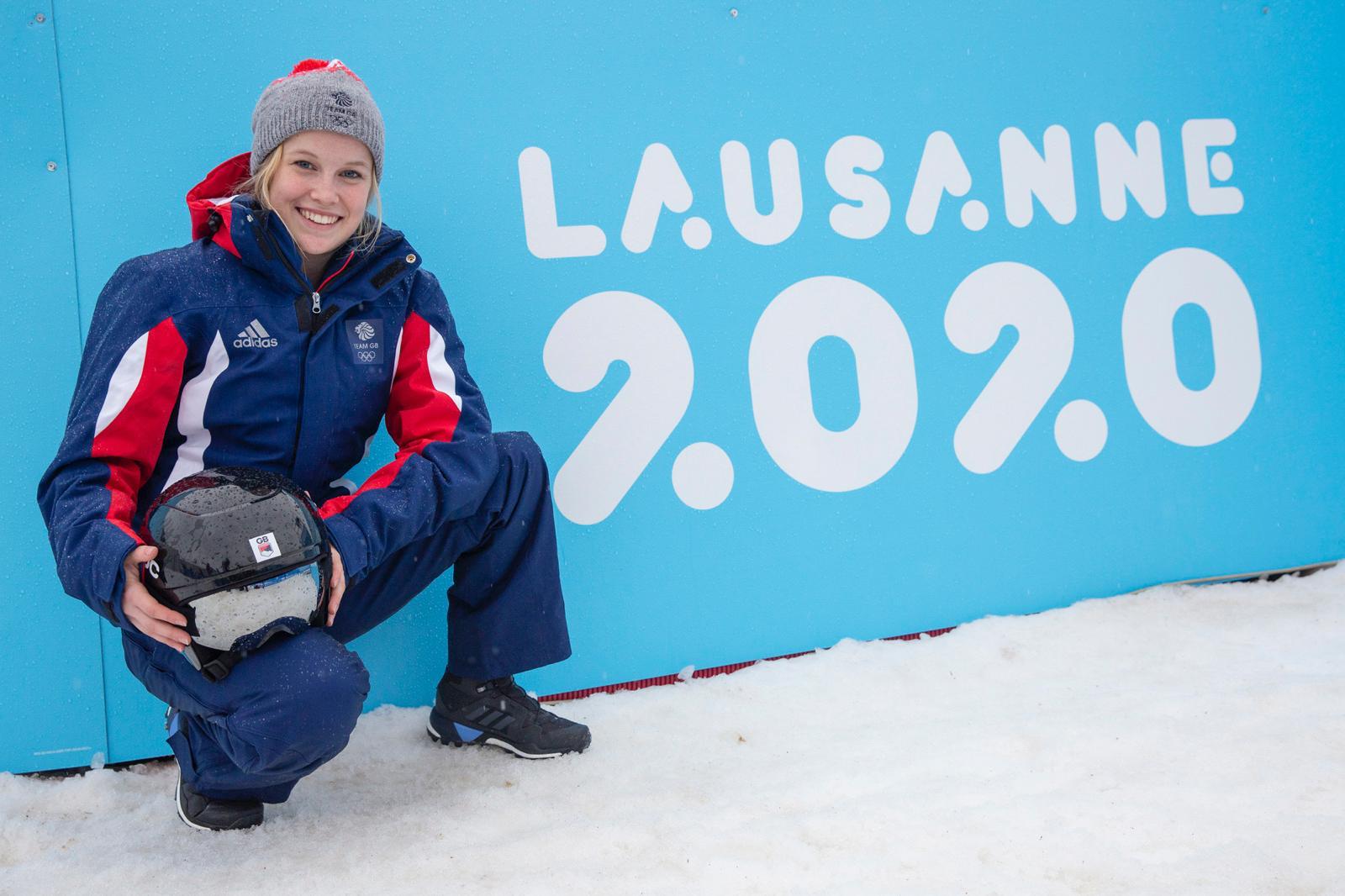
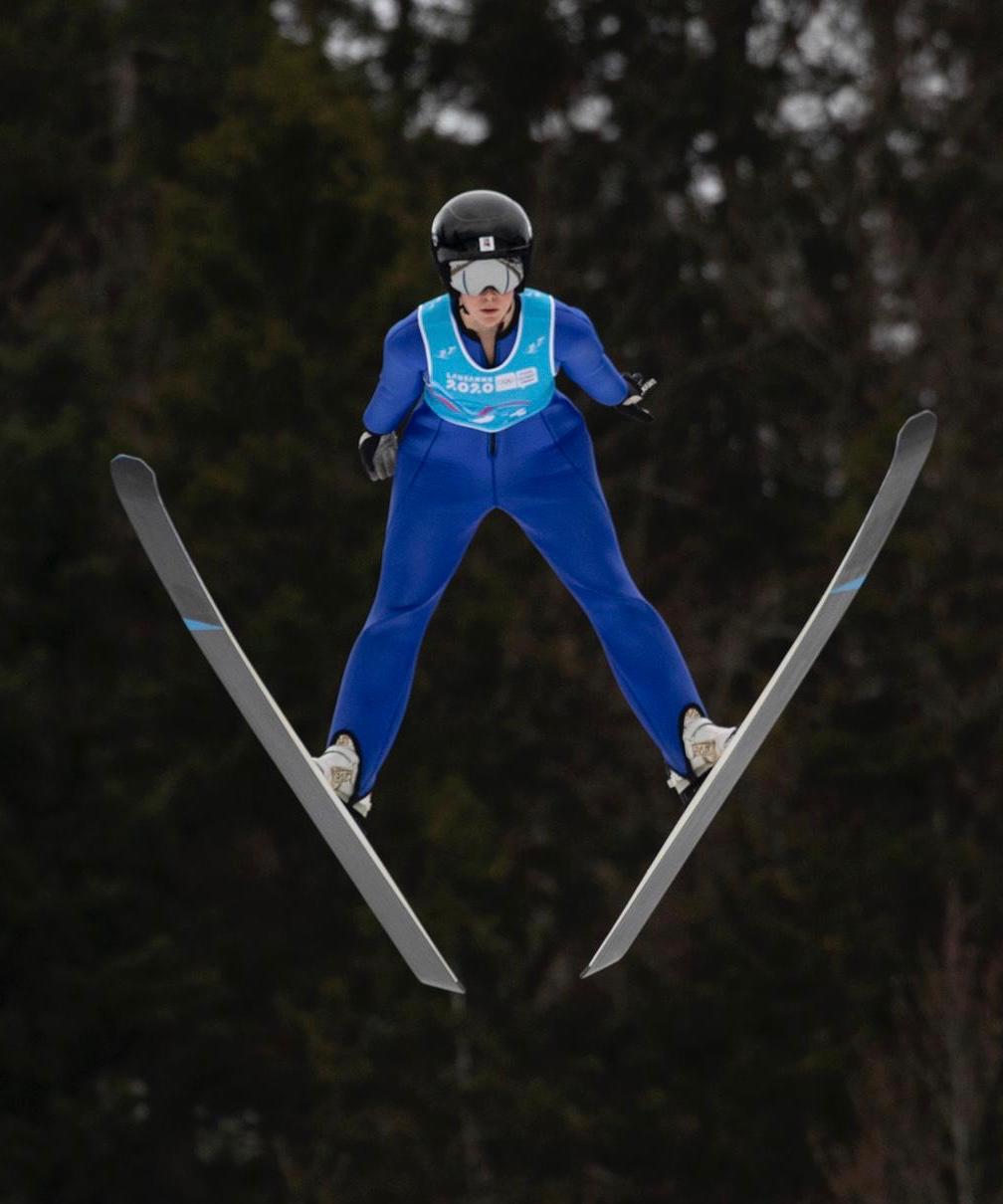
Just 19 at the time, Mani had made history a few years earlier at the 2020 Winter Youth Olympic Games in Lausanne, as Britain’s first female Olympic ski jumper. She remains the British women’s ski jumping record holder, having jumped 77 metres at the FIS Alpen Cup in Seefeld in 2019. Her trajectory was clear, until it wasn’t.
Read more: How to eat like an Olympian, including how to stay full for longer
What is Nordic combined and how did Mani Cooper get into it?
Nordic combined is exactly what it sounds like: ski jumping and cross-country skiing rolled into a single, punishing event. It has featured at every Winter Olympics since the very first Games in Chamonix in 1924.
Men have always competed; women have never been allowed to. It is, to this day, the only Winter Olympic sport without a female counterpart.
Mani’s journey into the sport began, fittingly, with the Four Hills Tournament — a then male-only ski jumping competition she grew up watching with her father. She laughs as she recalls her dad showing her videos of crashes and wipeouts, perhaps hoping to dissuade her. It didn’t work.
Her family later moved to Austria, where she joined the Tyrolean Ski Federation and began Nordic combined two years later.
Mani’s Olympic training
For Mani, progress was anything but instant. “You don’t just become an Olympian overnight,” she says. “You need to put in hard time. Every single day.”
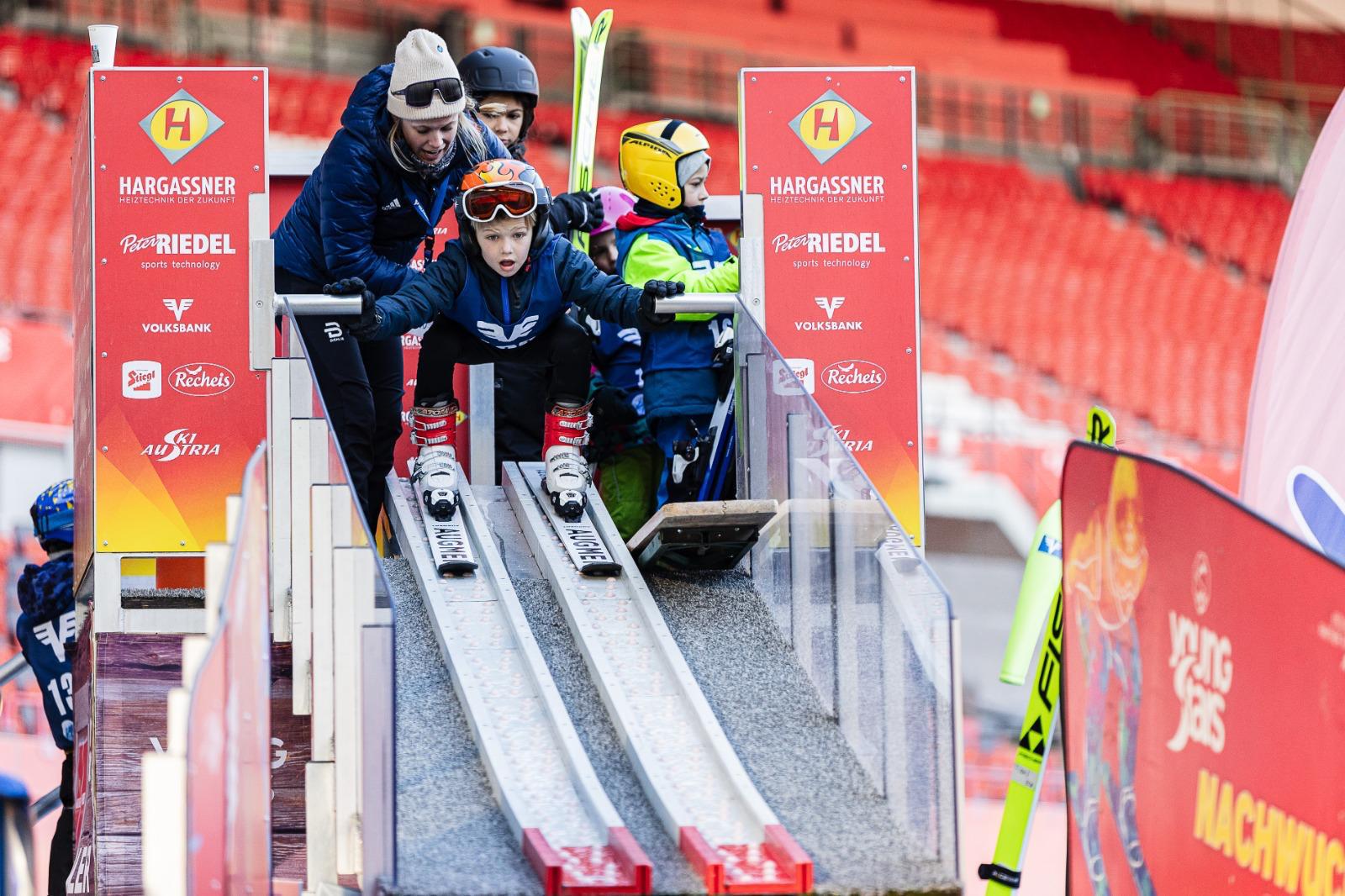
Training for Nordic combined is notoriously demanding, requiring mastery of two disciplines that could not be more different. Ski jumping demands explosive power, precision and fearlessness. Athletes launch themselves down ramps at speeds of up to 90km per hour, adjusting their bodies mid-air in fractions of a second.
Cross-country skiing, by contrast, is about endurance — grinding out races of 5km or 7.5km, often at altitude and under brutal conditions.
“It’s constant,” Mani says. “You could be away from home for up to two months at a time for training and competing.”
This is precisely why the decision to cancel the women’s Olympic event hit so hard. This wasn’t a hobby being taken away, it was a life.
Read more: Lizzie Deignan on the impact of periods on female cyclists
What’s the future of Nordic combined?
The irony is that Nordic combined now faces a broader existential threat. The IOC has warned that the sport could be removed from the Olympic programme entirely by 2030, citing limited participation and low television audiences.
Mani is quick to challenge the narrative.
The cumulative global viewership for the 2024-25 FIS Alpine Ski World Cup season reached 5.82 billion, with more than one billion tuning in live. Women’s Nordic combined alone saw a 25% increase in viewers.
Participation figures tell a similar story. Mani revealed that as of January 2025, there were 217 female Nordic combined athletes competing globally, registered across 22 nations. Forty-one athletes from 11 countries competed in the Women’s Nordic Combined World Cup in the 2024-25 season. Stable women’s circuits and national programmes exist in Germany, Norway, Austria, Japan and the United States.
“The sport isn’t dying,” Mani says. “It’s growing.”
Now a coach, she spends her time training and motivating the next generation — even as the sport’s Olympic future remains uncertain.
“Some of the teenagers I work with will be at their peak for the 2030 Games. The younger ones for the Games after that,” she says. “There’s no point dwelling on what might not happen. You have to train as if Nordic combined will be there.”
She poignantly adds: “They need to know there’s a future.”
Read more: What active women are missing — and how to fix it
Protests and the cost of exclusion
Athletes are no longer staying quiet. During the Nordic Combined World Cup in 2026, dozens of competitors staged a coordinated protest, holding their ski poles aloft in the finish area to form an ‘X’ — a silent but unmistakable symbol of exclusion.
The consequences of denying women Olympic status are far-reaching. Without it, public funding dries up. Sponsorship becomes harder to secure. Careers are shortened. And, perhaps most damagingly, a message is reinforced: that women are not strong or powerful enough to compete in a sport that demands extreme physical and mental resilience.
This, Mani notes, is particularly absurd given that women in Nordic combined perform jumps and cross-country races with technical standards comparable to those of men in other Olympic disciplines.
Annika Malacinski, a US Nordic combined athlete and close friend of Mani’s, has become a leading voice in the fight for inclusion, campaigning for women’s Nordic combined to be added to the 2030 Games in the French Alps.
But Mani is adamant that this cannot be a women-only battle.
“The men need to be involved,” she says. “Their future is at risk too. We’re stronger together.”
One practical solution, she suggests, would be to stage men’s and women’s races on the same day, at the same venues — increasing spectatorship both in person and on television.
The Olympics’ history of excluding women
The exclusion of women from Olympic sports is hardly new. Women were barred from track and field until 1928, and even then, the 800 metres was swiftly withdrawn over concerns about female fragility. The women’s marathon didn’t appear until 1984 — 88 years after the men’s.
At the Winter Olympics, progress has lagged even further. Ski jumping was off-limits to women as recently as the 2010 Vancouver Olympics, only debuting at Sochi four years later.
There are signs of movement. At Milan-Cortina, men and women will compete over equal distances in cross-country skiing for the first time in Olympic history, with both racing 50km events.
Yet Nordic combined remains conspicuously untouched.
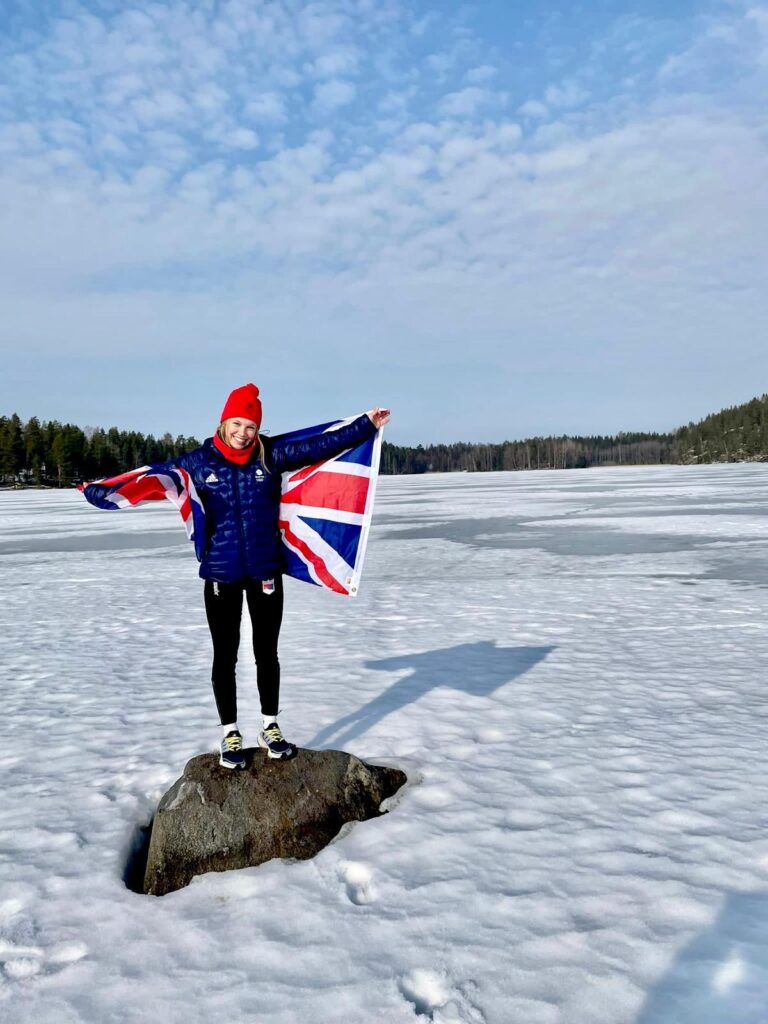
Feature image: Mani Cooper