From social media-famous smoothies to hydratable supplement powders, liquid fibre is having a moment. But is sipping your way to the recommended 30g a day actually good for your gut — or too good to be true?
Green juices walked so protein shakes could run, and now fibre is having a moment.
As gut health continues to dominate the wellness conversation, a new wave of drinks promising digestive benefits has flooded the market — from TikTok-famous chia waters to hydratable scoop-and-stir powders.
It makes sense: most of us aren’t getting anywhere near the recommended 30g of fibre a day, and drinking it feels easier.
But can a smoothie really do the same job as a plate full of plants?
Read more: Why fibre deserves more space on your plate
Which drinks contain fibre?
Many drinks deliver meaningful amounts of fibre.
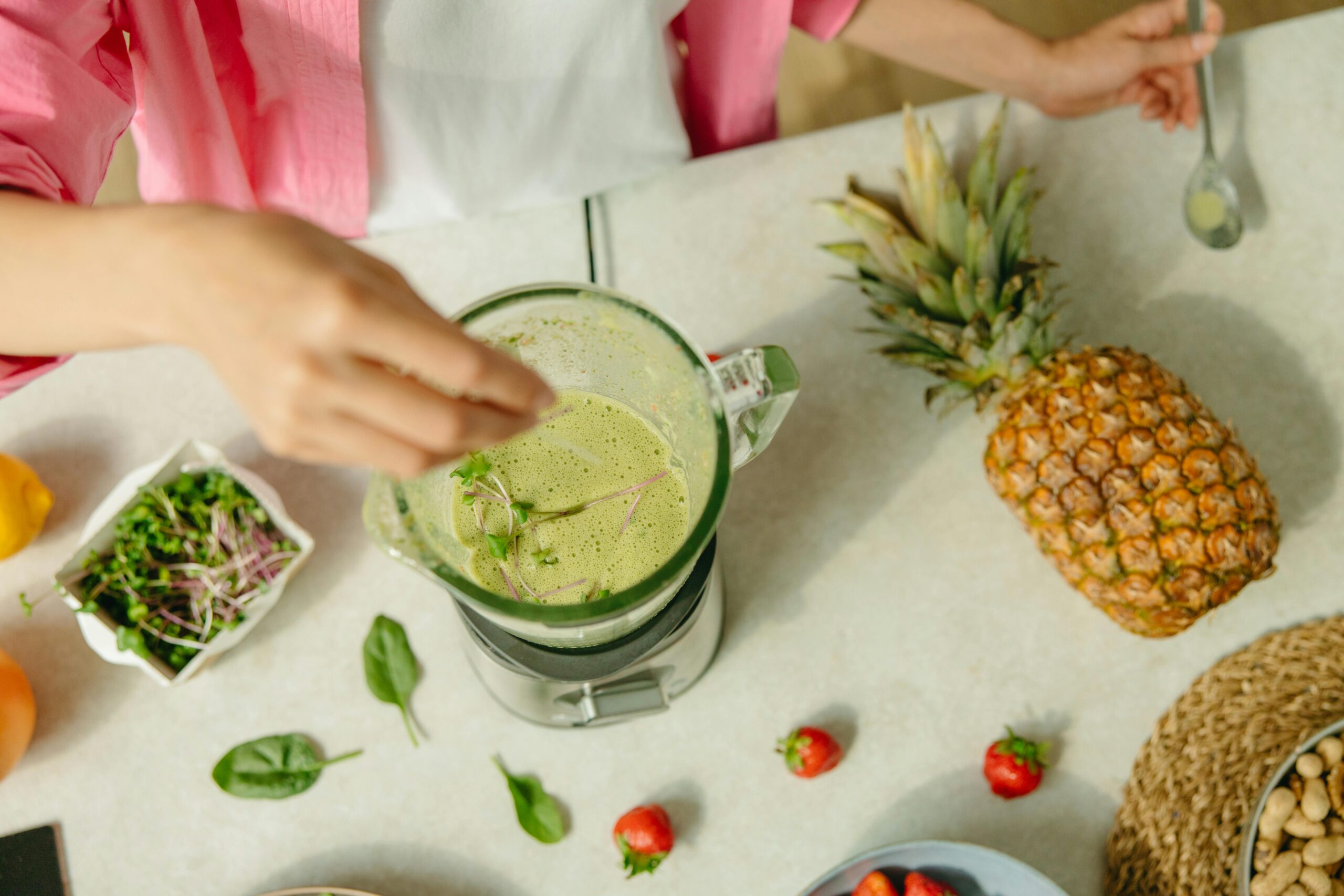
Smoothies are the obvious front-runner — but only when they’re made with whole ingredients. “A smoothie with banana, berries, spinach and chia seeds can easily hit eight to 10g of fibre per serving,” says Sarah Carolides, head of nutrition at health and wellness brand Zooki.
Other high-fibre options include:
- Chia drinks (like chia fresca)
- Flaxseed-infused blends
- Homemade oat-based drinks
- Cacao-based drinks, which offer around two grams of fibre per tablespoon
As Clemence Cleave, nutritionist at Pure Sports Medicine, points out, this has long been the case.
“There have always been high-fibre drinks […] think green smoothies or a good old lentil soup — these are packed with fibre.”
But newer functional drinks vary widely. “Some deliver a solid 10g per drink, while others provide closer to two grams,” Clemence warns.
Read more: Three fibre-filled recipes for ultimate weeknight nutrition
Drinking fibre vs eating fibre: is there a difference?
On paper, fibre is fibre. But in your body, it behaves differently depending on how you consume it.
“When you eat a whole apple, the fibre is locked into the cell walls,” says Sarah. “When you blend that same apple, the sugars are liberated and your gut processes it much faster.”
That shift matters as whole foods tend to keep you fuller for longer, while blended versions are digested more quickly.
It’s also important to draw a line between smoothies and juices. “Blending retains the whole fibre […] juicing removes most of it,” she explains.
From a bigger-picture perspective, diversity is key.
“These products tend to include specific isolated fibres […], which can be helpful, but their action is often quite specific,” says Clemence.
In contrast, whole foods contain a wide range of fibre types working together — something a single added fibre can’t replicate.
Read more: 7 wellness shot recipes for boosted energy, immunity and gut health
Why eating fibre is still the better option
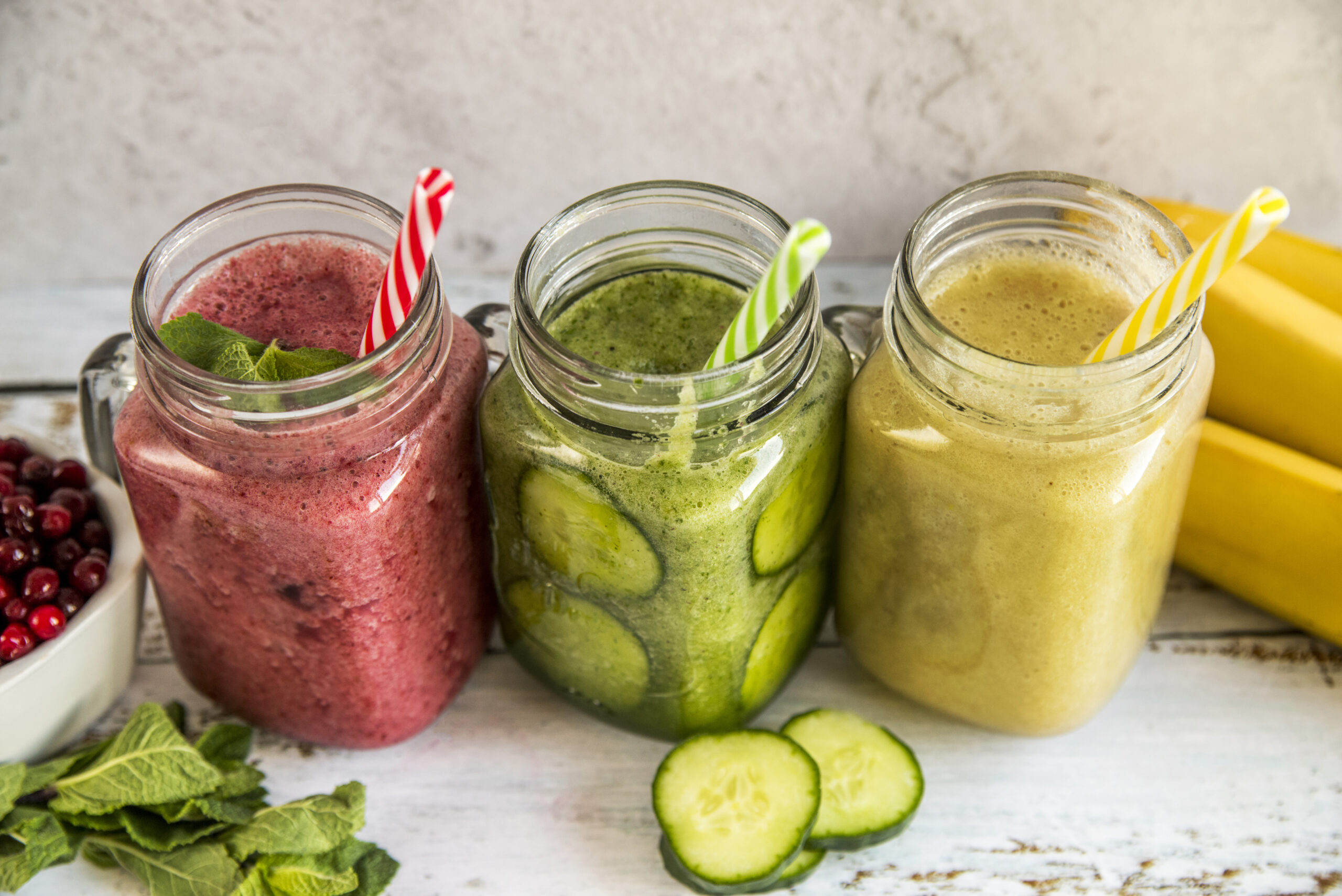
“High-fibre drinks can definitely help support gut health, but they’re not a replacement for eating a fibre-rich diet,” says Emily English, a BSc nutritionist and founder of gut supplement brand Epetōm.
That’s because fibre doesn’t work in isolation. “Vegetables, fruit, beans, lentils, nuts, seeds and whole grains […] give you plant diversity, vitamins, minerals and other compounds that help support the gut microbiome,” she explains.
And that diversity matters. “There are hundreds of different types of fibre, each with distinct functions in the gut,” adds Clemence.
The pros and cons of drinking fibre
That said, writing them off completely would be wrong. Used well, fibre drinks can be a genuinely helpful tool in many ways:
- They’re convenient. “If the choice is between a high-fibre smoothie and no fibre at all, the smoothie wins,” says Sarah
- They help bridge the gap. One drink can deliver a significant chunk of your daily target
- They can support specific needs. Clemence notes fibres like psyllium may help with constipation or certain gut conditions
- They’re useful for low appetite. Drinking fibre can be easier than eating large volumes of food
The downsides tend to show up when drinks replace — rather than support — whole foods. They include:
- A risk of overconsuming calories without realising
- A reliance on added fibres, that can limit diversity
- A risk of bloating or discomfort if large amounts are consumed, especially suddenly
“If you suddenly increase your fibre intake […] it can lead to bloating, gas or discomfort,” Emily explains.

Simple high-fibre drink recipes to make at home
Below, Sarah shares three easy high-fibre drinks to make at home. Each recipe makes one serving.
The Gut Reset Smoothie (approximately 12g fibre)
- 1 cup frozen raspberries
- 1 tbsp chia seeds
- Handful of spinach
- 1 tbsp ground flaxseed
- 250ml unsweetened oat or coconut milk
- Small piece of fresh ginger
Blend until smooth. Sarah adds: “Raspberries are one of the highest-fibre fruits available.”
Cacao and Avocado Power Shake (approximately 14g fibre)
- ½ ripe avocado
- 1 tbsp raw cacao powder
- 1 tbsp chia seeds
- 1 small frozen banana
- 250ml unsweetened almond milk
- Pinch of cinnamon
Blend until smooth. “Rich, creamy and tastes like a chocolate milkshake,” says Sarah.
Chia Fresca (approximately 10g fibre)
- 2 tbsp chia seeds
- 500ml water or coconut water
- Juice of 1 lime
- A few fresh mint leaves
- Optional: 1 tsp raw honey
Stir the chia seeds into the liquid and leave for 15-20 minutes, until they form a gel. Add the lime and mint.
Sarah says: “Simple, refreshing and an easy way to add fibre to your day without a blender.”
Feature image: Freepik