Excuse the pun, but travel plans feel somewhat up in the air this summer. For those of us keen to avoid cancellations, the waterways are calling.
So, what’s going on with flights right now?
A couple of weeks ago, the head of the International Energy Agency (IEA) said that Europe has roughly six weeks of jet fuel reserves.
As a result, several airlines are already looking at cutting down flight offerings.
Erika Josefsson, legal strategy at AirHelp, explains: “KLM has cut 160 flights scheduled for next month, and Lufthansa is shutting down its CityLine subsidiary early, grounding 27 older, less efficient aircraft to save fuel.” That said, not every airline will be affected in the same way.
She says airlines with high ‘fuel hedging’ are in a better position. This means they have pre-purchased their jet fuel at fixed prices. “European low-cost carriers like EasyJet and Ryanair have locked in much of their fuel at lower rates and are maintaining normal schedules for now.”
Read more: Experts share tips on saving while booking travel
Will insurance cover your flights?
Many people are being optimistic about the flight situation and continuing to book trips this summer.
But the golden question is will insurance cover the jet fuel crisis? Luckily, we’re already somewhat covered in the UK.
Chris Payne, compliance expert at Total Travel Protection explains: “We have laws that protect travellers in these situations. This applies to flights departing from a UK airport on any airline, arriving at an airport in the UK on an EU or UK airline, also arriving at an airport in the EU on a UK airline.”
As for travel insurance, it’s important to check the terms of your individual insurance policy. Erika explains: “A fuel supply failure may not be a recognised covered reason, and since the current shortage stems from Middle East geopolitical instability, war and civil unrest, exclusions will apply for many policies.”
Read more: Our editor went on her first hike – here’s what went wrong

What are the alternatives to flying this summer?
“The cruise market is in good shape,” says Dave Mills, CCO at Iglu. “Cruise lines can move ships out of affected areas and change itineraries relatively quickly to meet future customers’ needs.”
While the immediate future of international travel looks uncertain, destinations reachable by water are likely to be better options.
Unsurprisingly, Dave adds that they’ve seen a surge in interest and bookings for cruises in Northern Europe, the Arctic, Canada, New England and the British Isles.
Cruises from the UK also negate the need to fly at all with direct cruises to the Mediterranean and the Caribbean.
Read more: The top trending travel destinations for 2026

3 ferry and cruise trips from the UK
Portsmouth to Bilbao ferry
If you’re serious about going on an international trip, sans airplane, this popular route could be ideal. The 33-hour journey runs twice weekly and you can travel with a car or by foot on the ferry.
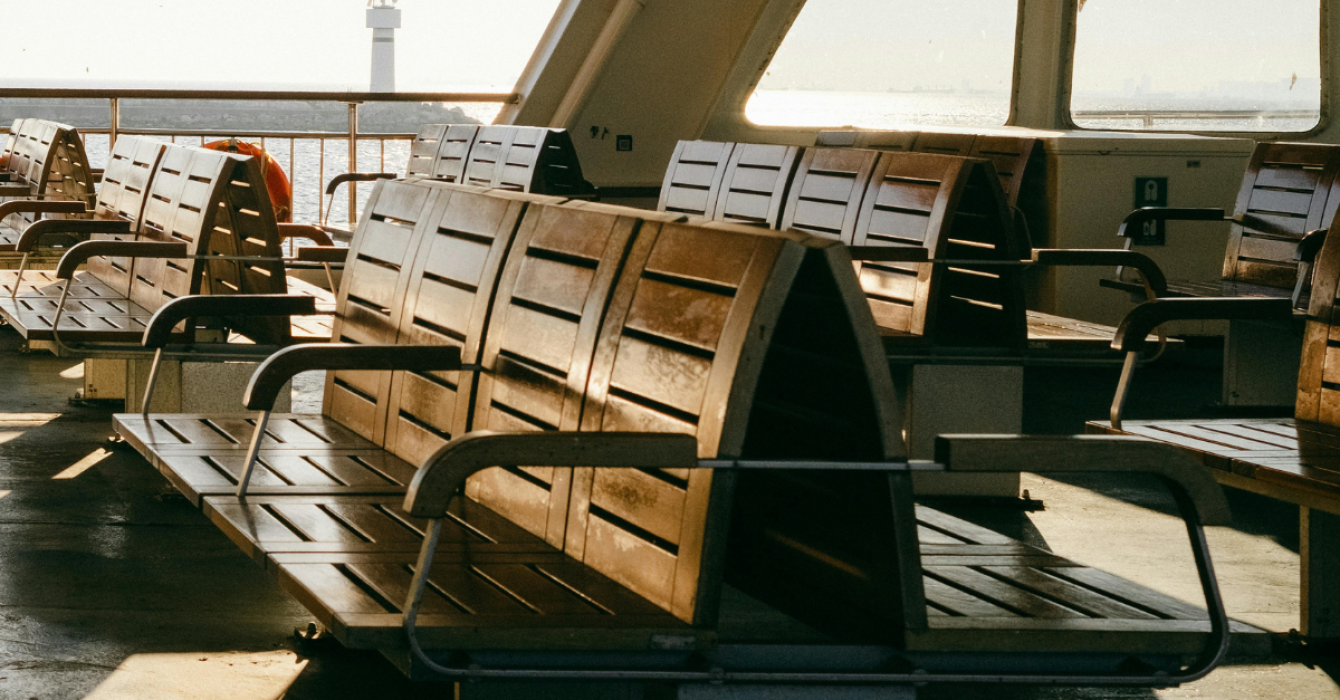
The ferry itself is somewhat like a mini cruise. Multiple restaurants and bars, a children’s play area and, of course, comfy cabins to relax in during the two-night journey.
Southampton to Norwegian Fjords cruise
Southampton is of the UK’s top cruise ports and often where larger, international cruises depart from. A standout option for families is the half-term Norwegian Fjords cruise from P&O Cruises.
This seven-night cruise is just one day at sea before spending a following six days exploring different coastal towns in Norway.
Southampton to Barbados cruise
The downside to faraway cruises is that it’ll often require you to fly out to your destination or fly back from your trip, to maximise your cruising time. That said, the cost of that flight is often included in the cost of your cruise package.
This trip with P&O is a 15-night Caribbean transatlantic cruise. It’ll stopover in Tenerife on the way, before heading to St Maarten, Dominica, St Lucia and Barbados.
Feature image: Pexels