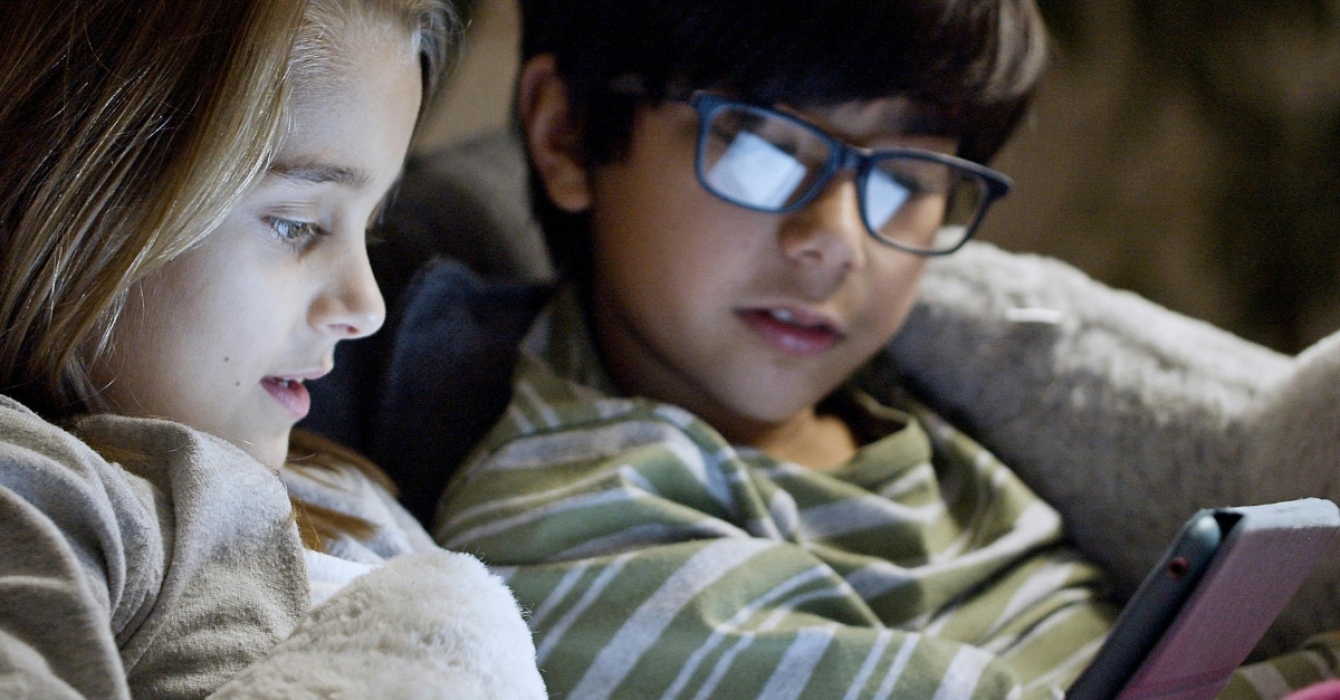
Screen time is arguably the parenting challenge of a generation, but there are simple strategies that can help harness a greater sense of autonomy over their digital routines.
Between tablets in the classroom, after school Minecraft sessions and endless rewatches of K-Pop Demon Hunters, children are spending more time in front of screens than ever before. Research suggests that 98% of two-year-olds in the UK now use screens daily, and by the age of 12, almost all children own a mobile phone.
For parents, supporting a child’s mental wellbeing means gently encouraging their interests, being available to listen and support them with regular routines — but helping them set healthy boundaries with screens can be a lot more tricky.
Read more: How to prevent headaches and eye strain from screen time

How much is too much?
From diminished focus and poorer self-confidence to rumbling anxiety and disrupted sleep, research has linked excessive screen time in young adults to several negative effects. But when it comes to children’s development, the evidence is far less clear-cut.
Some researchers have observed that children exposed to more than 2.5 hours of daily screen time in early childhood are more likely to experience difficulties with peer relationships by age eight, while others suggest that intentional screen time can actually have the opposite effect, helping kids to forge stronger social connections.
Currently The World Health Organization (WHO) recommends children under two should get no screen time at all, and for those aged two to four, a maximum of one hour. But an increasing number of experts are beginning to believe that it’s not necessarily the amount of time kids spend on screens, but the kind of screen time that really matters. “Passive exposure to low-quality television is very different from active screen time, which involves engaging with high-quality, educational content,” says Dr Marc Tibber, lecturer in clinical psychology at UCL. “Especially when it’s watched alongside a parent or caregiver, and involves lots of healthy discussion, reflection and interaction.”#
Read more: The best sleep apps for tracking sleep

Striking the sweet spot
Rather than a draconian outright ban, experts say a better balance lies in learning to swap hours of passive doomscrolling for shorter, more active sessions. “That often means sitting and taking an interest in what a child is doing on their device, whether that’s gaming together or doing homework,” says Dr Marc.
That doesn’t mean rules and boundaries should take a total backseat. Simple limits, such as no screens in the evening or devices away at the dinner table, can keep so-called ‘brain rot’ consumption at bay. “Children need a varied diet with lots of different types of foods, and they need a variety of stimulation in the same way,” Dr Marc notes. “Screens can form a healthy part of the mix, but it’s important to ask whether they outweigh other activities, like outdoor play or learning.”
The key, experts agree, is to replace rather than simply restrict. “Screens usually meet a need, whether that’s stimulation, comfort or connection — so parents have to think carefully about what alternative activities can plug the gap,” explains AI ethics strategist Lena Chauhan, host of parenting podcast ‘Hardwired: The Human Algorithm’.
Parents are also their children’s biggest influence, so if you’re setting screen limits for the whole household, setting some divorce rules with your inbox feels like a fair deal. “If you’re banning screens before bed but you’re constantly scrolling on your phone at home, it can send a confusing message,” Tibber reminds.
Finally, wider conversations on anxiety and the importance of rest can help growing children to recognise when screen use is tipping them towards burnout. In this way, Chauhan says that a healthy long-term relationship with technology isn’t ‘screen-free’ per say, but ‘screen-wise’. “It’s children who understand that attention is valuable, can notice when technology is dysregulating them, and know when and how to step away.”
Feature image: Pexels