As AI-generated diet plans surge in popularity, experts warn that ‘personalised’ meal plans may be missing crucial context — and cutting calories too far.
Since launching in 2022, ChatGPT and similar AI models have been used for everything from generating hilarious images and eerily realistic videos to therapy. It’s perhaps no surprise, then, that many people are now turning to chatbots to help with weight loss.
The process is simple — input your height, age, weight and goal, and within seconds you’re given a tailored meal plan to follow. It’s easy, free and feels personalised to you.
But new research suggests those plans may not always be as accurate or safe as they appear.
Read more: Why am I not losing weight? 6 common mistakes you could be making

What did the AI and weight-loss study find?
Researchers from Istanbul Atlas University have found that AI-generated meal plans for teenagers provided diets with, on average, nearly 700 fewer calories than those created by dietitians. That’s the equivalent of an extra meal being missed per day.
Dr Ayşe Betül Bilen, the study’s author, said the findings highlight a consistent issue. “We show that diet plans generated by AI models tend to substantially underestimate total energy and key nutrient intake when compared to guideline-based plans prepared by a dietitian,” she said. “Following such unbalanced or overly restrictive meal plans during the teenage years may negatively affect growth, metabolic health and eating behaviours.”
While the research focused on adolescents, it raises wider questions about how well AI can assess individual nutritional needs more broadly.
Read more: ‘Do AI-generated fitness plans work? I put one to the test’

Why AI struggles to create quality personalised diets
For many, the appeal of chatbot diet plans lies in their speed and simplicity. But according to clinicians, that simplicity can also be their biggest limitation.
Dhara Patel, a physician associate at Kuon Healthcare, says many patients are drawn to AI tools because they’re free and instantly available, but they often overlook important medical context.
“Chatbots can’t describe the nuances of underlying causes such as thyroid problems, polycystic ovary syndrome (PCOS) or medications that alter metabolism,” she explains. “These factors influence a significant proportion of weight-loss consultations.”
Without that deeper understanding, plans may become overly restrictive or unrealistic, sometimes leading to nutrient deficiencies or cycles of yo-yo dieting.
Read more: Clever way to calculate how many steps a day you need to lose weight
Why focusing on calories alone is an issue
Even beyond calorie targets, experts say there’s a bigger issue with how AI approaches nutrition.
Jessica O’Dwyer, nutritionist, functional medicine practitioner and founder of TailorWell, warns that focusing too heavily on calories alone can be counterproductive.
“Calorie targets without context aren’t just unhelpful — they can be reductive,” she says. “They create anxiety and obsessive tracking behaviours, rather than supporting long-term health.”
She adds that AI lacks the ability to assess what’s really happening in the body, from hormone balance to stress levels, sleep and metabolic health.
“The real danger isn’t just that the number is wrong,” she says. “It’s that there’s no deeper understanding behind it.”

Read more: Is intermittent fasting good for women? Here’s how to do it safely
The red flags to watch for in AI diet plans
Experts say there are a few common warning signs when using AI-generated nutrition advice:
- Very low-calorie targets over a prolonged period of time
- Cutting out entire food groups
- No mention of micronutrients or overall balance
- No questions about lifestyle, health history or relationship with food
- Promises of rapid or dramatic weight loss
Dr Tom Maggs, chief medical officer at Healthwords, says these patterns can make AI-generated plans risky if taken at face value.
“Many chatbots aren’t regulated as healthcare providers, so they may suggest restrictive calorie targets, promote rapid weight loss or overlook underlying conditions such as diabetes,” he explains.
I asked ChatGPT to make me a diet plan — this is what happened
To see how this plays out in real life, I asked ChatGPT to generate a weekly weight-loss meal plan using my own details, including my height, activity level and a goal of dropping a dress size before my wedding.
It offered two options:
- Option A: ~1,350 kcal on weekdays, rising slightly at weekends
- Option B: short ‘cut’ phases at ~1,300 kcal, followed by higher-calorie reset weeks
At first glance, this recommendation feels achievable. But context quickly changed that perspective.
I’m above average height, currently training for a marathon and my wedding is still six months away. Following this plan would likely leave me under-fuelled rather than supported.
What stood out most was what the chatbot didn’t ask anything about my activity levels, recovery, stress or overall health.
How to use AI more safely for weight loss
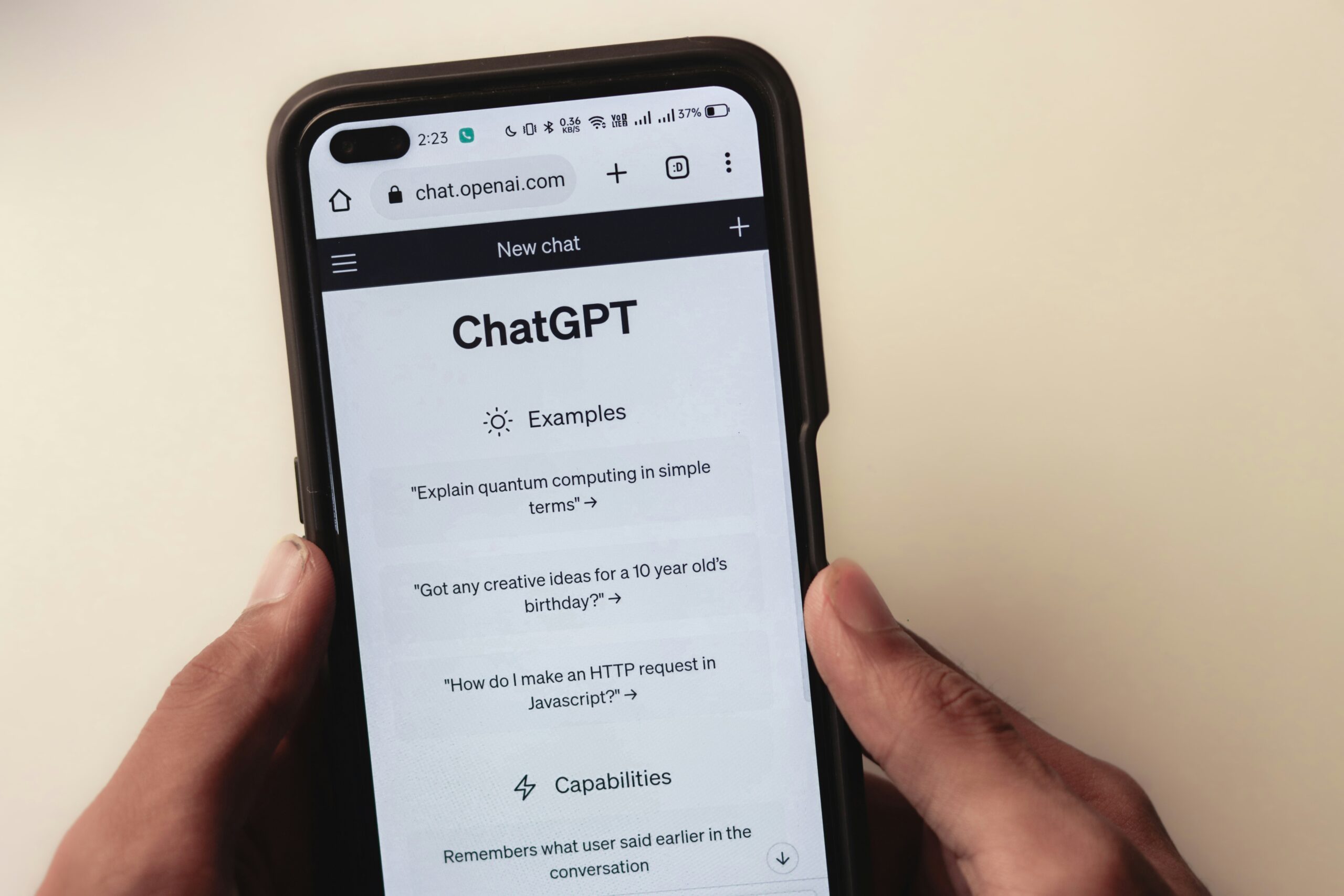
If you’re using tools like ChatGPT to support your weight-loss goals, experts say the way you ask matters just as much as the answer you get. Rather than requesting strict calorie targets or rapid results, Dr Maggs suggests focusing on prompts that prioritise balance, sustainability and personal context.
That might mean asking for balanced meal ideas that support gradual weight loss and energy levels rather than a fixed calorie limit, or requesting guidance on healthy habits that support fat loss over time.
Including more detail can also make a difference. Adding context such as your activity levels, dietary preferences or general lifestyle helps move the response away from generic advice — something clinicians say is often missing from AI-generated plans.
AI weight-loss plan prompts to try
If you do want to use AI for support, small changes in how you phrase your request can lead to more helpful, balanced responses:
- “Can you suggest balanced meals for gradual weight loss that support my energy levels?”
- “I’m moderately active. How can I lose weight without affecting my performance?”
- “What habits support sustainable fat loss rather than quick results?”
- “What nutrients should I prioritise when trying to lose weight?”
- “Is this plan suitable for my activity level, and are there any risks?”
These kinds of prompts encourage more context, and less extreme or one-size-fits-all advice.

Should you follow AI-generated diet plans?
AI-generated meal plans are fast, convenient and increasingly popular, but they’re not always as personalised as they seem.
Research suggests they can underestimate calorie needs and overlook key aspects of health, while experts warn against relying on them in isolation.
Used thoughtfully, AI can be a helpful tool for ideas and motivation. But when it comes to your health, a more nuanced, human approach still matters most.
Feature image: Pexels