Endometriosis Awareness Month takes place every March, helping to raise awareness and fund research for the chronic condition that affects around one in 10 women and people assigned female at birth.
While there’s currently no cure for endometriosis, research increasingly suggests that diet may play a role in managing symptoms such as pelvic pain, fatigue and digestive issues.
“Nutrition won’t cure endometriosis,” says Dr Kathryn Basford, GP at Asda Online Doctor. “But maintaining a nutrient-dense, balanced diet may help to reduce chronic inflammation and support overall wellbeing.”
From anti-inflammatory foods to common triggers that may worsen symptoms, here’s what experts say about the best — and worst — foods for endometriosis.
Read more: The best skincare products for women with endometriosis
What are best foods to eat for endometriosis?
According to Dr Shelby Marquardt, physician at Blue Sky Scrubs, the most helpful approach is focusing on foods that support gut health, hormone balance and inflammation control.
“There is no single endometriosis diet,” she explains. “The most useful approach is to start with anti-inflammatory basics and adjust based on symptom response.”
Oily fish
Fatty fish such as salmon, sardines and mackerel are rich in omega-3 fatty acids, which are known for their anti-inflammatory properties.
“Omega-3s may help reduce inflammation and period pain,” says Dr Kathryn. Aim to eat oily fish two to three times a week.
Plant-based sources such as walnuts, flaxseeds and chia seeds can also contribute beneficial fats.
Read more: “I’ve been a vegetarian for six years — here’s how I hit my protein goals”
Leafy greens and cruciferous vegetables
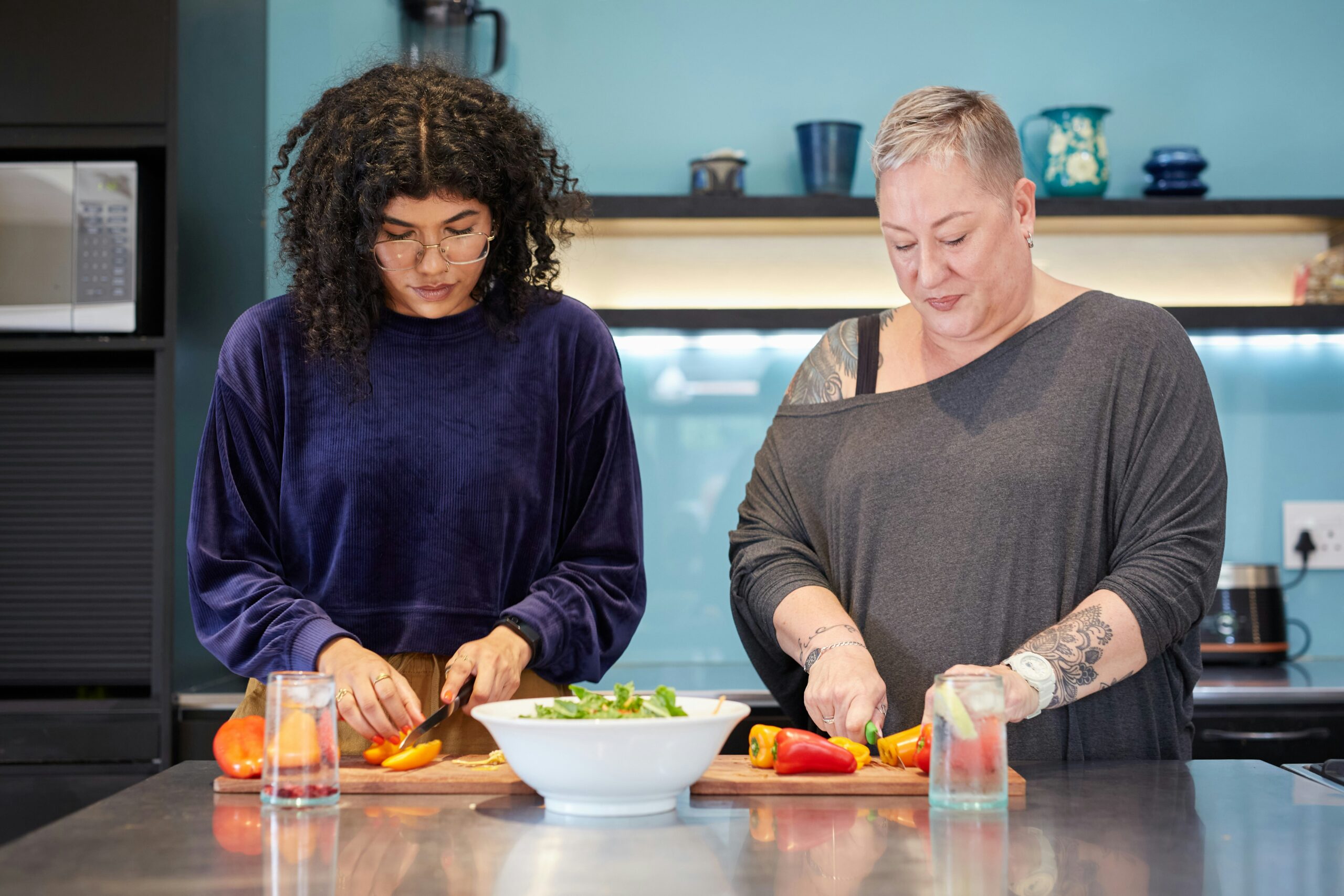
Vegetables should make up the foundation of most meals. Leafy greens and cruciferous vegetables — including kale, spinach, broccoli, cabbage and brussels sprouts — are rich in fibre, antioxidants and micronutrients that support hormone metabolism and gut health.
“These foods can help with bowel regularity and provide antioxidants that protect cells from inflammation-related stress,” says Dr Shelby.
Whole grains and fibre-rich carbohydrates
Whole grains such as oats, quinoa and brown rice, alongside legumes like lentils, beans and chickpeas, provide important fibre.
“Fibre supports digestion and may help with hormone balance through digestion and excretion,” explains Dr Shelby.
They also help stabilise blood sugar levels, which may be beneficial for energy and mood.
Read more: This is why fibre is the defining health trend of 2026
Healthy fats
Healthy fats are thought to play a role in lowering inflammatory markers.
Extra virgin olive oil, avocados, nuts and seeds are all good sources, says women’s health expert Dr Shirin Lakhani.
“These fats can support overall hormone health and reduce inflammation,” she explains.
Fermented foods for gut health
Gut health may also influence inflammation and immune responses.
Fermented foods such as yoghurt, kefir, kimchi and sauerkraut contain beneficial bacteria that support a healthy gut microbiome.
“Prioritising gut health is helpful for many people with endometriosis,” says Dr Shirin.
Iron-rich foods
Heavy periods associated with endometriosis can sometimes lead to low iron levels.
Iron-rich foods such as leafy greens, nuts, seeds and legumes can help support healthy iron stores, says Dr Kathryn.
What are the worst foods for endometriosis?
While triggers vary from person to person, certain foods are more likely to worsen inflammation, digestive symptoms or fatigue.
Processed and red meat
Frequent consumption of red meat or processed meats may increase inflammatory responses in the body.
“Keeping red meat to small portions once or twice a week is a sensible starting point if pain and bloating are issues,” says Dr Shelby.
Ultra-processed foods
Fried fast food, pastries and packaged snacks tend to be high in saturated fats and low in fibre.
“These foods can crowd out more nutritious options and may increase inflammatory markers,” says Dr Shirin.
Refined sugar and carbohydrates
Foods high in added sugars — such as sweets, sugary cereals and soft drinks — can lead to energy crashes and worsen fatigue.
They may also contribute to inflammation in the body.

Alcohol
Alcohol can worsen sleep quality and amplify pain for some people with endometriosis.
Limiting alcohol intake may therefore help reduce symptom flare-ups.
Too much caffeine
Caffeine isn’t necessarily off limits, but it may aggravate symptoms in some people.
“If caffeine increases cramps, anxiety or sleep disruption, it may help to limit intake to one or two coffees per day,” says Dr Shelby.
Potential individual triggers
Some people with endometriosis experience digestive symptoms similar to irritable bowel syndrome.
In these cases, foods such as gluten, dairy or high-FODMAP ingredients (like onions or certain beans) may trigger symptoms — but this varies significantly between individuals.
A clinician-guided low-FODMAP approach may sometimes help identify triggers.
Should you change your diet throughout your cycle?
Some experts suggest adjusting your diet slightly depending on the phase of your menstrual cycle.
During your period
Anti-inflammatory foods may be especially helpful. Omega-3 rich foods, berries, turmeric and ginger can support inflammation control, while magnesium-rich foods such as leafy greens and legumes may help relax muscles and ease cramps.
Follicular phase (around days 1-14 of your cycle)
As oestrogen begins to rise, focus on nutrient-dense foods that support gut health, such as fermented foods, whole grains and fresh fruit and vegetables.
Around ovulation
High-fibre vegetables like broccoli and brussels sprouts may help support hormone balance, alongside antioxidant-rich foods such as berries and citrus fruits.
Luteal phase (around days 15-28 of your cycle)
Many people experience PMS symptoms at this stage. Complex carbohydrates like oats, sweet potatoes and root vegetables can help maintain stable blood sugar levels and support mood.
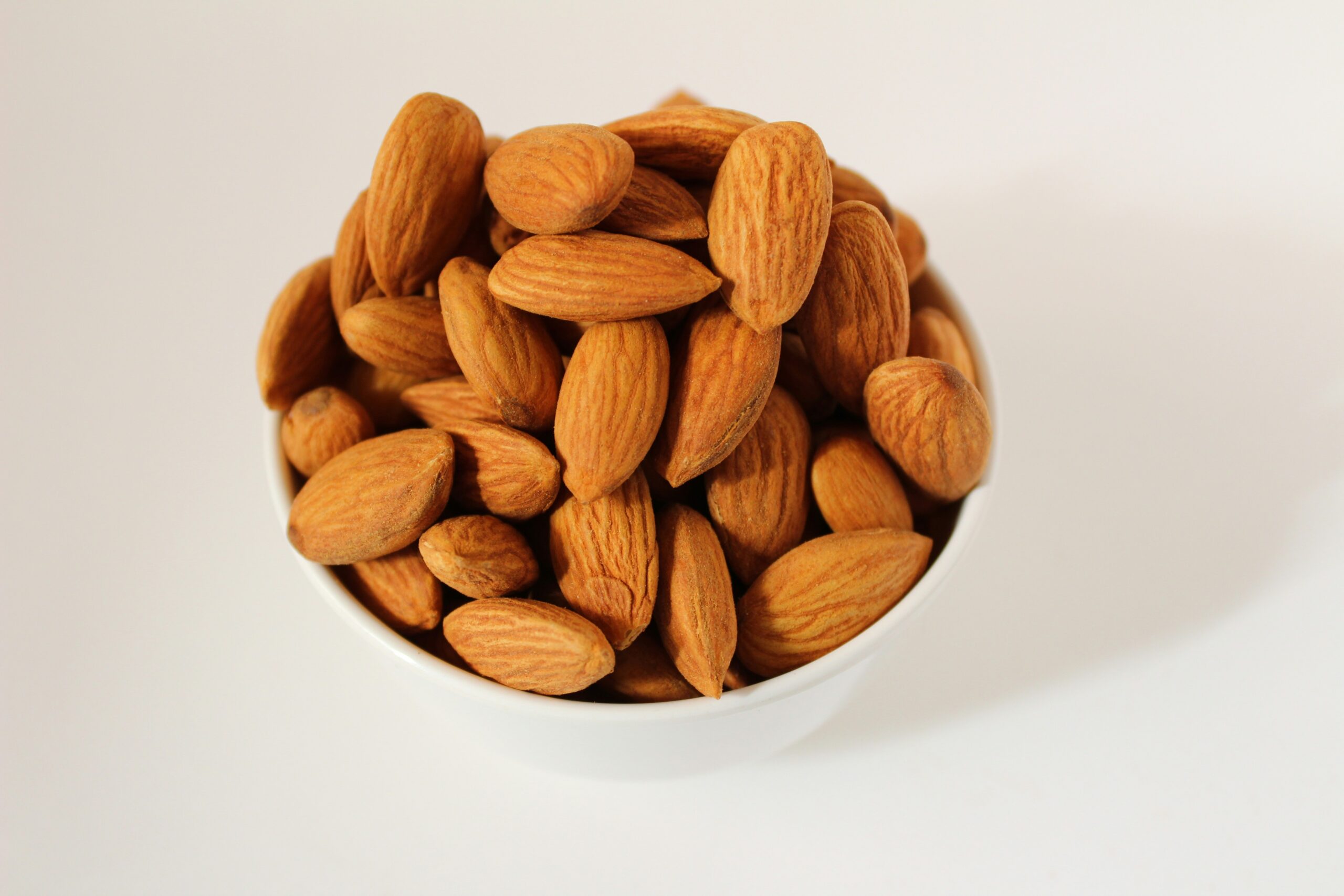
Magnesium-rich foods — including pumpkin seeds, almonds and leafy greens — may also help reduce cramping and bloating.
Are there supplements that can help with endometriosis?
Some supplements may support symptom management, although it’s important to speak to a healthcare professional before starting any new supplement.
Dr Kathryn says magnesium may help relax muscles and support sleep, while low levels of nutrients such as vitamin D, vitamin E and zinc have been linked with a greater risk of endometriosis.
Dr Shirin also notes that omega-3 supplements and curcumin (turmeric extract) may have anti-inflammatory properties.
However, she emphasises that supplements should complement — not replace — a balanced diet.
“The key is focusing on a balanced, nutrient-dense diet and noticing how your body responds,” says Dr Kathryn. “What works well for one person may not work the same for another.”
Feature image: Unsplash