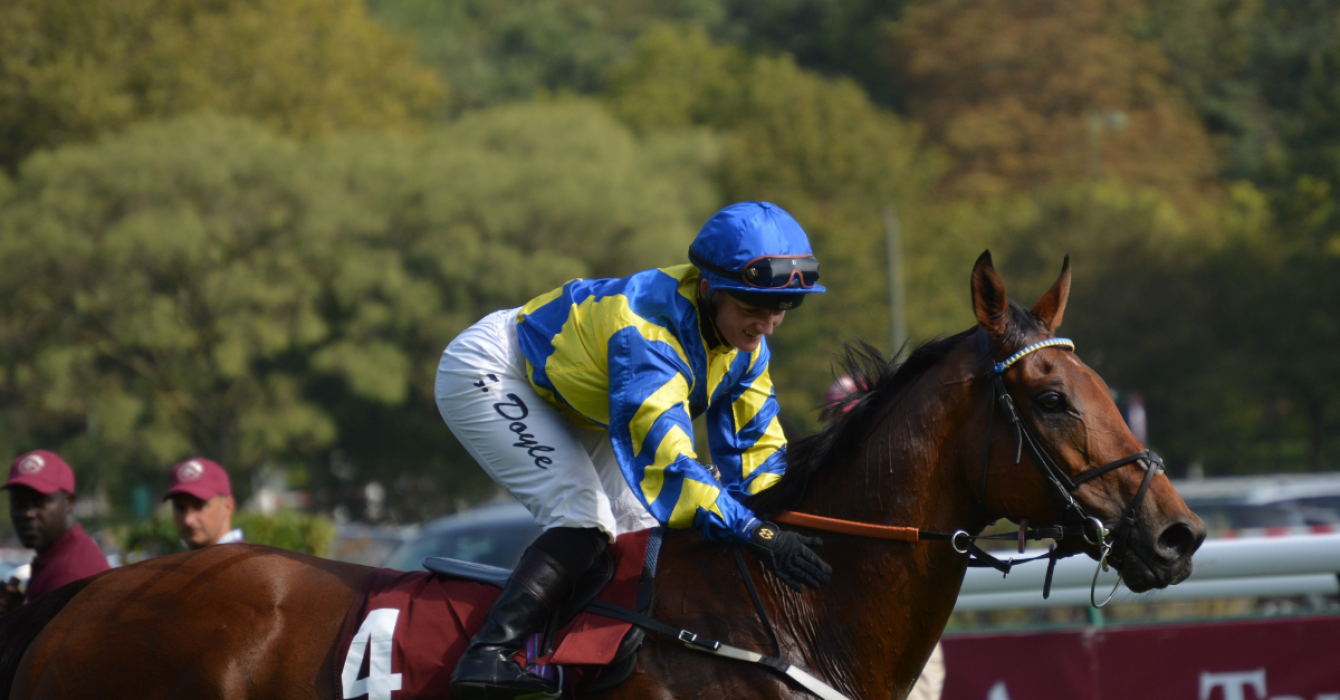
Speaking exclusively to Living360, jockey Hollie Doyle reveals how she got to the top of professional horse racing, and what she wants more women to know about the sport.
In most sports, men and women compete in separate categories. The segregation comes down to physiological differences that might impact the fairness of the competition, and the rationale has been both supported and opposed by female athletes throughout history. Despite this, most tend to agree that divisions in sports allow for more equal playing fields.
While this may ring true for power-based sports such as boxing, rugby and football, horse racing has long been seen as one of the few physical disciplines where gender is of little importance. So little, in fact, that the University of Nottingham published a report in 2022 confirming that “the sex of a jockey does not influence any aspect of racehorse physiology or performance”.
At prestigious occasions, female jockeys have proved this thesis correct, repeatedly beating their male counterparts in both flat and jump racing, as well as other equestrian disciplines (just look at the Olympic statistics for women winning gold in dressage).
But according to professional jockey Hollie Doyle, the equal playing field is both a blessing and a curse.
Read more: Made to Move: Lizzie Deignan on the impact of periods on female cyclists
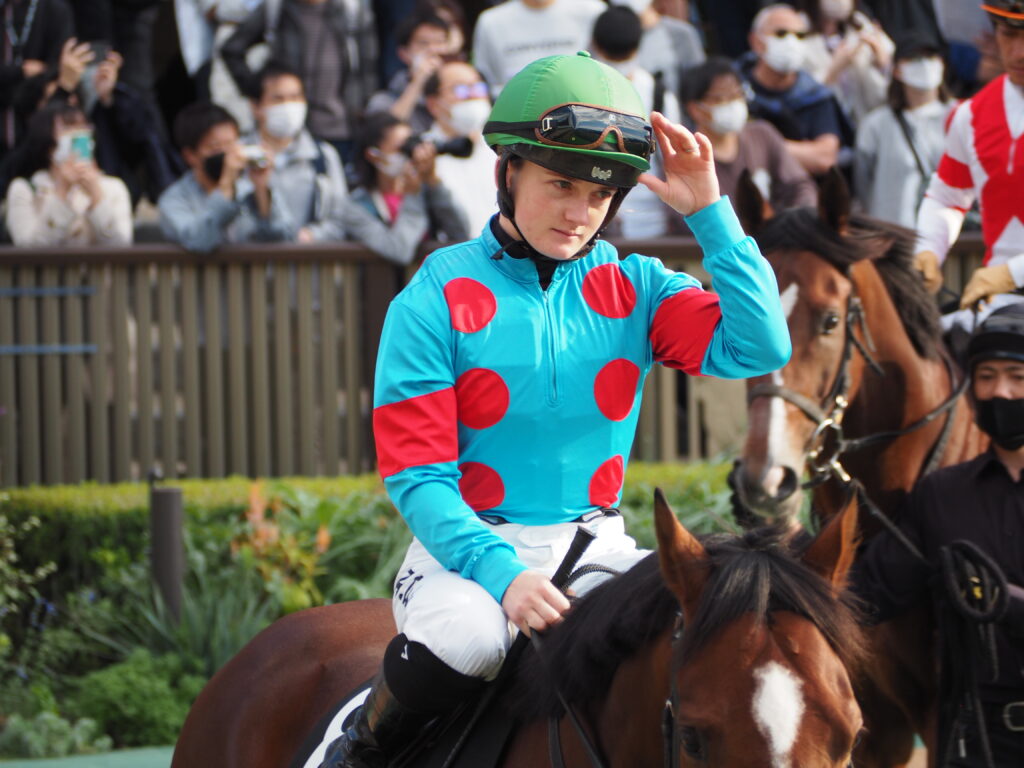
“Life as a jockey can be tough whether you’re male or female,” she tells Living360. “But in the early stages of my career, some trainers were weary at the thought of a woman riding for them.”
During her apprenticeship, Hollie was the only female jockey in her cohort and trained alongside five male apprentices every day.
Hollie explains that her trainers’ reservations came from her being “smaller” and “not as strong” as her male counterparts, but she refused to let that hold her back.
“I decided to put on a stone in muscle mass and really focus on my strength and fitness,” she explains. “I believe that this was pivotal, and I approached my career as if I was no different than anyone else.”
Female jockey influences: Hayley Turner OBE and Cathy Gannon
When it comes to inspiration, Hollie points to recently retired jockey Hayley Turner OBE and Cathy Gannon as having paved the way.
“I hope my achievements in the saddle can in some way inspire other women coming into the sport, just like Hayley and Cathy [Gannon] did for me,” she says.
As it stands, Hollie is currently the highest-achieving female rider in British horse racing history, with over 1,000 wins in the UK. She was also named as The Sunday Times Sportswoman of the Year in 2020.
“Racing is one of the only sports, unlike football, tennis or rugby, where men and women can compete equally on level terms for the same pay. There are lots of hard working, resilient women in our industry, in fact there are probably more women coming into the sport now than ever before.”
Read more: Made to Move: Trailblazing runner Fernanda Maciel on why women thrive at ultramarathons
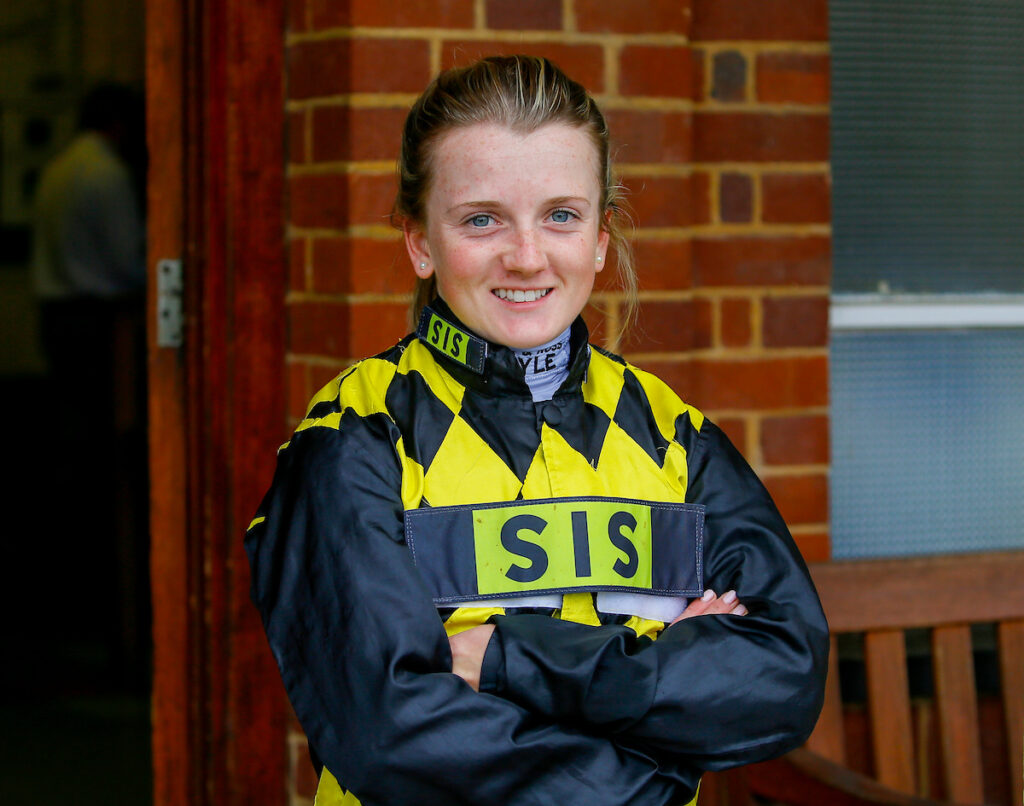
What should more women know about horse-riding?
Hollie has felt connected to horses since childhood, as her parents were both riders and her grandfather bred horses, but she encourages adults to try riding — even if they’ve had no prior experience.
“Horses are incredibly empathetic animals and when you have a connection with a horse, it can feel really special,” she says. “I think it’s important to not let your fears stop you from trying something new.”
View this post on Instagram
What are the benefits of horse-riding?
“The sport is tough on anyone, no matter their gender,” explains Hollie. “There’s always a risk of injury, and consistent riding isn’t easy.”
Hollie emphasises the importance of being fit as a horse-rider, noting that she’s always felt she’s had to “work harder” than male jockeys in the gym to be successful.
“When you’re riding eight races every week all year round, you have to be in good shape. It’s a demanding sport, which in itself keeps me fit.”
Feature image: WikiCommons