Studies suggest one in three women missed their smear test in 2024. Could a new, at-home method help to address this? Here’s everything you need to know.
Is women’s health finally getting the accessibility it deserves? Not long ago, we celebrated the health secretary adding routine menopause appointments to the NHS checklist — something L360 has been campaigning for since 2024. Now, another potential change may be on the horizon.
A study published in the BMJ suggests there may be an alternative to the standard method of testing for human papillomavirus (HPV). Currently, HPV is tested for via cervical screenings (which used to be called smear tests) at local GP surgeries or sexual health clinics.
These new findings could mean tests can be carried out at home, something many women may be more comfortable with.
Why are cervical screenings important?
These tests check cells from the cervix for high-risk types of HPV, a common virus nearly all sexually active people will encounter at some point in their lifetime.
If left untreated, HPV can lead to changes in cervical cells, and, in rare cases, cervical cancer. Over 99% of cervical cancer cases in the UK are caused by HPV infection, yet around 70% of these could be prevented with a cervical screening.
While HPV vaccinations given to girls aged 12-13 help reduce risk, protection is not lifelong, not comprehensive. Many people still contract the virus, making regular screening — and, crucially, catching it early — essential.
Why many women miss their smear tests
UK guidelines recommend women get their first smear before the age of 25, yet in 2025, AXA Health reported that 16% of the total estimated female population has avoided a smear test. This means five million people are not up to date with their cervical screenings.
AXA Health’s data found that attendance is highest among women aged 45-54 (84%) and lowest among those aged 25-34 (74%).
Reasons for avoidance include any of the following: fear of discomfort, anxiety about potential diagnoses, scheduling difficulties or past trauma.
“I struggle to relax, so getting the speculum in is uncomfortable,” says Tilly Supple, 29. “But it’s also been difficult to organise the test around work.”
Other common concerns include:
- Hygiene before the appointment
- Pain or discomfort
- Clothing choices
- Whether the healthcare professional will be female
- How to position yourself during the procedure
- Hair removal for the appointment
- Whether you’ll have your period during the appointment
It’s clear that these screenings feel invasive for many, but especially so for those with prior negative experiences, learning difficulties, language barriers or a history of sexual assault or abuse.
Read more: Jesy Nelson: Should mothers be fighting for babies to have blood tests at birth?

Are the blood smear tests an alternative to cervical screenings?
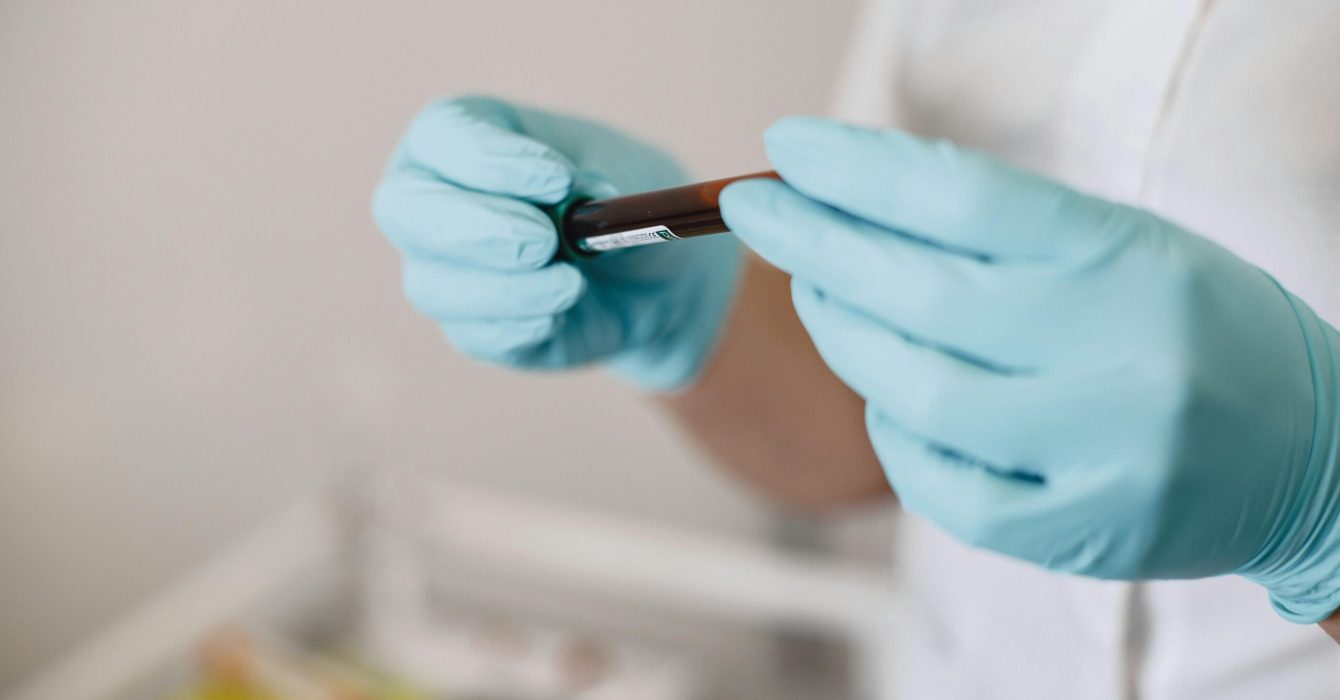
Fortunately, the data looks encouraging. In the study, 3,000 women aged 20-54 collected blood samples on mini pads and sent them off to the lab for testing.
When compared with samples collected by clinicians (how they would be in a cervical screening), the researchers found that these ‘mini pad’ samples detected HPV in 94% of the samples. They also correctly identified negative results, with only a 1% difference in accuracy.
Dr Lucy Hooper, GP and co-founder of Coyne Medical, says: “What’s important is that these tests not only detect the virus but can also correctly reassure women with negative results.”
For women like Tilly, home testing could be transformative. “I’d much prefer not to go in person. It would make me more likely to get tested, meaning more positive health implications.”
How will the new blood smear tests work?
Although not yet approved by the NHS, at-home kits could be posted directly to patients or collected from GP surgeries — like with a urine or stool sample. The at-home mini pad would absorb menstrual blood and then be placed in a solution-filled container and sent to a lab for analysis.
Any positive result would still require an in-person colposcopy to examine cervical cells, with a biopsy carried out if abnormalities are found.
Read more: Is there an ‘ideal’ colour of period blood? This is what your colour means about your health

Are there any limitations?
Of course, these tests would only be suitable for individuals who menstruate, meaning menopausal women; anyone who doesn’t get periods would still need in-person cervical screenings.
Dr Hooper notes it also might not be suitable for everyone. “This process of collecting menstrual blood might not fit an individual’s ideas for personal hygiene or privacy, whether that be for cultural reasons or a personal choice.”
There’s also a risk that samples could be mishandled or compromised in transit, potentially affecting accuracy.
Intimate health and women’s health expert Dr Shirin Lakhani adds that at-home tests remove an important human element. “In person, you can use the appointment to discuss other symptoms and concerns. That interaction can offer reassurance and peace of mind and often feels more empowering.”
She adds that traditional cervical screenings for HPV test for both HPV and cell abnormalities at the same time — something these at-home blood tests wouldn’t be able to do.
Read more: The unusual signs of breast cancer to look out for that aren’t lumps

When will at-home period blood smear tests be made available?
While the findings are promising, the research is still in its early stages, meaning such tests are not yet ready for routine clinical use.
“Larger studies are needed to show it works on different population groups before it can become part of national government programmes,” says Dr Hooper.
Dr Lakhani agrees: “There are limitations to consider, but it could help overcome accessibility issues for anyone who feels more comfortable doing the test at home. It’s a step in the right direction.”
For now, if attending cervical screenings feels uncomfortable, HPV self-swab tests are available privately. The government has also begun offering them via NHS to people who’ve missed a screening in the past year.
Feature image: Pexels