Saunas are popping up all over London, but are they doing more harm for our skin than good? Here’s the surprising secret behind excessive use.
Whether you’re an avid sauna user or not, you’ll have likely heard of their advantages. Better sleep, improved circulation, stress relief and exercise recovery are just a few of the health benefits associated with them, in addition to the new-found social element thanks to a new breed of sauna clubs popping up.
Recently, I attended a sauna and cold plunge session at Virgin Active’s new Mayfair spa, where the team explained that 10 to 15 minutes in a sauna is more than enough. While I certainly felt more relaxed afterwards, I couldn’t help but notice how parched my skin felt once I got home.
This left me wondering whether saunas are good or bad for your skin, and what I can do next time to ensure I feel less dry after a session. So, I consulted the experts.
Read more: These are the best affordable saunas in London in 2026 — from just £9.50 per hour

Can saunas help with fine lines and wrinkles?
The heat of the sauna causes blood vessels to widen, increasing blood flow to the skin, which has many skin benefits.
“When blood flow to the skin increases, oxygen and nutrients are delivered more efficiently,” explains Dr Eleonora Fedonenko, a board-certified doctor specialising in cosmetic dermatology. “This supports cell turnover, which can help soften the appearance of fine lines and improve overall skin texture over time.”
This is also why skin often looks brighter and more balanced after sauna use, rather than just flushed.
Iryna Khomyakova, beauty expert at Backstage Salon, adds, “The heat helps pores open and encourages sweating, which can naturally help clear away impurities and leave the skin looking brighter.” So, if you feel like your skin looks better after a sauna, it’s not all in your head.
However, Dr Susan Mayou, consultant dermatologist at the Cadogan Clinic, explains that some of the online chatter about the detoxifying effects of saunas is indeed too good to be true.
“Detoxification is carried out by the liver and kidneys, while sweat is produced primarily for temperature regulation and consists mostly of water and salt,” she says. “Only very small, clinically insignificant amounts of waste products appear in sweat.”
Read more: The pro-ageing ingredient you need in your skincare routine
Are saunas good for acne?
You may have heard people claim that saunas can improve acne as they open your pores and “detoxify” you — but there are actually several ways they can worsen breakouts.
Dr Fedonenko warns that those prone to acne should always start their session with clean skin. She explains: “Heat opens the pores, so any makeup, SPF or heavy oils left on the skin can be pushed deeper, increasing the risk of congestion and breakouts.”
Hands can easily transfer bacteria onto warm, open skin. “Touching the face during a sauna session increases the risk of breakouts, especially for acne-prone skin,” says Dr Fedonenko. If you need to remove sweat, she recommends gently blotting with a clean towel.
She also suggests that you use a gentle cleanser after a session to wipe away any sweat — but don’t use anything too harsh as it could damage your skin barrier.
Read more: ‘Accutane changed my life for the better, but not everyone has the same experience’

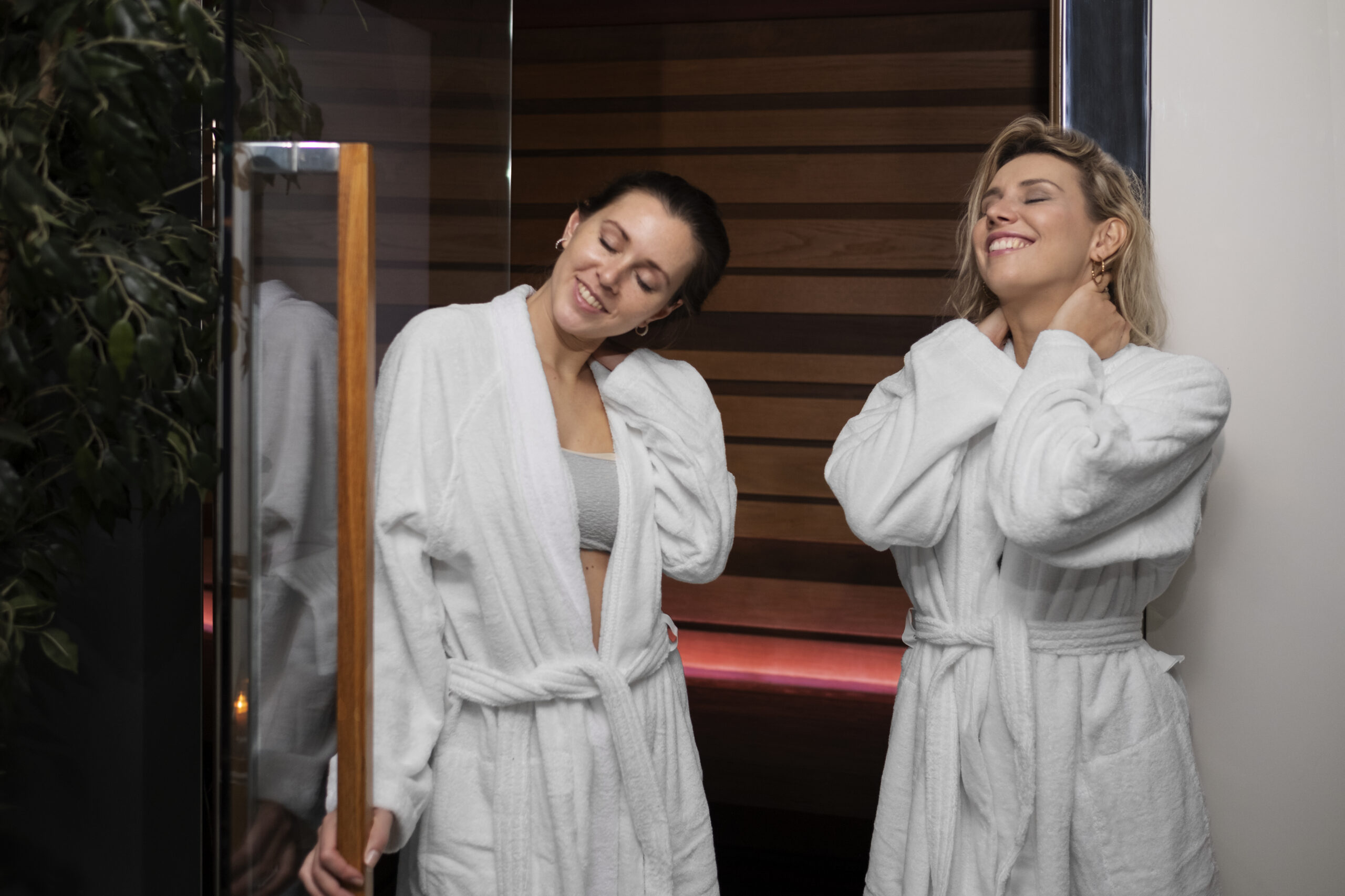
There are several ways saunas can worsen breakouts (Picture: Pexels)
Can you overuse a sauna?
Like anything else, saunas are great when used in moderation. “Excessive heat or daily sauna use can strip the skin of moisture and lead to irritation, dryness or flare-ups in sensitive skin types,” says Iryna.
Dr Susan agrees, suggesting that overuse of saunas can disrupt the skin barrier and worsen inflammatory skin conditions like rosacea and acne.
Early signs of sauna overuse to watch out for
Dr Susan says that early indications of sauna overuse could include “persistent redness or flushing after sauna sessions, tight or itchy skin, increased sensitivity to skincare products and worsening of pre-existing conditions such as rosacea or eczema”.
She adds that flaky skin that can’t be remedied by normal moisturising indicates that the skin barrier has been compromised.
Protecting your skin for a sauna
Firstly, be sure to stay hydrated. It might seem obvious, but many people tend to forget to drink water during sauna use.
Wearing makeup or heavy skin products in a sauna can also block pores and cause breakouts, so start with clean skin and be sure to cleanse properly afterwards, even if it means having to take your skincare products with you.
“Apply a moisturising toner to restore the skin’s natural pH balance before layering serums and moisturisers to replenish hydration and support the skin barrier,” Iryna suggests.
Dr Susan recommends a moisturiser containing barrier-supporting ingredients such as ceramides, glycerine or hyaluronic acid.
@living360_uk The sun may rarely appear in the UK, but that’s no excuse not to wear your SPF. Here, the L360 team reveal the best sunscreens to buy right now, and which products they use in their daily routines. click the link in our bio for direct links to purchase 1. @BioreUK Aqua Rich UV Watery Essence 2. @Beauty of Joseon Relief Sun Rice SPF 3. @Supergoop Glow Screen 4. @CeraVeUKI Facial Moisturising Lotion #bestsunscreen #bestkoreansunscreen #winterbeauty
And of course, once you’re out of the sauna, consistent sun protection is always essential, even in the winter.
Feature image: Freepik