As Evelyn Richards prepares to run the Edinburgh Marathon for Crohn’s & Colitis UK, she looks at the toll marathon training really takes on the body — and how to best support it after.
In the days following last year’s marathon season, my social media feed was flooded with runners documenting the aftermath: sore legs, exhaustion, unexpected hunger and the very real comedown after months of training.
For anyone preparing for their own race, it’s a reminder that the finish line isn’t the end of the journey — it’s the beginning of recovery.
As I train for my first marathon, I’ve become increasingly aware that running 26.2 miles isn’t just about endurance. It places sustained stress on the body, affecting everything from energy levels to appetite and hormones to how your body feels day-to-day.
Ahead of the London Marathon 2026, I spoke to experts about how best to recover after completing the ultimate running challenge.
Read more: Adele Roberts on completing seven major marathons with a stoma bag: “I won’t let it change me”
What marathon training really does to your body
Long-distance running requires your body to adapt quickly. Muscles are repeatedly broken down and rebuilt, glycogen stores are depleted and your cardiovascular system is pushed to its limits.
Sydney Cassidy, Gymshark athlete and founder of hit podcast Gym Girls Locker Room, says one of the most noticeable changes during training is how your body responds to the increased demand.
“Hunger levels are what I noticed most,” she explains. “With the kind of training that’s required for these kinds of races, you tend to feel tired a lot of the time. Both Hyrox and marathon training take a huge physical toll on your body, and if you’re new to this type of training, it can take a while to adjust to that level of intensity.”
That increased hunger — and sometimes weight fluctuation — can feel unexpected, particularly in a culture that often focuses on aesthetics over performance.
“It’s also more common than people might think to gain weight during training blocks,” Sydney adds. “That’s completely normal […] I think the most important thing to focus on is what your body is doing for you, rather than how it looks.”

Read more: Does your run need a digital detox? How Strava and RunTok are ruining running
Why recovery matters as much as training
There’s often a strong focus on hitting mileage targets, but far less attention on what happens between runs.
For Syndey, learning to rest properly has been one of the biggest lessons.
“Recovering properly means taking recovery days seriously and making sure they’re true rest days,” she says. “I used to be tempted to go out for a long walk, but I’ve learned that to recover properly, I just need to cook some good food, cuddle my dog and put my feet up.”
While foam rolling and recovery tools can help, the fundamentals remain the same: nutrition, hydration and sleep.
That balance becomes even more important after race day. According to Les Mills trainer Holly Mason, full recovery takes longer than many runners expect.
“It’s important to remember it takes the average runner two to four weeks to fully recover from a marathon,” she explains — making it essential to strike the right balance between rest and movement.
Knowing when to pull back is crucial, too. “Ongoing fatigue is a definite sign that you need to shift the balance between resting and training,” Sydney says. “Pain is also a big red flag.”

Read more: Lizzie Deignan on the impact of periods on female cyclists
Supporting your body during training
Recovery isn’t just about rest days, it’s about how you support your body consistently throughout your training block.
Giles Cundell, head of international at recovery footwear brand OOFOS, says reducing impact between runs is key.
“Recovery is just as important as the miles you run,” he explains. “Stretching, good sleep and hydration all help, but so does reducing impact between runs.”
After longer runs, the focus should shift to gentle movement and allowing the body to reset. “Your feet are often the most fatigued part of the body,” he says. “Wearing supportive recovery footwear can help reduce impact while you’re moving around during the day.”
The Ooahh Slide Sandal are a great example of recovery shoes that absorb impact and reduce stress on joints.
Don’t overlook support and comfort
While runners often focus on muscles and joints, comfort and support during training can also have a significant impact on performance and recovery.
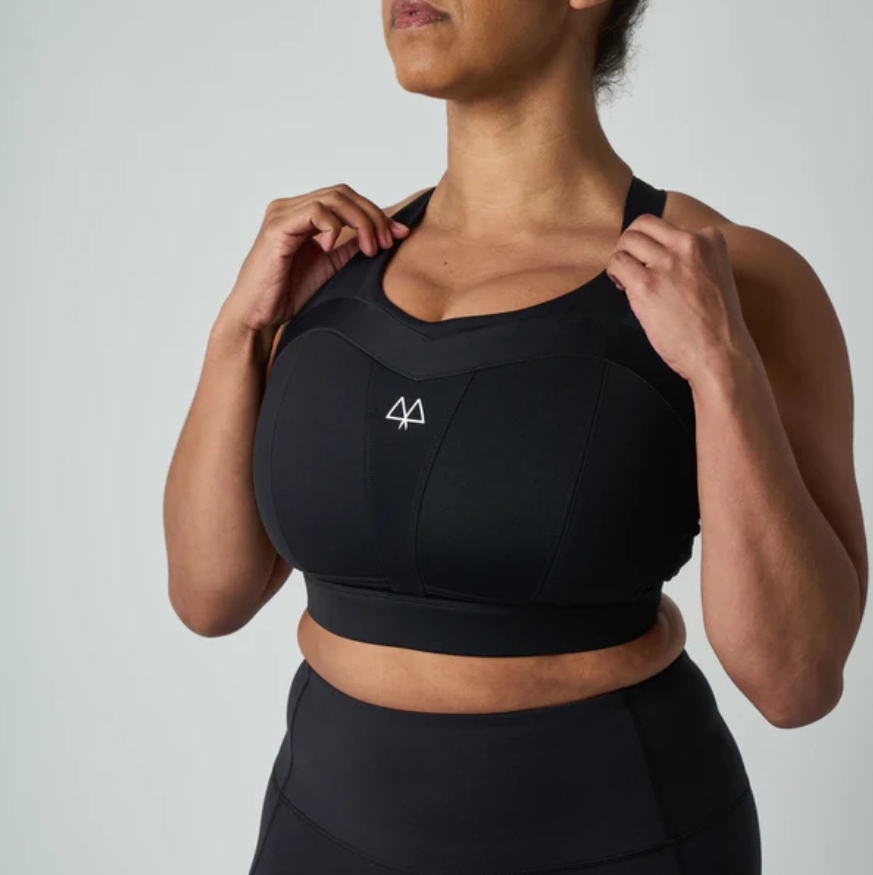
Mari Thomas, founder of sportswear brand MAAREE, explains that repeated impact can affect the body in ways many runners don’t consider.
“If our breasts are unsupported, the ligaments undergo excessive strain over a prolonged period,” she says. “That can lead to discomfort and, in some cases, injury — and it can also affect how efficiently you run.”
Getting the basics right can make a noticeable difference. “Getting a supportive sports bra is one of the best things you can do,” she says. “But many women aren’t wearing the correct size, so I’d always recommend getting fitted and training in the bra you plan to wear on race day.”
Post-run, the focus should shift to comfort. “Your body has gone through a lot during the marathon,” she adds. “So be kind to it. Switch to something light and comfortable that allows your body to recover.”
Read more: The surprising ways your sports bra could be hurting your workouts
What to do after race day
Once the marathon is over, recovery should become the priority.
According to physical therapist Adam Fujita from Yoga-Go, timing matters. “Post-race is the ideal time for static stretching, as your muscles are already warm and more pliable,” he explains.
But recovery starts immediately — and movement still plays a role.
“Immediately after the marathon, keep moving, even when your brain is screaming at you to stop,” says Holly . “The soreness you feel is the result of muscle damage […] so gentle walking and light stretching is key here to help flush out lactic acid.”
In the days that follow, the focus should shift to listening to your body rather than pushing through fatigue.
“In the first few days after the marathon, listen to your body. Light exercise, such as a 15–20 minute walk or cycle, is recommended,” Holly adds.
Adam emphasises that stretching should be part of a wider recovery routine. “Stretching is just one part of the recovery process,” he says. “Staying hydrated, eating well and getting enough rest are all essential.”
Four key stretches to do after a long run
Adam recommends focusing on areas that take the most strain during running:
Hip flexor stretch
Targets the hips, quads and glutes, which can become tight from repetitive running.
IT band stretch
Helps release tension along the outer hip and thigh, particularly useful for runners experiencing tightness or discomfort.
Side-to-side lunges
A dynamic movement that improves mobility through the hips and inner thighs, while also supporting control and stability.
Calf stretch
Calf muscles endure significant strain during long-distance running, so stretching them post-race can help reduce soreness and improve ankle flexibility.

How to fuel your recovery
Nutrition plays a central role in both training and recovery. Pippa Murray, founder of Pip & Nut and a keen marathon runner, says keeping things simple is key.
“Eating for recovery is all about regularly combining protein and carbohydrates,” she explains. “That supports muscle repair and replenishes energy stores.”
Immediately after a marathon, the priority is refuelling. “Within the first 30 to 60 minutes, aim for quick, easy-to-digest carbs with a bit of protein,” she says. “And don’t forget fluids and electrolytes.”
In the days that follow, focus on balanced meals and listening to your body. “Recovery doesn’t need to be complicated — it just needs to be consistent and nourishing.”

Reintroducing strength training
Returning to strength work too quickly can increase the risk of injury.
“For the first week post marathon avoid strength training altogether,” says Holly. “A simple rule of thumb is if your muscles are sore then they’re not ready for resistance training.”
Once soreness begins to ease, you can start to reintroduce light movement.
“Once the soreness subsides, which is normally in week two, focus on one to two light weight sessions per week or even bodyweight exercises,” she explains. “Weeks three to four is when your normal strength routine can resume if your body has fully recovered.”
Holly recommends starting with Les Mills Yoga or Les Mills Shapes, before moving up to Les Mills Bodypump Heavy once you’re feeling recovered.
Listening to your body
Perhaps the biggest lesson marathon training teaches you is how to listen. Some days your body feels strong and capable. Others, it feels heavy, tired or resistant. Learning to adapt, rather than push through everything, is what ultimately allows you to keep progressing.
And as race day approaches, it’s a reminder that finishing a marathon isn’t just about how far you can run — it’s about how well you’ve supported your body along the way.
If you’d like to support Evelyn’s fundraising efforts for Crohn’s & Colitis UK, visit her JustGiving page.
Feature image: Pexels