From high-heat rituals to ice-cold plunges, Russian banyas offer a more immersive alternative to the traditional sauna.
There’s no denying that the UK is in the midst of a sauna boom. From Nordic-inspired spas to pop-up beachside cabins, they’ve become a familiar and increasingly popular part of our wellness landscape.
The British Sauna Society now lists about 640 saunas — with 100 opening since the start of 2026 alone — while a recent report predicted that the UK could become one of the world’s biggest sauna markets by 2033.
At the same time, wellness analysts point to a broader cultural shift: younger generations are moving away from alcohol-led socialising in favour of something more meaningful. Andrei Fomin, founder of Banya No1 Hoxton, explains that bathhouses offer “a rare combination of wellness, community and ritual”.
But as interest grows, so does curiosity. Because beyond the traditional sauna, there’s another kind of experience — one that’s been around for centuries but is only just beginning to gain traction in the UK.
Enter: the Russian banya.
Read more: These are the best affordable saunas in London in 2026 — from just £9.50 per hour
What is a Russian banya?
Long before it became part of the modern wellness conversation, the banya was embedded in everyday life across Russia and Eastern Europe.
As Emma O’Kelly, author of Sauna: The Power of Deep Heat, explains: “Banya is the Russian word for bath house and, like sauna, it’s a very old tradition, spanning centuries and practiced for millennia in all parts of the country.”
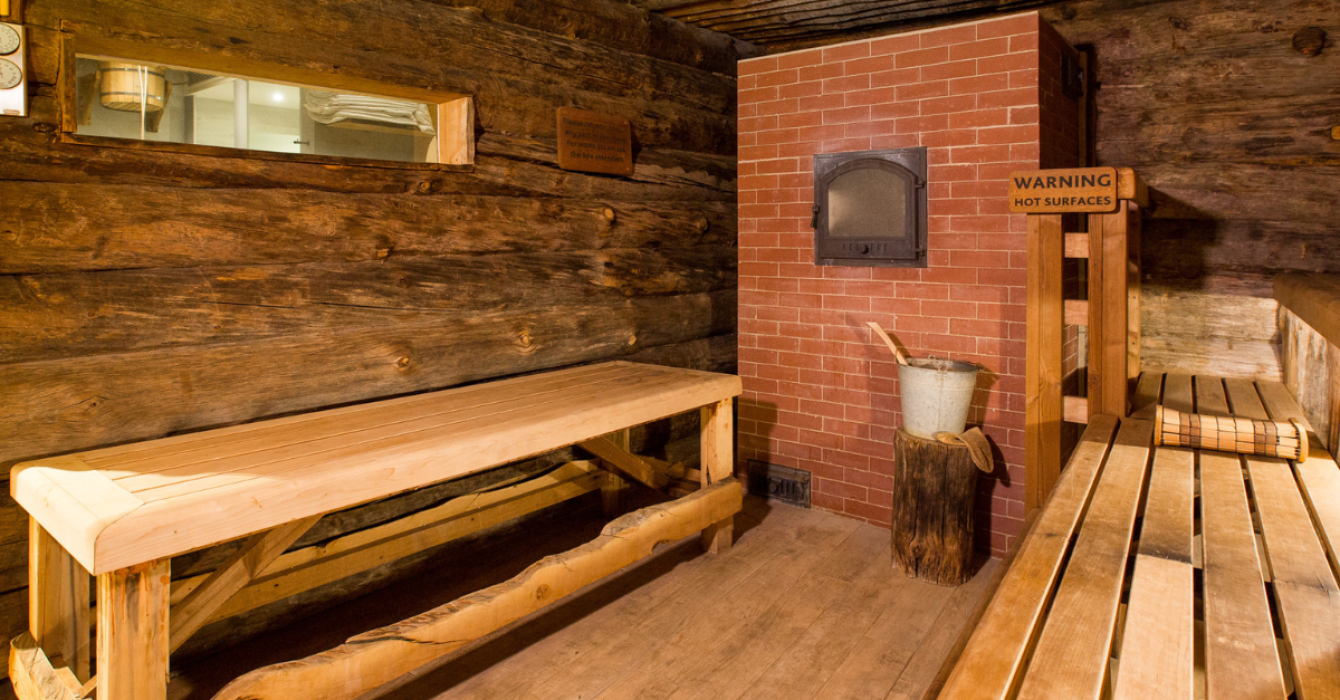
Originally, these spaces were simple, functional structures.
“Like sauna, it would have been a windowless structure made of piles of stones with a fire inside,” she says, noting that references to banyas date back to early Greek and Roman chronicles.
Traditionally, banyas were communal spaces, used not just for washing but for gathering and recovering. They’ve historically been tied to everything from weekly family rituals to major life events.
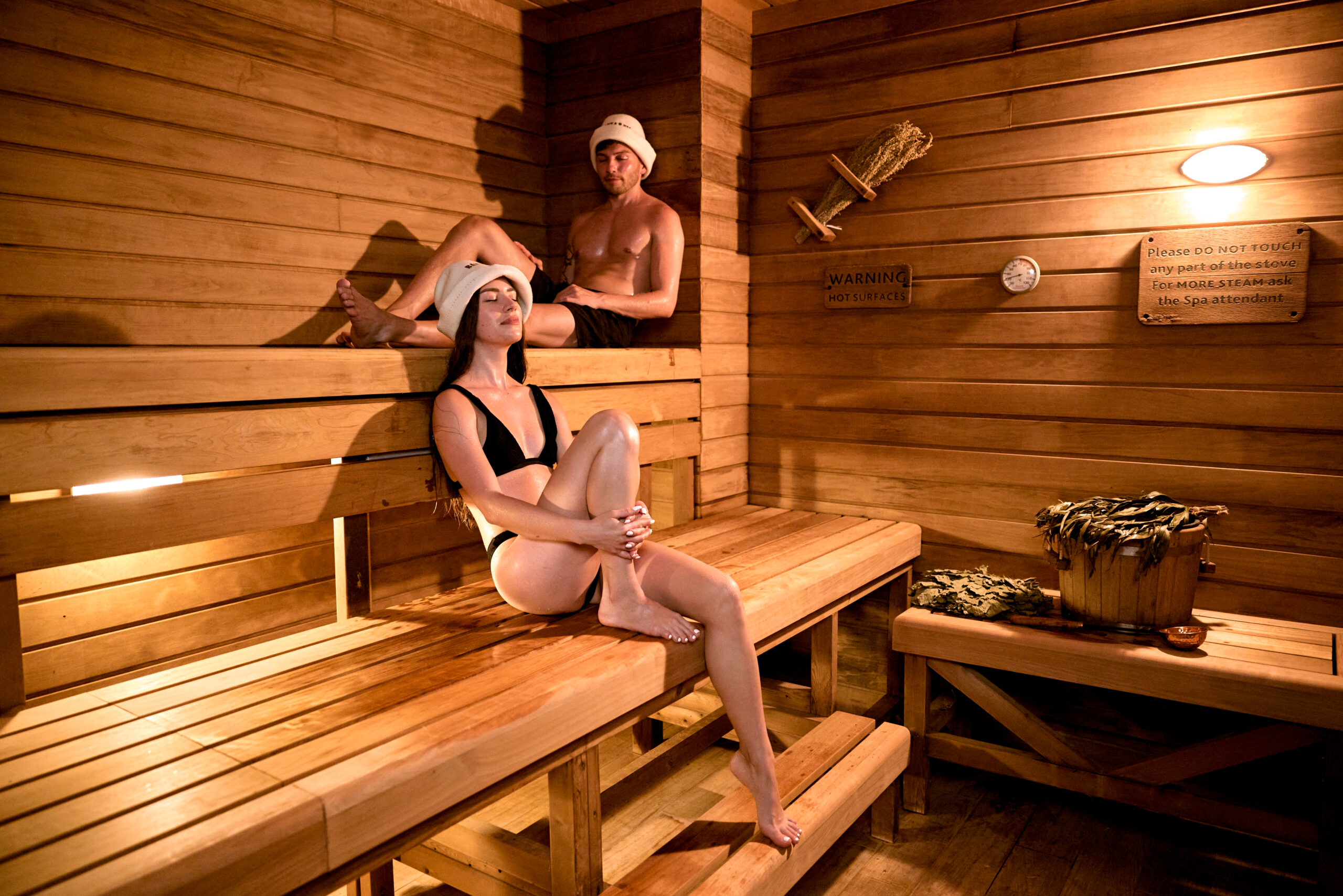
At its simplest, a banya is a heated bathhouse built around cycles of steam, cold exposure and rest. But to describe it purely in functional terms misses the point. The experience is designed to be immersive and intentional — something you move through slowly, often over several hours.
What sets it apart culturally is that it was never just about hygiene or even health. It’s a place to reset, reconnect and participate in a shared ritual that sits somewhere between wellness practice and social tradition.
As that idea gains traction in the UK, the banya is beginning to feel less like a niche import, and more like a natural evolution of the country’s growing appetite for heat-based therapies.
What’s the difference between a banya and a sauna?
The two are often grouped together, but in practice, they offer fundamentally different experiences.
Heat and humidity
A Finnish sauna typically reaches as high as 90-100C with very low humidity. The heat is dry and intense.
A Russian banya, meanwhile, operates at a lower temperature — around 60-70C — but with much higher humidity, creating what Andrei describes as a “more enveloping and penetrating” heat.
The ritual
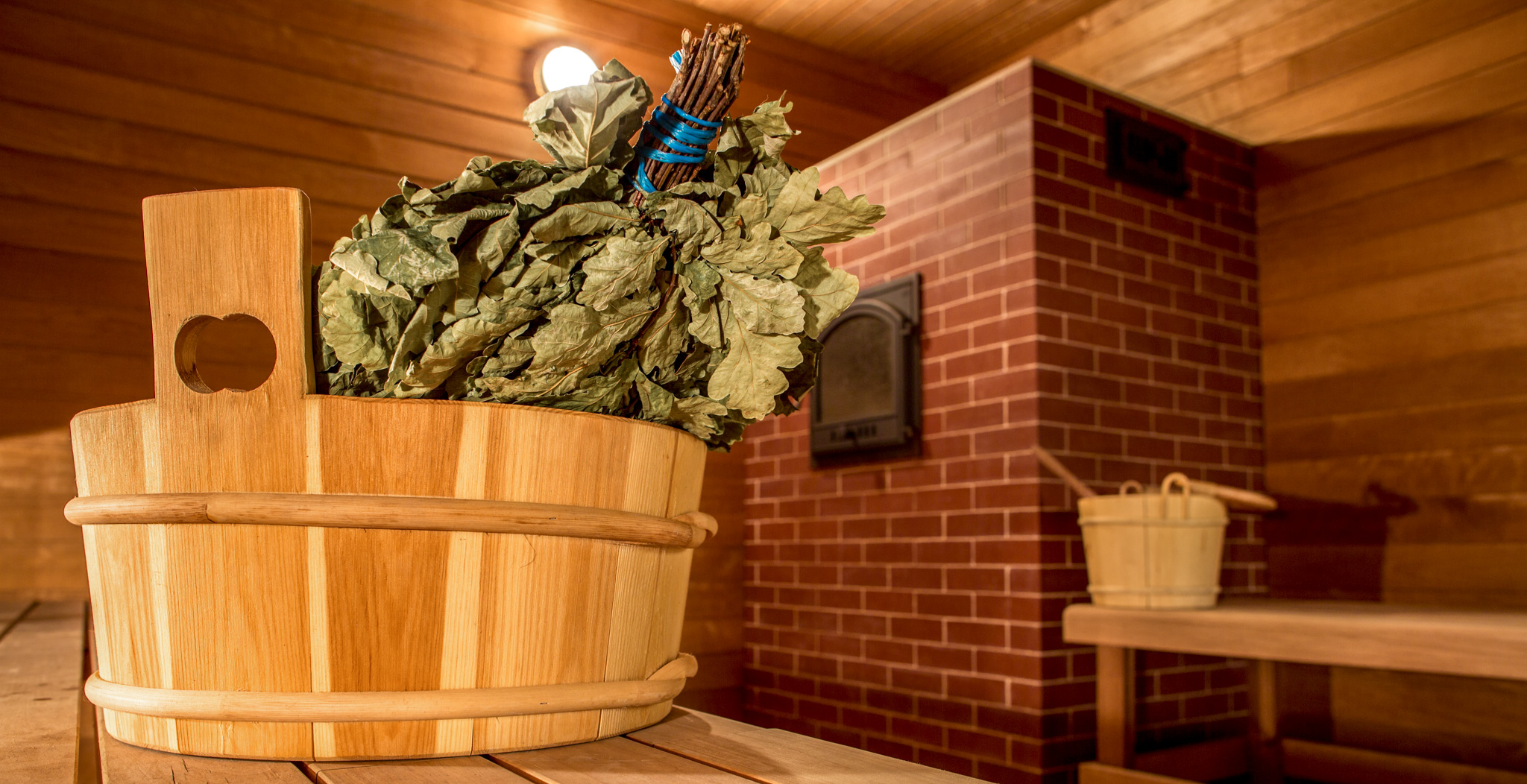
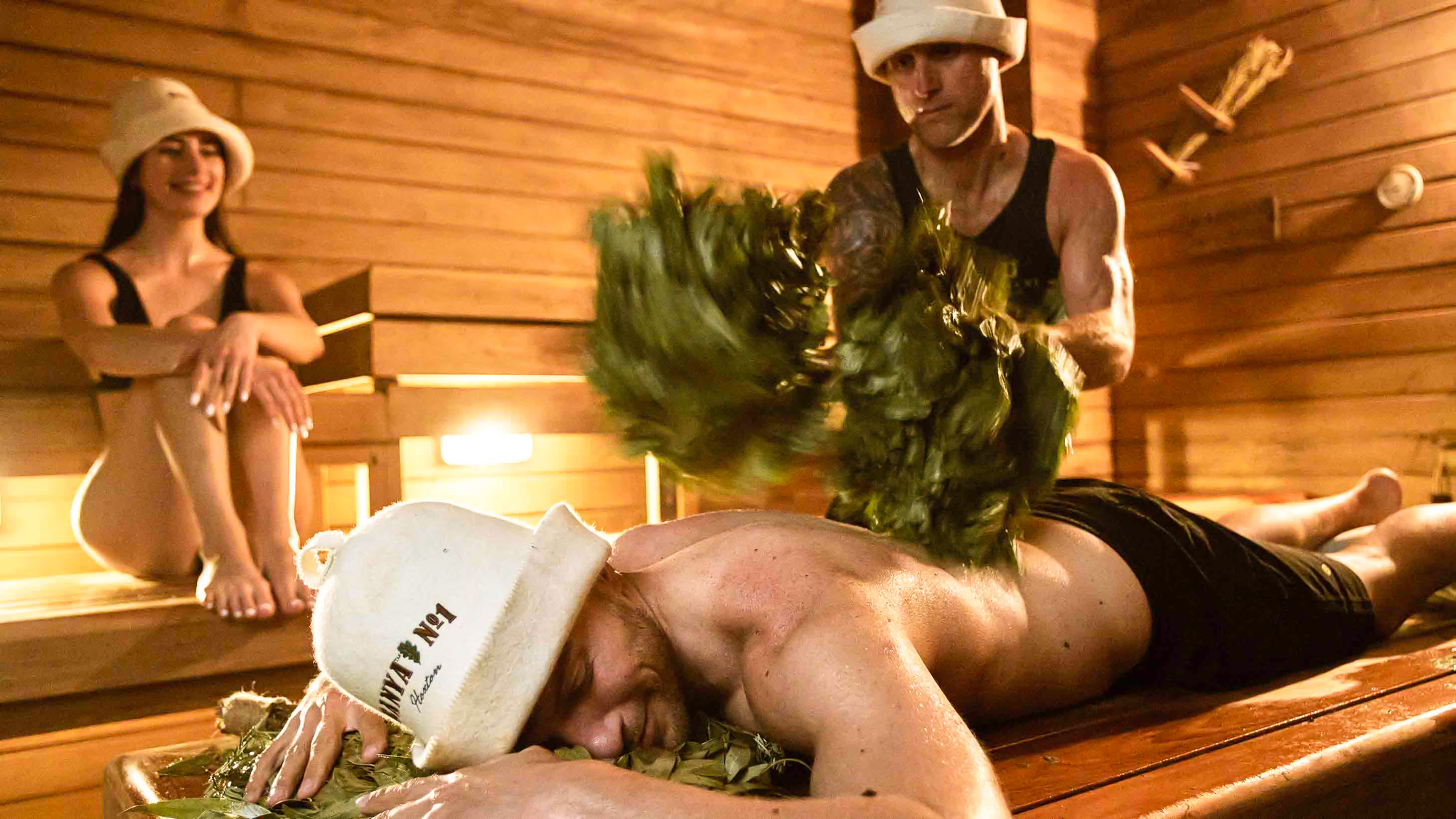
The defining feature of the banya is the parenie — a treatment using bundles of birch, oak or eucalyptus leaves (venik).
Andrei explains, “The parenie treatment is an intense process that becomes deeply relaxing by the end […] steam is expertly worked around your body with leafy branches to warm and invigorate you.”
Though you may have imagery of branches being aggressively whacked on the body, it’s far from that. Rather, it’s a controlled and immersive way of distributing heat across the body.
Emma adds that these rituals are part of a much broader experience: “A trip to the banya is a long, drawn-out ritual involving whisking with a venik, drinking, eating and getting clean.”
This is followed by a cold plunge or ice bucket shower — a contrast that Andrei says “triggers the release of adrenaline and stress hormones, leading to a heightened sense of invigoration”.
Social vs solitary
Saunas tend to lean towards quiet, individual meditation. According to Andrei, the banya, by contrast, is “traditionally communal and lively — a place where groups of friends and family come together, talk, eat and share in the ritual”.
This is reflected in the structure of modern banyas, where time is spent as much resting and socialising as it is in the steam room.
Structure
A traditional banya consists of three spaces: the steam room (parilka), a washing area with cold plunges and bucket showers, and a relaxation area.
The sauna, by comparison, is traditionally a single-room experience — although an increasing number are now accompanied by some form of cold therapy.
Read more: I tried a cold sauna and was amazed by the benefits
What are the health benefits of banyas?
Andrei explains the banya has long been described as “the people’s first doctor” — and modern research is beginning to support that idea.
Regular heat exposure has been linked to improved cardiovascular health, with studies showing significantly reduced risk of heart disease among frequent users.
The benefits are thought to extend further. Heat creates an artificial ‘fever state’, raising the body’s internal temperature, which can help to combat infection and promote healing.
The high-humidity steam supports respiratory health by providing temporary relief of congestion and loosening mucus.
Skin benefits are also notable: Andrei says that pores can open, circulation may increase and the venik massage works to support lymphatic drainage and tissue regeneration.
There are mental benefits, too. The heat can reduce cortisol and trigger endorphin release, with many reporting improved sleep and a lasting sense of calm.
Read more: ‘I swapped the pub for a cold plunge on a Saturday night — and I’d do it again’
Where to try a Russian banya in London
Banya No.1 Hoxton
Location: 17 Micawber Street, Hoxton, London N1 7TB
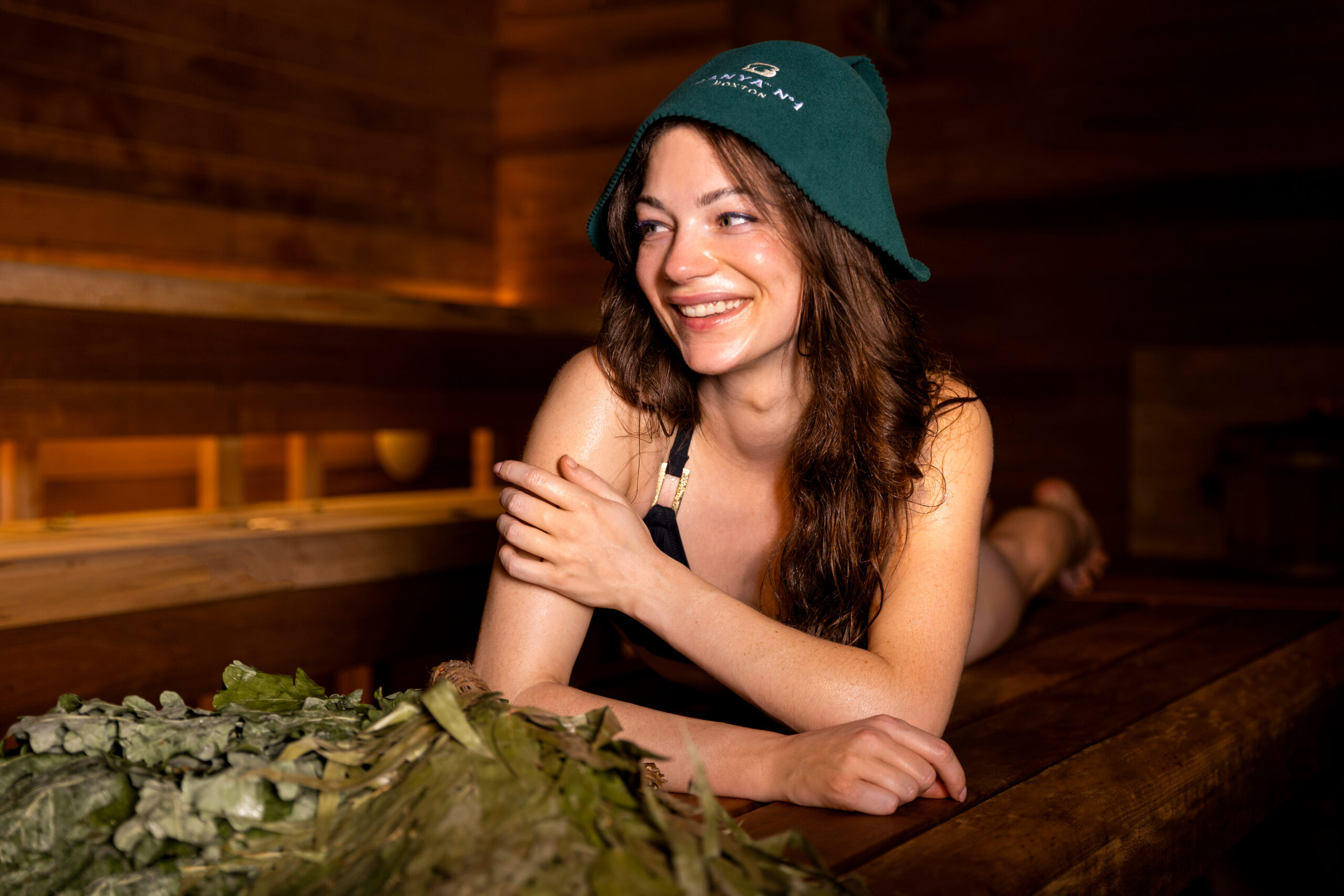
London’s first authentic Russian bathhouse, founded in 2012. Expect a traditional multi-room setup with steam room, cold plunge pool and bucket showers, alongside a cosy relaxation space.
For more information or to book, visit Banya No.1 Hoxton.
Banya No.1 Chiswick
Location: 404-406 Chiswick High Road, Chiswick, London W4 5TF
A newer, more design-led space offering the same core rituals in a slightly more polished setting. Popular for group bookings and longer, social sessions.
For more information or to book, visit Banya No.1 Chiswick.
The Bath House, Belgravia
Location: 1 Grosvenor Gardens, London SW1W 0BD
A more boutique, central option blending banya-style heat experiences with a broader spa offering. Less overtly social, but a good entry point for first-timers.
For more information or to book, visit The Bath House.
Feature image: Banya No.1 Hoxton