
Move over sauerkraut — this traditionally pickled Japanese plum is gaining attention in gut-friendly diets.
There’s something almost otherworldly about umeboshi. Despite its shrivelled skin and intensely sour-salty taste, the pickled Japanese stone fruit is gaining attention in the world of gut-friendly eating.
While more niche in the West than ferments like kimchi, kefir yoghurt and sauerkraut, these prune-sized pickles have long been a staple in Japanese cuisine.
Umeboshi has traditionally been valued as a digestive aid and palate cleanser, once fuelling samurai warriors; today, it’s a snack that appears in convenience stores.
As interest in gut health continues to grow, could it be the next fermented food to watch?
Read more: High-fibre drinks are trending — but can you really drink your way to better gut health?
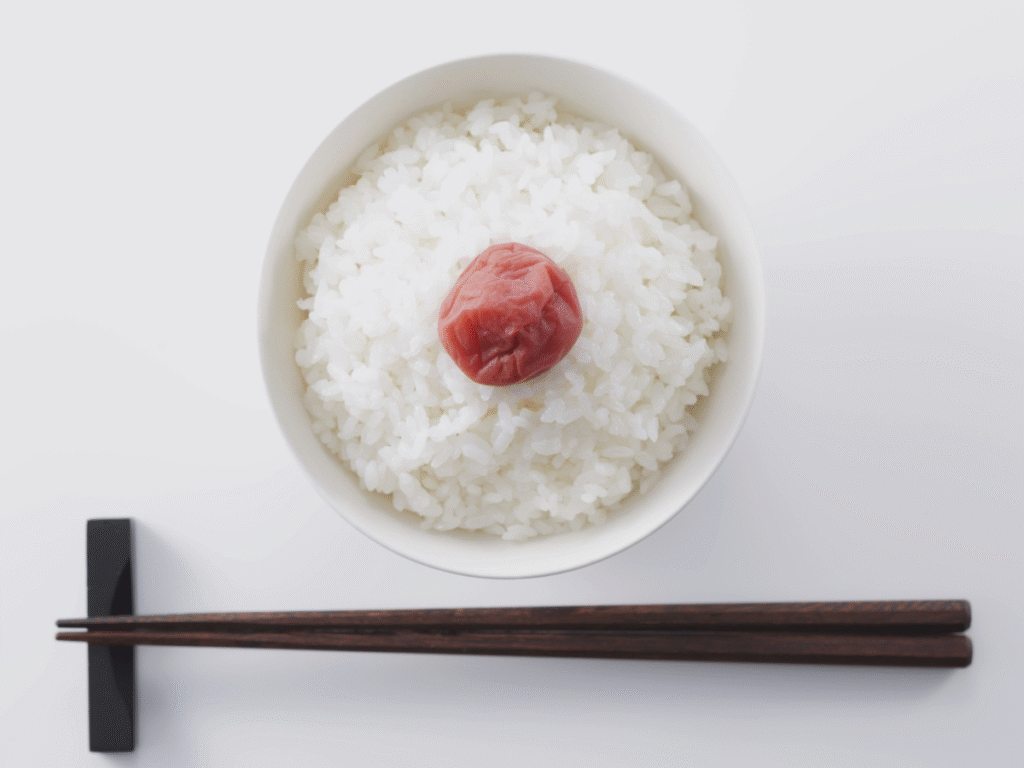
What is umeboshi?
Believed to have been introduced to Japan from central China more than 1,500 years ago, umeboshi are pickled stone fruits more closely related to a Japanese apricot or British greengage than a plum. Traditionally used to stimulate appetite and support digestion, they remain one of Japan’s most recognisable preserved foods.
The fruit is harvested in early summer, then salted and fermented in barrels for around a year. Shiso (perilla) leaves are often added during the process, giving the fruit its distinctive reddish hue. The high salt content draws out moisture, resulting in a wrinkled, soft texture. The umeboshi are then sun-dried and stored, allowing them to keep for months.
Read more: The surprising link between PCOS and gut health — and how to fix it
What does umeboshi taste like?
“The taste can be quite surprising as it’s not sweet or mild like most preserved fruits,” says Yukiko, a London-based registered nutritional therapist at Yukiko Nutrition. “It’s somewhat similar to a very sour and salty olive, but more intense in flavour, delivering a sharp burst of acidity and salt in a single bite.”
For this reason, milder versions — lower in salt or lightly sweetened with ingredients such as honey — are becoming more widely available as global demand grows.
For many, however, the flavour is deeply nostalgic. “I grew up eating umeboshi from my grandmother’s garden outside Tokyo,” says Yuki Gomi, author of Sushi at Home. “She would often make fresh dashi in the morning and add umeboshi for a rich umami flavour.”
Today, chefs around the world are embracing its bold profile, using it as an alternative to lemon juice or soy sauce in dressings, marinades and sauces.

Read more: The surprising link between PCOS and gut health — and how to fix it
How can umeboshi support the gut and wellbeing?
Thanks to its fermentation process, umeboshi contains organic acids — particularly citric acid — as well as polyphenols and other bioactive compounds. These have been linked to supporting normal digestion and contributing to normal gut health.
“Umeboshi contains naturally occurring citric acid, along with other bioactive compounds such as polyphenols, that may contribute to a range of potential health benefits,” says Yukiko.
Some research has also explored its potential role in supporting immune function and helping to maintain a balanced gut environment, although more evidence is needed to confirm wider health effects.
Because umeboshi is high in salt — around 3g per fruit — it’s typically consumed in small amounts, often limited to one per day in traditional Japanese diets.
“I was diagnosed with an inflammatory condition six years ago and started to look for natural remedies in traditional Japanese cooking,” says Yuki. “Umeboshi is a real hero, and I eat it every morning as part of my wellbeing routine.”
That said, both experts advise checking labels when buying ready-made versions. “Some may contain sweeteners, flavourings or preservatives,” says Yukiko. “It’s best to choose options with minimal ingredients, such as just ume and salt.”
Read more: Short on time? The viral Japanese walking method promises results in 30 minutes
Where to buy umeboshi
Most Asian speciality markets will sell at least one or two fresh variations of umeboshi for around £6, including natural natural in North London or Japan Centre Ichiba in Westfield’s White City.
It can, however, just as easily be ordered online either directly from brands like Clearspring (£9.99) or from Amazon (£9.78) and Planet Organic (£10.99).
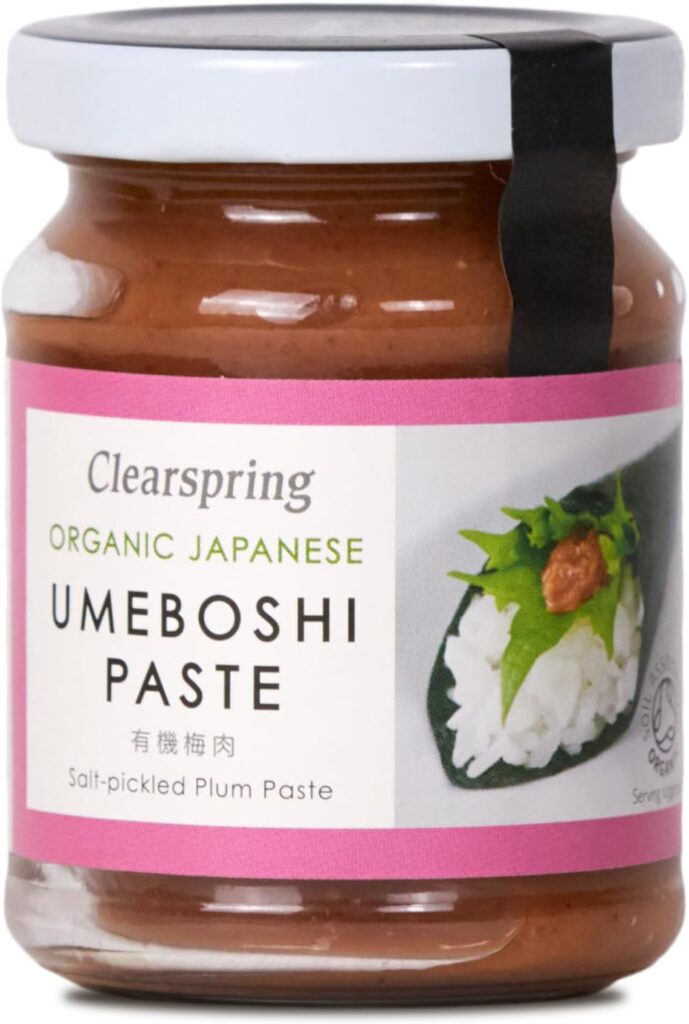
How to eat umeboshi
Wondering how to incorporate it into your diet? Its bold, salty-sour flavour works best when balanced with other ingredients.
Umeboshi and mackerel onigiri
A classic Japanese snack, these hand-shaped rice balls are often wrapped in nori and filled with umeboshi. For added nutrition, try pairing it with oily fish like mackerel and fibre-rich ingredients such as edamame. Using brown rice instead of white can further boost fibre and help regulate blood sugar levels.
Corn on the cob with umeboshi butter
Umeboshi paste can be whisked into softened butter to create a punchy, umami-rich spread. Brush over freshly grilled corn for a simple summer side with depth.
Okayu (rice porridge) with umeboshi
This comforting rice porridge is a staple in Japan, often eaten for breakfast or when feeling under the weather. Topped with umeboshi and a pinch of salt, it’s light, savoury and easy to digest.
Blood orange and fennel salad with umeboshi dressing
Blend umeboshi paste (or its brine) with honey, sesame oil and a splash of vinegar to create a sharp, balanced dressing. Toss with sliced blood orange and fennel for a fresh, zesty salad.
Coconut spritzer with umeboshi
For a refreshing post-workout drink, mix mashed umeboshi with coconut water and a splash of soda. The combination offers a naturally salty-sweet flavour that may help support hydration.
Feature image: Canva