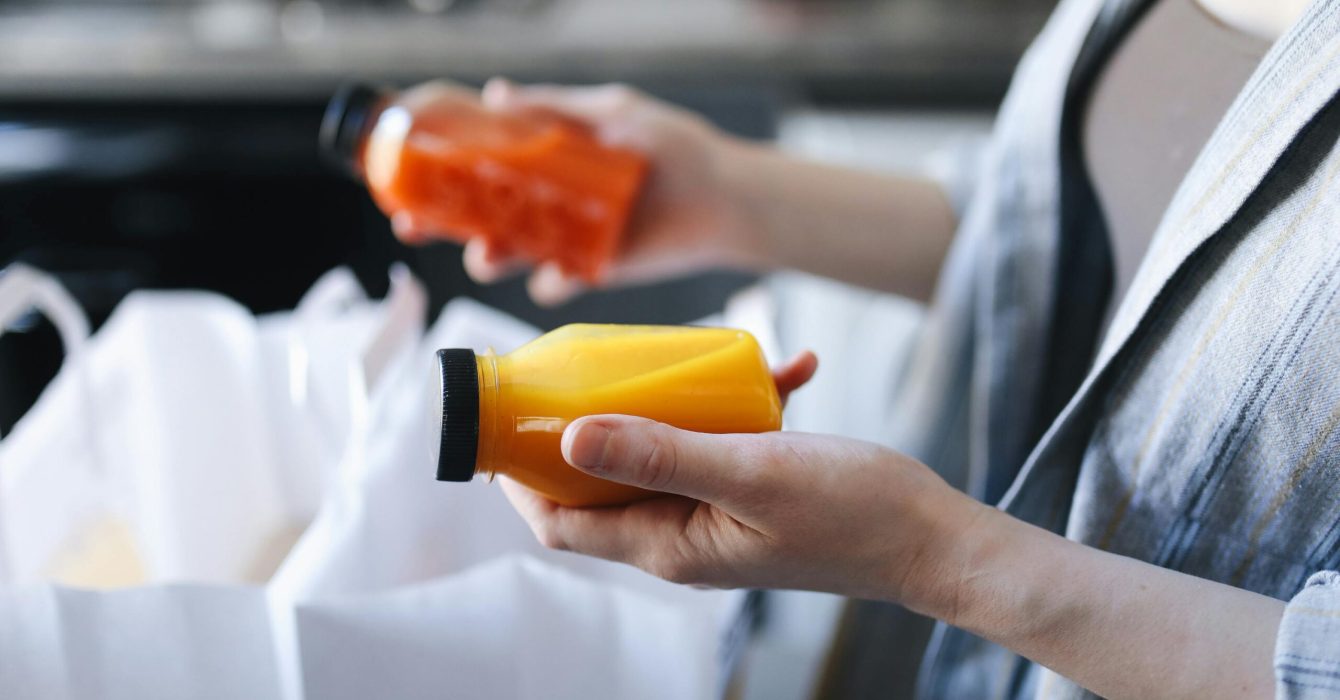
Could carrot juice be the miracle elixir for glowing skin and a natural tan? According to a select few influencers, yes. L360 investigates.
Carrots are — obviously — good for you. They support heart health, blood sugar regulation and provide antioxidants. I even remember that childhood rumour that eating them regularly could help you see in the dark, which I’ve since discovered originated from British World War II propaganda — and of course, it’s not true.
But I was surprised recently to see a cumulating number of influencers declaring that the one ‘non-negotiable’ secret to their radiant skin is none other than carrot juice. The sell? That drinking a cup of carrot juice can give you clear, glowing skin and the appearance of a natural, bronzed tint year-round.
I can’t deny that it piqued my interest. A miracle, carrot-based skin elixir poses an exquisitely provincial problem for the multibillion-pound skincare industry — and sounds quite unlikely.
Is there merit to this carrot craze? Am I about to dust off my seldom-used NutriBullet and buy a kilo of carrots each week? I tracked down two skincare experts to find out.
View this post on Instagram
Is carrot juice good for your skin?
The concept of drinking or eating your skincare isn’t new, but as the link between nutrition and skin health becomes clearer, more people are exploring ways to support their skin from within.
Carrot juice is packed with beta-carotene and vitamins A, C and K, which can help to promote collagen production, protect against UV damage and support normal skin cell regeneration, according to aesthetic doctor and founder of Skin Medical, Dr Sabika Karim.
She explains: “Beta-carotene is an antioxidant that can brighten the skin and help protect against free radicals. Vitamin C can help to strengthen skin and support elasticity, while vitamin A can help repair tissue and reduce inflammation, which can benefit acne-prone skin.”
So, some of the vitamins found in carrots may contribute to healthier skin. But can they give you everything you need?
According to aesthetician Dr Ed Robinson, unfortunately not. “While carrots and carrot juice are absolutely a part of a healthy diet and can contribute to the look of normal and healthy skin, they can’t replace a proper skincare routine.”
While it might be a scientific fact that carrots contain this wealth of vitamins and antioxidants to support skin health, the answer to radiant or healthy skin will never be in eating or drinking just one vegetable.
Dr Sabika says: “It’s about taking a multifaceted approach that incorporates a healthy diet, lifestyle, topical skincare regime and in-clinic treatments. While carrot juice is good for you, drinking carrot juice alone is unlikely to totally transform your skin, and more is not necessarily better.”
Read more: Is umeboshi the Japanese secret to gut health? Benefits and how to eat it
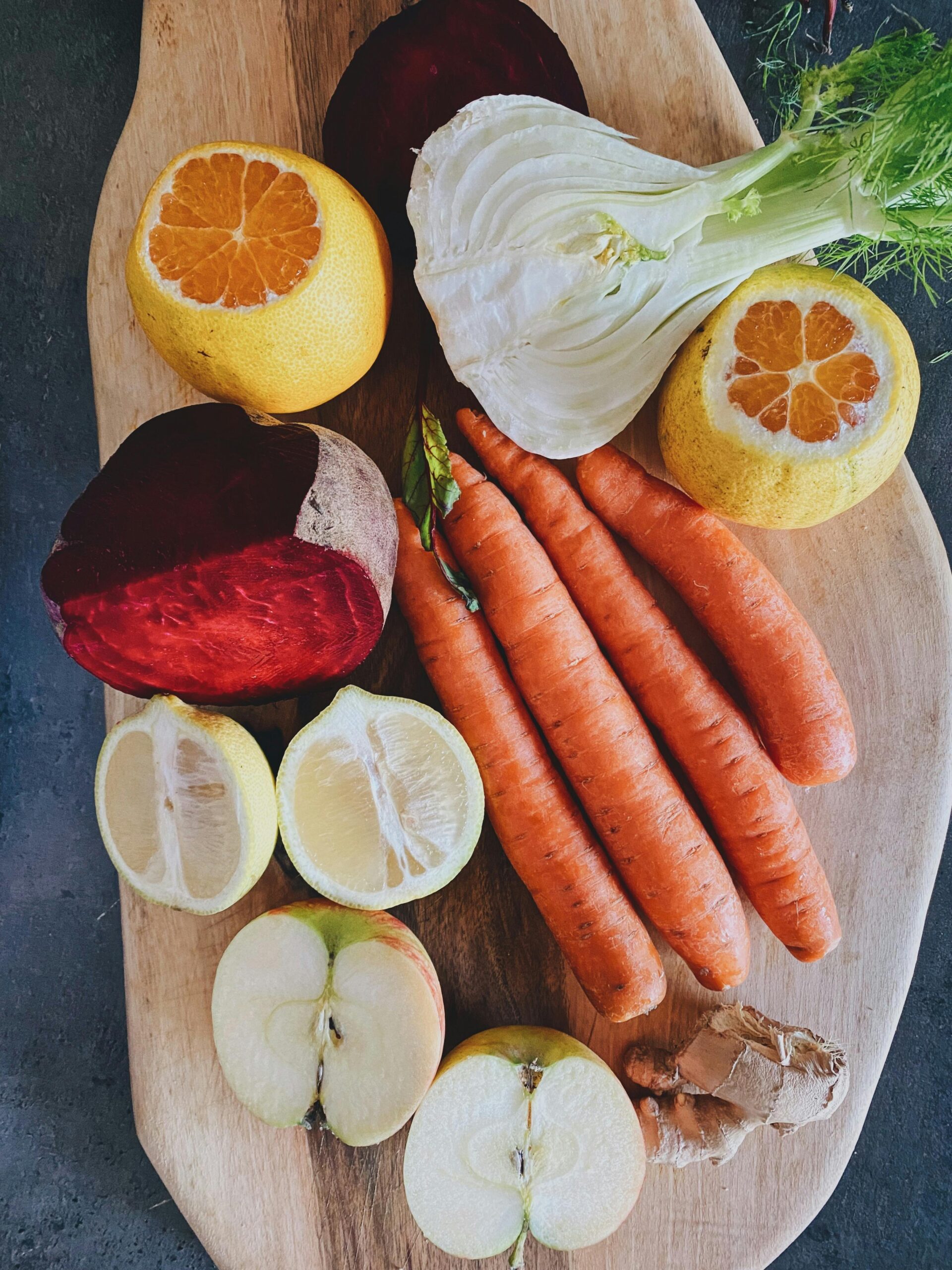
Does carrot juice make you naturally more tanned?
This is where it gets interesting. Dr Ed says that there’s evidence that higher intake of carotenoid-rich fruit and vegetables can subtly alter skin colour, giving a warmer yellow-orange tone that some people perceive as a ‘healthy glow’.
“With significantly high regular high intake, beta-carotene deposits in the skin and gives a yellow-orange warmth, which can make some people feel like they look more ‘golden’,” he explains.
However, Dr Ed notes that online claims are often exaggerated and the amount required to feel this effect would be fairly substantial.
Carrot juice may support general nutrition and contribute to a subtle glow in some people, but “that’s quite different from saying carrot juice will clear acne, reverse ageing, replace retinol, hydrate the skin from within or give the same results as a good skincare routine”, says Dr Ed.
Tips for making skin-boosting carrot juice at home
Dr Ed advises moderation. NHS guidance recommends limiting fruit juice, vegetable juice and smoothies to a combined total of 150ml per day, because juicing releases sugars and can affect teeth, even when there’s no added sugar. “Whole carrots, or a blended smoothie that keeps more of the fibre, are usually a better everyday option than large glasses of juice.”
Food hygiene also matters. “Wash hands, wash and scrub produce properly, remove bruised or damaged areas, keep equipment clean, refrigerate fresh juice and drink it promptly,” he says. “Fresh, untreated juices can carry bacteria from raw produce, so extra care is needed for children, older adults, pregnant women and anyone immunocompromised.”
A practical tip is that beta-carotene is fat-soluble, so absorption may be better when carrot is eaten with a meal containing some fat — yoghurt, nuts, avocado, olive oil or eggs, for example.
Read more: Eat your skincare: beauty experts reveal the best foods for every skin concern — from acne to wrinkles
View this post on Instagram
Where to get the best fresh carrot juice in London
Miracle skincare solution or not, it’s still delicious and good for you. If you’re on the look out for a refreshing carrot juice (or juice containing carrot), these are L360 team’s favourite fresh juice spots.
- Lunar Coffee & Salad Bar, Kentish Town
- Boost Juice Bars, across London
- Portobello Juice, across London
- Good Life Eatery, across London
- Guanabana, Kentish Town
- Oasis Juices, Shepherd’s Bush
- M&S, across London
Feature image: Pexels