Pronounced ‘oo-beh’, the vibrant Filipino yam is reshaping modern dessert culture, appearing on everything from coffee menus to bakery counters.
There are certain foods that seem destined to go viral. Dubai chocolate was undoubtably the flavour of 2025, and matcha has enjoyed a long stint in the spotlight.
Now, FYPs across the UK are turning purple. Ube — the vividly violet yam beloved in Filipino cooking — has become the latest ingredient to migrate from heritage staple to global lifestyle obsession.
Last year, exports of ube and ube-based products surpassed $3 million (£2.2 million), according to the Philippines Department of Trade and Industry — around a 20% increase from 2024. Part of that surge, oddly enough, can be traced back to matcha: a global shortage of the green stuff pushed cafes and beverage brands to search for a similarly photogenic replacement. They found it in ube.
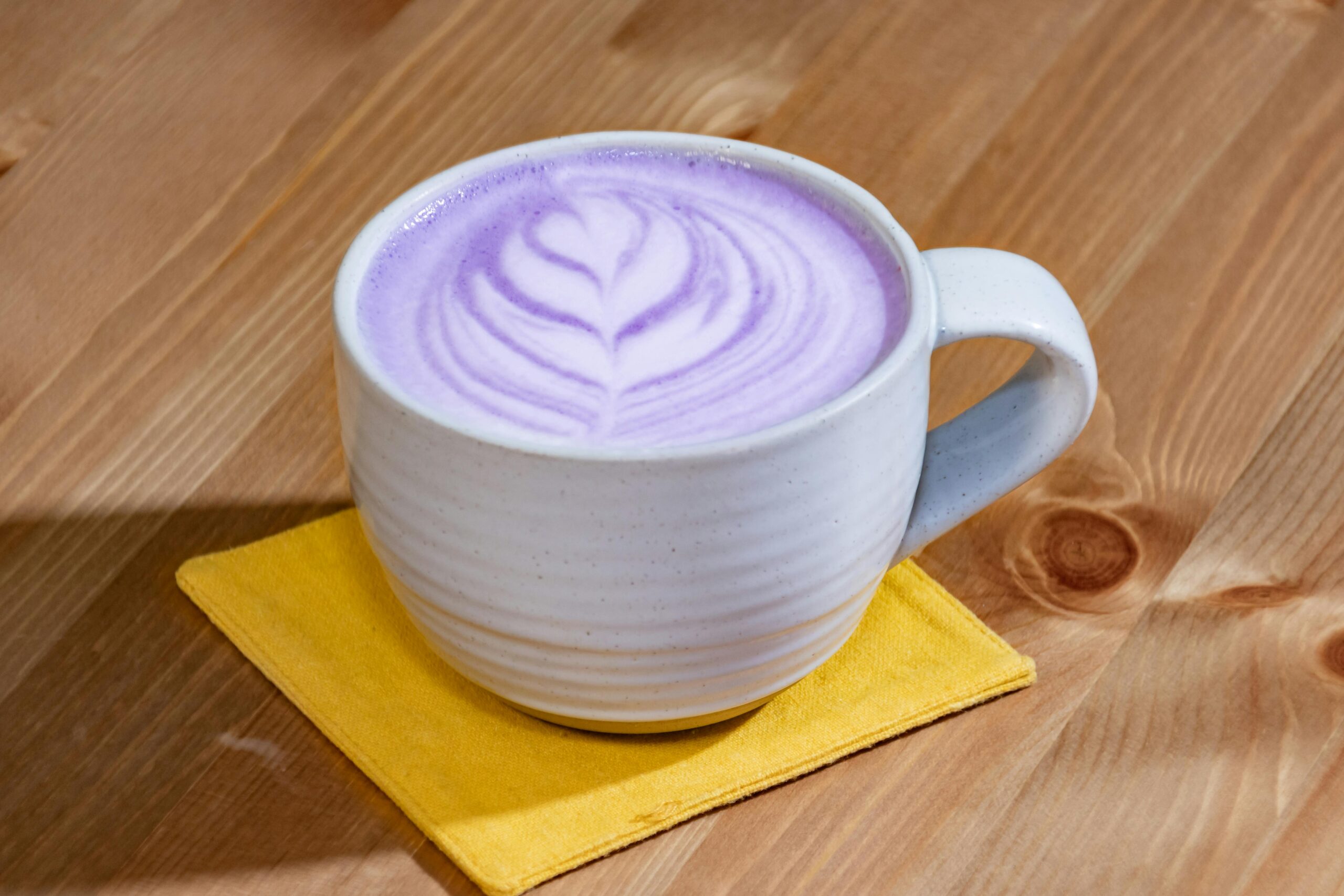
“What’s changed is how widely it’s showing up now,” says private chef and founder of Ocean Earth Chefs Barry D’Arcy, who has watched the ingredient move steadily from specialist bakeries onto mainstream menus. “We’re seeing it in bakeries, coffee chains and even restaurants in more creative ways — from tiramisus to doughnuts.” And, of course, in lattes.
Read more: From matcha to iced coffee — your favourite summer drinks could be harming your gut health
Why ube is trending in 2026
At first glance, ube appears almost too perfect for the current food landscape: it’s naturally purple, visually arresting, and instantly recognisable on social media feeds engineered around colour and novelty.
Yet unlike many viral ingredients, its appeal extends beyond appearance. Beneath the theatrical hue is a flavour profile that feels surprisingly familiar — gently nutty, faintly vanilla-like, with hints of pistachio and coconut. Its sweetness is soft rather than sharp; its texture, when cooked properly, closer to custard than starch.
“People expect something intense because of the colour,” Barry explains. “But it’s actually quite subtle. That’s where people can get it wrong — they expect more than it’s meant to give.”
Read more: Hojicha is this season’s hottest drink order
What does ube taste like?
Native to the Philippines, ube — or Dioscorea alata, to use its scientific name — has been part of Filipino desserts for generations. Traditionally, it’s boiled and mashed into ube halaya, a rich purple jam often made with condensed milk and butter. From there, it’s folded into cakes, pastries, halo-halo (a layered frozen dessert), ice cream and celebration dishes whose recipes are often inherited rather than written down.
For many Filipinos, then, the sudden Western fascination with ube can feel both gratifying and strangely flattening. Online, it’s frequently described as ‘the new matcha’, a comparison that’s convenient for marketers but less satisfying culturally. Matcha is a ceremonial tea with centuries of ritual attached to it; ube, too, carries history and significance. To reduce it to a colour palette risks stripping away the context that gives it meaning.
The Filipino TikTok creator Kristina Rodulfo recently criticised brands treating ube merely as aesthetic shorthand. “You can’t separate ube from Filipino culture,” she wrote. “It’s not just a pretty purple colour.”
@kristinarodulfo I’m seeing ube EVERYWHERE from headlines in the NYT and BBC to the Starbucks menu… so it’s only a matter of time before we see it on beauty shelves. Here’s what not to do as a beauty brand when making an ube-inspired product. You can’t separate ube from Filipino culture–it’s not just a pretty purple color. And, if you’re a beauty brand that plans to capitalize on the ube “trend” and care about doing it with intention…CALL ME! Ultimately, the best thing we can do is to support filipino-owned brands like @Filipinta Beauty !💜🇵🇭
Read more: Matcha addict-approved London spots to get your caffeine fix
Is ube healthy? The nutritional benefits of purple yam
The distinction matters, particularly as large chains race to capitalise on the ingredient’s popularity. Increasingly, ube appears in heavily sweetened syrups, synthetic powders and hyper-processed drinks whose flavour bears only a passing resemblance to the yam itself.
Lily Keeling, senior recipe development manager and registered nutritionist at Green Chef, notes that many commercial ube lattes lose much of what makes the ingredient nutritionally interesting in the first place. Ube is naturally rich in anthocyanins (the antioxidants found in blueberries) as well as vitamin C, potassium, fibre and complex carbohydrates that release energy gradually.
“Chain lattes often rely on highly processed ube syrups or powders with added sugars and artificial dyes,” she says. Her preferred alternative is far simpler: pure ube powder whisked into oat or coconut milk with a touch of honey.
Read more: High-fibre drinks are trending — but can you really drink your way to better gut health?
How to use ube at home
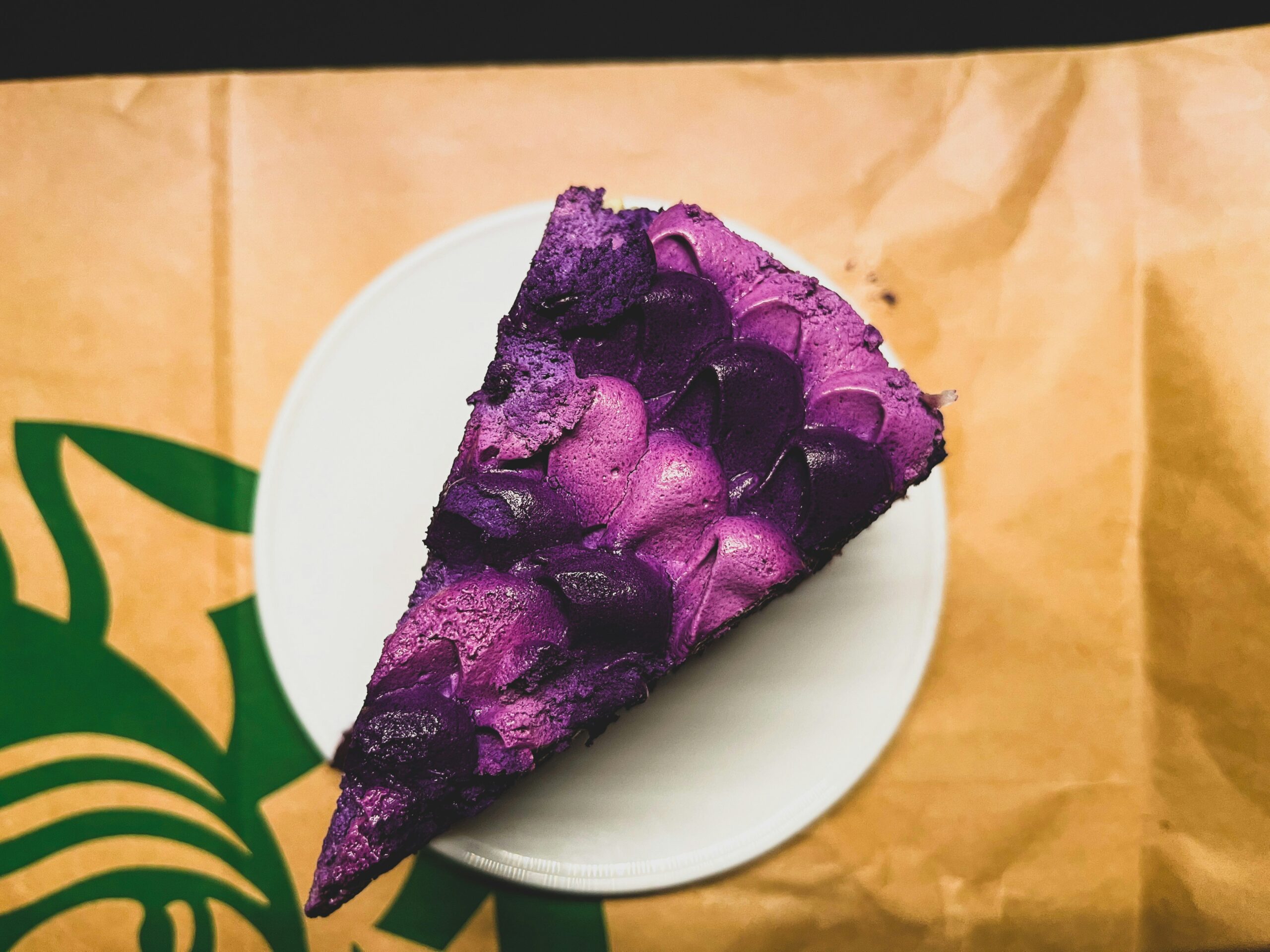
At home, ube lends itself surprisingly well to everyday cooking. It can be roasted like a sweet potato, folded into porridge, blended into smoothies or baked into soft breads and cheesecakes where its mellow flavour has room to emerge.
Barry particularly likes it in dairy-heavy desserts and enriched doughs. “Fat carries ube really well,” he says. “Cream, butter, coconut milk — that’s when you get the fullest flavour.”
Part of ube’s appeal lies in this versatility. Unlike trend ingredients that require consumers to radically alter their habits, ube slips neatly into formats people already understand: doughnuts, iced drinks, sponge cakes and ice cream.
Fresh ube can be bought in Asian supermarkets across the UK, or you can order pastes, powders and syrups online.
Read more: Is umeboshi the Japanese secret to gut health?
The best Filipino-owned cafes at which to try ube in London
Still, perhaps the most meaningful way to experience ube is not through a seasonal menu item at a multinational coffee chain, but through the Filipino businesses that have carried it long before it became fashionable.
In London, places like Kasa and Kin continue to serve traditional Filipino desserts rooted in family-style cooking, while cult dessert spot Mamasons Dirty Ice Cream has built a devoted following around ube ice creams and sundaes made with real ube halaya.
Cafe Mama & Sons in Kentish Town also serves a delicious ube matcha that pairs perfectly with traditional sandos.
There is, after all, a difference between discovering an ingredient and embracing the culture that shaped it.
Feature image: Brands/Canva