From juggling careers to navigating hormonal changes, many women accept exhaustion as part of life. But according to Fearne Cotton, normalising fatigue could mean missing signs of underlying health conditions.
These days, it feels like being a ‘modern woman’ is synonymous with being exhausted. Many are juggling a perpetual slew of responsibilities, moving between work, caregiving and household duties while rarely giving themselves a break.
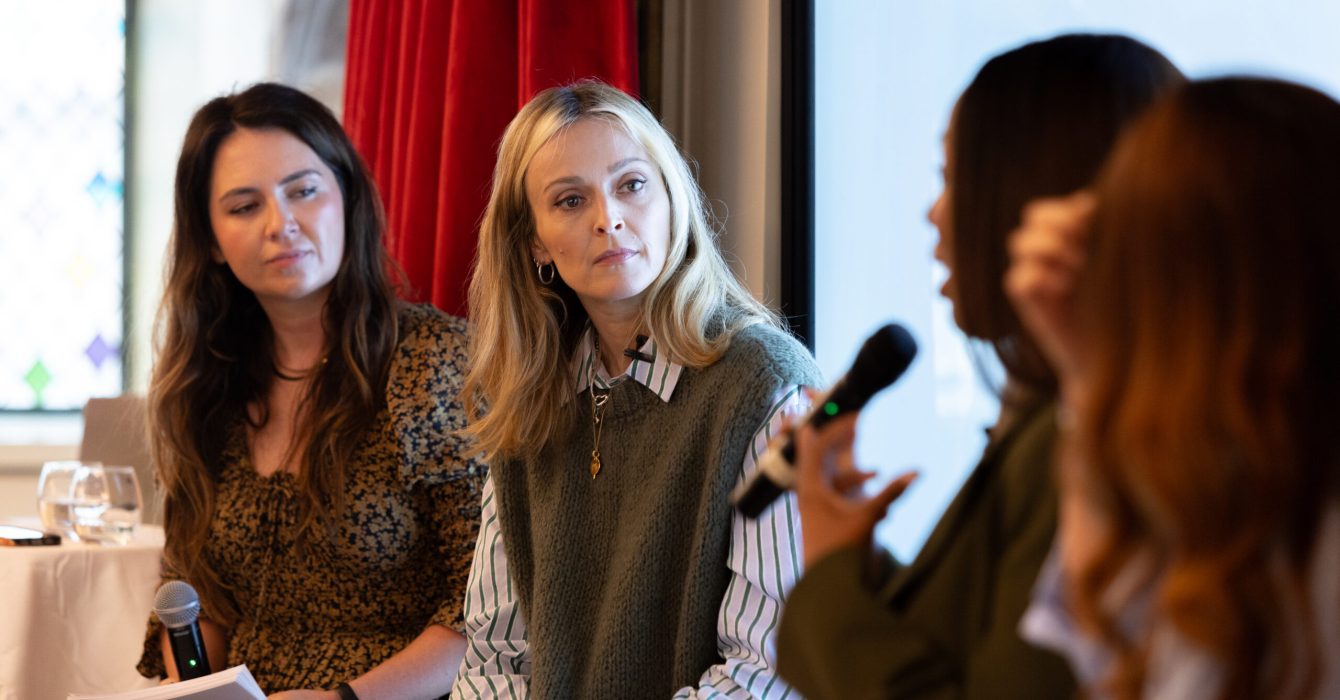
“Our generation of women are under so much pressure,” said radio presenter and podcaster Fearne Cotton, speaking at a panel event on Wednesday 10 June.
“Years ago, women’s main role was often seen as being the primary caregiver. Now we’re expected to have demanding careers and ambitious goals while still being the person tracking the kids’ schedules, organising lunchboxes and making sure dinner gets on the table.”
While every household is different, many women continue to shoulder a disproportionate share of the unpaid labour, even when both partners work full time. On top of this, some belong to the so-called ‘sandwich generation’ caring for both children and ageing parents at the same time.
It’s no surprise, then, that women are tired. The problem, according to the panel, is that exhaustion has become so commonplace that most no longer question it.
“It’s normalised,” said GP Dr Tosin Sotubo-Ajayi. “We’re not wondering why we feel like this. Instead, we’re questioning why we can’t keep up, which only leads to doing more and trying harder.”

When exhaustion is the collective baseline
This acceptance of constant fatigue has consequences. Research has shown that although women live longer than men on average, they spend 25% more of their lives in poor health.
Part of this is down to historical gaps in women’s healthcare, but wider societal factors play a role. Gender roles (including unequal caregiving responsibilities), barriers to healthcare access and persistent gender bias within medical systems mean that women are still more likely to develop chronic diseases than men.
As a result, many women find themselves trapped in a cycle of overwork, burnout and symptom dismissal.
“If you’re expecting to feel exhausted all the time, you’ll often brush off symptoms such as brittle hair, brain fog and concentration issues as signs of a busy life,” said nutritionist Cara Shaw. “But if you’re dismissing everything as burnout or stress, you could be missing signs of an underlying condition that needs attention.”
Read more: There’s more to high-protein breakfasts than weight loss, they help with energy and focus too
The danger of ignoring the signs of burnout
Fearne added that she feels that modern life is set up for women to feel depleted: “We’re still very much operating within patriarchal frameworks and systems that weren’t designed with women’s biology in mind.”
Women’s bodies experience unique physiological demands throughout life. Hormonal fluctuations across the menstrual cycle can influence energy levels, mood and concentration, while perimenopause and menopause can bring symptoms including fatigue, brain fog and mood changes.
The challenge is that when women expect these fluctuations, it can become difficult to recognise when symptoms have moved beyond what’s normal.
“When you’re moving at full speed all the time, you don’t notice patterns,” said Cara. “You don’t have the time to realise when something has changed.”
Cara added that she sees many of the symptoms women commonly associate with being overworked precede the diagnosis of an underlying health issue, with iron deficiency being one of the most common examples.
“Iron deficiency symptoms are closely linked to low mood, depression and fatigue,” she explained. “Iron is a key co-factor in the production of dopamine and adrenaline, so low levels can have a significant impact on how you feel.”
Read more: 7 wellness shot recipes for boosted energy, immunity, and gut health

Are women more vulnerable to iron deficiencies?
Around 12% of premenopausal women in the UK are estimated to be iron deficient, while globally around 30% of women of reproductive age are affected.
“Blood loss through periods leaves women at greater risk,” said Cara. “Although it’s important to remember that men can also become iron deficient.”
Other lifestyle factors can compound the problem. Many women are constantly rushing, eating on the go, skipping meals or squeezing them into already packed schedules.
“People don’t realise that iron absorption is about more than just what you eat,” said Cara. “Timing matters too. If you’re eating while distracted or rushing, absorption can be affected.”
Food and drink substances such as coffee — which many people rely on to push through the fatigue — can also play a role: “The tannins in coffee can interfere with iron absorption,” she explains. “Try to eat iron-rich foods, and take supplements at least a couple of hours before or after your coffee.”
Read more: Tired all the time? You’re probably not resting properly – here’s how to
View this post on Instagram
So, what’s the solution?
The panel’s advice is simple: slow down enough to notice what your body is telling you.
“If you never stop, you’ll never notice when something isn’t right,” said Cara.
Rather than accepting exhaustion as inevitable, she encourages women to become curious about persistent symptoms and pay attention to changes.
Dr Tosin agreed. “If you’re feeling run down, don’t just address symptoms, seek medical advice, ask for the appropriate investigations and find out the root cause.”
But you’ll need to advocate for yourself. She recommends preparing for appointments in advance by writing down symptoms, concerns and questions. “Appointments can be short, so being prepared helps your doctor connect the dots. Think of it like a work meeting — arrive prepared.”
For women diagnosed with iron deficiency, supplementation may form part of the solution. For this, Dr Tosin and Cara recommended Blue Iron, a product which Cara explains is micro encapsulated, so it’s not going to leave unbound iron in the stomach, meaning it won’t interact with compounds that affect normal absorption.
However, Cara stressed that treating a deficiency is only one part of the picture.
“It could be hormonal imbalances, thyroid disorders or something else entirely,” she said. “Healthcare shouldn’t just be about treating a deficiency with a supplement. We need to understand why the deficiency exists in the first place.”
For Dr Tosin, the main takeaway is crucial: “I say this all the time when it comes to women’s health, but just because something is common doesn’t mean it’s normal.”
Symptoms worth paying attention to:
- Persistent fatigue
- Brain fog
- Difficulty concentrating
- Brittle hair
- Low mood
- Dizziness
- Shortness of breath
- Changes to your menstrual cycle, including missed periods
If you notice any of these symptoms, contact your GP or healthcare provider and book an appointment as soon as possible. Be sure to advocate for yourself, request the relevant investigations and discuss any concerns you may have.
Feature image: JV Publicity