As part of Living360’s partnership with Crohn’s & Colitis UK, one woman debunks the biggest misconceptions about living with a stoma — with expert insight from an IBD nurse.
When Sophia Constantinides was told she would need a permanent ileostomy, she felt “defeated” by her disease.
After years of living with inflammatory bowel disease (IBD), things had finally started to improve. A new medication had pushed her suspected Crohn’s or Colitis close to remission, easing years of anxiety, isolation and illness.
Then came the phone call. Doctors had discovered low-grade dysplasia — pre-cancerous cells growing in her colon — placing her on what she describes as “an almost inevitable path of colon cancer”. The safest option was major surgery: removing her large intestine and fitting a permanent ileostomy.
“Being told you need to have such life-altering surgery is terrifying,” she says. But for Sophia, the emotional complexity went beyond fear alone.
“Most IBD patients feel hope that all these horrible symptoms and feelings of shame and sadness will finally come to an end,” she explains. “That was not the case for me. At that point my IBD was in near remission, and I had virtually no symptoms.”
Now more than a year post-surgery, Sophia’s adjusting to her new sense of normal. And getting there meant confronting not only surgery itself, but the many misconceptions people still hold about life as an ostomate (someone living with a stoma).
Read more: What life’s really like for young women living with Crohn’s and Colitis
Myth: A stoma will completely ruin your life
For Sophia, surgery was undeniably life-changing — but not in the way she once feared. “It has taken me a very long time to accept my current body,” she says. “But I am so incredibly proud of myself.”
Today, she strength trains, travels and describes herself as stronger than she ever imagined.
According to Pearl Avery, IBD nursing lead at Crohn’s & Colitis UK, this is something many patients eventually experience.
“While it is a significant adjustment, many people experience improved quality of life,” she explains, particularly when a stoma relieves symptoms like pain, urgency and fatigue. “With the right support, people return to full, active lives.”
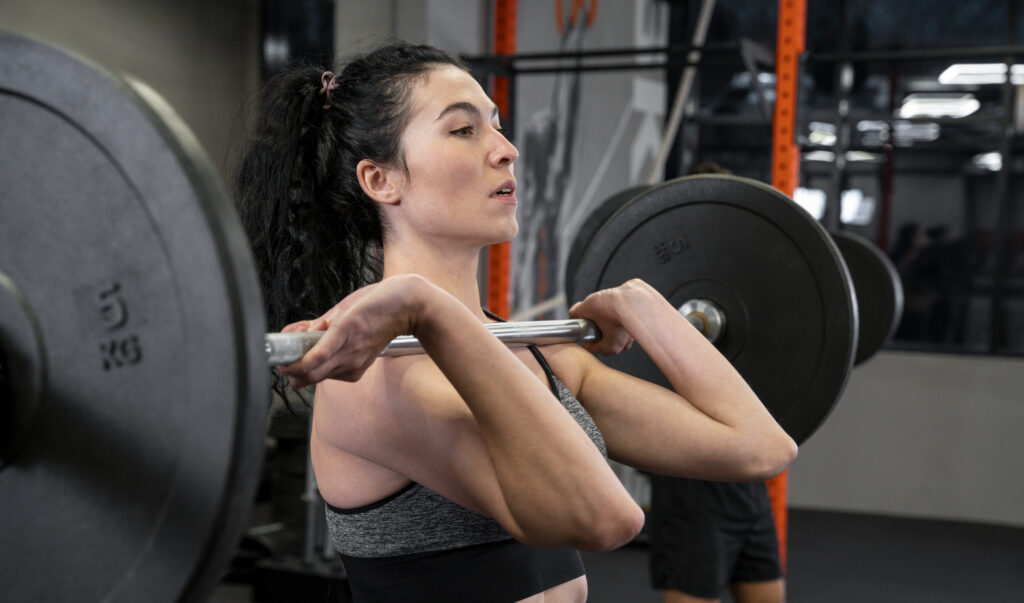
Myth: You can’t exercise or lift weights with a stoma
One of the biggest myths Sophia encountered was the idea that a stoma meant the end of physical activity. “‘Do not lift anything heavier than a half-full kettle’ was advice I saw everywhere,” she says.
While recovery after surgery does require caution, Sophia quickly realised movement was essential to rebuilding confidence in her body. Starting slowly with a personal trainer and Pilates instructor, she gradually rebuilt her strength.
“Now I’m deadlifting 55kg — and counting,” she shares.
Pearl says exercise is not only possible, but encouraged. “Most people can return to the majority of physical activities, including swimming, gym and even strenuous exercise,” she explains. “Some adaptations may be needed initially, but activity is encouraged.”
Read more: What Adele Roberts wants you to know about running with a stoma
Myth: You can’t eat normally with a stoma
As a vegetarian, the idea of additional long-term food restrictions was one of Sophia’s biggest fears before surgery. “If something feels restrictive or contains the word ‘diet’, I know I won’t keep up with it,” she says.
While certain foods can require caution early on, she discovered things were far more flexible than she expected. “I can tolerate most foods,” she says, although she jokes that instant noodles remain firmly off the menu.
Pearl says there is rarely a one-size-fits-all approach. “Diet can often return to a varied, balanced pattern,” she explains. “Some individuals may identify foods that don’t suit them, particularly early on, but there are rarely strict long-term restrictions.”
Myth: You have to hide your stoma
Sophia believes many people still see stomas through the lens of embarrassment or limitation. Even shopping for underwear became unexpectedly emotional. “I appreciate brands making stoma-friendly lingerie,” she says, “but I can’t get over how old-fashioned and unsexy it is.”
The issue, she explains, isn’t vanity. It’s about self-confidence and identity. “People with stomas deserve to feel just as confident and sexy as everybody else.”
Pearl says confidence often grows with time and support. “Having a stoma is a medical intervention that improves health,” she explains. “With proper education and support, confidence typically builds and stigma reduces.”

Read more: Why Living360 is partnering with Crohn’s & Colitis UK for the Edinburgh Marathon 2026
Myth: Stoma leaks happen constantly
Before surgery, Sophia was convinced leaks would dominate her life. “Thinking back to it now, it’s ridiculous,” she says. “I was about to have entire organs removed […] yet my biggest concern was soiling my clothes.”
While leaks can happen, she says they are far less common than people assume and usually manageable with the right products and support. “Barrier rings are a lifesaver,” she adds.
Pearl agrees that contemporary stoma products are discreet and secure. “Modern appliances are designed to contain odour effectively when sealed correctly,” she says. “Good stoma care means it is clean and hygienic.”
Myth: You should always feel grateful
Perhaps the most surprising thing Sophia has learned is that life after surgery can feel emotionally complicated.
“I am incredibly grateful and elated that my operation was a success,” she says. “But it’s also strange not needing my doctors in the same way anymore.”
After years of regular appointments and monitoring, she describes losing that structure as unexpectedly difficult. “I have to learn how to stand on my own and take responsibility for my health.”
It’s a reminder that recovery is rarely linear — and that gratitude and grief can coexist.
Advice to new ostomates
Sophia’s biggest advice to anyone facing stoma surgery is simple: ask questions.
“The way you demystify the unknown is by asking as many questions as possible,” she says. “Ask doctors, nurses, people with stomas — ask, ask, ask.”
Most importantly, she hopes people feel less afraid.
And for everyone else — friends, family, colleagues — she believes there’s one thing worth remembering. “There’s a difference between pity and empathy,” she says. “Don’t feel sorry for us. Just be understanding.”
Because while a stoma may change someone’s life, it does not diminish it.
If you’d like to support Living360’s fundraising efforts for Crohn’s & Colitis UK, visit Evelyn’s JustGiving page.
Feature image: Canva