The health secretary has announced that women attending routine NHS health checks in England will be asked about menopause symptoms for the first time.
For years, menopause — despite its profound impact on physical and mental wellbeing — has slipped through the gaps of routine healthcare screening. But finally, women are starting to be heard.
From 2026, menopause screening will be officially added to NHS health checks in England for the first time, meaning women aged 40-74 will be proactively asked about menopause and perimenopause symptoms during their five-yearly check-ups.
It’s a major milestone in women’s healthcare — and Living360 is proud to have supported the wider push for change.

Read more: A gentle guide to navigating perimenopause
Filling the women’s health gap
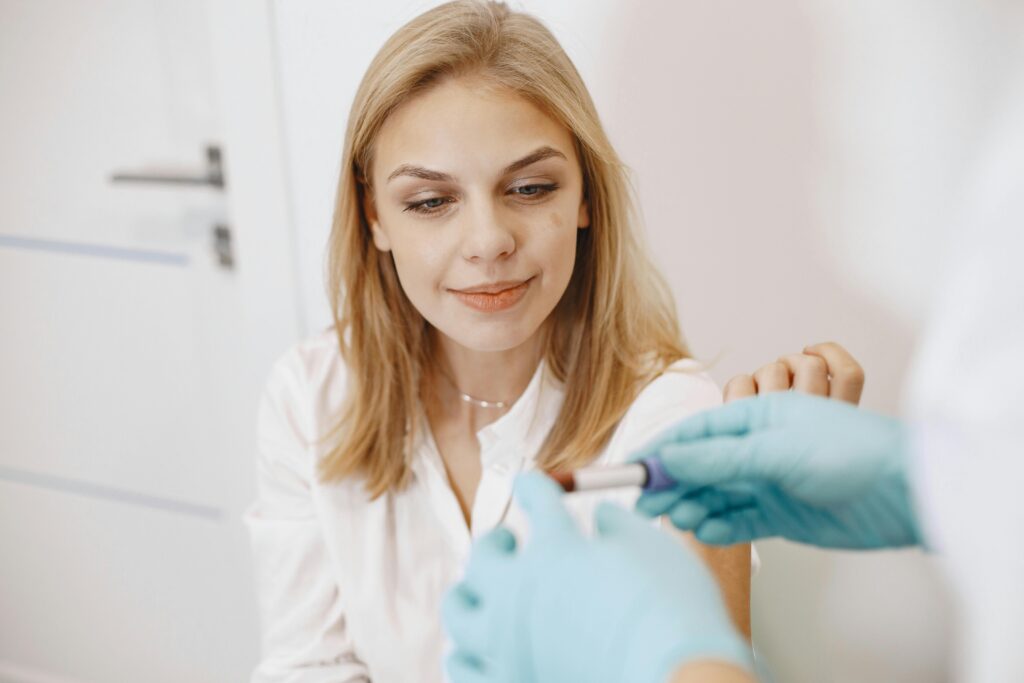
NHS Health Checks already screen adults aged 40-74 for risk factors like cardiovascular disease, diabetes, kidney disease and dementia, using measurements such as blood pressure, cholesterol and BMI.
But until now, questions about menopause — a health transition affecting millions of women — haven’t been part of this conversation. That has left many struggling to navigate symptoms such as hot flushes, night sweats, anxiety and brain fog with little clinical support or guidance.
Health secretary Wes Streeting said the move will help bring menopause “into the mainstream”, recognising that too many women have been left to cope alone with symptoms that can be debilitating.
Read more: Women are feeling increasingly negative towards menopause — here’s how to improve your experience
From petition to policy
Living360 launched a menopause campaign in 2024 to raise awareness of the issue, and started a petition to call for menopause support to be included in NHS Health Checks. This came after our survey of over 600 women found that more than 60% felt uninformed about healthcare choices during and after perimenopause.
We also discovered that while NHS Health Checks should be offered every five years from age 40, more than 70% of women weren’t contacted by their GP, and menopause was only discussed in around 5% of appointments.
Our petition, which gathered over 2,600 signatures, contributed to the wider chorus of voices — from clinicians to women’s health charities — pushing for change. While this policy win reflects broader momentum across the health sector, we’re proud to have supported it.
Anna Evdokimou, Living360’s acting editor, says: “I’m so happy that Living360 played a role in initiating such an important change. Perimenopause and menopause are life stages that have long been overlooked, and we’re so pleased that women will finally get the care and services they deserve.”
What will actually change?
From 2026, women attending their NHS Health Check will:
- Be asked about menopause and perimenopause symptoms as part of the standard screening process.
- Be signposted to support and advice on managing symptoms.
- Potentially get earlier access to treatment options such as HRT, symptom-targeted medications and counselling.
The exact questions are still being developed, but the aim is clear — to identify women struggling with menopause symptoms sooner and open the door to tailored support.
Read more: 5 natural and holistic menopause treatments to try

This is just the start
Including menopause in NHS Health Checks is a big step forward — but it’s not a silver bullet.
Experts have highlighted ongoing inequalities in uptake of NHS health checks, particularly in underserved and ethnically diverse communities, meaning not every woman may benefit equally if access isn’t improved.
And while this change helps normalise menopause conversations in clinical settings, there’s also a need for better menopause training for healthcare professionals, stronger community outreach and continued public awareness, so women feel empowered to use these services.
Feature image: Pexels