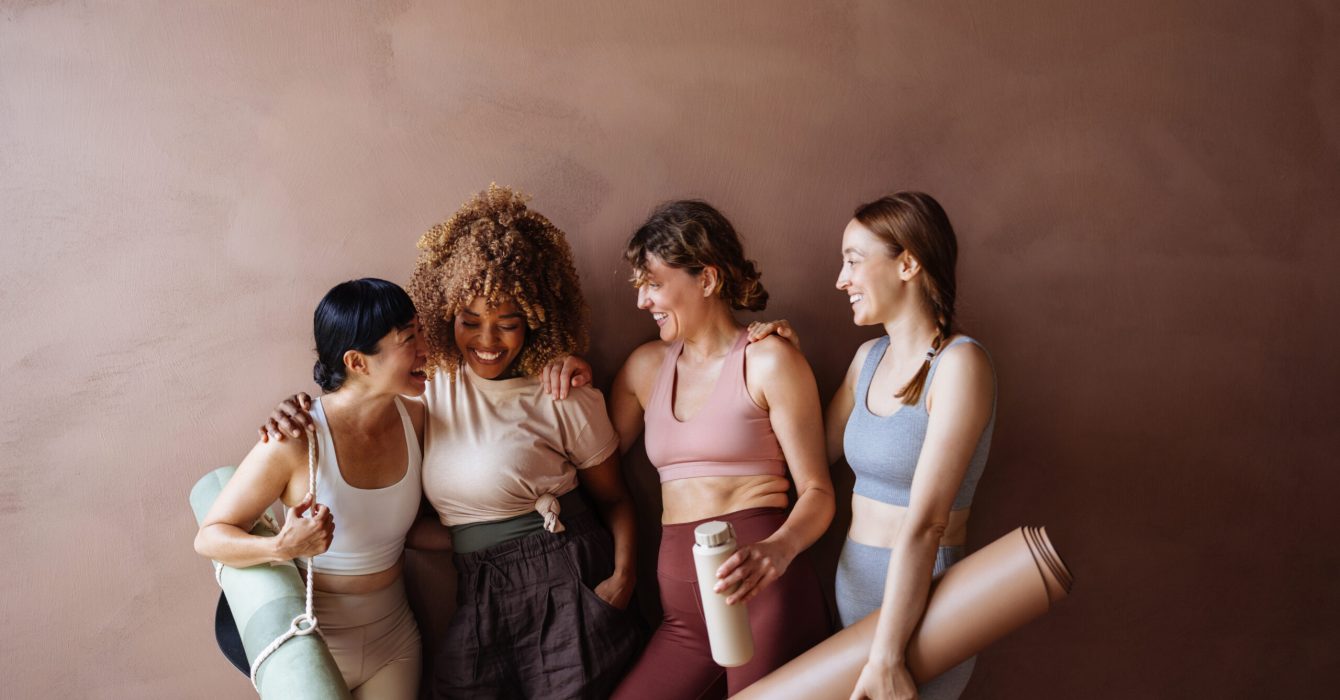
Leveraging data to personalise fitness regimes and shifts towards connection and moderate exercise are key themes for 2026.
This is an excerpt from the Living360 Health Report 2026 which reveals key insights and forecasts trends for the year ahead under the categories of wellness, fitness, nutrition and products – curated following analysis of current data with input from industry experts.
Women-tailored exercise — designed around menopause symptoms, hormonal shifts and energy patterns — became prominent in 2025. Google Trends data showed 124% year-on-year increase in searches containing ‘cycle syncing’ in 2024, a rise that continued into 2025.
Living360’s 2025 Made to Move campaign highlighted many of the barriers faced by women in sport and fitness, such as the challenges in training on your period, hormonal fluctuations and unmet accessibility needs. These issues remain prominent and, as a result, we expect inclusivity, accessibility and sustainable long-term training to theme 2026.
Find out what the experts, research and even our readers have to say.
1. Community-led fitness
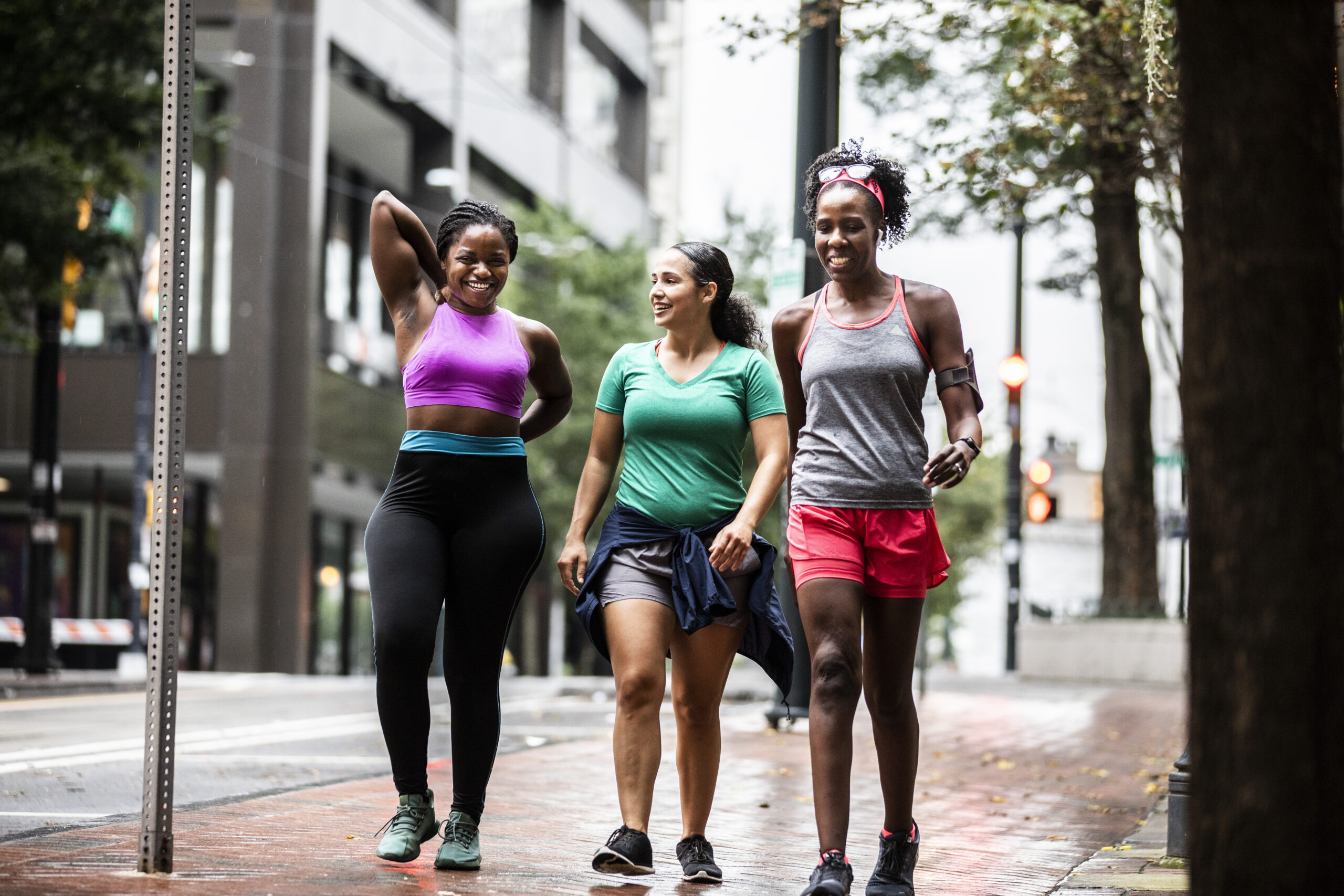
Last year, women-only run clubs, wild swimming groups and football teams boomed. In 2026, as more women seek social connection alongside exercise, these groups are set to expand, with more people looking for affordable, beginner-friendly and age-inclusive options — groups such as Soft Girls Who Hike and Women Who Walk exemplify this approach.
“Many more women in their thirties and forties are joining because they’re looking to form new connections,” says Sophie Davis of Outdoor Adventure Girls. “These environments invite us to let go of preconceptions about ourselves and others, creating space for authentic connection.”
View this post on Instagram
2. Moderate movement as preventative health
In 2025, low-intensity exercise trends surged, with the search term ‘walking yoga’ up 5,000% at the start of the year, while the Japanese walking method gained traction on social media platforms such as TikTok, generating coverage in publications including GQ, Woman & Home, Marie Claire and The Guardian.
According to Ordnance Survey, 18- to 34-year-olds have been 63% more likely to go hiking since 2021. Strava reported a 52% increase in social walking clubs in 2024, which continued to rise into 2025. And in 2025, Google searches for mobility-related exercises were up by 5,000%.
In 2026, moderate-intensity cardio and mobility work will dominate: approaches that help maintain long-term function.
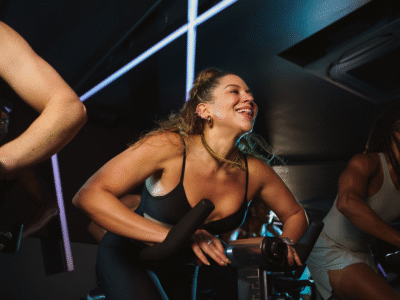
“Between stress, busy schedules and hormonal shifts, low-intensity workouts are giving us the balance our bodies have been begging for,” says Julie Dermer, master instructor at SoulCycle. “We’re tuning in to how our bodies feel and discovering slower, mindful movement can deliver incredible results.”
Read more: Made to Move: Everything you need to know about strength training as a woman
3. Strength boom
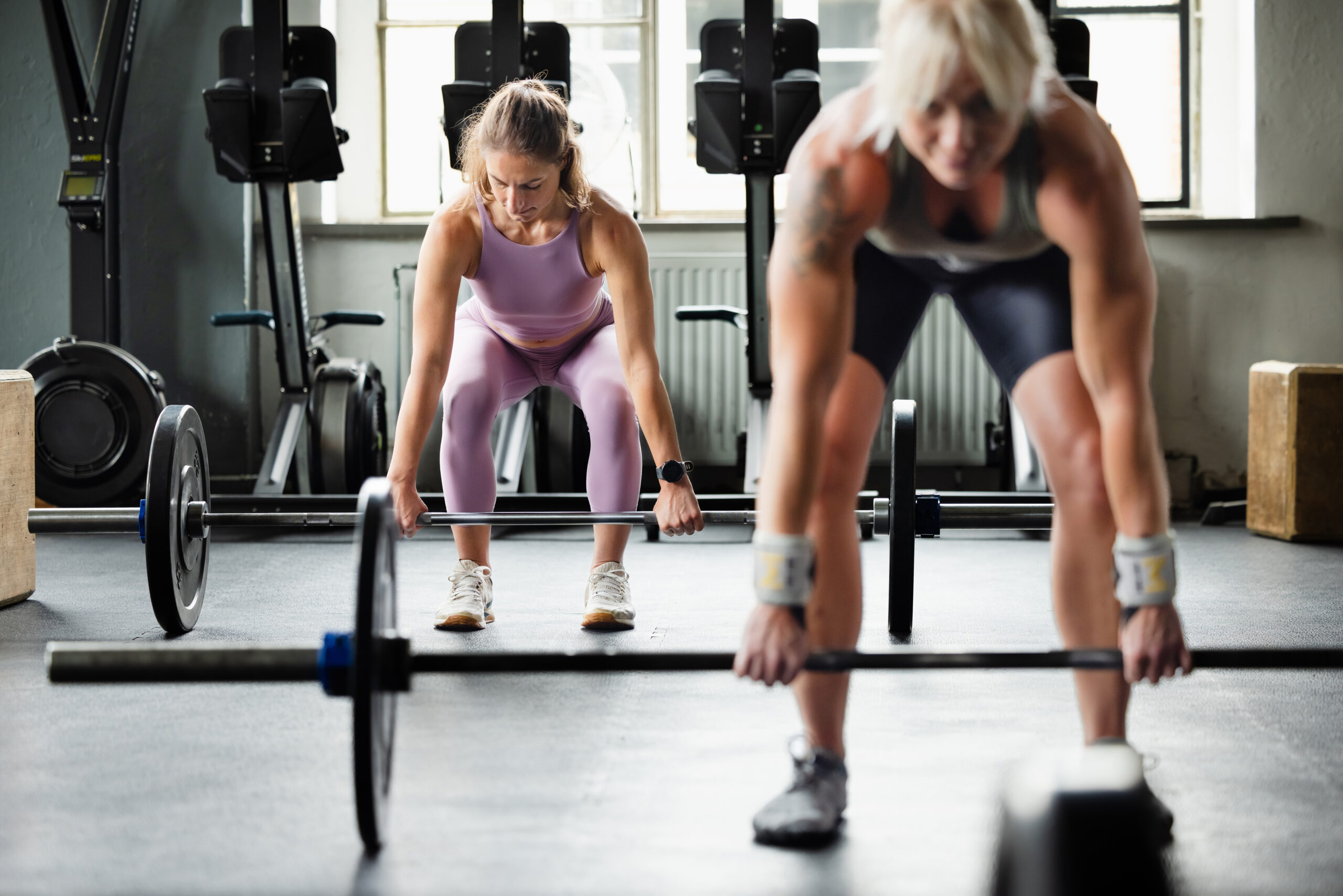
‘Longevity’ became a wellness buzzword in 2025. In 2026, its influence will translate into a renewed focus on strength training as preventative — especially to prepare for post-menopause bodies.
A study by the University of Virginia suggests that women are noticing the impact of perimenopause at a younger age, with 55.4% of 30- to 35-year olds asked reporting moderate to severe perimenopause symptoms.
Becky Bolitho, menopause expert and PT at Thrive, has seen a rise in clients wanting menopause-specific workouts. “Women often tell me that the diets and intense cardio that worked for them in their twenties aren’t working anymore.”
“During the menopause, oestrogen levels drop, and as a result, bone density naturally drops,” adds Jenni Tardiff, master trainer at The Gym Group. “Strength training is a great way to combat this, as it helps keep bones strong and maintain muscle mass.”
In London, menopause-specific fitness classes have already begun to emerge, FemVital and The Menopause Fitness Coach being just two examples.
Read more: Upgrade your daily walk to boost strength and fitness with these secret tips
4. AI personal training
The impact of AI on fitness is impossible to ignore. In 2026, AI-powered personal training and fully automated gyms will become even more mainstream.
Around 45% of personal trainers are already integrating AI tools into their training sessions for hyper-personalised programming. According to 2025 insights by Create PT, 90% of users report better performance with AI-guided training and show a 40% higher adherence to goals.
Andre Enzensberger, owner of AI-powered gym Fred Fitness, says, “AI-powered gyms make exercise more accessible to anyone unsure what to do, how much to lift or how to track progress.
Gen Z and millennials in particular are keen to incorporate AI into training, with an OpenAI survey reporting that 69% of them now use AI to hit their goals.
Read more: Why everyone’s talking about creatine – and if you should try it too
5. Female-focused fitness supplements
With more women strength training, female-focused fitness supplements are set to be a major trend in 2026. In fact, the supplement industry is expected to increase by 5.86% annually until 2030.
For example, creatine — once seen as a bodybuilder’s favourite — is emerging as a particularly important supplement for women, who store 20-30% less creatine in their bodies than men. Retailer GNC reported women’s creatine purchases rose from 18% of all sales in 2020 to 30% in 2025.
Anna Markusson, in-house clinical nutritionist at Bettervits, says, “Creatine is now recognised for benefits beyond fitness, supporting energy, muscle recovery and even cognitive performance during times of hormonal fluctuation.”
There are already many female-focused supplements available on the market, from brands like Wild Nutrition and BetterYou. In 2026, we expect to see even more brands introduce similar products, particularly supplements that aim to support bone health and hormonal balance (such as those with vitamin D and magnesium).
Feature image: Getty