As we age, so does our skin. Writer Anna Paul spoke with aestheticians and dermatologists who broke down the key changes most people face in their thirties, along with the skincare swaps that can make a real difference.
Truthfully, I didn’t pay a lot of attention to my skincare routine until I approached the big 3-0. My twenties were a decade of experimentation, and while I always prioritised SPF and cleansing, I didn’t pay much attention to collagen production or actively trying to target signs of ageing.
Although unintentional, it seems my approach didn’t have any long-lasting repercussions, thankfully, as holistic skincare expert and facialist Mina Lee explains: “In your twenties, your collagen is so active and resilient that your skin really doesn’t need much intervention.” And while my skin didn’t change when the clock struck midnight on my 30th birthday, I definitely began to notice gradual differences.
As I’ve moved through my thirties, more obvious signs of ageing have slowly set in — fine lines and pigmentation — but my skin also started to actively reject the products I’d previously turned to.
In pursuit of nailing the perfect routine, I reached out to dermatologists and experts to break down the skincare changes you can expect to see between your twenties and thirties, and how to combat them.

How your skin changes in your thirties vs your twenties
Collagen production slows down
Many of the changes you experience in your thirties can be traced to a gradual decline in collagen. “In your twenties, your skin is still in its peak collagen-producing era, so you naturally have more firmness, quicker cell turnover and better resilience,” explains Dr Nora, cosmetic and medical dermatology doctor at Rejuvenation Clinic.
In fact, “collagen production starts to decline by roughly 1% per year,” adds Dr Hany Abi Ghosn, an aesthetic doctor on the Omnilux Scientific Advisory Board. “Cell turnover slows, and you may begin to see early fine lines, mild pigmentation or changes in skin firmness.”
The good news is that you can slow this decline. “I recommend maintaining a consistent collagen-supporting routine. It’s never too late to start a ‘collagen bank’, and starting at any age can still deliver visible benefits to your skin’s health, strength and appearance,” advises Dr Dev Patel, aesthetics practitioner and founder of CellDerma.
Dr Patel and every expert we consulted recommended using ingredients like peptides, vitamin C, niacinamide and retinoids, all of which promote collagen formation and improve overall skin health in your thirties.
“SPF is also essential,” continues Dr Patel. “UV rays are the leading external cause of collagen degradation, alongside pollution.”
Read more: Can your skin absorb collagen? The experts weigh in on the products that really work
Your old routine might stop working
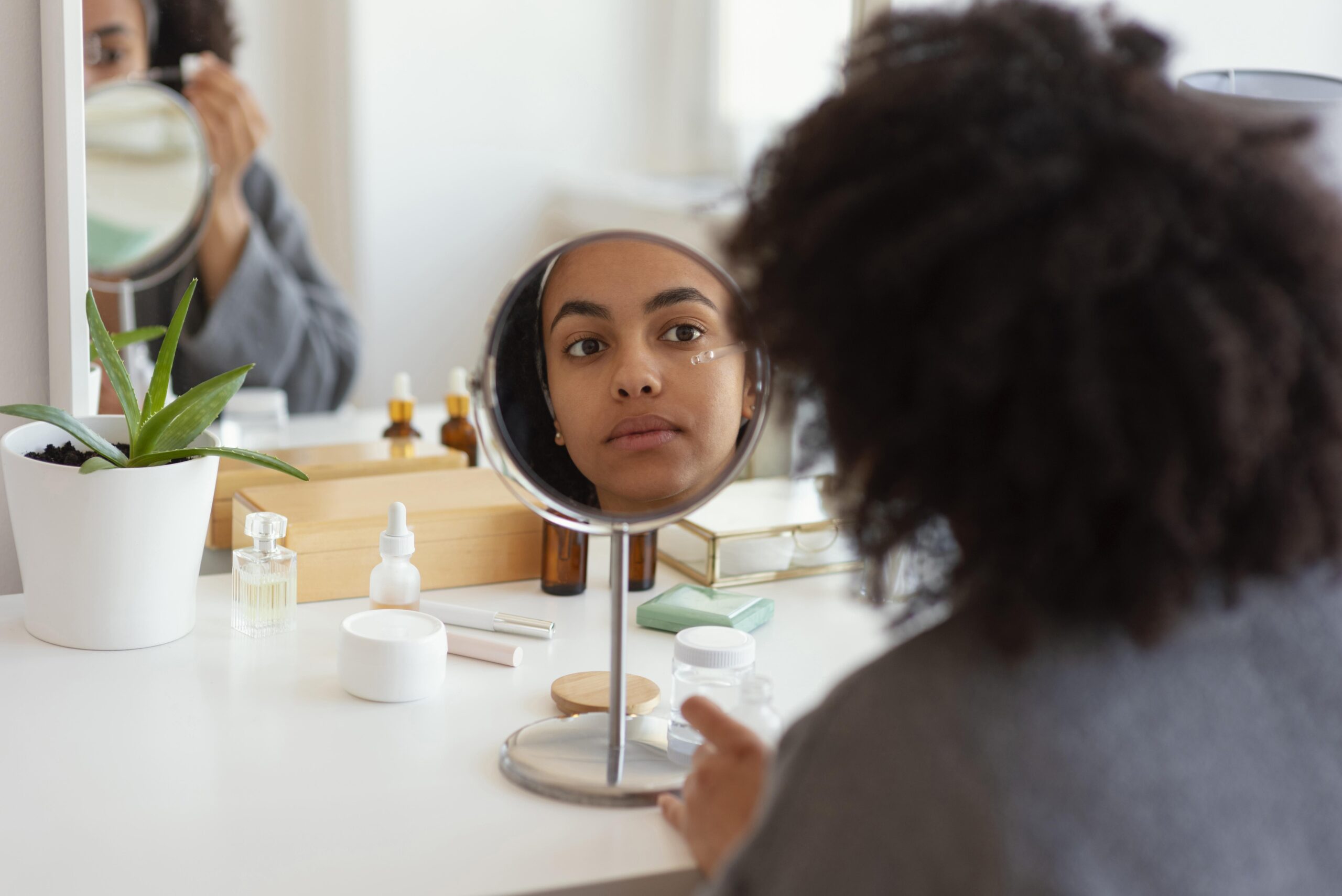
As you age, your skin naturally changes, so you might find your old routine no longer works. Personally, I had to become more intentional with the products I use and focus on hydration.
That doesn’t mean overhauling everything, and it can still be a low-maintenance routine, though. “I encourage a very gentle, intentional routine, explains Mina, who has partnered with Neal’s Yard Remedies. “Your skin thrives when it’s balanced and moisturised, not stripped. I’m not a big fan of harsh toners or products that are used out of habit instead of purpose.”
Overloading the skin can do more harm than good. “In your thirties, the focus should shift towards supporting the skin, not overstimulating it. Keeping it clean and well-hydrated is far more beneficial than chasing aggressive treatments,” Mina adds.
Read more: Cream makeup is a must for dry and mature skin — here’s 5 products to try
Your skin feels drier — and duller
As oil production slows and your skin barrier becomes more fragile, dryness can feel more noticeable. “Hydration becomes more strategic in your thirties. A lightweight hyaluronic acid serum layered under a nourishing moisturiser helps retain water in the deeper layers of the skin and reduces that ‘tired’ look,” explains Dr Barbara Kubicka, founder, director and lead aesthetic physician of Clinicbe.
“Hyaluronic acid, ceramides and niacinamide are excellent supporting ingredients to counter dryness, improve barrier function and stabilise sensitivity. These become foundational once the skin starts to lose its natural resilience.”
“Overnight, richer moisturisers or sleeping masks with ceramides, squalane or peptides can replenish the skin while you sleep.”
Skin responds differently to exfoliants
Over-exfoliating can damage your skin barrier and result in dryness and irritation — things you are already more prone to in your thirties. Personally, I’ve cut back on exfoliation as part of my winter skincare routine.
“Avoid unnecessary exfoliation because over-exfoliating can damage the skin barrier and lead to sensitivity, breakouts or inflammation,” agrees Mina. “Use exfoliating products only when you truly need them and choose formulas that are kind to the skin.”
That’s not to say you shouldn’t exfoliate, it’s just about choosing the right products, adds Dr Kubicka. “If pigmentation or texture becomes a concern, gentle chemical exfoliants like lactic acid or mandelic acid, used one to three times weekly, will smooth the complexion without compromising the barrier.”

Breakouts last longer
One of the most unexpected (and unwelcome) changes for me has been that breakouts linger far longer than they did before. I’m not alone, explains Dr Kubicka. “Your thirties are also a decade where hormonal fluctuations play a stronger role in skin quality,” she explains.
“Breakouts can still appear, especially along the jawline, but the inflammatory response is slower, meaning blemishes may take longer to heal and can leave post-inflammatory marks for longer than they did in your twenties.” The best way to remedy this is to focus on non-comedogenic formulas and the actives on this list.
Read more: ‘Accutane changed my life for the better, but not everyone has the same experience’
Increased fine lines and dullness
Related to the decline of collagen production, it’s normal to see more wrinkles and fine lines in your thirties, and your skin might feel a little duller, too.
While the recommended routine will vary based on your skin needs, Dr Kubicka advises using a peptide or vitamin C serum paired with a broad-spectrum SPF in the morning to “stimulate brightness and protect against oxidative stress”.
“In the evening, low- to moderate-strength retinoids are widely recommended to improve fine lines, support elasticity and keep cell turnover active without aggressive over-exfoliation,” she continues.
“Biopeptides and neuropeptides have been shown to affect positive changes in the architecture of the skin, so including these ingredients in your skincare routine is going to stimulate collagen production and target the facial expression muscles to soften existing wrinkles,” agrees Dr Patel.
Read more: The pro-ageing ingredient you need in your skincare routine
Skin might feel less firm
Another key change I noticed was the loss of firmness in my skin in my thirties, again largely down to a natural decline in collagen and elastin production. “This is the decade where you start to see very early changes in elasticity, so using supportive, restorative actives without going overboard makes a meaningful difference,” advises Mina. “Your thirties are a good time to introduce gentle anti-ageing ingredients like peptides. These are wonderful because they work with the skin rather than against it.”
While they’re not a silver bullet, LED masks can help improve skin elasticity, as well as other skin concerns that present themselves in your thirties — including acne, fine lines and more.
“Incorporating medical-grade LED masks three to five times a week can significantly enhance results by stimulating fibroblasts, reducing inflammation and improving overall texture. LED is one of the most effective, non-invasive ways to maintain skin health in this decade,” explains Dr Ghosn.
“If you’re concerned about early ageing signs, combining actives like retinol or retinal, vitamin C, niacinamide and ceramides along with regular LED sessions can
meaningfully improve elasticity and clarity,” he adds.
Read more: We tried the leading LED face masks – here’s what we honestly thought
@living360_uk Being the office wellness duo is tough, but someone’s got to do it TikTok Sound How Your Email Finds Us Office Meme
L360’s 30-plus skincare recommendations
Omnilux Contour anti-ageing LED light therapy
This dermatologist-recommended LED mask from Omnilux comes with an impressive 4.5-star rating from over 2,000 reviewers. Featuring 132 medical-grade LEDs and near-infrared lights, it’s also FDA-cleared for the treatment of full-face wrinkles.
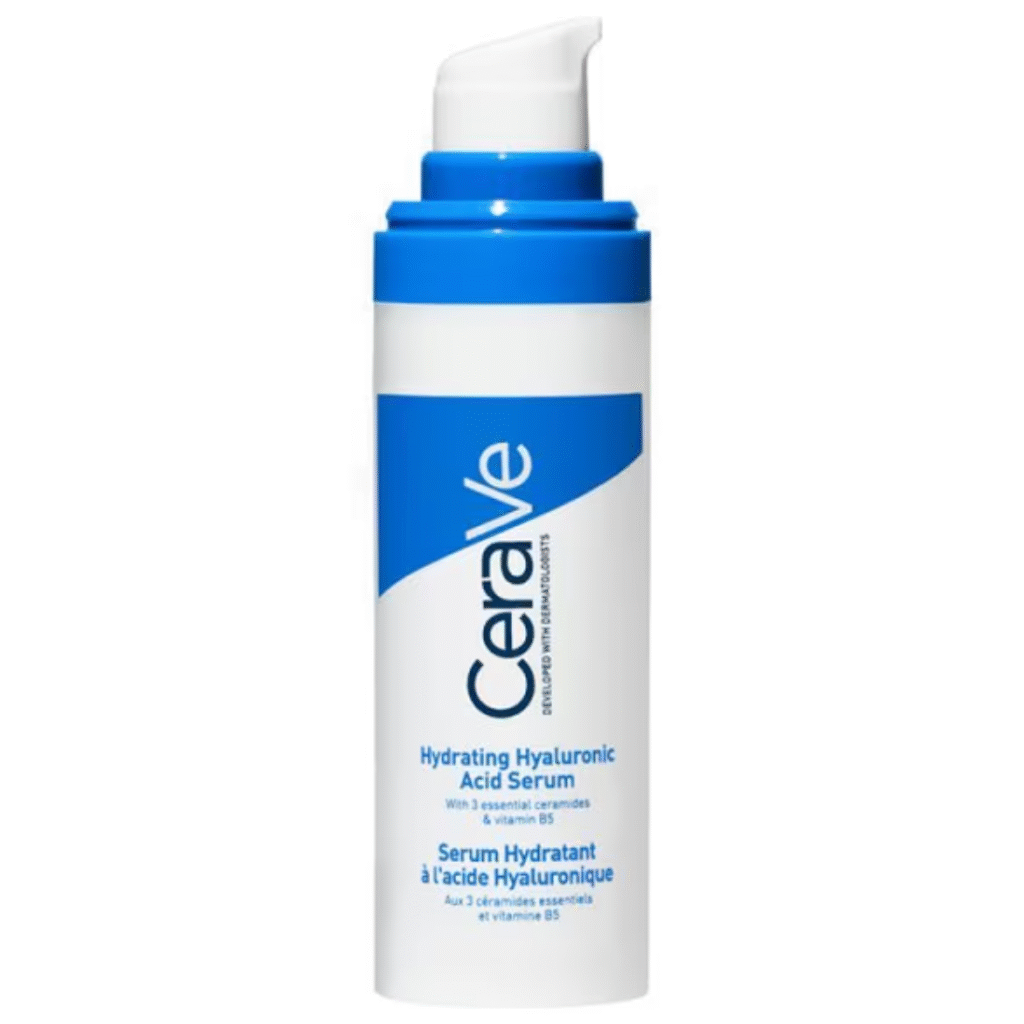
CeraVe hydrating hyaluronic acid serum 30ml
This dermatologist-approved serum from CeraVe is a brilliant everyday choice, featuring three essential ceramides, hyaluronic acid and vitamin B.
Heliocare 360 gel oil-free SPF
Another dermatologist favourite, this lightweight formula from Heliocare offers high protection, and it’s non-comedogenic too.
Medik8 Crystal Retinal 1 serum 30ml
With 0.01% stabilised retinal, this serum is particularly great for beginners. It also features hyaluronic acid and glycerin to lock in moisture.
Buy from Look Fantastic for £45
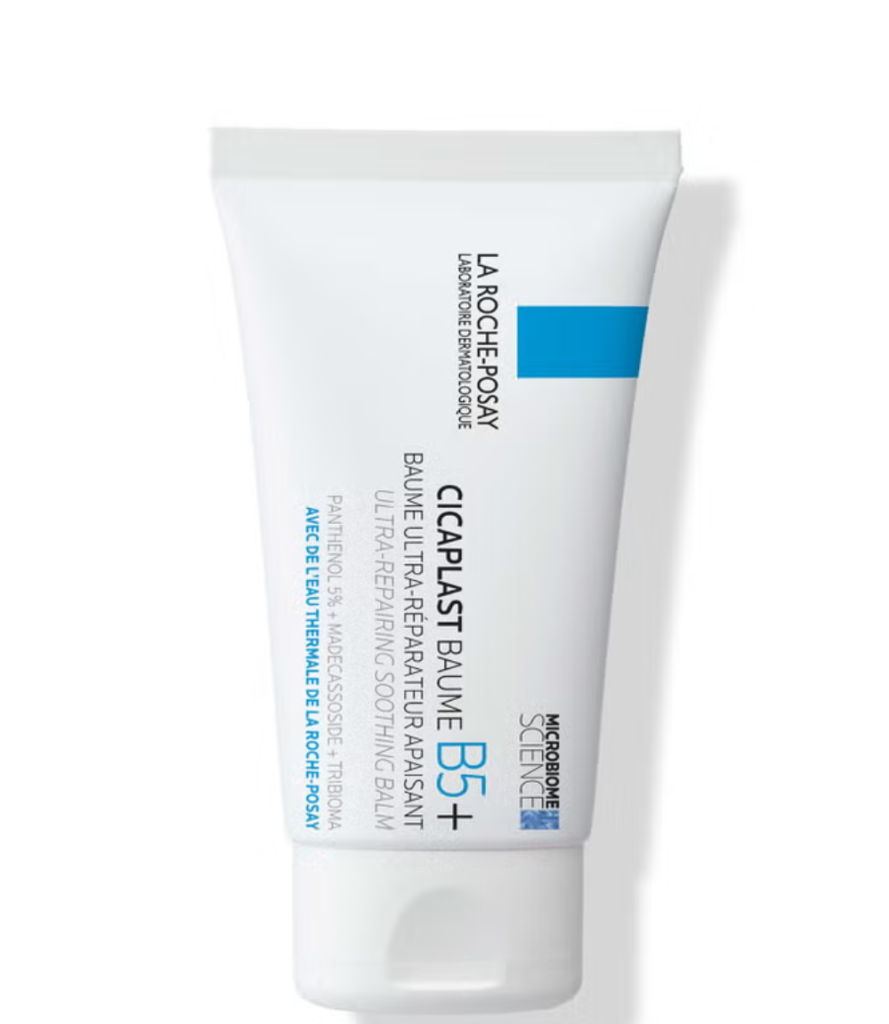
La Roche-Posay Cicaplast Baume B5+ 40ml
A French pharmacy favourite, this multipurpose balm primarily protects and repairs the skin barrier, but it’s also effective for seborrheic dermatitis and soothing irritated skin.
Dr Althea Gentle Vitamin C Serum 30ml
I’ve tried a few vitamin C serums and always return to this Dr Althea one as it’s one of the only ones that works for my sensitive, oily skin. Packed with 19 essential ingredients, it’s brightening and soothing.
The Ordinary Lactic Acid 10% + HA 2% Superficial Peeling Formulation 30ml
This affordable high-strength lactic acid serum offers mild exfoliation, while hyaluronic acid retains moisture.
Buy from Look Fantastic for £8.80
Feature image: Canva