From bespoke supplementation and community healing to the impact of the metaverse, wellness becomes slow, simple and specialised in 2026.
This is an excerpt from the Living360 Health Report 2026 which reveals key insights and forecasts trends for the year ahead under the categories of wellness, fitness, nutrition and products – curated following analysis of current data with input from industry experts.
Last year, wellness got smart. We saw how artificial intelligence shape-shifted the industry, impacting everything from therapy to sleep optimisation. As we look ahead, we expect this evolution to continue moving forward, while simultaneously shifting back.
In 2026, we predict a return to slowness, real world connection and simplicity. From tech-free rituals to community-first wellbeing, the coming year will embrace innovation while returning to an unpretentious, easier form of wellness.
Here, the experts reveal the five wellness movements set to define 2026.
1. Specialised supplementation
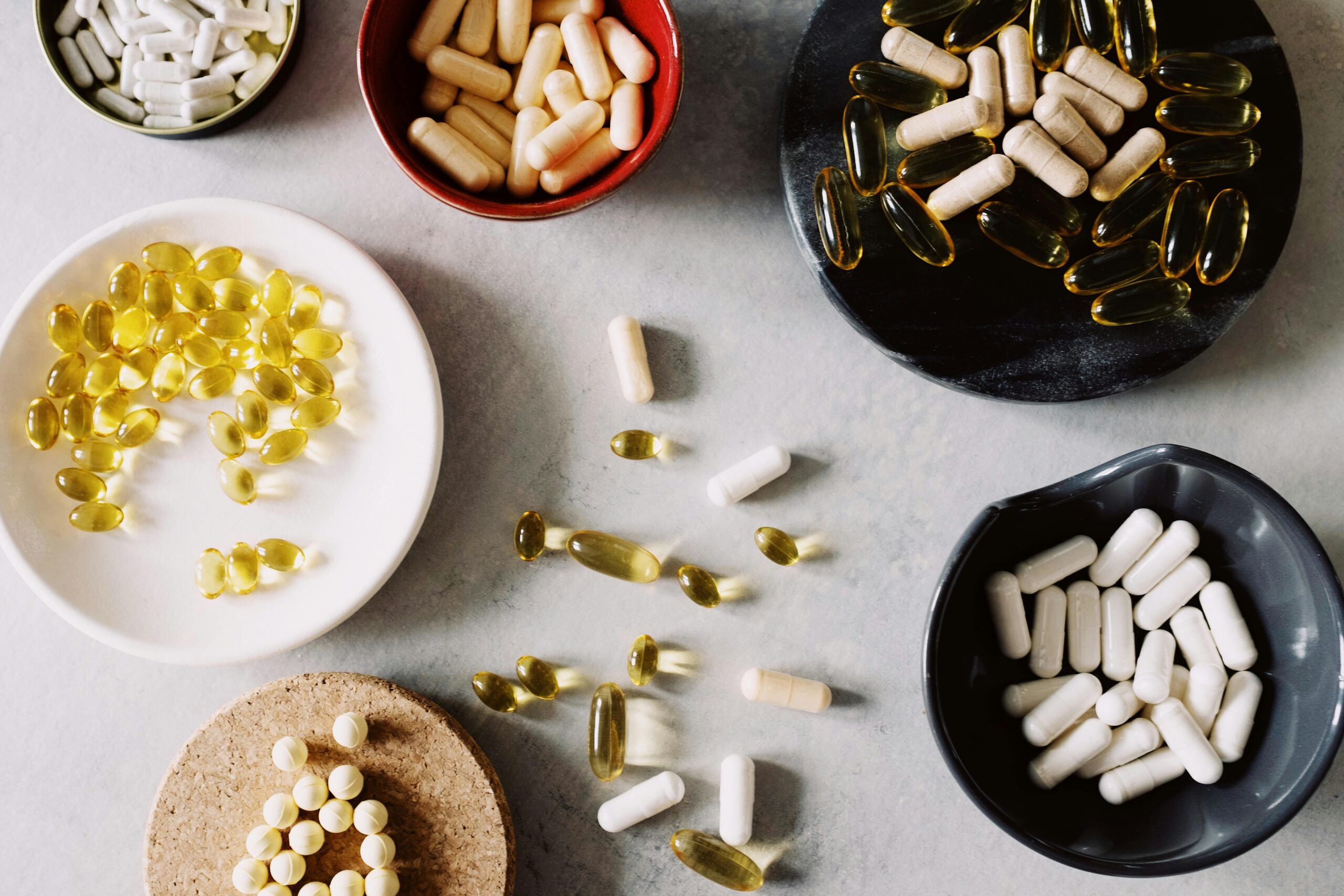
The one-size-fits-all approach to supplements is over. Bespoke nutrition has been on the horizon for a while now — thanks to advances in medical testing and diagnostics — and we expect this to come to fruition in 2026.
“Physicians aren’t just treating symptoms, but looking for root causes of those symptoms,” says longevity expert and founder of Oxford Healthspan, Leslie Kenny. “The future of supplementation is bespoke — not in luxury, but in logic. As we understand more about epigenome, microbiome and lifestyle stressors in the individual, our supplement routines should reflect this.”
Read more: ‘I spent 72 hours alone in an off-grid cabin — this is what happened’
2. The tech abstinence movement
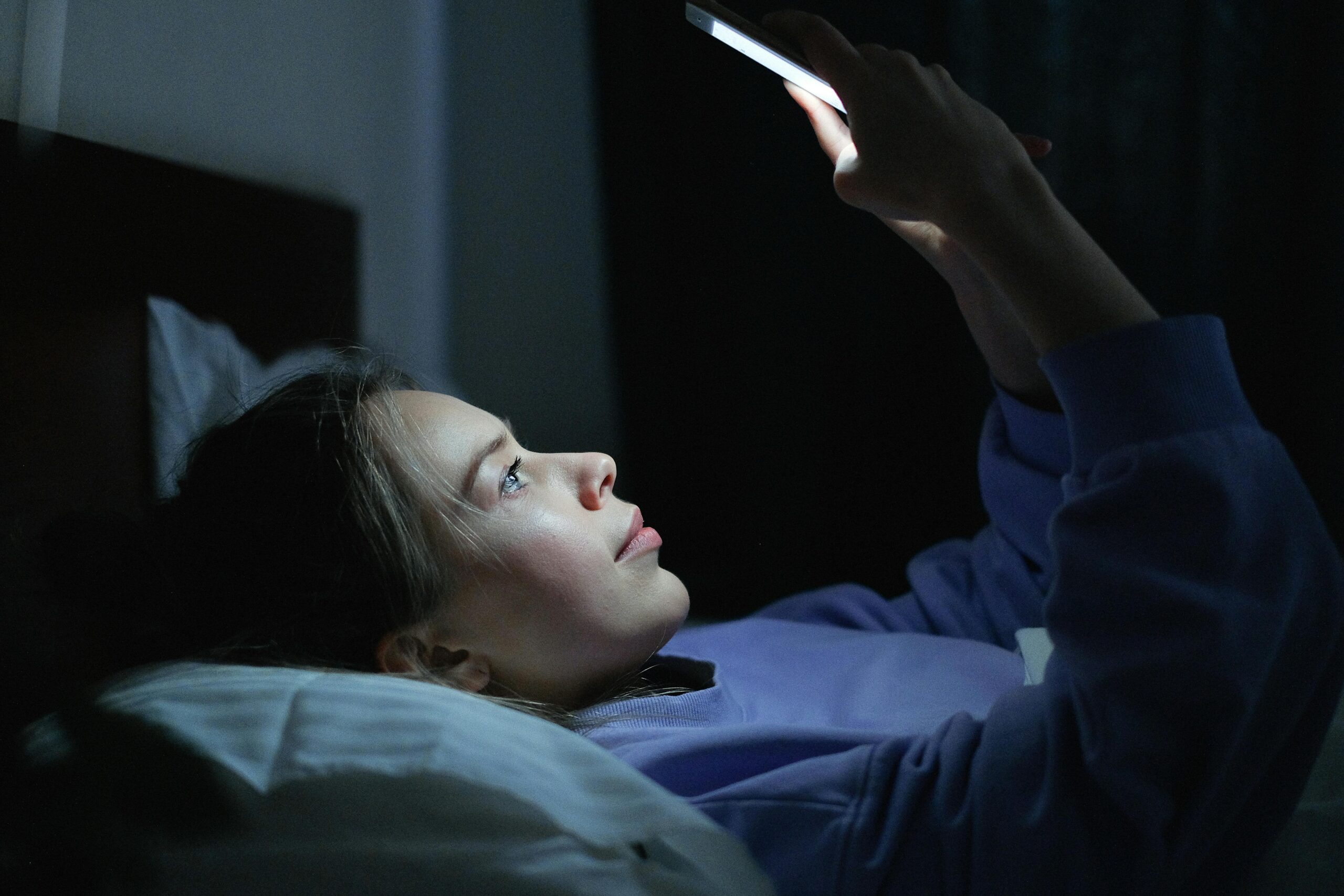
With the always-on screen culture of social media, doom scrolling and content consumption causing digital burnout and stress, a counter movement emerges. According to Mental Health UK, 94% of women and 89% of men experience high or extreme levels of pressure or stress.
“As humans, we fundamentally crave a slower and more connected pace — it’s our default presence,” says Sarie Taylor, psychotherapist and founder of Worldwide Wellbeing. “This simplicity makes it easier to sustain more helpful habits.”
Expect a Gen Z- and millennial-led demand for tech-free rituals and sleep tools, whether analogue alarm clocks, mindfulness apps or digital detox retreats. Brands will develop slow tech products that promote intentional, not excessive, usage, such as fitness trackers with rest modes and screen-time limiting apps.
View this post on Instagram
3. Community becomes medicine
With the selfcare hashtag amassing more than 19 million TikTok posts, it’s no surprise that a hyper-individual approach to wellness has left many people feeling… lonely.
Research from the Harvard Chan School of Public Health links social connection to better health and longevity — one reason group-driven wellness may rise in 2026. After years of remote work, self-improvement in isolation and hyper-digital living, people are realising true wellness depends on connection,” says movement specialist and author Sarah Aspinall. “Women especially are craving spaces to belong, be seen and move together.”
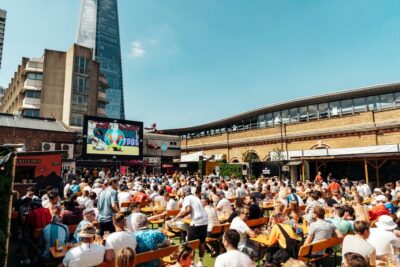
In 2026 and beyond, we’ll see more multi-generational wellness hubs — especially for women in major life stages like new motherhood and menopause — as well as seeking out local ‘third spaces’ that encourage shared, meaningful experiences.
We’re already seeing this trend in London, with the rise of community fitness clubs (see fitness forecast), menopause cafes, spaces that support new mothers such as The Zeta Project and women-only members’ clubs such as the AllBright.
Read more: VR headsets aren’t just about gaming – here’s how virtual reality workouts are revolutionising the fitness industry
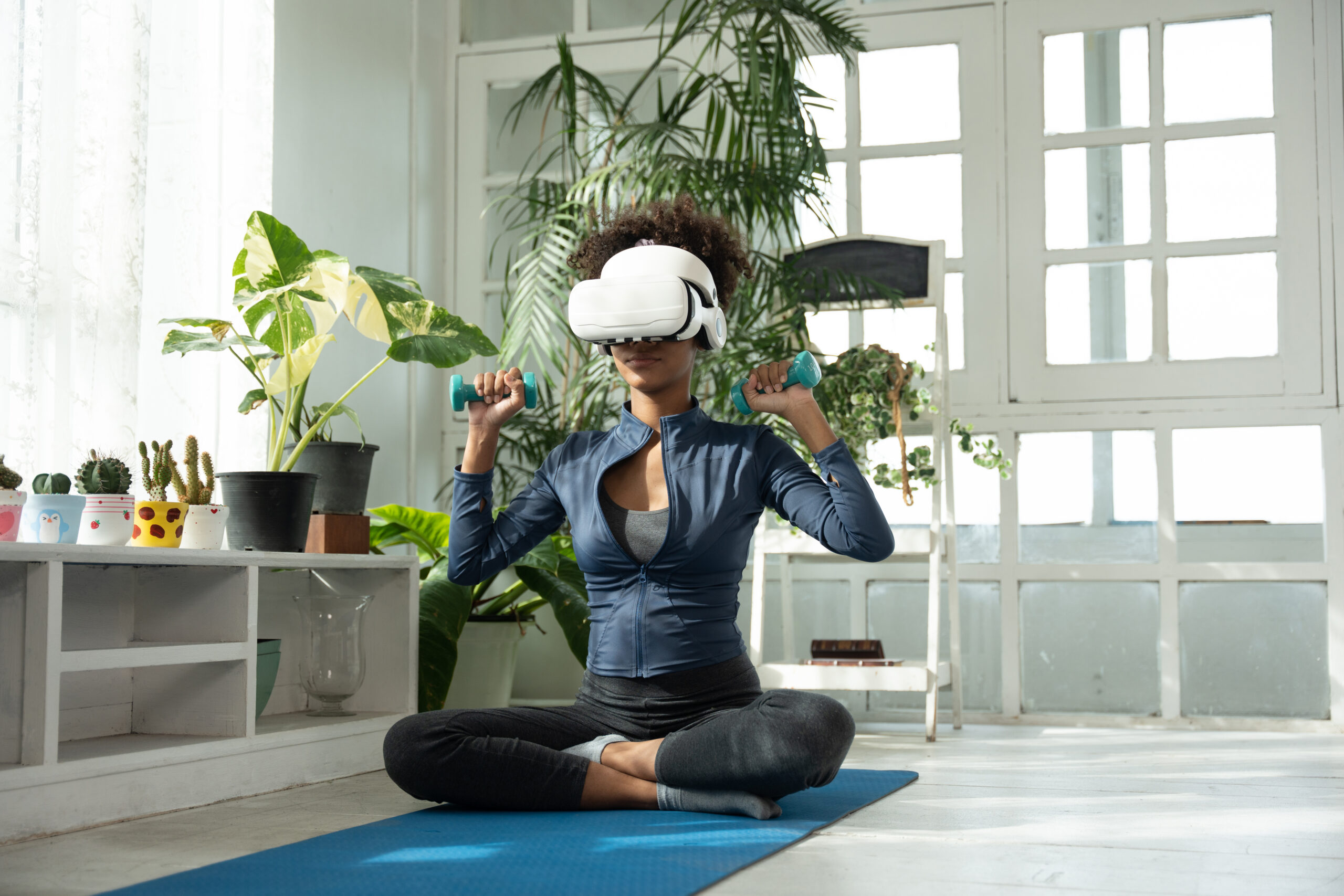
4. Into the metaverse
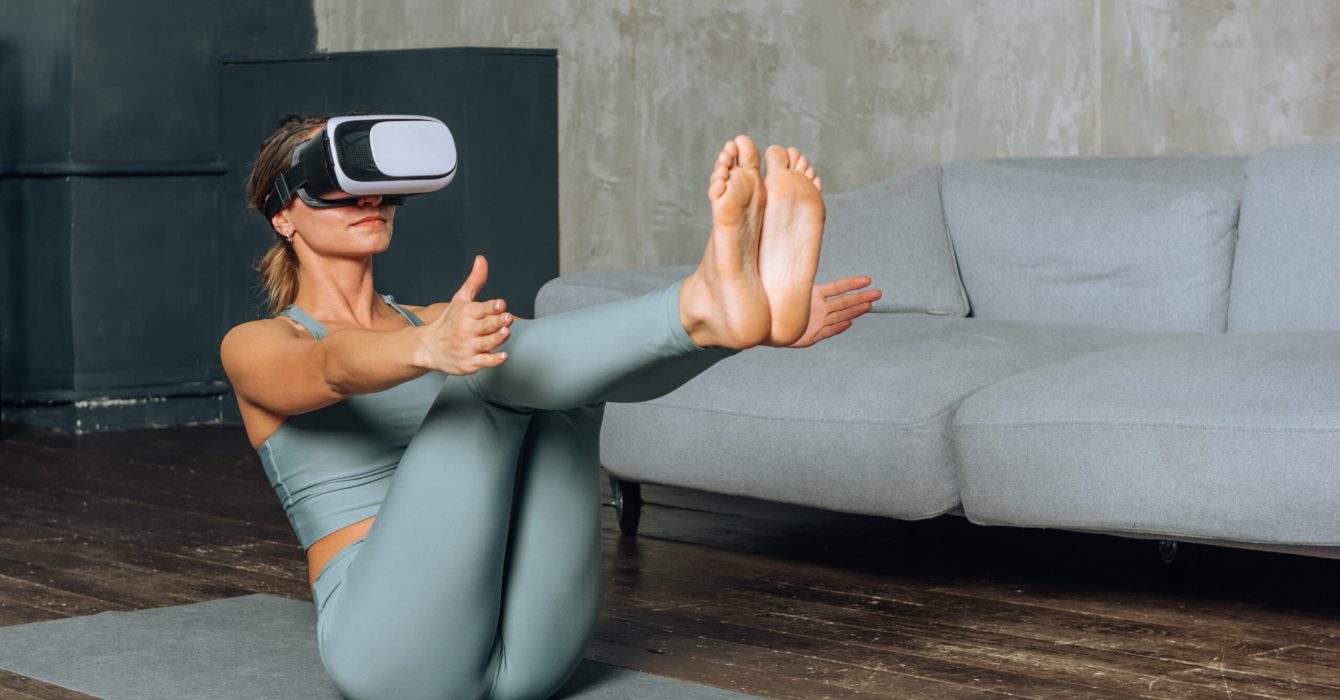
While there will be a pushback on tech in some areas, the appetite for useful tech will continue to grow. From immersive meditation sessions and virtual spa retreats to blockchain fitness rewards and AI-avatar therapy, this is the wellness metaverse.
“The VR healthcare market is forecasted to grow 30% annually until 2030, as clinical professionals and researchers increasingly
validate virtual environments as effective tools for reducing stress, enhancing physical therapy and fitness activities,” says Dr Blen Tesfu, MD and medical advisor.
“These virtual wellness spaces are particularly convenient and inclusive for women,” Dr Tesfu adds. “The option to participate in fitness classes, mindfulness sessions or health workshops — regardless of location — helps sidestep work, schedule and caregiving issues, especially for new or young mothers and older women who might have mobility needs.”
London hotels like The Mandrake already offer VR wellness options. In 2026, smaller spas will follow.
Read more: Can you get glass skin in under an hour? We put the treatment everyone is talking about to the test
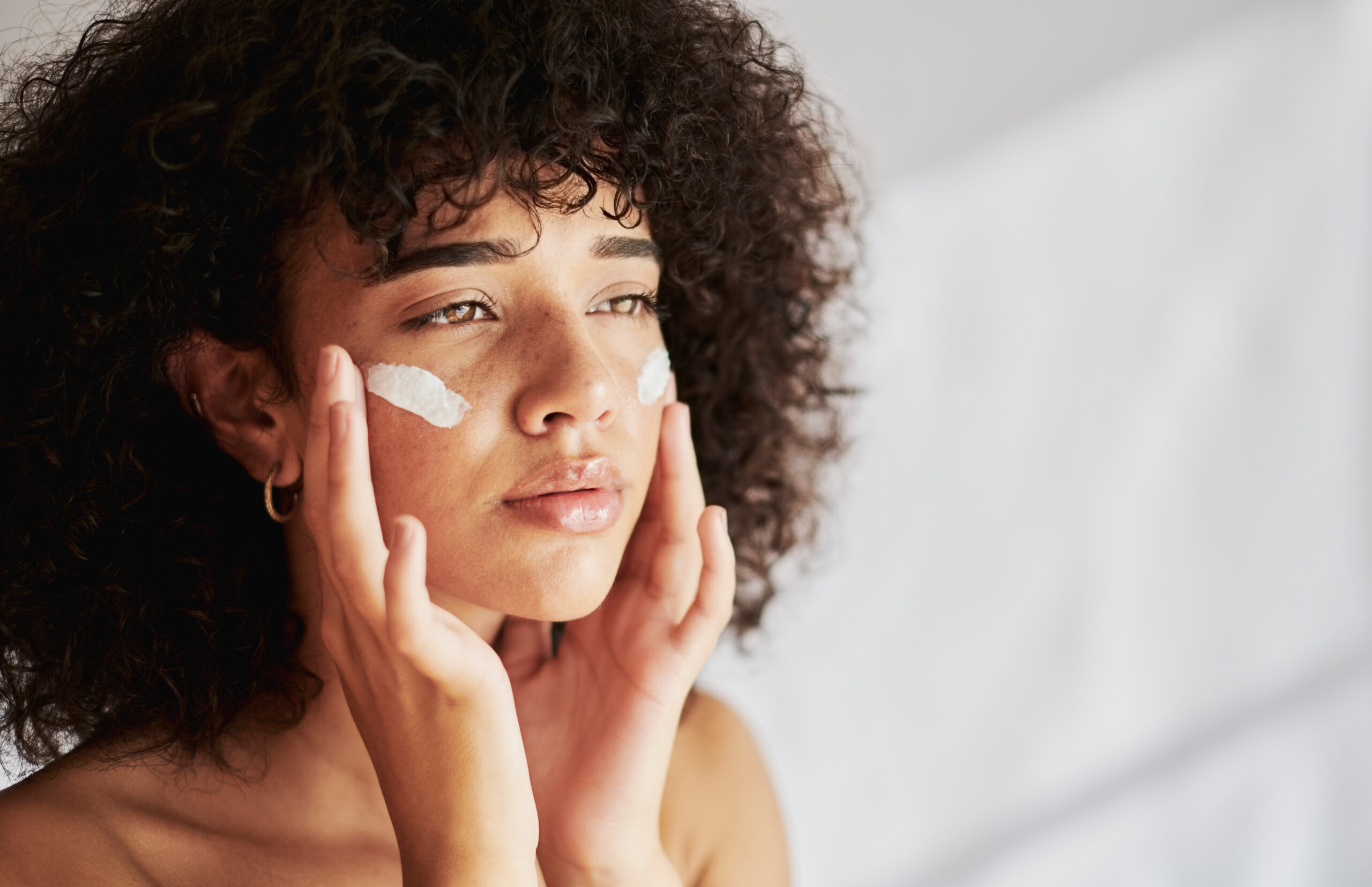
5. Skincare made simple
Between impossible beauty standards like the ‘glass skin’ trend and complex multi-step regiments, we’re craving simplicity.
Avon’s 2024 Future of Beauty Report revealed that 63% of women globally now prefer a more pared-back skincare routine. Google searches for ‘easy skincare routine’ soared by 1,043% in 2024, according to a survey by Tropic Skincare. Looking ahead to 2026, we expect consumers to seek simplified skincare routines and products.
The science favours barrier-friendly basics and fewer irritants,” says dermatologist Dr Shamsa Kanwal, MD. “Harsh surfactants and over-cleansing disrupt skin’s proteins and lipids, raising irritation and transepidermal water loss. Gentler, simpler routines avoid this.”
Brands like The Ordinary, CeraVe and Aesop are already offering simple, reasonably priced solutions.
Feature image: Getty