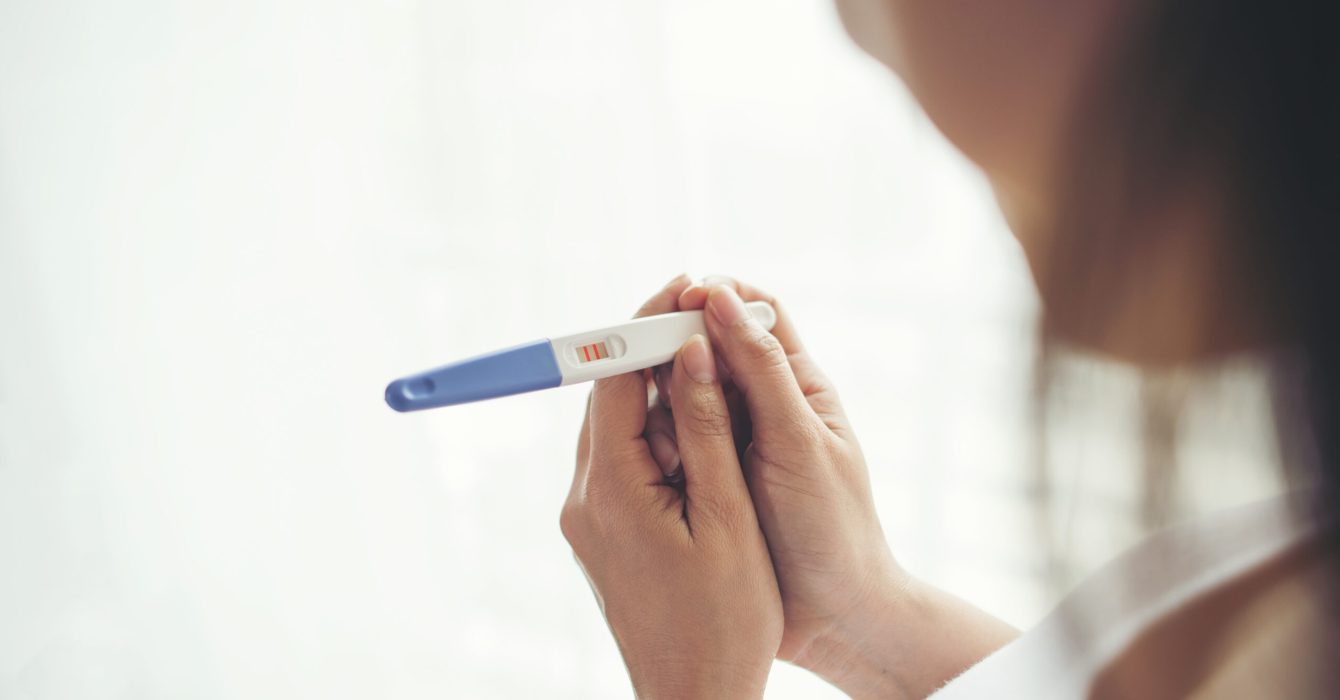
Influencer and entrepreneur Molly-Mae Hague recently surprised fans by announcing she’s six months pregnant with her second child. But is there a cut off to how long you should keep it secret, and how do you decide?
The 12-week scan — sometimes known as the dating scan — marks a pivotal moment in a pregnancy. It’s the first time you can see how far along you are, check the baby’s development and screen for Down’s syndrome and conditions such as spina bifida (although there are many that still can’t be detected at this time), and of course, find out if there’s more than one baby.
For this reason, most women in the UK decide that the best time to announce their pregnancy is around the end of the first trimester. The scan takes place anywhere between 10 and 14 weeks, which is also around the time most women start to show, and the risk of miscarriage significantly decreases.
So, when influencer Molly-Mae Hague announced her pregnancy at six months along, which is well into her second trimester, people were shocked.
View this post on Instagram
Why did Molly-Mae wait so long to announce her pregnancy?
Pregnancy is a deeply personal experience and announcing it can carry huge emotion and vulnerability. For Molly-Mae, whose personal life and career are both very publicly online, anything private soon becomes public property. She’s even released teaser-like statements revealing she knows the baby’s gender and name, without divulging either.
There’s already been widespread speculation about her decision, particularly given that this is her second child with Tommy Fury, who, since the birth of their first child, has faced very public challenges, including allegations of infidelity and alcohol addiction that led to their split in 2024. In her 2025 Amazon exclusive documentary, Molly-Mae confessed she was struggling with conflicting emotions about the split, feeling betrayed and heartbroken, yet still grappling with a desire to have another baby with him.
And while most women won’t be facing quite the same level of scrutiny as Molly-Mae, it does pose an interesting question — how long should you keep your pregnancy private?
Work and outside pressures
External pressures, such as work, often come into play. In the UK, most employees are legally required to tell their workplace about a pregnancy at least 15 weeks before the due date to qualify for statutory maternity leave. However, a visible bump or noticeable symptoms can make keeping the news private much more difficult.
Read more: Jesy Nelson: Should mothers be fighting for babies to have blood tests at birth?

How early on should you tell your workplace that you’re pregnant?
Although most women wait until the second trimester, when miscarriage becomes less likely, some wish to inform their workplace sooner if they’re experiencing symptoms that affect their performance. Not telling your employer could mean missing out on reasonable adjustments and, in jobs involving physical strain or exposure risks, earlier disclosure can be important for safety.
Others may feel uncomfortable depending on their company’s maternity leave policy or feel it wise to give as much notice as possible, especially if they’re worried about being perceived as an inconvenience.
Pregnancy expert and gynaecologist Dr Sima Al Asad sympathises. “I see many mothers in competitive work environments, on probation or up for promotion, who worry that pregnancy could impact their success,” she says. “They’re trying to prove themselves — they all worry about being viewed different or quietly sidelined.”
And, despite not being legal, the fear of workplace discrimination isn’t unreasonable. Last year, the Work and Family Researchers Network found that 73% of mothers reported harmful comments from colleagues about their pregnancy or maternity leave.
Read more: Is osteopathy the answer to post-pregnancy recovery?
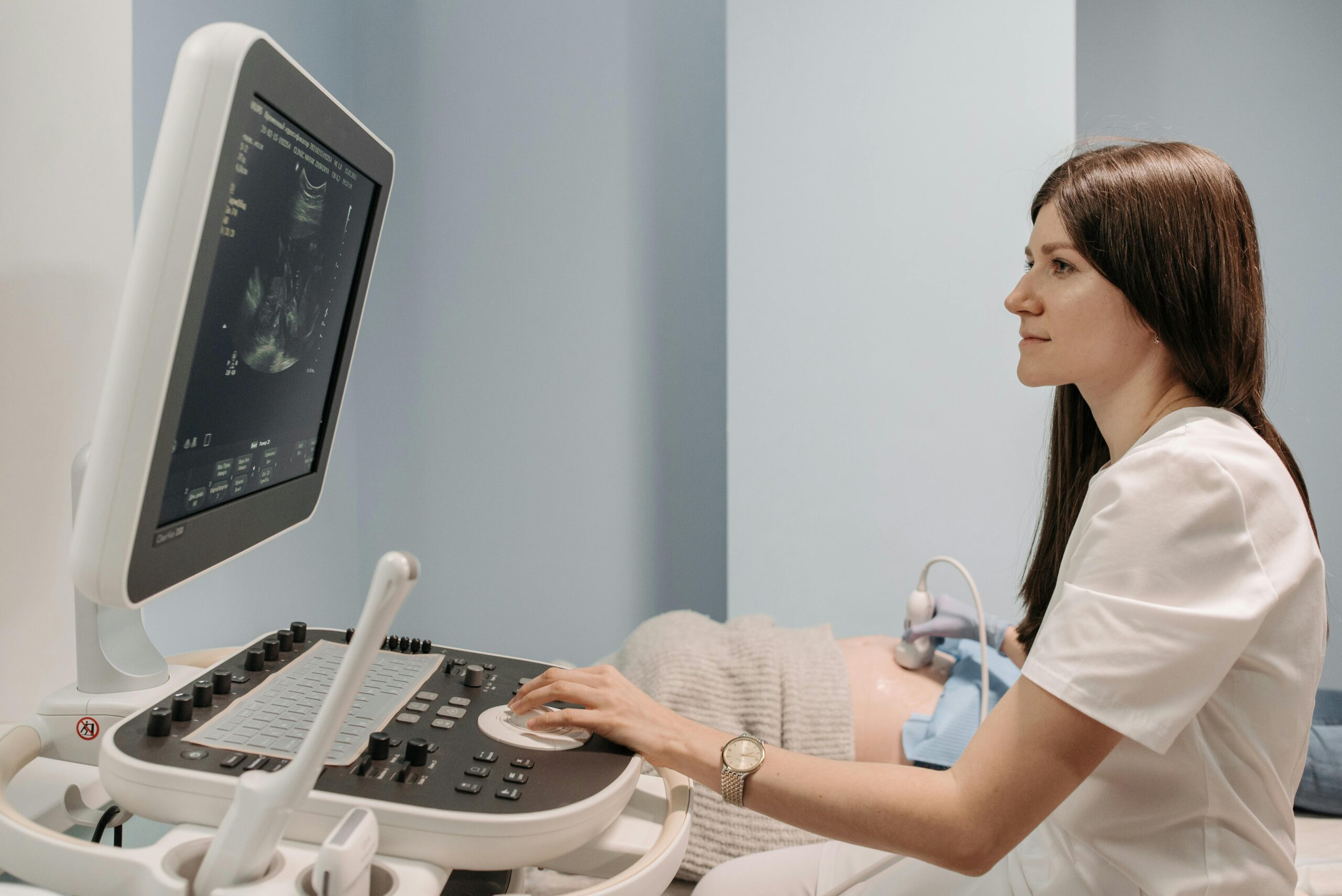
The added anxiety here is that pregnancy has been proven to impact job stability, with approximately 74,000 women losing their jobs simply for being pregnant or taking maternity leave.
Hardly surprising, then, that it might take women a while to feel secure and prepared before revealing the news.
Should you tell people that you’re pregnant earlier than 12 weeks?
Although healthcare professionals won’t advise women to share the news at a certain time, such as the 12-week scan, the decision to announce earlier can be influenced by social norms and the need for support.
Lara Simonôt, a postnatal doula based in Amersham, says this is one of the biggest challenges she sees: “If someone’s coping with nausea, exhaustion or emotional overwhelm while trying to carry on as normal, it’s difficult to keep it to yourself and not have that support. Some parents later say they felt isolated or wished they’d shared sooner so they could lean on trusted friends or family.”
And for some, delaying the announcement can create its own awkwardness, as family and friends may not understand the reasoning or be hurt that they weren’t told earlier.
Why wait to announce your pregnancy?
It’s subjective, of course — the early pregnancy symptoms that make some expectant mothers want to divulge sooner could be the reason others prefer to keep it a secret for longer.
“We underestimate how intense early pregnancy can be physically,” says Dr Sima. “Having to deal with symptoms and hormonal shifts is hard enough — women don’t want the added stress of managing other people’s reactions while trying to get through the day.”
Read more: 5 of the best Pilates moves for pregnancy you can master at home
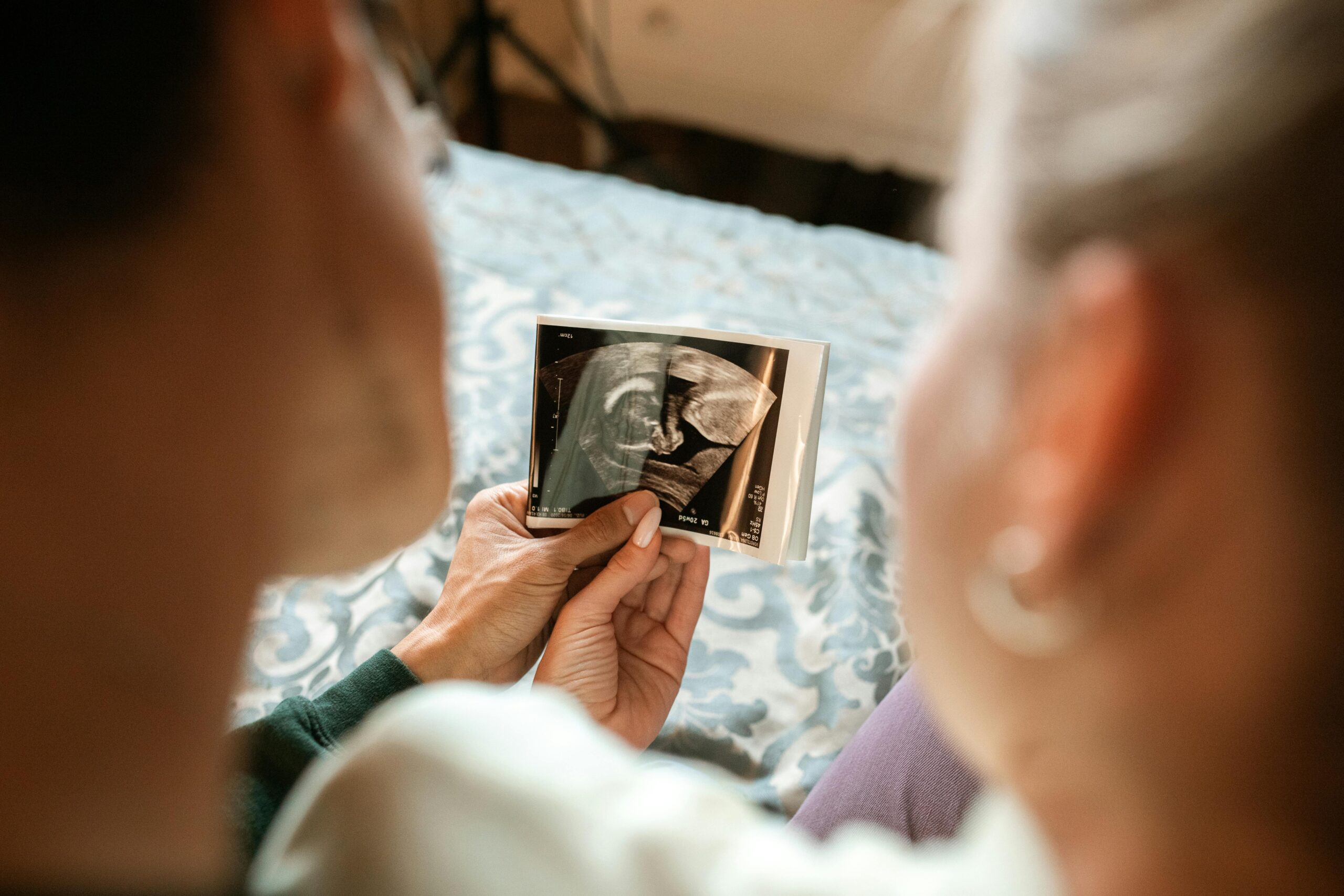
Lara has seen firsthand how many parents benefit from delaying sharing their news. “Some feel it gives them emotional breathing space in early pregnancy, particularly during the first trimester when symptoms can be intense and anxiety can be high,” she says. “Keeping things private allows couples to process the news at their own pace, focus on their own feelings and avoid unsolicited advice or external pressure before they feel ready.”
Delaying can feel especially important for those who have experienced pregnancy loss or fertility challenges. Anastasia Shubareva-Epshtein, founder of the pregnancy and postnatal platform Carea, was ecstatic when she found out she was pregnant. “I wanted to shout the news from the rooftops, and we did,” she says. “We shared it with our family just a few days after the positive test.”
Sadly, four weeks later, Anastasia lost her baby. When she and her partner became pregnant again, they decided not to tell anyone until the second trimester. “There was so much anxiety about losing the pregnancy again,” she says.
“Waiting to share the news can feel protective and empowering,” says Lara. Delaying can allow parents to prioritise their emotional wellbeing.
Is there a right time?
If asked, Dr Sima says she always encourages patients to think about support, rather than timing. “Ask yourself who you’d want to know if things became complicated and if there are one or two people you’d lean on — it may be worth telling just them, even if you’re not ready for a wider announcement.”
Lara agrees, adding that this technique may be especially useful when it comes to dealing with tricky family members across more than one family.
“Families have different ideas and time scales, but it’s something you have to agree on together,” she says. “Remember, you’re not responsible for how your wider family reacts, stick to what you you’ve decided you want to do together.”
Read more: What women eat during pregnancy may impact the risk of autism
Workplace considerations may set more challenging practical deadlines, but emotionally there’s no universal ‘right’ or ‘best’ time.
Lara’s advice is to always make sure you’ve processed the news yourself before telling your workplace. And if this means later, for whatever reason, knowing your rights can help you feel confident with holding off if you want to.
If you’re struggling with early pregnancy symptoms, remember morning sickness is a legitimate reason to take sick leave for work. “You can ask your GP for a sick note requesting flexibility that doesn’t disclose anything specific, citing temporary health issues and your employer will be legally required to make allowances.”
Feature image: Freepik