Missed out on our panel event? Here, we round up the key highlights from experts Dr Linia Patel and Kirby Anne.
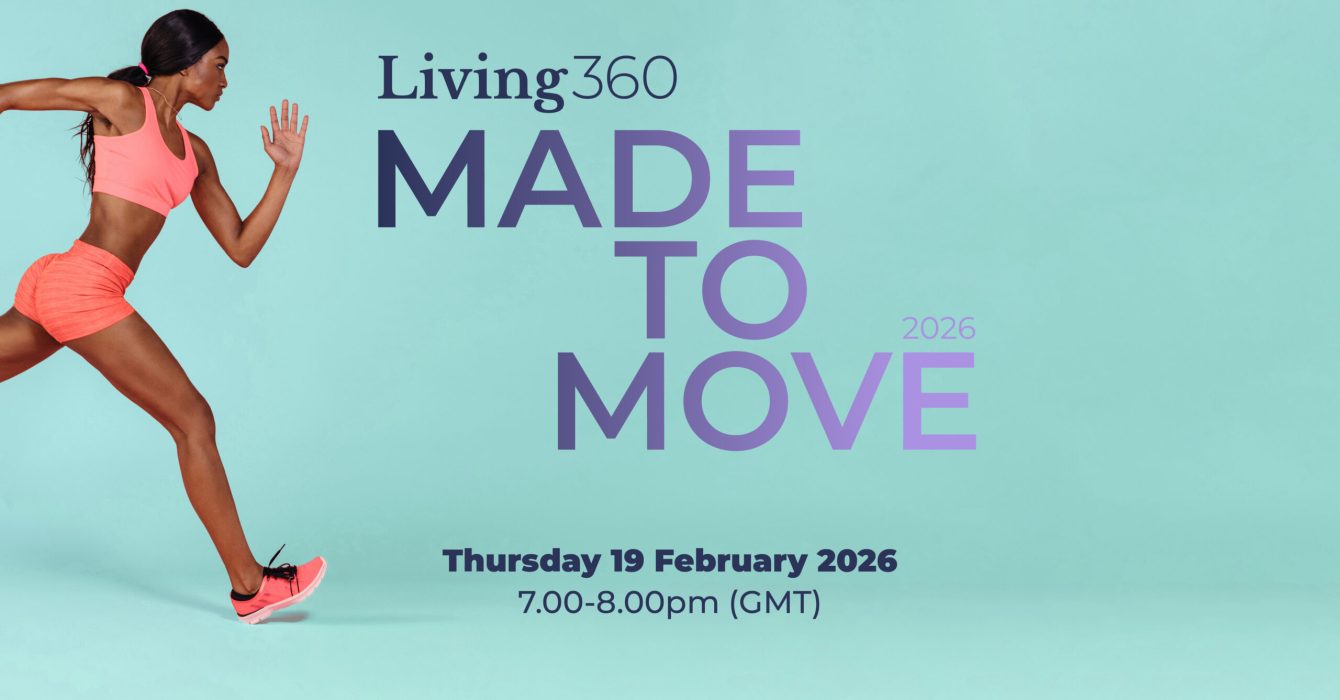
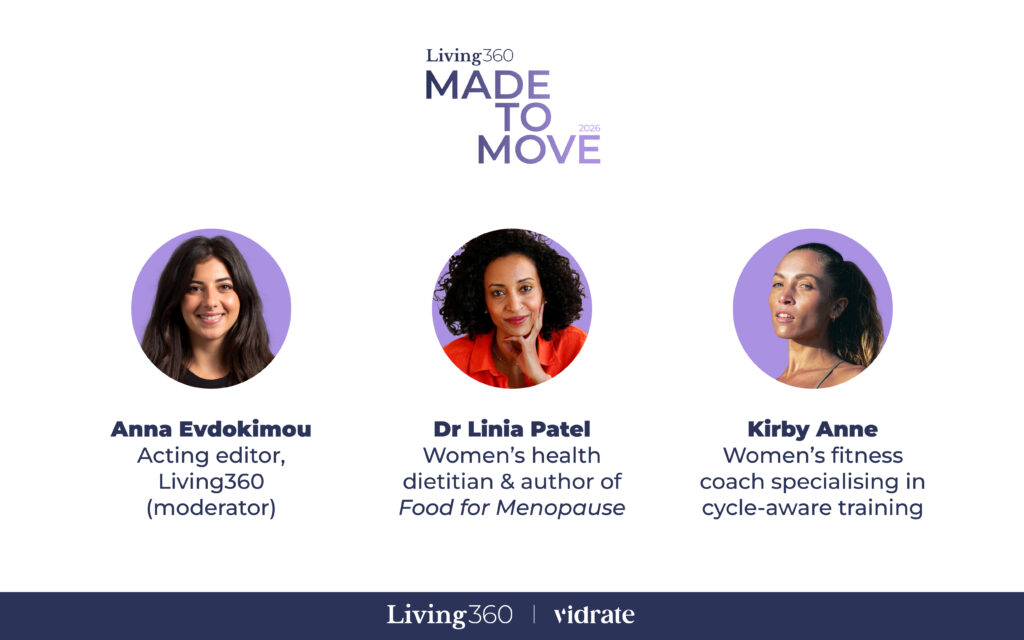
If you didn’t already know, on 19 February 2026, Living360 hosted Made to Move 2026, an hour-long webinar. The panel saw women’s health dietitian Dr Linia Patel and fitness coach Kirby Anne discuss how the menstrual cycle can shape better approaches to nutrition, movement and overall wellbeing.
Sponsored by hydration brand Vidrate, the panel provided viewers with real, tangible advice that they can now apply to their daily lives, from workout tips to meal plan ideas. But for those that missed it, worry not. Here, we share some key highlights from our experts, plus a list of our most popular cycle-syncing articles below.
Read more: Made to Move campaign: Key findings from the survey
What is cycle syncing?
“There’s still a lot of women who don’t know what cycle-syncing is,” said Kirby. “Or how to sync their workouts to their cycle.”
Kirby explained that a typical cycle is 28 days long, although a healthy cycle can sit anywhere between 21 and 40 days. Women have four different stages of their cycle: menstrual, follicular, ovulatory and luteal. Cycle syncing is about tailoring your exercise and movement to your cycle stage.
How to tailor your workout to your cycle
Menstrual phase:
“Your cycle starts with your menstrual stage, which is day one of your period,” explained Kirby. “This typically lasts around three to seven days. During this phase, your energy and hormone levels are typically low, and your metabolism works at a slightly faster pace — which is why women tend to get more cravings during this time.”
Kirby’s advice for the menstrual phase is to dial back your workouts and intensity, as well as suggesting resting completely if you feel like your body needs it.
“I’m someone who loves to move,” she said. “So, when I’m on my period, I just make sure to exercise in slower flows.”

Read more: Made to Move: Everything you need to know about strength training as a woman
Follicular phase:
This phase typically lasts between seven to 10 days.
“During this time, your energy levels are beginning to rise, as well as your oestrogen and FSH (follicle stimulating hormone).”
Your metabolism during the follicular phase works at a slightly slower pace, which presents the perfect opportunity to wake the body up with higher-intensity workouts.
“This is a great time to do cardio-focused exercise, such as HIIT training, runs, boxing and similar.”
Ovulatory phase:
This is the stage at which your ovaries release the mature egg, so oestrogen is at its highest.
“This is when you’ll likely find that your energy is at its highest,” explained Kirby. “So, it’s the perfect time to be opting for your strength-training workouts or strive to reach your personal best. We also build lean muscle really well during this stage.”
Luteal phase:
The luteal phase is typically around 14 days long and it runs up until the first day of your new period.
“Your energy levels are still high during this phase,” said Kirby. “So, I recommend continuing with your exercises with your ovulatory phase.”
However, she added that progesterone levels begin to decline as we near our period, meaning that your energy levels drop, your metabolism speeds up and cravings start to kick in.
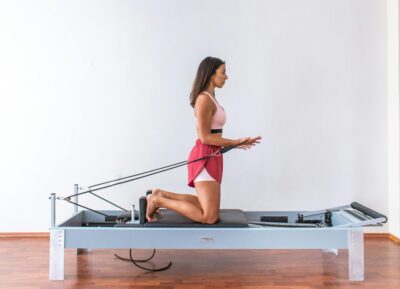
“You’re going to feel your energy decline as you near the end of the luteal phase, so I suggest dialling back during this time with slower, less intense workouts. Pilates and yoga are ideal here.”
Read more: The best work-out friendly beauty products for a sweat-free look
How to tailor your diet to your cycle
Menstrual phase:
Obviously, during this stage of our cycles, women are losing blood.
“That means that we’re losing iron, so we need to focus on eating iron-rich foods like spinach, meat or lentils,” explained Dr Linia. “Just make sure you’re putting lemon on your plant-based food to increase the iron.”
Because you’re bleeding, your body goes into a higher state of inflammation, so you might need to eat more anti-inflammatory food. Dr Linia suggests opting for salmon, walnuts and pumpkin seeds.
Follicular phase:
“In theory, your body is more resilient during this phase, which means that it’s a good time to go lower-carbohydrate or trial fasting,” said Dr Linia.
She noted that it’s important here to continue prioritising lean meat and protein sources.
Ovulatory phase:
When we ovulate, our bodies need antioxidant-rich foods. But Dr Linia added that, because our oestrogen levels are so high during this stage, it’s important to help our liver by eating foods like broccoli, cauliflower and phosphorus-rich vegetables.
Luteal phase:
“We break down muscle here much quicker than we would in the first part of our menstrual cycle,” Dr Linia explained.
We also tend to get more cravings here. To manage this, Dr Linia recommends opting for slow-release carbohydrates to manage blood sugar levels. Examples include whole grains like oats, quinoa and brown rice.
“You also want to make sure you’re getting your protein intake right so that the body doesn’t break down your muscle mass during this time.”
Dr Linia asks us to remember that being consistent in your diet is the most important thing — and to not get lost in cycle syncing. “Sometimes we underestimate the power of simplicity,” she noted. “And simplicity means consistent fuelling throughout your cycle.”
Read more: Emily English on her healthy habits for 2026
Questions from the audience
What modifications should I make to my diet during perimenopause?
“In my book, I wrote about four nutrition principles that are fundamental to perimenopausal women,” said Dr Linia.
- Hydration: ensure that your body is always hydrated.
- Balancing blood sugar levels: during perimenopause, how the body metabolises carbohydrates changes. Women in their forties and fifties metabolise carbohydrates better earlier on in the day, so it’s a good idea to structure your meals accordingly.
- Eat to nourish your gut bacteria: the healthier your gut is, the better your body is at regenerating oestrogen. This means prioritising fibre.
- Eat to cool down inflammation: to help with the symptoms of brain fog and joint pain, Dr Linia suggests prioritising whole foods and eating slower — ensuring that you take time during meals.
How can I manage bloating during the luteal phase?
“A little bit of bloating during this phase is normal,” said Dr Linia. “If it’s extensive, it could be a combination of hormonal water retention and gut health.”
Dr Linia recommends ensuring that you’re adequately hydrated, reducing salt intake, easing off alcohol and eating vegetables and fruit.
“Leaning into something fermented every day could also help, like Greek yoghurt, kefir or kimchee, as well as maximising fibre through oats and whole grains.”
How can I stay motivated throughout my cycle?
Kirby asked people to remember that it’s ok to rest when your energy is low.
“Rest and recovery are a massive part of your training, and if you want to perform at your best, you need to rest,” she explained.
For those keen on moving during low-energy phases, Kirby recommends opting for gentler workouts and forms of cardio.
“Do some resistance band work, mobility work, or just go on a walk.”
Should I take electrolytes?
“I would say yes,” said Kirby. “I’m very active, so for me it’s important to ensure that I’m hydrated constantly. I notice that when I add electrolytes to my water, I always feel more hydrated.”
Dr Linia also recommends electrolytes for those trialling intermittent fasting, and notes that people should use them on a case-by-case basis.
“Within the right context, electrolytes can definitely be helpful for optimising hydration.”
For more cycle-syncing articles, visit the links below:
This is what you should be eating at each stage of your menstrual cycle, according to the experts
“I’m running my first marathon — why are there no training plans with menstrual cycle syncing?”
Made to Move: understanding injury risks across your cycle
Why you need to start cycle syncing your skincare routine — and the best products to buy
Feature image: APL Media