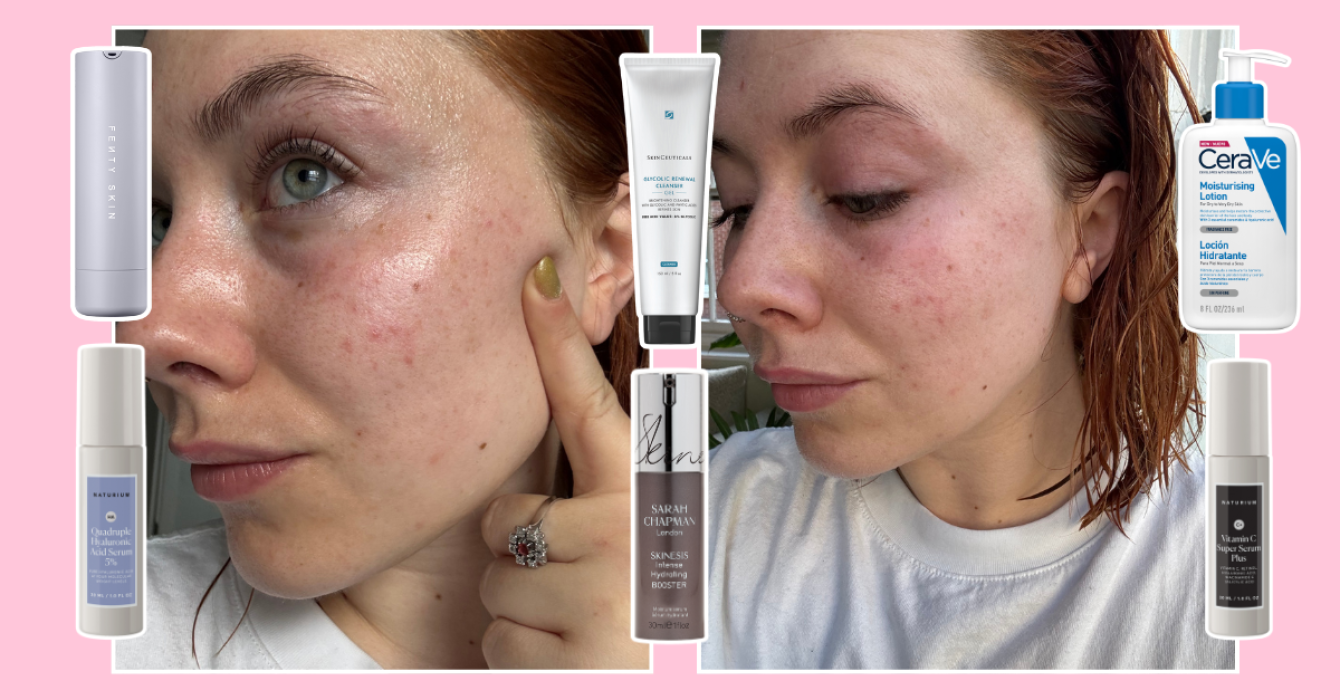
Beauty writer Ellie-Mae Hammond unpacks her journey with rosacea, with expert guidance on understanding triggers, treatments and long-term skin management.
For as long as I can remember, my skin has been naturally rosy. Lucky me, right? Born with the kind of flush we spend good money on blushers trying to recreate. It felt like a win.
But as I got older, it stopped feeling like a feature and started behaving more like a liability. The redness flared up and down until it eventually didn’t really go anywhere at all. It just stayed. A more permanent visitor, I told myself, I’d learn to live with.
I decided it was time to properly invest in my skin. And during my very first facialist appointment, the practitioner told me, “You have rosacea.”
Suddenly, everything clicked. Considering rosacea affects around one in 20 adults globally, it felt a lot less niche than I’d imagined.
Looking back, the signs were all there — the constant redness, sudden flushing, heat rising in my cheeks. Some days it burned, other days it just lingered, never fully calm. Psychologically, the reactiveness felt restless. My skin never felt clean and I’d catch myself fixating on it in the mirror, seeing the redness before I saw anything else.
Along the way, I’ve cycled through countless products, treatments and techniques, trying to figure out what works — and what makes things worse.
So, consider this my love letter to those of us kissed by rosacea, and a conversation with the experts to unpack what’s really going on, and how to live with it without letting it take over.
Read more: How endometriosis can play havoc with your skin — and the best products to use
Why rosacea gets worst in spring and summer
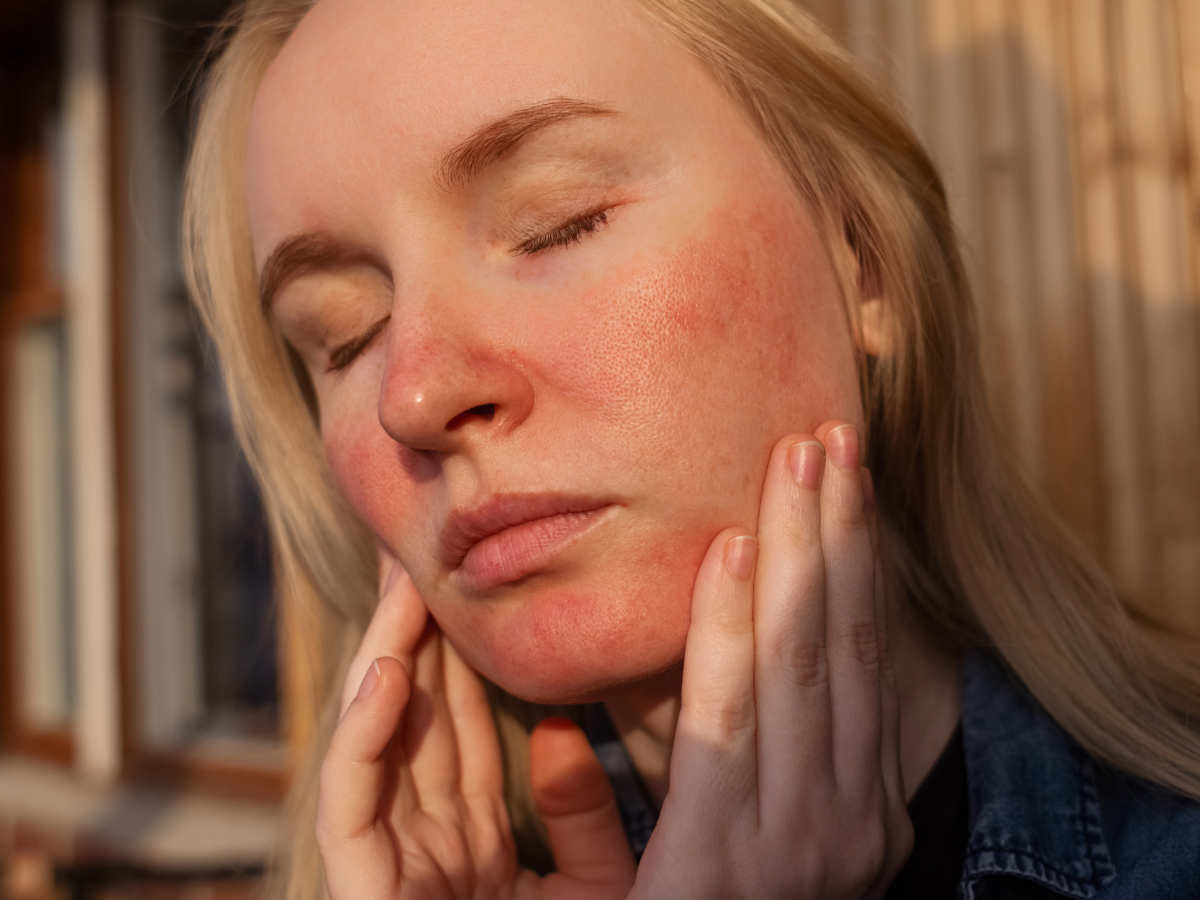
There’s something mildly offensive about the way my skin reacts to sunshine. A bit of heat, a glass of wine (or several), a brisk walk — and suddenly my face is radiating as though I’ve just run a marathon I absolutely did not sign up for.
If this sounds familiar, consultant dermatologist Dr Ophelia Veraitch explains that prevention starts with understanding your triggers: “Heat, stress, sudden temperature changes, spicy foods and alcohol all cause the superficial blood vessels in the skin to dilate, which leads to persistent flushing and redness.”
Add spring and summer into the mix, and the odds of irritation are stacked.
“Increased UV exposure can damage these vessels over time, reducing their ability to constrict and making redness more long-lasting,” she adds. “Which is why daily sun protection isn’t optional — it’s essential.”
Consider this the first checkpoint — managing rosacea starts with recognising what sets it off.
Read more: An aesthetician answers your summer skincare questions
Skin and beauty ingredients to avoid
Once you accept that the seasons aren’t entirely on your side, it’s time to address an even bigger culprit: your beauty routine.
Pre-diagnosis, mine was a revolving door of new launches and trending serums — each one a hopeful attempt at ‘fixing’ my skin.
According to Sophie Smith, aesthetician and co-founder of Grand Aesthetics, the biggest triggers are often hiding in plain sight.
“Fragrance is a major one — it’s in so many products people assume are gentle, from toners to SPFs. Alcohol-based products, witch hazel and high concentrations of exfoliating acids like AHAs and BHAs can strip an already compromised skin barrier and trigger flare-ups.”
And from a makeup perspective, heavy, long-wear formulas can sometimes do more harm than good — particularly when they require aggressive removal at the end of the day.
One of the most surprising triggers, I found, was biotin.
“Supplements marketed for ‘hair, skin and nails’ can actually exacerbate inflammatory skin conditions like rosacea and acne in some people,” says Dr Ophelia.
The same caution applies in-clinic. ‘Medical-grade’ doesn’t automatically mean rosacea-friendly. Aggressive facials, stronger peels and high-heat laser treatments can all aggravate reactive skin if not carefully tailored.
A key rule for your skincare journey is to slow down. Introduce one product at a time, protect your skin barrier and remember — glowing skin shouldn’t feel like it’s burning.
Read more: “My skin transformed when I hit my thirties — I asked experts why”
The rosacea-friendly products and treatments I recommend
Over time, I’ve narrowed things down to a handful of products and treatments that genuinely support my skin — rather than overwhelm it. They’re not miracle fixes, but they’ve helped bring a sense of balance back to something that once felt completely unpredictable.
Skincare
At the core of my routine is gentle, barrier-first skincare — the kind that calms rather than challenges:
- Byoma Foaming Rice Deep Cleanser — lightweight, non-stripping and a go-to on reactive days
- Rhode Barrier Butter — rich, fragrance-free and deeply nourishing without triggering irritation
- Sarah Chapman Skinesis Intense Hydrating Booster — a hydration essential that helps keep skin balanced and comfortable
- SkinCeuticals Glycolic Renewal Cleanser Gel — used sparingly when skin is calm to maintain clarity
- CeraVe Daily Moisturising Lotion — simple, reliable barrier support
Treatments
In-clinic and at-home treatments have become less about intensity, and more about consistency and control.
LED therapy has been a game-changer. I’ve been using the Lustre Renew Pro Facewear at home for several months to help manage inflammation between appointments — a low-effort addition that delivers steady results over time.
Professional treatments are approached cautiously and tailored to what my skin can tolerate on the day — whether that’s a hydrating facial to repair the barrier or, when things are more settled, gentle actives or targeted laser work.
Read more: Are LED face masks worth the money? Our honest review
@living360_uk Being the office wellness duo is tough, but someone’s got to do it TikTok Sound How Your Email Finds Us Office Meme
Makeup
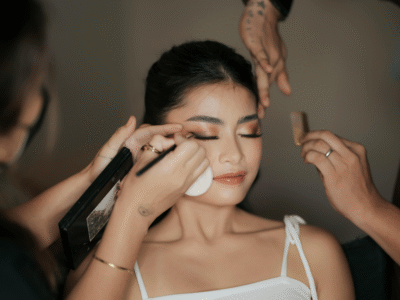
Makeup has shifted from full coverage to subtle correction.
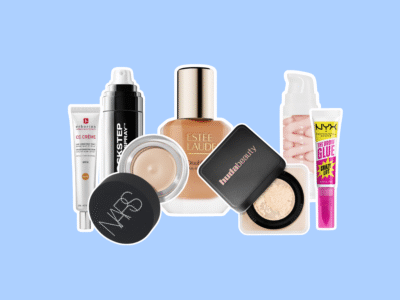
I tend to avoid heavier, long-wear formulas in favour of lighter textures that let my skin breathe. Mineral-based options, such as bareMinerals Barepro 24hr Skin-Perfecting Powder Foundation, are often recommended for sensitive skin — though personally, I lean more towards skin tints and cream-based products for a softer, more natural finish.
Green colour correctors have also earned a place in my routine, helping to neutralise redness without the need to layer on product. Erborian CC Red Correct is a popular choice.
Read more: 7 summer beauty essentials under £40 the L360 team are obsessed with
Advice for people with rosacea
For anyone struggling with their skin right now, treatments like this can be genuinely transformative, but the most powerful thing you can do (and it doesn’t cost a thing) is learn to understand your skin’s language. Get to know your triggers, strip things back and simplify wherever you can.
As Sophie puts it, “My golden rule for anyone with rosacea? If it tingles, burns, reddens or heats the skin, put it down. Your skin is speaking to you — you just have to learn its language.”
Feature image: Ellie-Mae Hammond/brands