Before booking your next nail appointment, consider swapping to one of these cult techniques.
For years, the manicure menu has been relatively predictable: classic polish, gels, BIAB, maybe the occasional luxury add-on. But now, a new wave of technique-led treatments is reshaping the nail industry — and if you’re even slightly tuned into beauty TikTok or salon culture, you’ll know there are two names dominating the conversation: Russian and Japanese manicures.
They couldn’t be more different in approach. One is all about immaculate precision, sharp cuticle work and a clean finish. The other leans into wellness, focusing on restoring your natural nails to a glossy, healthy state without a single drop of polish.
And yet, both have achieved cult status among those in the know. From backstage beauty pros to minimalist aesthetes, these techniques are redefining what a ‘good manicure’ actually means — moving beyond colour trends and into craftsmanship and care.
So, here’s everything you need to know about the Russian vs Japanese manicure debate.
Read more: Why J-Beauty is set to become the new K-Beauty — and editor-approved products to buy now
What is a Russian manicure?
If your Instagram feed is filled with impossibly clean cuticles and glassy gel finishes, chances are you’re already acquainted with the Russian manicure — even if you didn’t know its name.
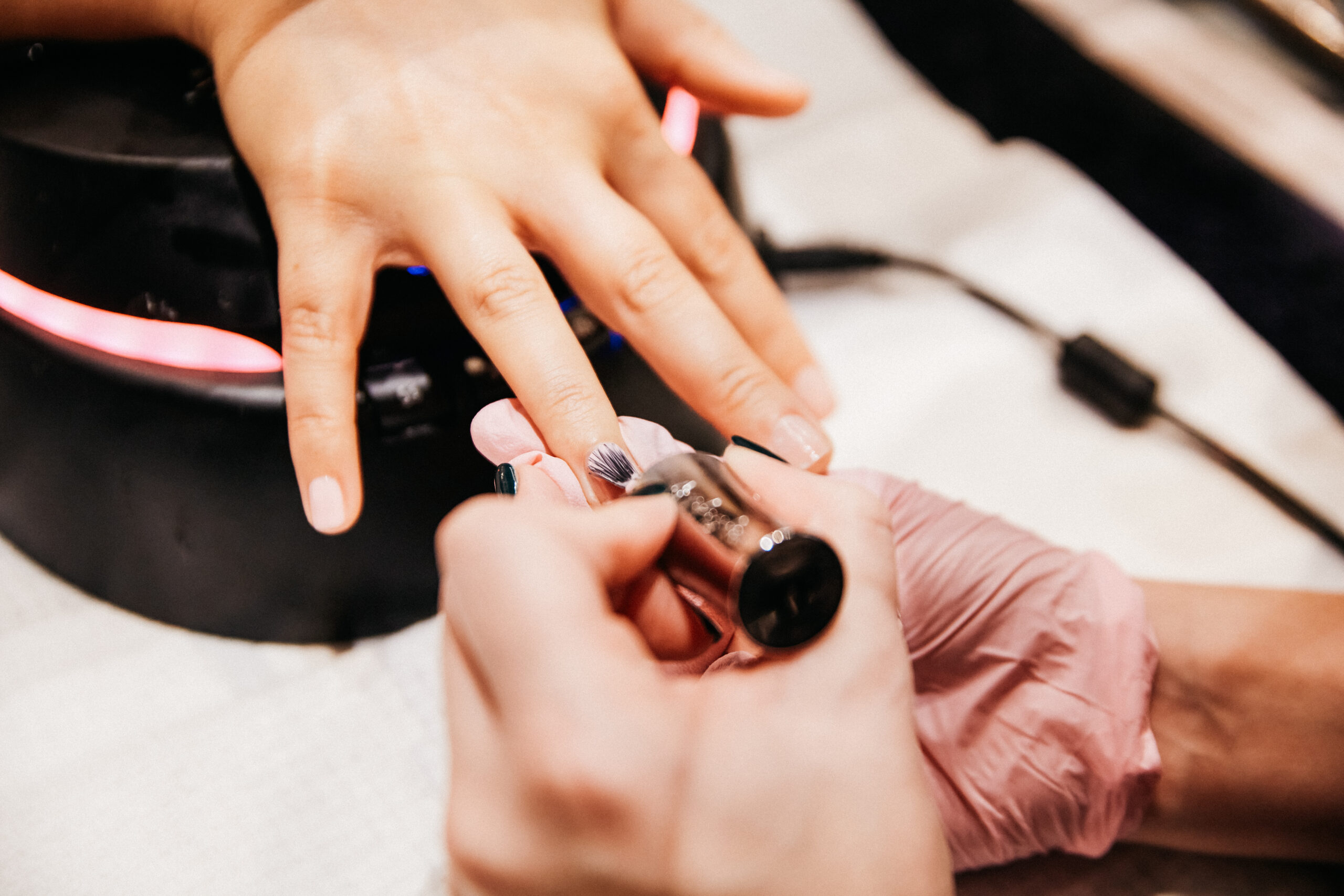
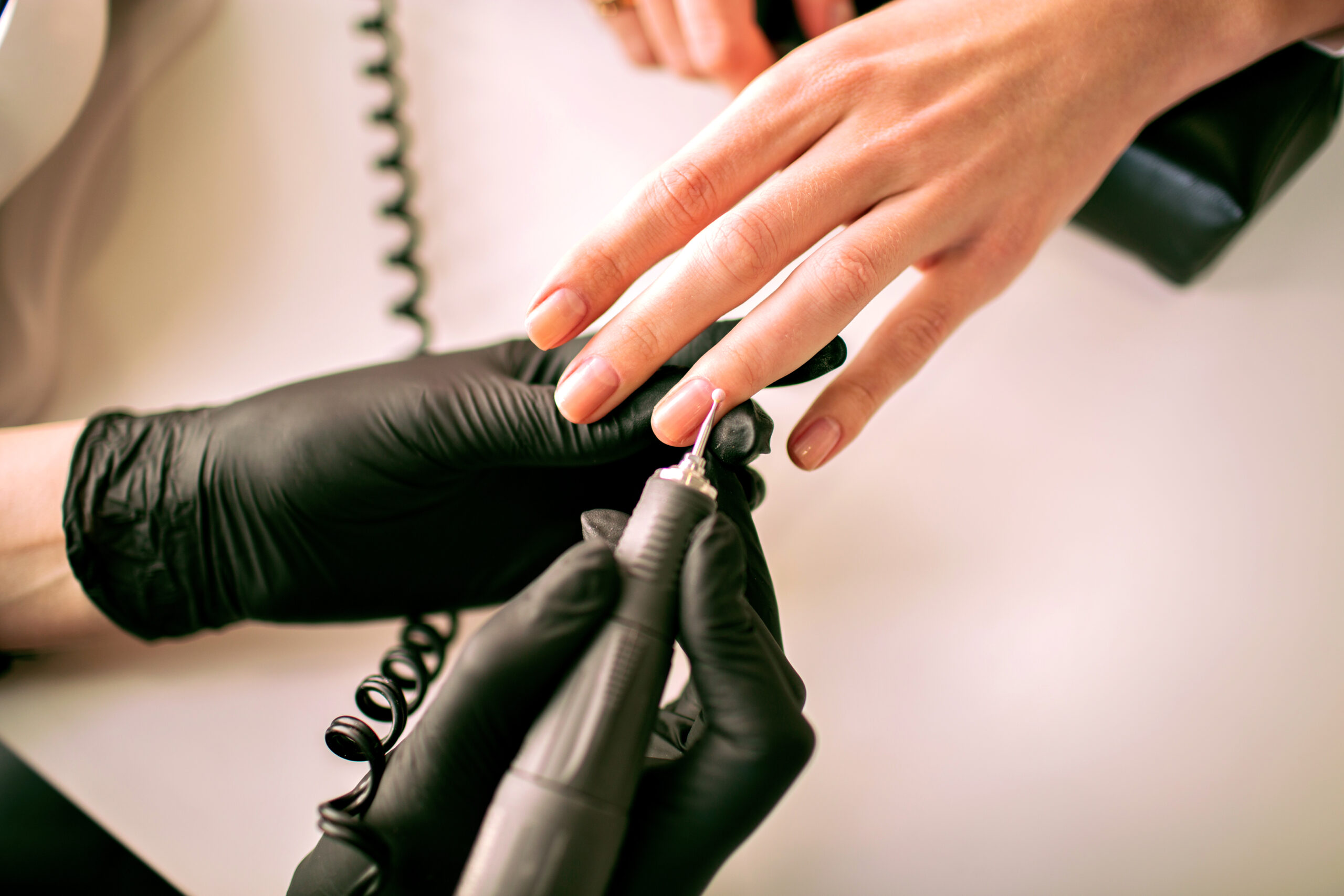
According to lead nail tech Rhiannon Thayre at Paint Nails London: “A Russian manicure is an advanced, dry manicure technique that focuses on extremely detailed cuticle work using an e-file.”
Unlike traditional manicures, there’s no soaking involved. “The process doesn’t involve soaking the nails in water at any stage,” she explains, noting that the technique instead uses “a range of fine e-file bits to carefully exfoliate and remove non-living tissue from the cuticle area.”
The focus is entirely on preparation. “It’s essentially a cuticle and preparation-focused manicure,” Rhiannon says. “The goal is to perfect the nail plate so the final result looks flawless and lasts significantly longer.”
That longevity comes down to more than just technique. “Water-based techniques cause the nail plate to temporarily absorb moisture and expand,” she explains. “When gel is applied in that state, the nail later contracts, which can cause lifting, chipping or peeling.”
By contrast, Rhiannon adds, “With a Russian manicure, the nail plate is kept dry and thoroughly refined,” meaning gel is applied only where it should be. “This results in a much cleaner cuticle line and allows the product to be applied closer to the base of the nail, which improves both appearance and durability.”
View this post on Instagram
The finish is what clients notice first. “The cuticle area appears exceptionally clean, smooth and precise,” she says. “It gives the manicure a more refined and professional look.”
But there are practical benefits, too. “Clients often notice reduced lifting and chipping, and the manicure grows out more seamlessly,” Rhiannon adds. “It also helps maintain a consistently neat appearance over time — even after a couple of weeks of growth.”
Of course, it’s not without its caveats. “The technique requires a high level of training and precision,” she warns. “If an e-file is used incorrectly, it can cause damage to the nail plate or surrounding skin.”
That’s why expertise matters. “The real concerns around safety come from poor hygiene, improper tool use and over-cutting into live tissue — not from the Russian manicure technique itself,” she clarifies. “When performed by a trained and experienced nail technician, the treatment’s completely safe.”
Read more: These are the nails you should get, according to your star sign
What is a Japanese manicure?
On the opposite end of the spectrum sits the Japanese manicure — the quiet luxury of the nail world.
“A Japanese manicure is a treatment-led approach focused on restoring the natural nail,” explains Susan Carroll, founder and director of Young LDN. Instead of polish, it involves working nutrient-rich pastes and mineral powders into the nail to strengthen, smooth and enhance its natural shine.
The results are both instant and cumulative. “Nails appear glossier and healthier straight away,” she says, “while continued treatments help improve strength, prevent breakage and support natural growth.”
It’s a subtle aesthetic, but that’s the point. “It’s particularly suited to clients with damaged or weakened nails,” Susan notes, “or anyone looking for a more minimal, low-maintenance finish.”
And while it may feel worlds away from the precision of Russian manicures, it has its own kind of polish. As Susan adds, “The benefits are both immediate and long term,” making it as much about maintenance as it is about appearance.
Read more: Korean lash lifts are officially the UK’s fastest-growing beauty treatment — here’s why
Russian vs Japanese: what’s the difference?
It comes down to intention.
A Russian manicure is about perfection. As Carroll explains, it’s “a highly precise technique centred around detailed cuticle work” that’s designed to create “a sharper, more flawless finish and longer-lasting wear.”
A Japanese manicure, meanwhile, is about restoration. It prioritises nail health first, working to “rebuild strength and improve overall condition” over time.
They also differ in experience. Russian manicures can take longer and tend to come at a premium price point due to the skill involved. Japanese manicures feel more like a treatment — gentler, more holistic and minimal.
Read more: Are Russian banyas the ‘new sauna’? Here’s why they’re taking over the UK wellness scene
Which one should you book?
If your nails are weak, peeling or recovering from gels, the answer is simple. “A Japanese manicure is the best option to rebuild strength and improve overall condition,” says Sarah.
But if you’re committed to gels or BIAB and want that crisp, just-left-the-salon look? “If you want a manicure that looks immaculate and lasts as long as possible, a Russian manicure is the better choice,” she advises.
In reality, the smartest approach might be a mix of both. As Susan notes, “Clients will often alternate between the two — using Japanese manicures to repair the nail and Russian manicures to maintain a flawless finish.”
Because when it comes to modern manicures, it’s no longer just about how your nails look on day one — it’s about how they wear and how healthy they are underneath.
Feature images: Canva