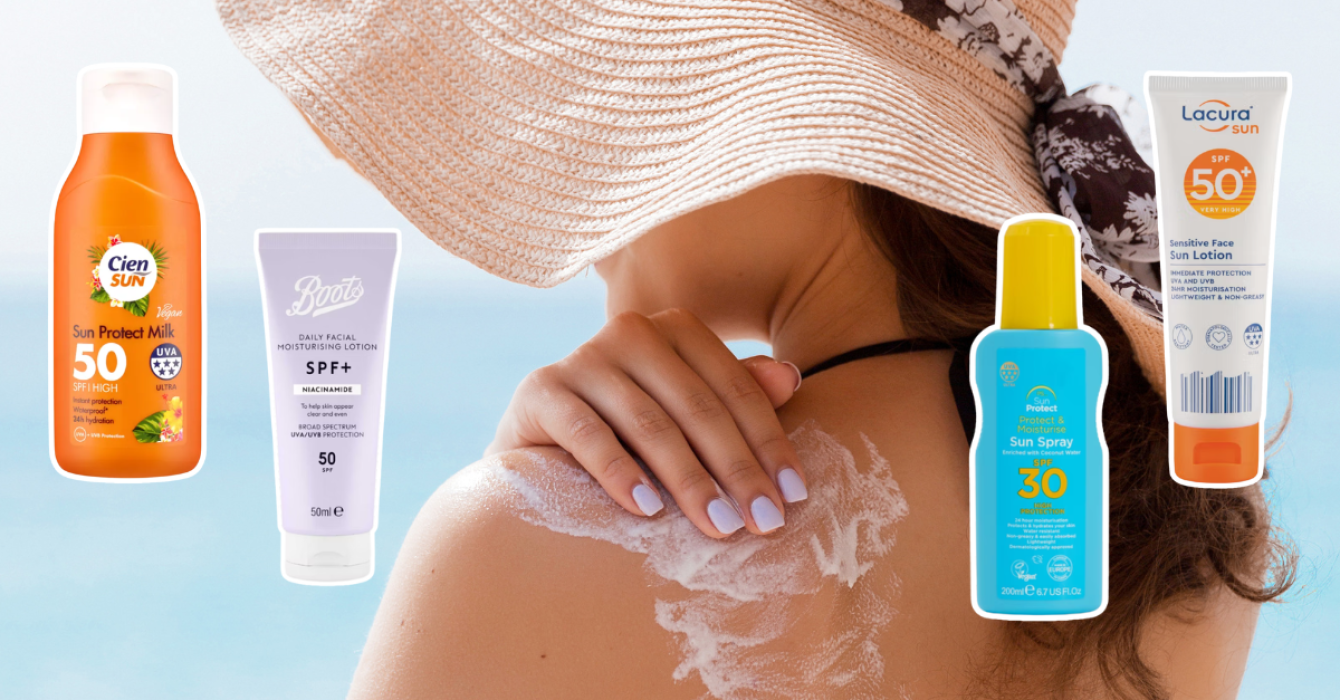
Living360 asked dermatologists and skincare experts whether bargain SPFs can really protect your skin — or if spending more makes a difference.
With luxury sunscreens regularly creeping past the £40 mark, it’s no surprise more people are filling their baskets with budget-friendly SPF from the high street instead.
Still, there’s one question that keeps coming up: are cheaper SPFs as good as expensive ones?
Because while most of us would like to not break the bank every time we refill our skincare cabinets, nobody wants to discover that they products they’re buying are actually no good.
According to experts, though, price isn’t necessarily the thing shoppers should be focusing on.
Read more: The 14 best tinted SPFs for easy coverage and a smooth finish — with one under £6
Do cheap sunscreens actually work?
Dr Memee Ahmad of Skin Couture says the idea that cheaper SPFs offer weaker protection is one of the biggest misconceptions around sunscreen.
“Any SPF sold in the UK has to meet the same EU cosmetic regulations regardless of whether it costs £3 or £250,” she explains. “That means the SPF rating and UVA protection levels are held to the same standard across the board.”
In other words, a budget SPF can absolutely provide effective protection — provided it’s been properly tested and labelled.
Dr Barbara Kubicka of Clinicbe agrees. “Cheap SPFs can be very good. I think there’s a bit of a misconception that you have to spend a lot to be properly protected.”
That said, experts note there are some differences between cheaper and more expensive formulas.
Why expensive sunscreen can feel different on your skin
While protection levels are regulated, formulation is where brands tend to differ most. According to Dr Memee, some premium SPFs may include more advanced “photostabiliser technology”, which helps formulas maintain protection during prolonged UV exposure.
But texture also plays a huge role. “Texture, finish and how it sits on your skin tone are not trivial considerations,” she says. “They’re the difference between a product you reach for every morning and one that sits unopened on your shelf.”
Dr Barbara says this is often where budget sunscreens can fall short. “Some of the cheaper SPFs can feel a bit heavier or leave more of a residue, and if you don’t enjoy wearing it, you won’t apply enough or you’ll skip reapplying,” she explains.
And according to experts, that’s when protection becomes less effective.
Read more: ‘I have acne-prone skin — these are the only SPFs that don’t cause a breakout’
What to look for when buying cheaper sunscreen
Experts say shoppers should stop focusing solely on price and pay closer attention to the actual protection claims on the bottle.
Look for broad-spectrum SPF
Dr Memee points to broad-spectrum protection as being essential.
“UVB is what causes sunburn, but UVA penetrates more deeply and is responsible for the collagen breakdown and photo-ageing that accumulates silently over years,” she explains.
That means your SPF should protect against both.
SPF 30 or SPF 50 matters more than branding
Dr Barbara recommends choosing at least SPF 30, although SPF 50 is ideal for the face.
She also advises checking for:
- A UVA star rating
- The UVA circle logo
“That’s what really matters when it comes to long-term skin health and ageing,” she says.
Dr Memee also points out that shoppers shouldn’t become obsessed with chasing the highest SPF number possible.
“SPF 30 filters around 97% of UVB rays and SPF 50 filters around 98%, so the difference is real but modest for most daily use,” she explains.
Instead, she says UVA protection is often the more overlooked factor.
Read more: Are SPF100 sunscreens really more effective? Experts weigh in
Why sunscreen texture and finish matter more than you think
One of the most interesting points experts raised is that the feel of sunscreen may be just as important as the protection itself.
According to Dr Memee, sunscreen only works if people wear it consistently.
“White cast is a real and valid concern, particularly for medium and deeper skin tones,” she says.
She also notes that oily or acne-prone skin types may struggle with heavier formulas, while dry skin often needs richer textures for comfort.
“Matching the formulation to your skin type is not about preference, it’s about making protection sustainable long term,” she explains.
Which is why experts say people shouldn’t feel guilty about choosing an SPF they genuinely enjoy wearing — even if it’s a cheaper one.
Is expensive SPF worth it?
Potentially, but not necessarily for the reasons people think.
According to Dr Memee, higher prices can reflect more sophisticated formulations, more elegant textures and finishes designed for a wider range of skin tones.
But it doesn’t always mean stronger protection. “A £6 SPF from a supermarket, worn faithfully every single day, will always outperform a premium SPF that lives in a drawer,” she says.
Dr Barbara echoes that sentiment. “Personally, I’d always rather someone use a more affordable SPF generously and consistently than ration an expensive one,” she says.
Best cheaper SPFs to buy
- Solait Face Fluid SPF30 — buy from Superdrug for £2.75
- Byoma’s Ultralight Face Fluid SPF50 — buy from SpaceNK for £15
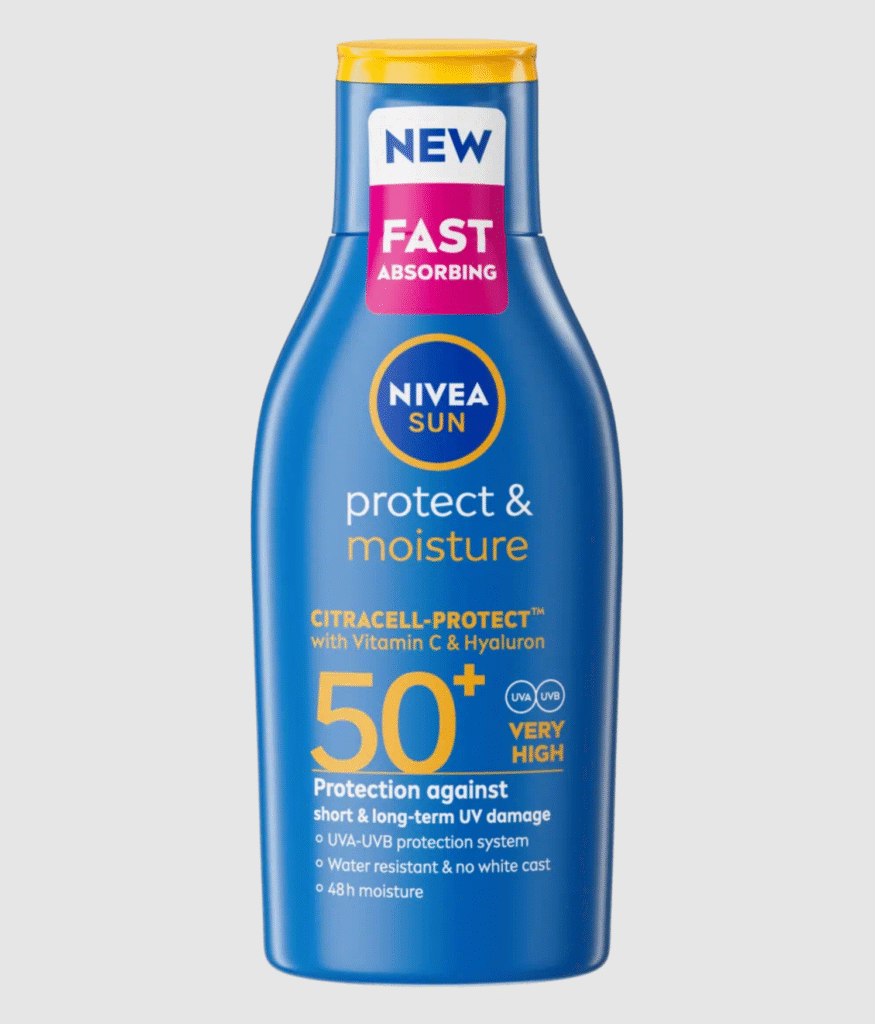
- Nivea Sun Suncream Lotion SPF50 Protect & Moisture — buy from Superdrug for £5.99
- Boots SPF+ Niacinamide Moisturising Lotion SPF50 — buy from Boots for £7
- Ultrasun Face SPF50+ — buy from John Lewis for £13
Feature image: Canva/brands