The collagen obsession is flourishing. But are pills, potions, powders and bone broth all they’re cracked up to be?
Once upon a time, the average morning health routine probably involved downing a multivitamin and splashing your face with water.
Modern beauty routines, however, are flooded with creams and serums that promise to boost or ‘infuse’ collagen into the skin. And social media delivers video after video of influencers swearing by foods like bone broth, peach gums and chicken feet, as well as a dizzying array of supplements, to boost their collagen levels to new heights.
Is collagen really worth the hype?
Our obsession with collagen may not be new, but it shows no signs of abating. Losing the collagen that gives skin the vital plumpness and elasticity of youth is a part of getting older. But in world that places so much emphasis on appearance, “feeling you can control the ageing process has become an attractive option to many,” says Dr Bernard Ho, consultant dermatologist and spokesperson for The Skin Alliance.
Is the relentless marketing behind collagen outpacing real science? Dr David Jack, a leading aesthetics doctor based in London, describes any scientific evidence pushed by the social media hype around collagen-rich foods as “murky” as best.
Read more: Eat these collagen-rich foods for glowing skin and stronger joints

“When you eat collagen, whether from bone broth, fish skin or gelatinous foods, or indeed any animal protein, your digestive system breaks it down into amino acids and peptides,” he explains. These components can then go on to be used by the body as building blocks to create collagen, but “there’s no guarantee or reliable evidence they’re preferentially redirected into facial collagen production.”
That’s not to say nutrition plays no role at all. Adequate protein, vitamin C and copper are all essential for collagen production, but experts stress that a balanced diet matters more than viral ‘beauty foods’.
Do collagen supplements actually work?
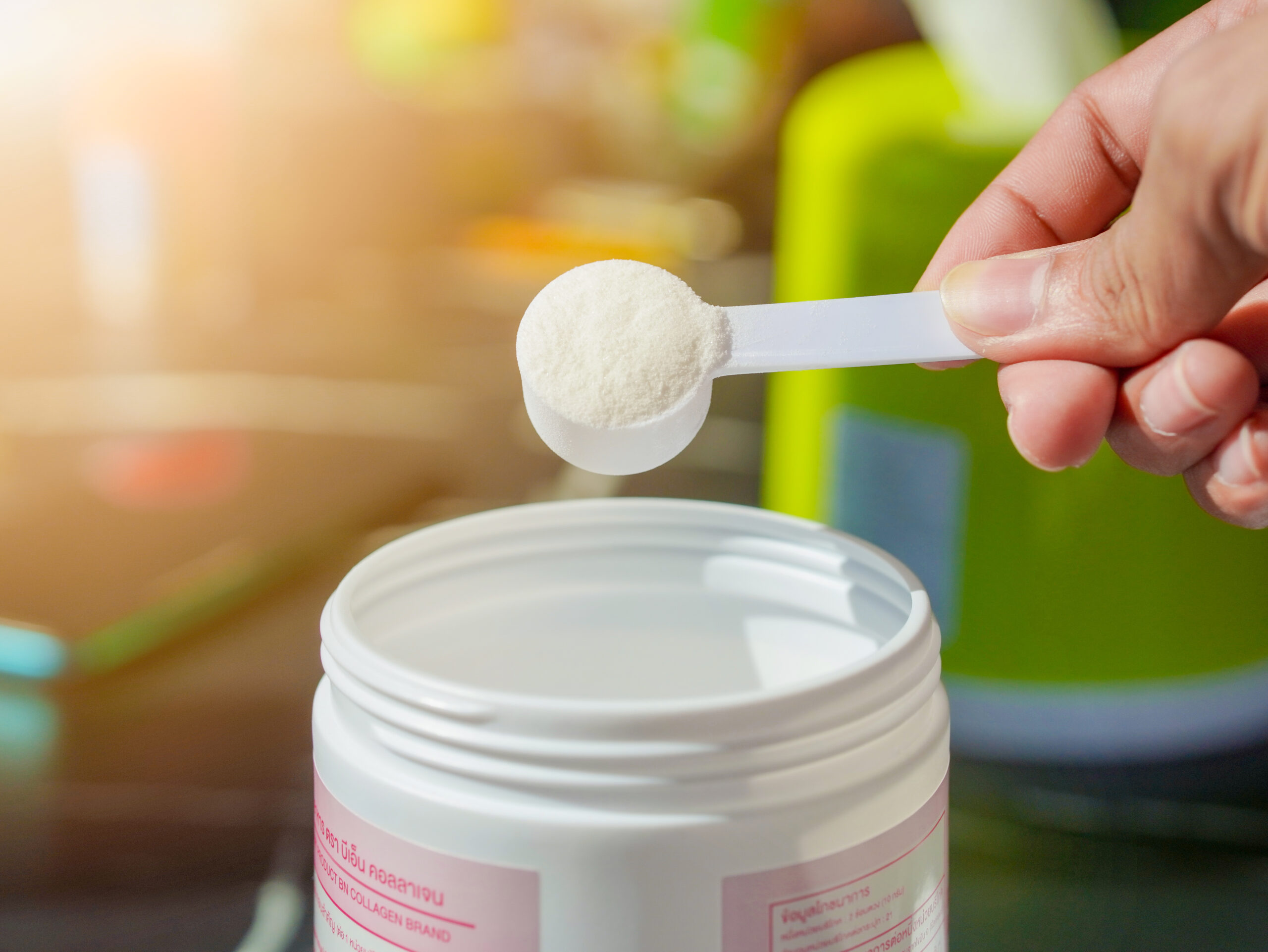
The health and beauty industry now pumps out pills, potions and powders that claim to be chock-full of collagen. Their convenience is their selling point — they’re marketed as an easy addition to a daily routine. In reality, however, there’s little evidence to show that such supplements make a meaningful difference. And with an industry that’s still so under-regulated, claims can often be exaggerated with few real repercussions.
Both Dr Bernard and Dr David point out that numerous studies showing the benefits are industry-funded. And even then, the results tend to be modest. Any improvements are subtle, and far from the dramatic transformations often implied. As Dr David puts it, they aren’t quite the magical “facelift in a tub” they purport to be.
Read more: These are the dermatologist-approved collagen masks worth buying for instant glowy skin
How to actually get great skin
So what actually works? According to the experts, the most effective approach actually has nothing to do with boosting your collagen intake, but protecting what you already have. The advice, says Dr Bernard, is “boring but powerful”: wear sunscreen daily, avoid smoking and maintain a balanced diet with sufficient protein and vitamin C.
For those seeking topical solutions, retinoids are far more evidence-based than collagen-infused products. Dr David believes they’d win “hands down” as there’s much stronger evidence for them increasing collagen production over time and improving fine lines and skin texture.
Feature image: Getty