
Whether you’re looking to kick-start your morning, beat the afternoon slump or unwind after work, experts reveal how walking at different times of day can unlock different health benefits.
Walking is one of the few forms of exercise that requires no equipment, no membership and very little planning. Whether it’s a brisk stroll around the block, a lunchtime lap of the park or a post-dinner wander, most of us can find a way to fit a few extra steps into our day.
Around the summer solstice — which brings with it the longest daylight hours of the year — many Brits make the most of lighter evenings. New data from outdoor exploration app AllTrails found a 54% increase in trail activity between 6pm and 10pm during June and July compared to spring, as more people embrace the so-called ‘5-to-9’ after the working day ends.
And while getting enough movement is often the focus, some experts believe that when you walk can be just as important as how far you go. The timing of your walk may influence everything from your energy levels and concentration to your digestion.
Of course, any walk is better than none, and consistency remains the most important factor when it comes to long-term health benefits. But if you’re already building walking into your routine, it could be worth thinking about how different times of day make you feel.
So, is there an optimal time to head out for a walk? We asked health and fitness experts whether a morning, lunchtime or evening stroll comes out on top.
Read more: Short on time? The viral Japanese walking method promises results in 30 minutes
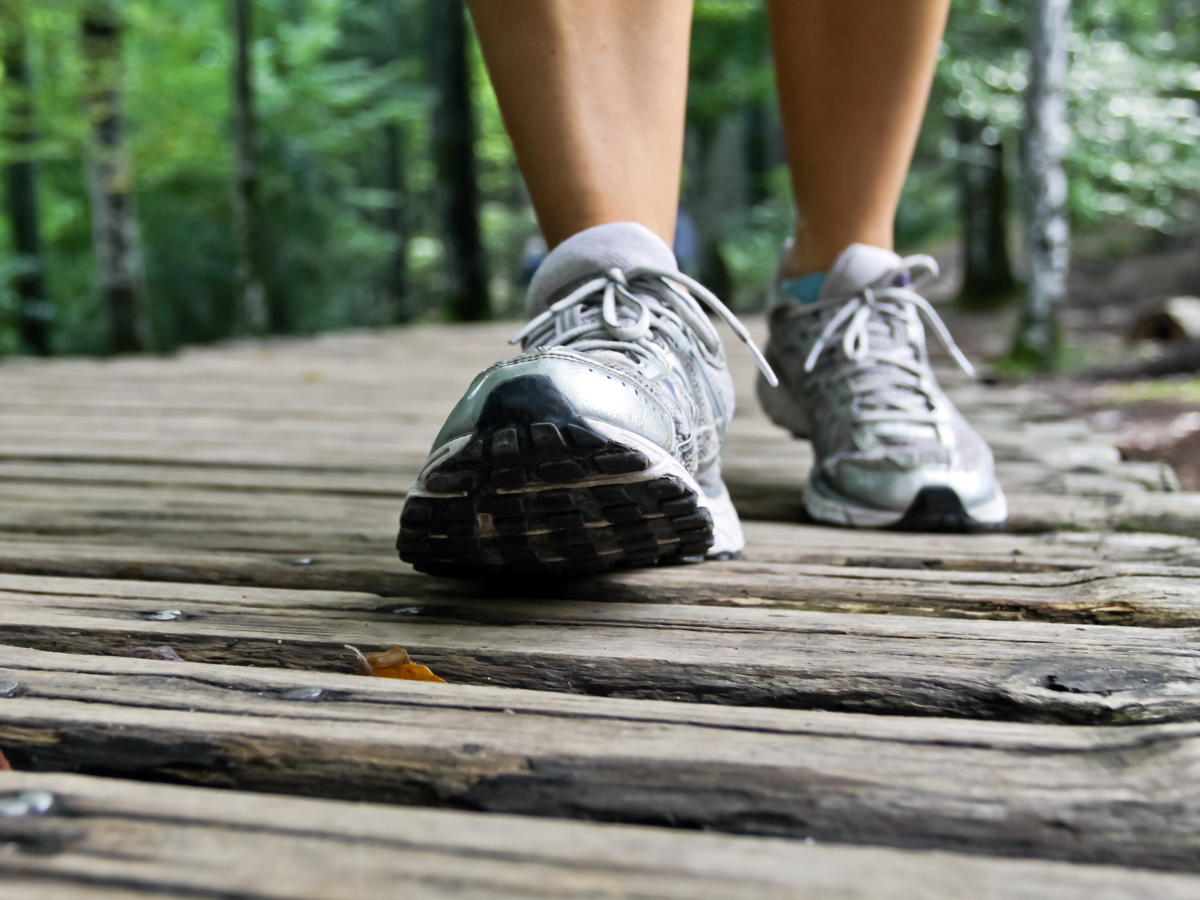
Does timing matter when it comes to walking?
According to Joanna Hall, sports scientist and founder of The WalkActive Method, walking can serve a different purpose depending on when you do it.
“Think of your walks as different tools for different needs,” Joanna explains. “The right walk at the right time can transform how you feel, think and even sleep.”
Whether you need an energy boost, a productivity reset or a way to switch off after a busy day, tailoring your walk to the time of day can help you maximise the benefits.
Morning walks: boost energy and set the tone for the day
For many people, a morning walk offers the ideal way to wake up both body and mind.
Exposure to natural daylight early in the day helps regulate your body clock, supports better sleep patterns and can improve alertness. It also provides an opportunity to shake off stiffness after sleep.
Joanna believes morning walks can help to ‘de-bed’ the body.
“Think of your morning walk as a way of framing your body for the day,” she says. “Just as you smooth out crumpled sheets, you ‘de-bed’ your body with a good walking technique — lengthening your posture, filling your space and using the WalkActive walk-out technique to engage your fascia. It’s a powerful way to set up both your body and your mind.”
View this post on Instagram
Samantha Cubbins, strength and conditioning coach and Lifting Club ambassador at Gymshark, adds that walking before breakfast may encourage the body to use stored energy more efficiently throughout the day.
“Seeing sunlight early in the morning is also beneficial for your alertness by increasing blood flow to your brain, while the light exposure helps regulate your sleep routine,” Samantha says.
Read more: ‘I’m walking straighter, feeling toned and smiling more — here’s what happened when I upped my step count to 20,000 a day’
Lunchtime walks: improve focus and break up long periods of sitting
If your day revolves around a desk, meetings or screen time, a lunchtime walk could be the most valuable movement break in your schedule.
Research consistently shows that prolonged sitting can negatively impact both physical and mental health. Taking a brisk walk in the middle of the day helps counteract these effects, boosts circulation and can improve concentration during the afternoon.
Joanna recommends focusing on rhythm and movement.
“At lunchtime, focus on rhythm and release. Use your arms, lengthen your stride naturally from the hips and let your shoulders relax away from your ears. You’ll return to your desk feeling like a different person.”
Samantha also highlights the benefits for blood sugar regulation and digestion.
“The biggest benefit of walking later in the day is that it helps us break up hours of sitting and assists in balancing our blood sugar levels and digestion,” she explains. “Scheduling your walk for after lunch stabilises your blood sugar, as this energy is being used up rather than spiking.”

Evening walks: reduce stress and prepare for sleep
A gentle walk after work can act as a transition between the demands of the day and the restfulness of the evening.
It’s a habit that appears to be growing in popularity. According to AllTrails, evening trail navigation in the UK increased by 51% in June 2025 compared with the previous year, while July saw an even larger increase of 66%, suggesting more people are using the lighter evenings to spend time outdoors after work.
As well as helping to clear your mind, evening walks may support healthy blood sugar levels after dinner and create a calming pre-bed routine.
Suzanne Bartlett Hackenmiller, chief medical advisor at AllTrails, says spending time outdoors after work can have a powerful effect on wellbeing. “We know that spending intentional time in nature has profound, measurable benefits for our physical and mental health, from lowering blood pressure and cortisol levels to boosting immune function,” she explains. “When we get on a trail after work, we actively shed the stress of the workday. The quality of evening light combined with outdoor movement helps reset our circadian rhythm and alleviate fatigue.”
Joanna recommends shifting the focus away from performance and towards relaxation.
“Use your evening walk as your decompression ritual,” she says. “Breathe a little deeper, soften your gaze and focus on smooth, flowing steps. It’s less about performance and more about letting the day go.”
For those who struggle to switch off after work, a short walk can provide a valuable mental reset and help signal to the body that it’s time to unwind.

So, when is the best time to walk?
Ultimately, the best time to walk is the time you can commit to consistently.
Morning walks can boost energy and mood, lunchtime strolls can improve focus and productivity, while evening walks may help reduce stress and support recovery. Regardless of timing, regular walking can help lower blood pressure, support weight management and reduce the risk of heart disease and type 2 diabetes.
How to maximise the benefits of walking
If you want to get more from your daily steps, experts recommend prioritising consistency over occasional long walks.
“Focus on consistent, high-quality daily walks rather than longer walks fewer times per week,” says Samantha.
To increase the challenge, consider incorporating hills, inclines or light resistance.
“If you’d like to build muscle through walking, adding inclines and wearing a light backpack or weighted vest can help strengthen and tone the lower body over time,” she explains.
Most importantly, choose a time that works for your schedule and stick with it.
“Exercising at a similar time each day can help regulate your hormones and moods, while creating habits that you’re less likely to break,” says Samantha.
According to Suzanne, you don’t need to spend hours outdoors to feel the benefits. “The benefits of nature aren’t reserved for long-weekend adventures; a simple 20-minute twilight walk is enough to reset your system.”
Feature image: Pexels