As we prepare for more potential heatwaves in the UK, experts reveal which food and drinks can help you stay cool and hydrated in hotter months.
If the last few weeks are anything to go by, we may be in for a scorching summer. And as the UN warns the recent heatwave could be just the beginning — thanks in part to climate patterns such as the Super El Niño — it’s about time to prepare accordingly.
But it’s not just shade and staying hydrated that matter when temperatures soar. Experts say what you eat and drink can also affect how hot, comfortable and energised you feel.
Here, we reveal what to eat — and what to avoid — during a heatwave.

Can what you eat affect how you feel in hot weather?
When it gets hot, our first thought is usually hydration. But according to Rob Hobson, a consultant at Healthspan, around 20% of the fluid we get in our diet comes from food, so making good meal choices is almost as important as staying hydrated.
“In high heat, your body is under extra stress trying to regulate temperature, so what and how you eat can genuinely affect how you feel, your energy levels and even digestion,” says Rob.
Of course, drinking enough water is still one of the best things you can do, but, if the goal is to stay comfortable and energised during the heat, it helps to focus on lighter meals.
“Heavy meals can leave you feeling sluggish and uncomfortable,” he says. “This is partly because digestion itself generates heat in the body and blood flow is diverted towards the digestive system after eating, which can feel more noticeable when temperatures are already high.”
Foods that are very rich, greasy or heavy can also sit in the stomach for longer and may feel harder to tolerate in the heat.

What are the best foods to eat in a heatwave?
If you’re prioritising foods that are lighter and easier to digest, you’ll want to focus on fruit and vegetables that naturally contain plenty of water.
“Watermelon, cucumber, berries, tomatoes and leafy greens are great options to reach for because they help with hydration while also providing vitamins and antioxidants to support the body under heat stress,” explains Aliza Marogy, a registered nutritional therapist and founder of the supplement brand Inessa.
Avoid excessively hot, rich and heavy meals, which can make you feel sluggish, uncomfortable and maybe even hotter.
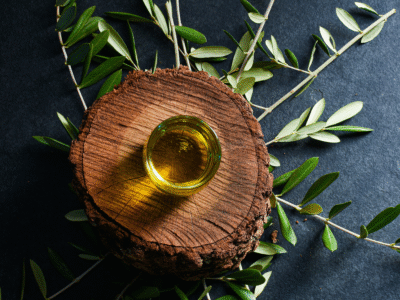
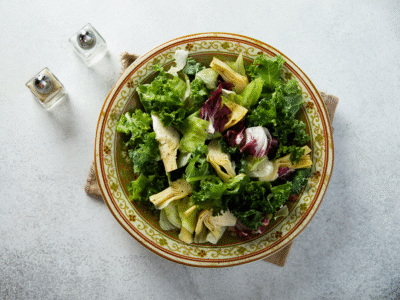
Lighter meals — such as salads accompanied by a source of protein, chilled soups or simple grain bowls — are often much easier to handle than heavier dishes in hot weather. Opt for a salad with olive oil and avocado, cold grains such as quinoa or rice, and lean proteins such as chicken, fish or eggs.
Read more: This little-known side effect of antidepressants may make the heatwave more challenging
What should we drink in hot weather?
Water should be your first priority, especially during hot weather, but there are other drinks that can support hydration.
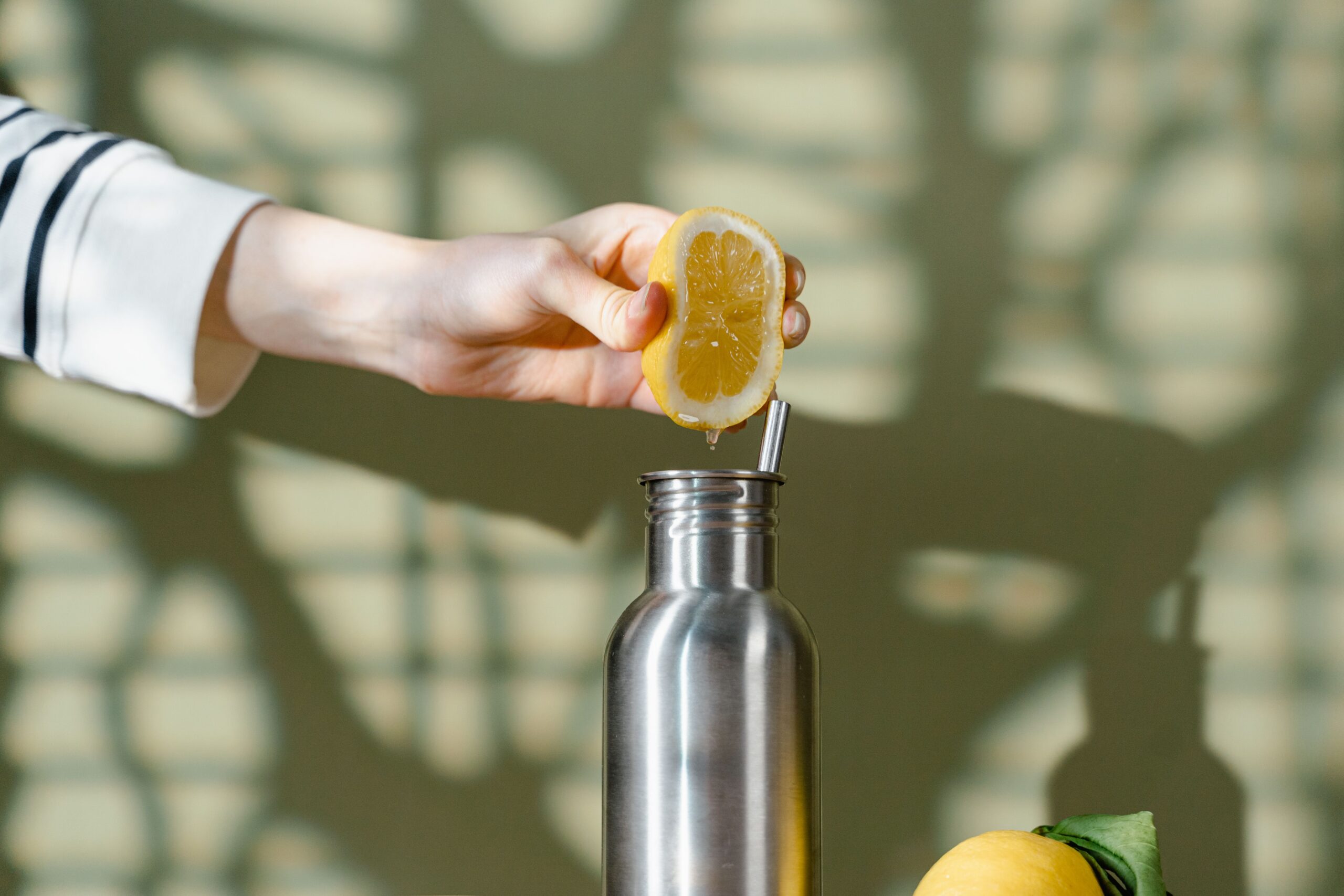
Aliza suggests making hydration (and water) enjoyable by adding a squeeze of lemon, fresh mint or even a small pinch of sea salt to help with fluid balance: “When we sweat, we lose both water and key minerals including sodium, which is why salt can help your body remain hydrated rather than just ‘washing through’ fluids.”
However, she adds that if you’re eating a balanced diet and not sweating significantly more than normal, you’ll likely be getting enough sodium from food and won’t need extra salt.
Be mindful of consuming too much alcohol or caffeine, says Aliza, as both can contribute to dehydration. Other refreshing options can include herbal teas served cold, and coconut water, as it naturally contains electrolytes.
Read more: Don’t sweat it: Botox emerges as a surprising fix for excessive sweating — but is it safe?
Which nutrients should we prioritise in hot weather?
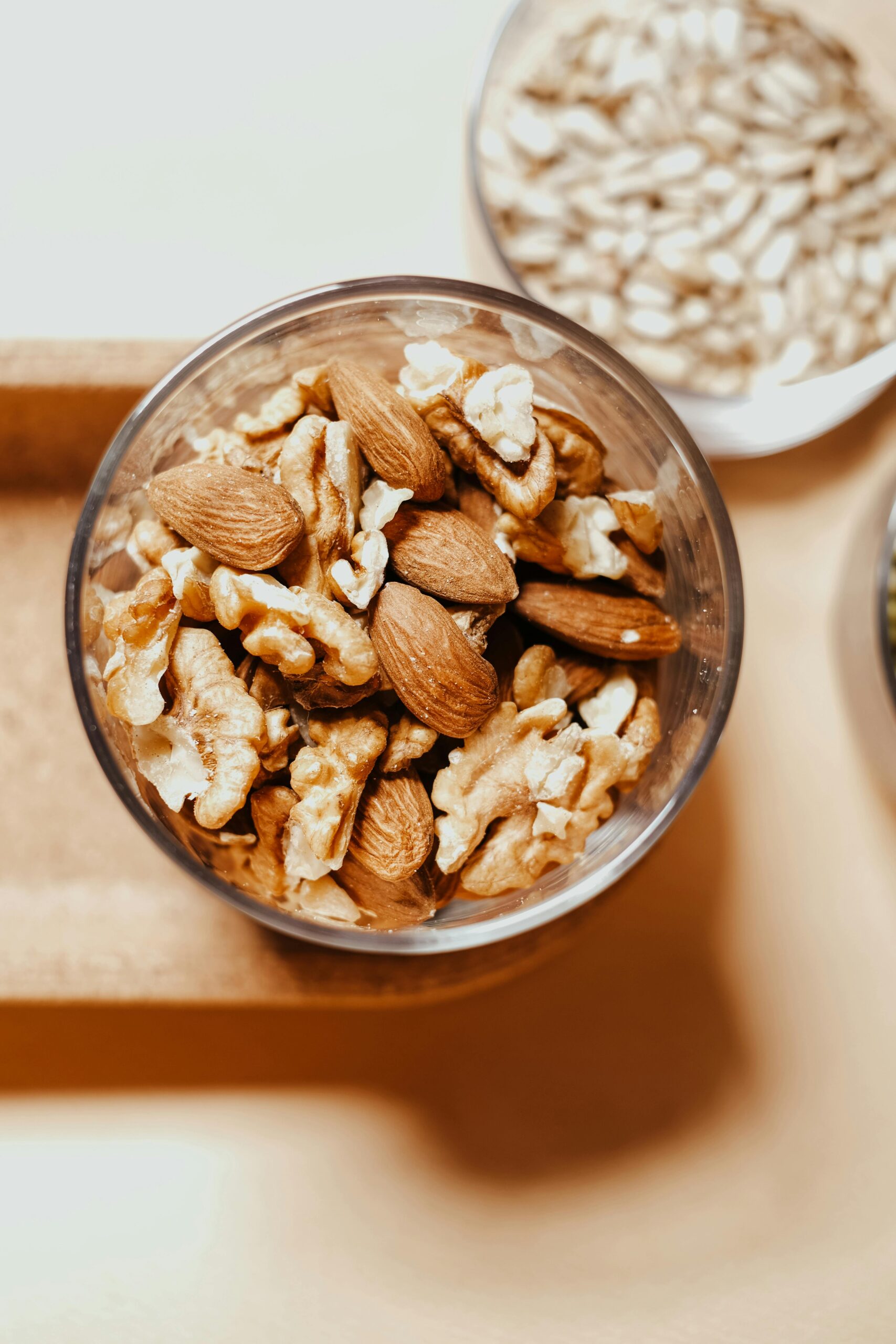
When we sweat, we can lose natural electrolytes such as sodium, potassium and magnesium. So, it could be helpful to focus on foods that contain these, such as leafy greens, avocados, nuts and seeds.
Antioxidants are also important, she says, because heat can increase oxidative stress — a process where unstable molecules, often triggered by factors such as sun exposure and heat, can place strain on our cells and can contribute to fatigue and inflammation over time.
Colourful fruits and vegetables including berries, tomatoes, peppers and herbs can help neutralise this.
Many of us also feel fatigued in the heat, so Aliza advises keeping meals balanced by including protein and healthy fats such as eggs, oily fish, olive oil, nuts and avocado. “These foods help support steady energy levels rather than relying on quick sugars, which can leave you feeling even more depleted.”
Rob also suggests limiting ice lollies, fizzy drinks and sugary cocktails. While these may feel refreshing initially, they can have the exact opposite effect:
“Drinks with high amounts of sugar can slow how quickly fluid is absorbed by the body compared to plain water or lower-sugar drinks, which may leave some people still feeling excessively thirsty afterwards during very hot weather.”
Read more: Should we be drinking hot water? L360 weighs in on the latest TikTok trend

Do we need supplements or electrolytes in hot weather?
It really depends on the individual. Women’s health, fitness and menopause coach Meera Bhogal says some electrolytes can be useful.
For example, sodium, potassium and magnesium can help support hydration, muscle function and energy. “This can be especially beneficial for people who sweat heavily, exercise frequently or spend long periods outdoors.”
In this case, Meera recommends choosing products with key minerals like sodium and potassium rather than high-sugar sports drinks.
However, they’re not essential for everyone. If you’re eating a balanced diet and drinking enough water, you probably won’t need anything beyond that.
If anything, says Rob, add a few more slightly salty foods to your diet: “Foods such as soups, olives or lightly salted meals may help replace some of those losses.”
Feature image: Pexels