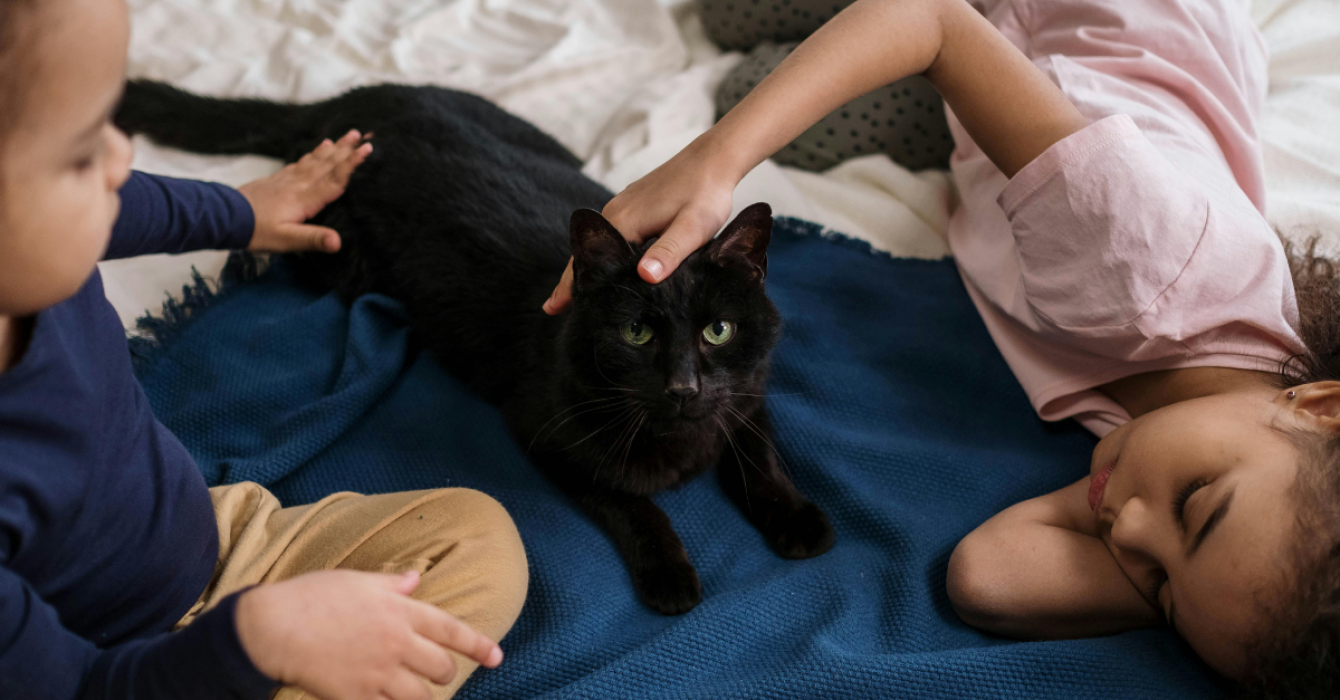
As childhood anxiety rises, new research reveals how the family pet has evolved into a vital emotional anchor for a generation under pressure.
According to the RSPCA, nearly 90% of UK children identify as animal lovers, finding a unique sense of security in their furry companions. It usually begins with a hopeful pause outside a pet shop window, or a passionate presentation on why a puppy is a vital life necessity. While most know that the promises of early-morning walks often evaporate the moment it starts raining, the benefits of saying “yes” might go deeper than we realise. In the age of digital saturation and school-gate pressure, pets are quietly stepping up as the ultimate low-tech therapists for a generation under pressure.
Read more: Joe Wicks on how to keep the family happy and energised

Confidence through care
The magic of the bond between pet and owner lies in its simplicity. In the performative world of social media or exams, a pet offers a rare, judgement-free zone. A cat doesn’t care about a low-test score, and a dog is never too busy to listen.
Dr Elena Tourini, a consultant psychologist and co-founder of The Chelsea Psychology Clinic says, “having a pet can be genuinely helpful for children’s mental health. The reason is quite straightforward. Pets offer a kind of emotional steadiness that children often find hard to get anywhere else. A pet doesn’t judge, criticise or demand much except basic care, which can feel reassuring when a child is feeling anxious or overwhelmed.” This steady presence helps a child feel understood, even when they can’t quite find the words to express or explain their feelings.
Beyond the comfort of a cuddle, pets can provide children with a tangible sense of agency. Dr Emily Crosby, a child and educational psychologist, notes: “Animals offer a safe, comforting space for children where there are no demands placed on them to speak or carry out demands that may be expected of them for humans.” She explains that the responsibility of care can make children feel good about themselves, supporting their self-esteem without placing too much pressure on them. This is mirrored by Dr Elena, who observes that “feeding, walking or grooming a pet gives a child small, manageable tasks that build confidence and a sense of competence.”
Read more: The best snacks for children, according to an expert
A bond, not a burden
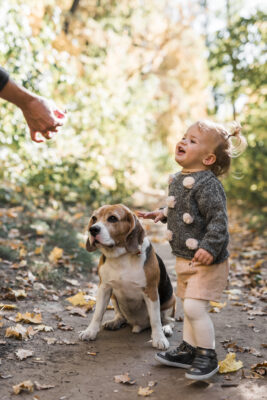
This daily ritual of care builds a vital safety net at home. Research published in the World Journal of Pediatrics in 2025 suggests having animals in the home during formative years can protect children against social withdrawal and quiet anxieties as they grow. However, there is no doubt that the relationship of support must be a mutual one, and families should ensure that they are ready for the responsibility of a pet. As Dr Sam Gaines, the head of companion animals at the RSPA, explains, “bringing any pet into the family is a long-term commitment. Taking time to choose the right pet for your circumstances, understanding their needs, making sure you can meet them, and seeking appropriate advice before deciding can ensure a positive and safe experience for both your family and your pet.
Dr Sam adds that while pets can be an important emotional crutch for children, it’s important to appropriately supervise children and pets. “Pets can feel frightened and worried too, so understanding their body language and behaviour and knowing when to leave them alone is vital, as well as ensuring they have their own space to retreat to.”
When these boundaries are respected, the result is unique resilience. In a complex, ever-evolving world with countless demands, this bond might just the best investment a family can make.
Feature image: Pexels