The popularity of reformer Pilates continues to increase, but is the industry outgrowing itself? With the risks laid bare, Living360 looks at how we can stay safe.
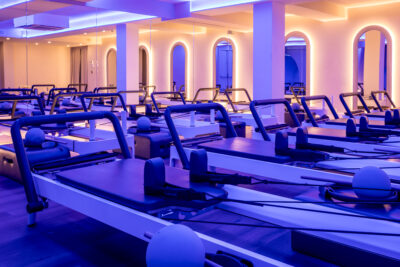
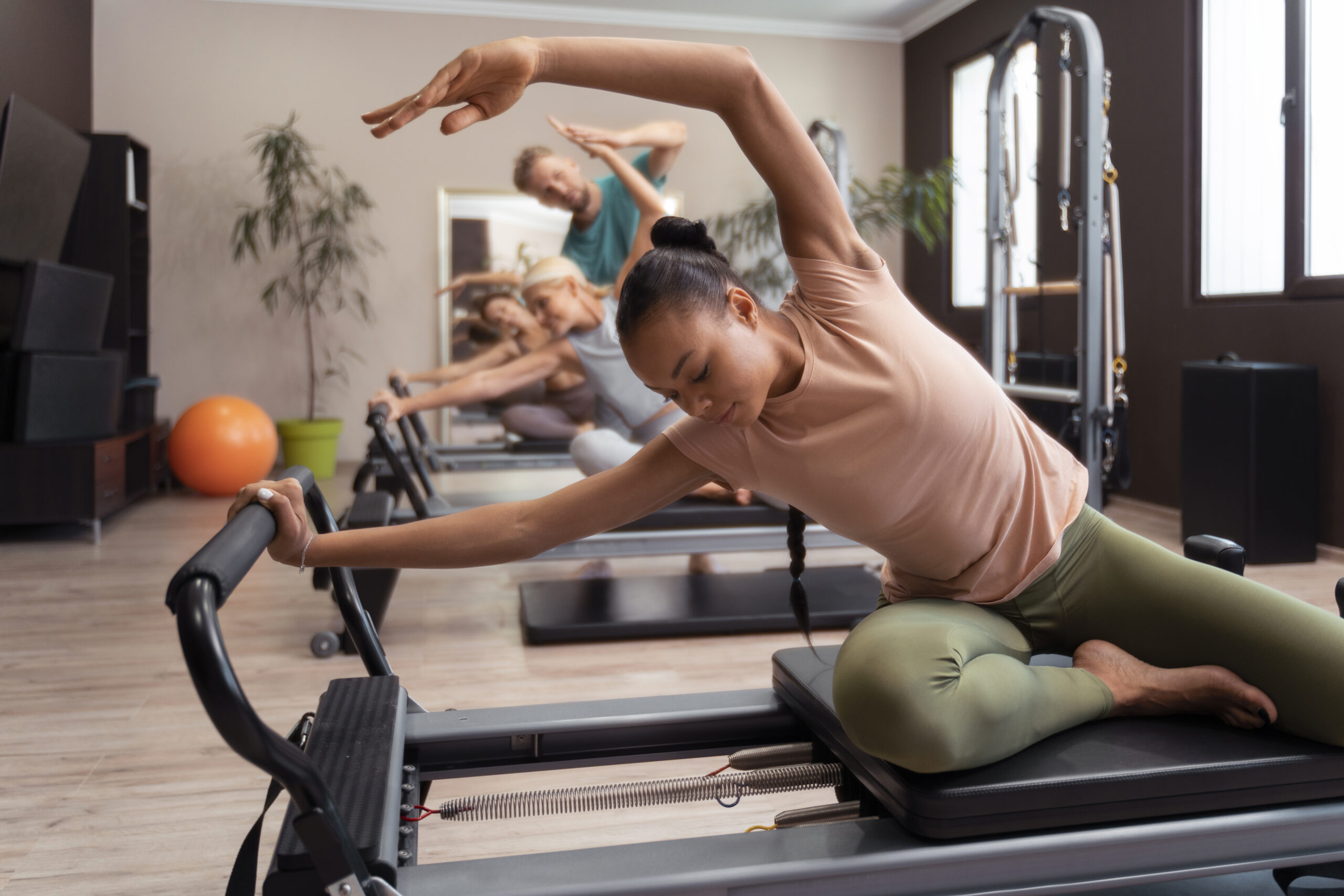
Walking into a low-lit reformer Pilates studio with its machines fitted with long lines and mysterious straps can be an intimidating yet exhilarating sight. One look at the chirpy instructor at the front of the class is usually enough to reassure — but what if you’re not in as safe hands as you’ve been led to believe?
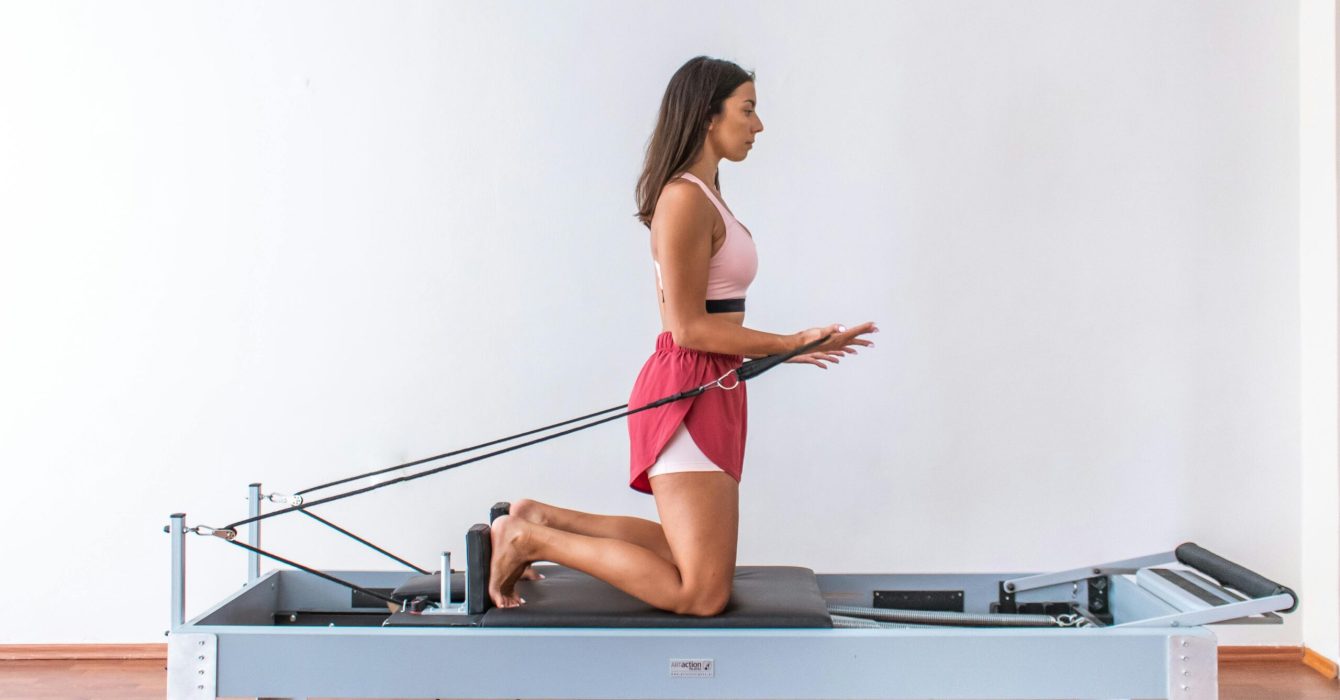
Born over 100 years ago, Pilates focuses on core strength, flexibility, posture and mind-body connection. Reformer Pilates takes this a few steps further, with adjustable resistance levels that allow for more movement and strength building.
It’s no secret that social media has taken the fitness trend to new heights, but recent research suggests that 75% of Pilates teachers believe the reformer boom has led to a significant drop in the standard of teaching.
Google searches are up 125% over the past two years and the number of new instructors in the UK has risen 287% since 2020. But for many instructors, this growth is cause for concern.
Why are under-qualified Pilates instructors on the rise?
To personal trainer and Pilates instructor Aimee Long, the answer lies partly in the facade of social media. “Reformer Pilates photographs so well,” she says. “The aesthetic appeal introduces people to the method, they love it, and then more people see it and want to try.”
Though the discipline is precise and scientific, it’s marketed as an aesthetic or lifestyle trend — one that studios can hardly keep up with in real life. “The industry has expanded very quickly, and naturally brands and studios are trying to meet demand by opening more locations, adding more classes and then having to train more instructors.”
The consequences of the ‘Pilates girl’ trend
Expert trainer Stacey Snedden says the growth is creating real risks for class attendees: “When demand outpaces the supply of well-trained instructors, corners get cut.”
In an industry currently valued at $8.26 billion (£6 million) globally, and expected to reach $16.81 billion (£12.3 million) by 2035, underqualified teachers and overstretched studios may be compromising on safety to capitalise on popularity.
Stacey has observed that to meet growing demand, instructor qualification courses are becoming shorter and less detailed. As of right now, there are no industry-wide minimum training requirements — qualifications depend solely on the specific course or studio.
And as Stacey points out, “In a discipline built on precision and controlled movement, the lack of detail has consequences.”
Reformer Pilates is highly technical. Aimee explains: “You’re working with moving equipment, resistance, and clients with varying needs and injuries. It requires a real understanding of biomechanics, anatomy and coaching — things that can’t be fast-tracked in a quick certification course.”
Without proper knowledge and training, serious incidents and unsafe studio practices are on the rise, prompting the calls for regulation we’re seeing from instructors and industry professionals.
Read more: Is dynamic Pilates the best form of Pilates? Here’s everything you need to know
Read more: ‘I tried wall Pilates for a month – the results left me astounded’
How to know if your instructor and studio are safe
While demand continues to put pressure on studios and teaching bodies, we can hopefully expect better regulation and more trustworthy instructor and studio relationships.
Until then, here are Stacey’s tips for spotting qualified instructors and reputable studios.
- There’s a pre-class health screening: Instructors should always ask about injuries, pregnancy and medications before a session — these things can change how someone moves (or reacts to movement) and should therefore guide the teaching.
- The instructor can read the room: Good, experienced instructors notice when participants are struggling and adapt accordingly. If you have to flag them down for help, they’re not tuned in to class needs.
- The whole team is experienced: While instructors may not need years and years of reformer experience specifically, a good grounding in general fitness and anatomy is essential. Studios with a mix of new and experienced instructors suggest a proper attention to client care rather than new trainers hopping on trends.
- Classes are adaptable: Even level-specific classes should offer modifications for different bodies, abilities and confidence levels.
- You have your own bed: Every participant should have their own Reformer machine. Sharing is a safety risk — not just a comfort issue — and a major red flag for overselling.
- The class size stays small: No reformer class should be larger than 10-12 people per instructor. Otherwise, attention can’t be guaranteed and safety is a risk.
- The studio and equipment are well maintained: Clean, hygienic studios reflect a commitment to safety. Poor maintenance indicates a lack of proper care for the clientele across the board.
- They prioritise education over hype: While you’d be hard pressed to find a studio with absolutely no social media presence, it’s worth considering those that don’t follow the aesthetic so religiously, and instead, emphasise coaching over social media trends or aesthetics.
- Instructors continue education regularly: The best instructors continually update their knowledge and skillset through ongoing training.
Feature image: Pexels