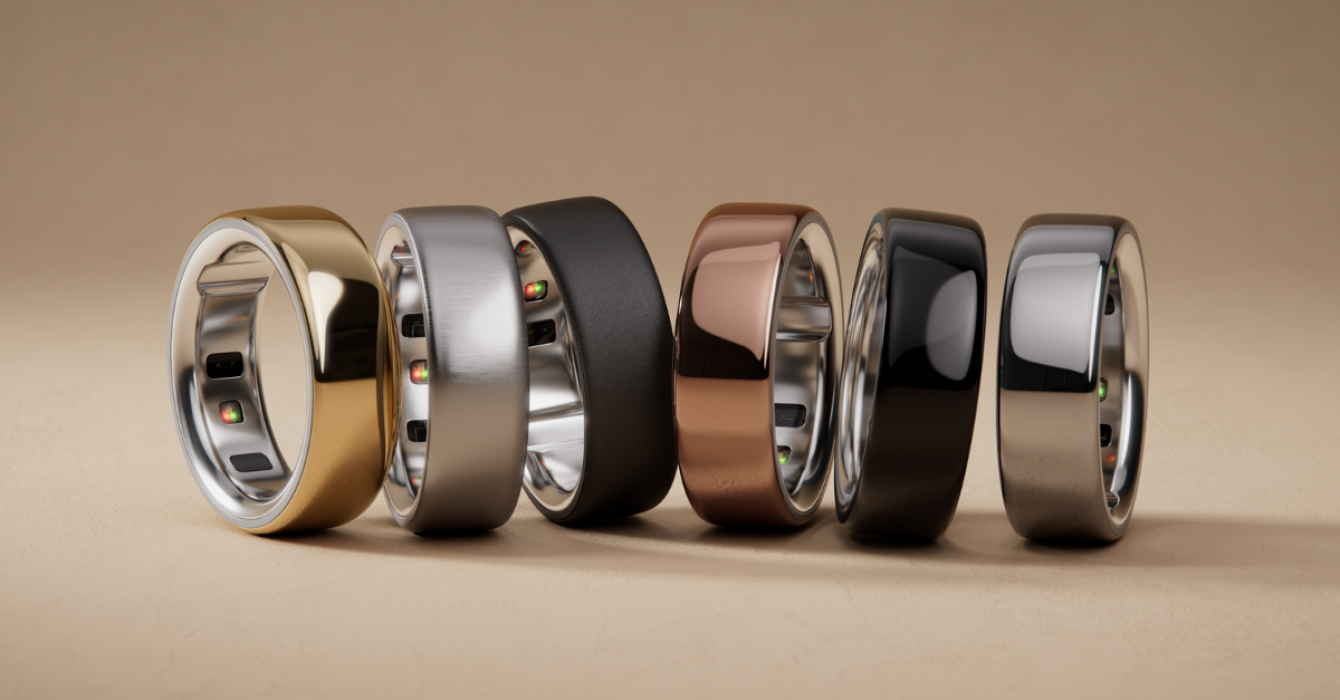
The Oura Ring 4 may be the most recognisable smart ring on the market, but it’s far from the only option worth wearing. As more brands enter the space, there are now several stylish alternatives offering impressive sleep tracking, recovery insights and wellness features — often for less money.
Smart rings are quickly becoming one of the biggest trends in wearable health tech, offering a discreet way to track sleep, recovery, heart rate and activity without the distraction of a smartwatch screen.
Leading the category is the Oura Ring 4, loved for its sleek design and detailed wellness insights — but it’s also one of the most expensive options available. Prices start at £349 and rise to £499 depending on the finish, while many advanced features sit behind a £5.99 monthly subscription.
Thankfully, several rivals now offer comparable sleep and recovery tracking without the ongoing fees and, in some cases, with even better battery life.
From fitness-focused wearables to affordable everyday trackers, these are the best Oura Ring dupes worth considering.
Read more: The Oura ring with Natural Cycles vs the Mira fertility device
RingConn — best overall
If you want the closest thing to an Oura Ring experience without the subscription, the RingConn Gen 2 is arguably the smartest buy right now.
L360 previously tested the RingConn Gen 2 and was particularly impressed by how lightweight and comfortable it feels for 24/7 wear, alongside its genuinely excellent battery life. At £299 upfront with no recurring fees, it delivers impressive sleep and wellness tracking in a slim, minimalist design.
It covers all the essentials, too: detailed sleep analysis, 24/7 heart-rate monitoring, blood oxygen tracking and skin temperature monitoring.
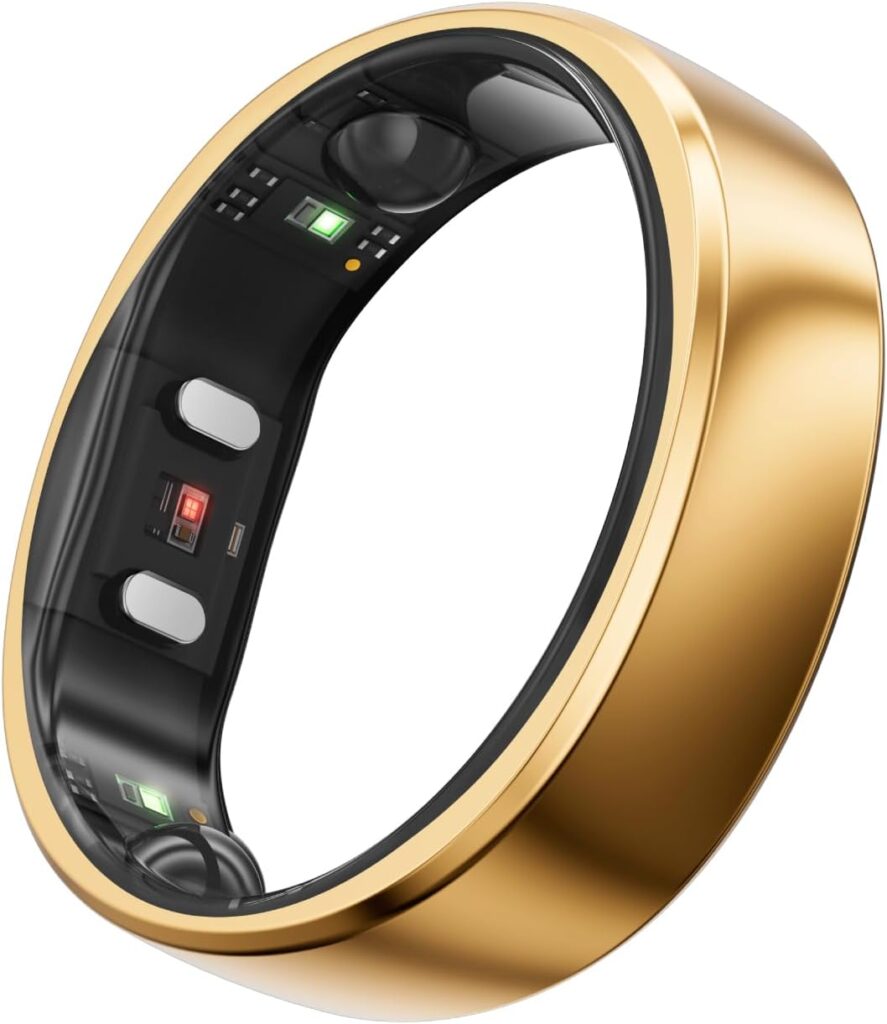
But the standout feature is the charging case. Unlike most rivals, RingConn’s case stores over 15 full recharges, effectively doubling as a portable power bank for your ring. If you travel often or hate charging gadgets every few days, it’s a huge advantage.
There’s also AI-powered sleep apnoea detection — a feature still relatively rare in smart rings at this price point.
The app isn’t quite as polished or intuitive as Oura’s, but for sheer value, battery life and subscription-free ownership, RingConn Gen 2 is hard to beat.
Read more: “I’m running my first marathon — why are there no training plans with menstrual cycle syncing?”
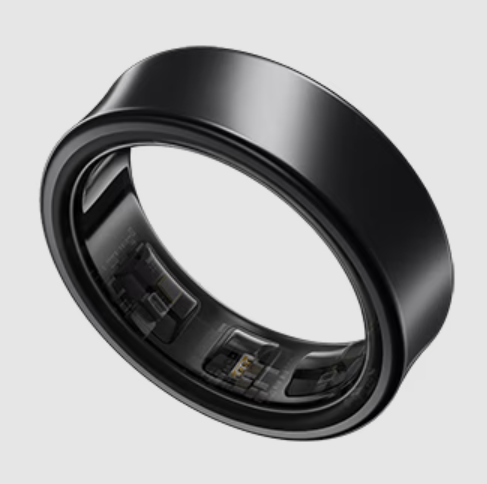
Samsung Galaxy Ring — best for Samsung users
Samsung’s first smart ring is a strong Oura competitor — especially if you already live inside the Samsung ecosystem.
The Samsung Galaxy Ring is lightweight, durable and comfortable enough to forget you’re wearing it, with a slightly concave design that helps prevent scratches. Sleep tracking is excellent, with recovery insights and heart-rate data comparing surprisingly well to higher-end wearables like Whoop.
A standout feature is Samsung’s AI-powered Energy Score, which gives you a quick snapshot of readiness and recovery each day. It works best when paired with a Samsung Galaxy phone.
Battery life is also excellent, lasting up to seven days depending on ring size, and the charging case comes included.
Most importantly, there’s no monthly subscription fee, so it’s a good long-term choice.
Read more: Apple Watch Series 9 vs Garmin Vivoactive 6 — which smartwatch deserves a place on your wrist?
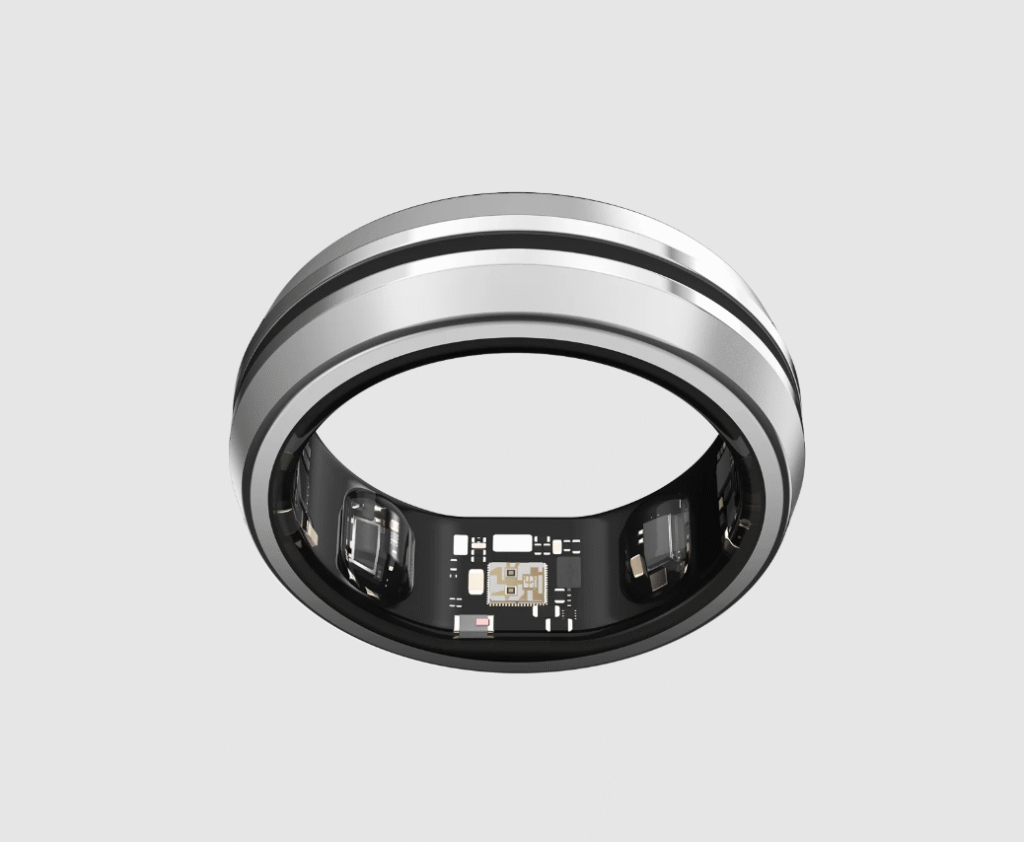
Renpho Lynx Smart Ring — best affordable all-rounder
The Renpho Lynx Smart Ring proves you don’t need to spend close to £400 to get reliable health tracking.
At £219.99, it’s one of the more affordable subscription-free smart rings available, and while it doesn’t offer the same deep insights as Oura or Ultrahuman, it handles the basics well.
You’ll get sleep tracking, heart-rate monitoring, stress tracking, blood oxygen readings and activity data, all presented clearly in the companion app. It’s straightforward rather than advanced, but for many users, that simplicity is a plus.
Battery life is another win. The ring lasts around seven days on a single charge, while the charging case extends that to roughly 12 days when travelling.
The only downside is the design. It’s slightly bulkier and heavier than pricier rivals, so you notice it on your finger more often.
Ultrahuman Ring Air — best for fitness and recovery
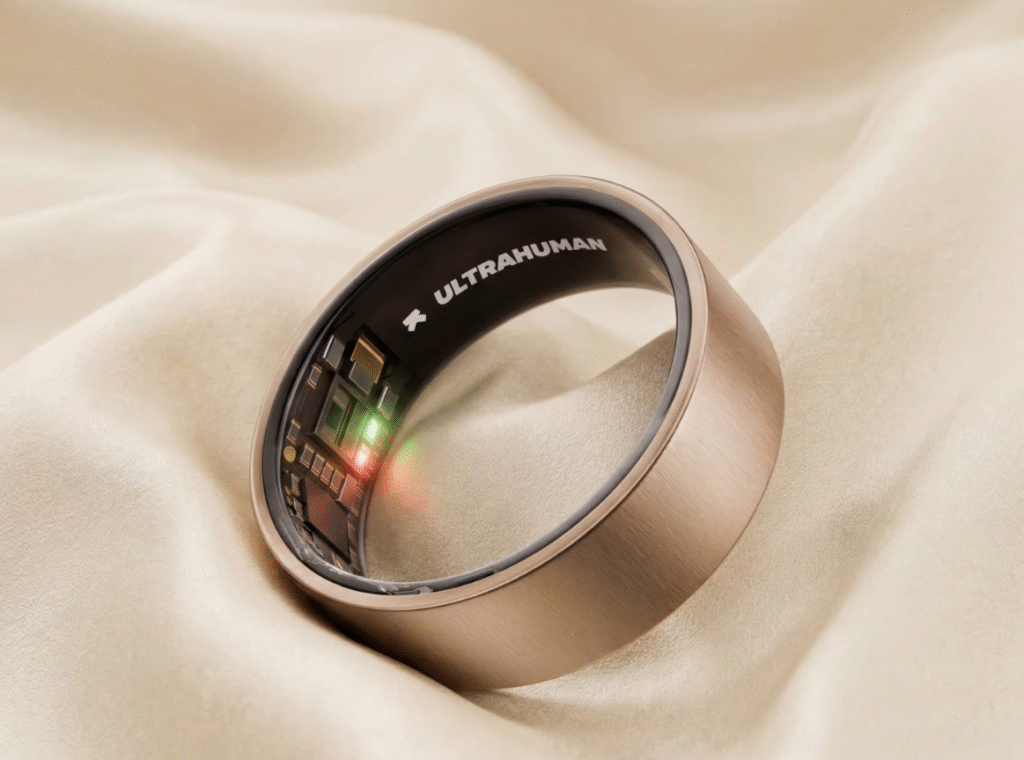
For serious fitness enthusiasts, the Ultrahuman Ring Air remains one of the most compelling smart rings on the market.
At £329 it’s not exactly cheap, but unlike Oura, there’s no subscription fee attached — making it more affordable over time.
Where Ultrahuman really stands out is its recovery and performance-focused approach. The app dives deep into movement, recovery and circadian rhythms, while unique features like the Adenosine Clearance Window help you time caffeine intake to improve sleep quality.
Its modular PowerPlugs system also allows you to customise the experience with optional extras like AFib detection and jet lag guidance.
The app and overall platform feel more modern and polished than most competitors, and sleep and recovery tracking accuracy compares impressively well against Oura.
Amazfit — cheapest Oura alternative
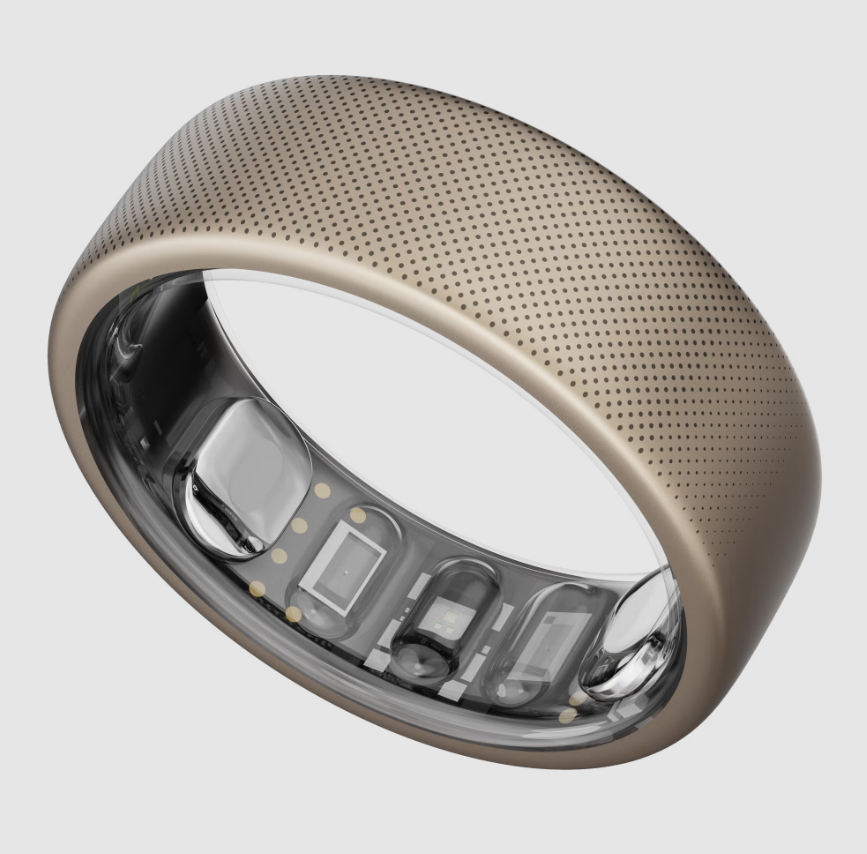
If price is your biggest priority, the Amazfit Helio Ring is one of the cheapest credible smart rings you can buy right now.
Retailing at £149.99, it undercuts most rivals significantly — and unlike Oura, all features are now free. Amazfit originally planned to lock deeper insights behind subscriptions, but later made them available to all users.
The Helio Ring is lightweight and comfortable, with up to four days of battery life. The companion Zepp app works on both iPhone and Android, highlighting sleep, heart rate and basic activity data in a clean, user-friendly layout.
It’s less advanced than some pricier competitors and workout tracking is limited — you’ll need to manually start sessions in the app, with only a handful of supported exercise modes available. But if you’re curious about smart rings and not ready to spend upwards of £300, this is an accessible starting point.
Feature image: Oura Ring