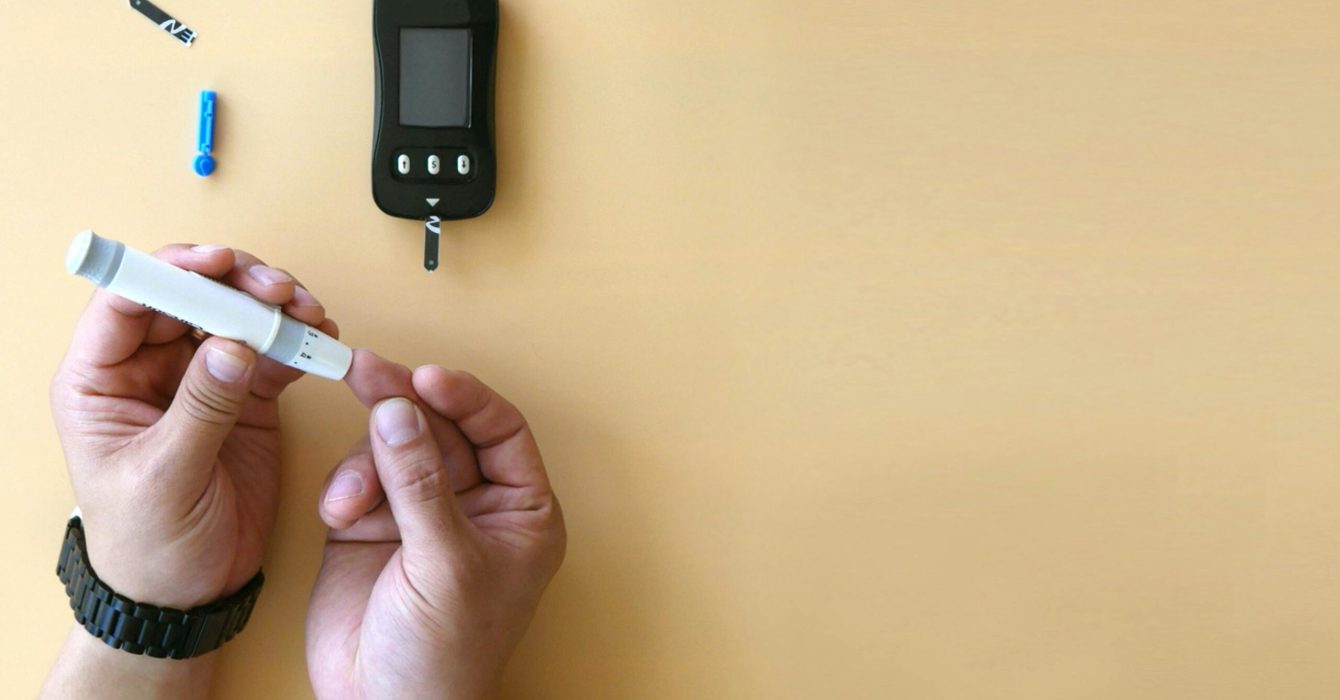
For World Diabetes Day, we spoke to nutritionists and clinicians to find out early symptoms, as well as how those with pre-diabetes can manage their insulin resistance.
Diabetes UK estimates that more than 5.8 million people in the UK are living with diabetes and approximately 1.3 million could be living with undiagnosed diabetes.
While the figures are shocking, pre-diabetes can be caught early and reversed with the right lifestyle changes.
For those interested in reversing their insulin resistance, or have been diagnosed with pre-diabetes, we delved into the condition to find out what to eat, drink and avoid to help remedy pre-diabetes.
Read more: Doing this for 10 minutes after eating could transform your health
What are the types of diabetes?
Dr Tina Ghela, a digital clinician at Medichecks explains there are four types of diabetes; type 1, type 2, pre-diabetes and gestational diabetes. The latter happens during pregnancy, when the placenta produces insulin-blocking hormones. This doesn’t happen in every pregnancy, but affects one in 20 pregnancies in the UK, according to Diabetes UK. Women of South Asian, Black, African Caribbean or Middle Eastern backgrounds are also at a higher risk of developing gestational diabetes.
“[Type 1] is where the immune system destroys the cells that produce insulin, leaving higher levels of glucose in the body. [For type 2] the body doesn’t produce enough insulin or may react adversely to the insulin that’s already been created,” explains Dr Tina.
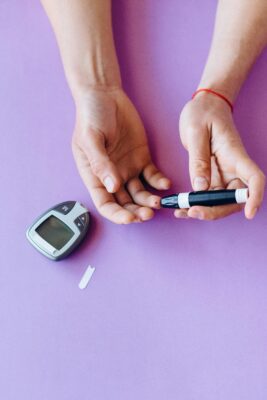
Pre-diabetes – otherwise known as borderline diabetes – is when blood sugar levels are higher than usual but not high enough to be diagnosed with diabetes. Those who suspect they might be pre-diabetic can request a test from their GP or obtain test kits from services like Medichecks.
Read more: The best exercise for fat loss
Early signs of diabetes in women
“For many women, the early signs of insulin resistance and blood sugar imbalance can appear long before a formal diagnosis,” says Alice Yeates, a nutritionist focused on people with diabetes and low energy. Particularly in midlife, she says falling oestrogen levels naturally makes us more “insulin resistant”, causing the body to work harder to keep blood sugar levels stable.
Some of the symptoms of this imbalance are “fatigue, constant hunger or sugar cravings, weight gain around the middle, low mood, poor sleep, and that sense of running on empty,” Alice adds.
How to reduce risk of type 2 diabetes
Type 2 diabetes can be reversed through commitment to lifestyle changes. In fact, research shows that in some cases lifestyle changes can reduce the risk of type 2 diabetes by 50%. One such is maintaining a healthy BMI by adopting a healthy diet, exercising regularly, reducing refined sugars and quitting smoking.
Read more: How to achieve a healthy diet on a budget
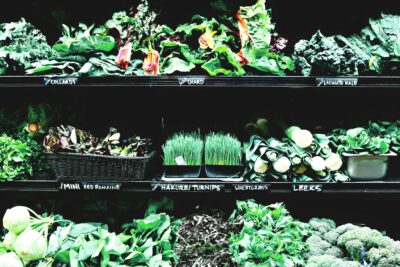
Which foods are best for pre-diabetes?
Generally eating more plants and cutting down consumption of meat, dairy products and unsaturated fats will help to reduce your risk.
According to Dr Tina, adopting a low GI (glycemic index) diet can help to better optimise your health. Low GI foods are converted into energy more slowly, which can help to control glucose levels. Low GI foods include green vegetables, raw carrots, kidney beans and chickpeas. “This isn’t about perfection or punishment – it’s about awareness and healthier habits,” Alice says.
But it’s not only about what you eat. The experts also suggest that how you eat, can also make a big difference.
“Eating your vegetables first can help to slow down the release of sugar into the blood stream by lining the stomach and gut with fibre,” explains Alice.
As well as fibre, protein can help to slow digestion and keep you fuller for longer periods, mitigating the need for snacking. This is important as we need to allow our bodies time to for insulin to drop naturally between meals.
Feature image: Pexels