As private full-body MRI scans and other preventative health screenings surge in popularity, the promise of early detection is colliding with questions about cost, evidence and anxiety.
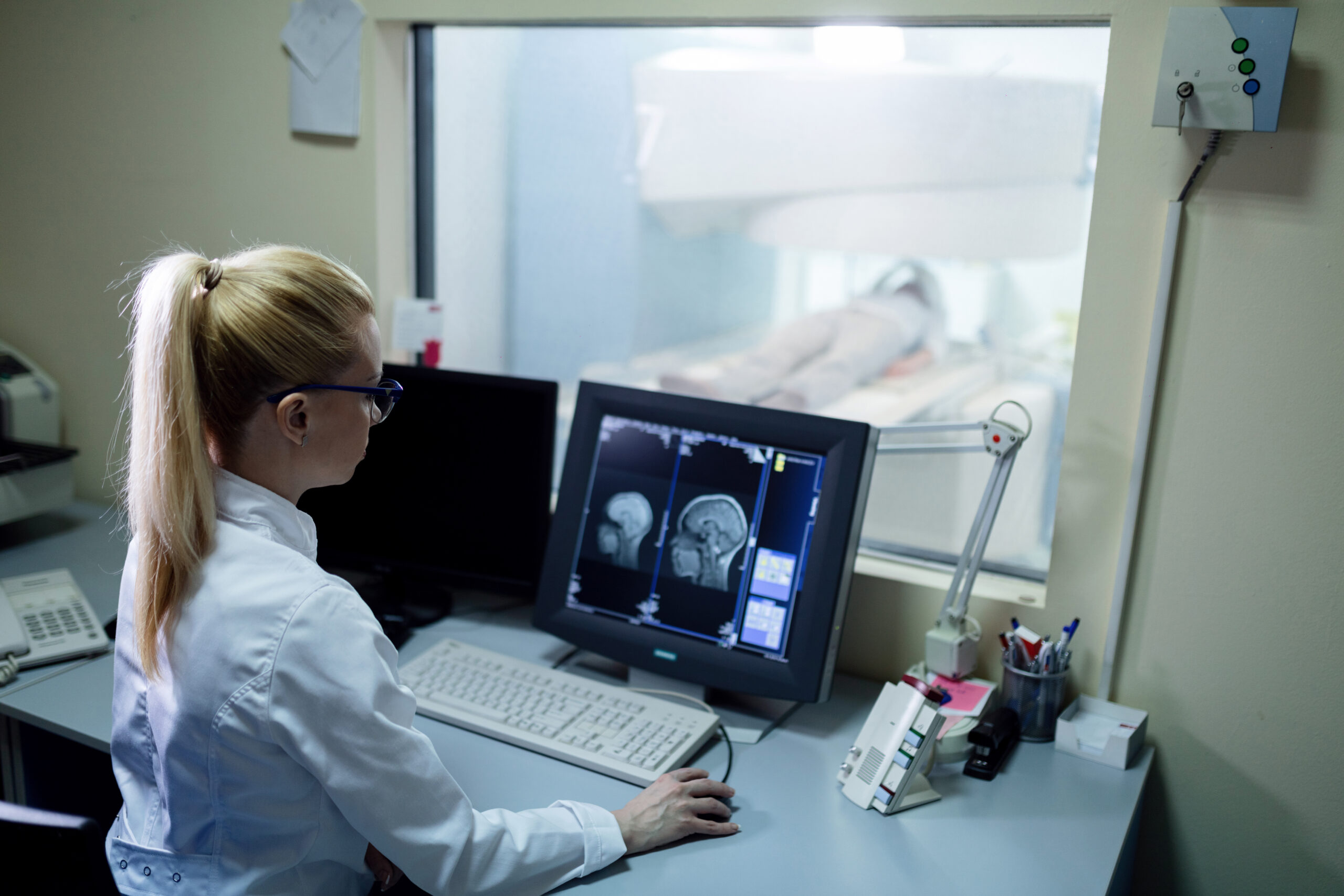
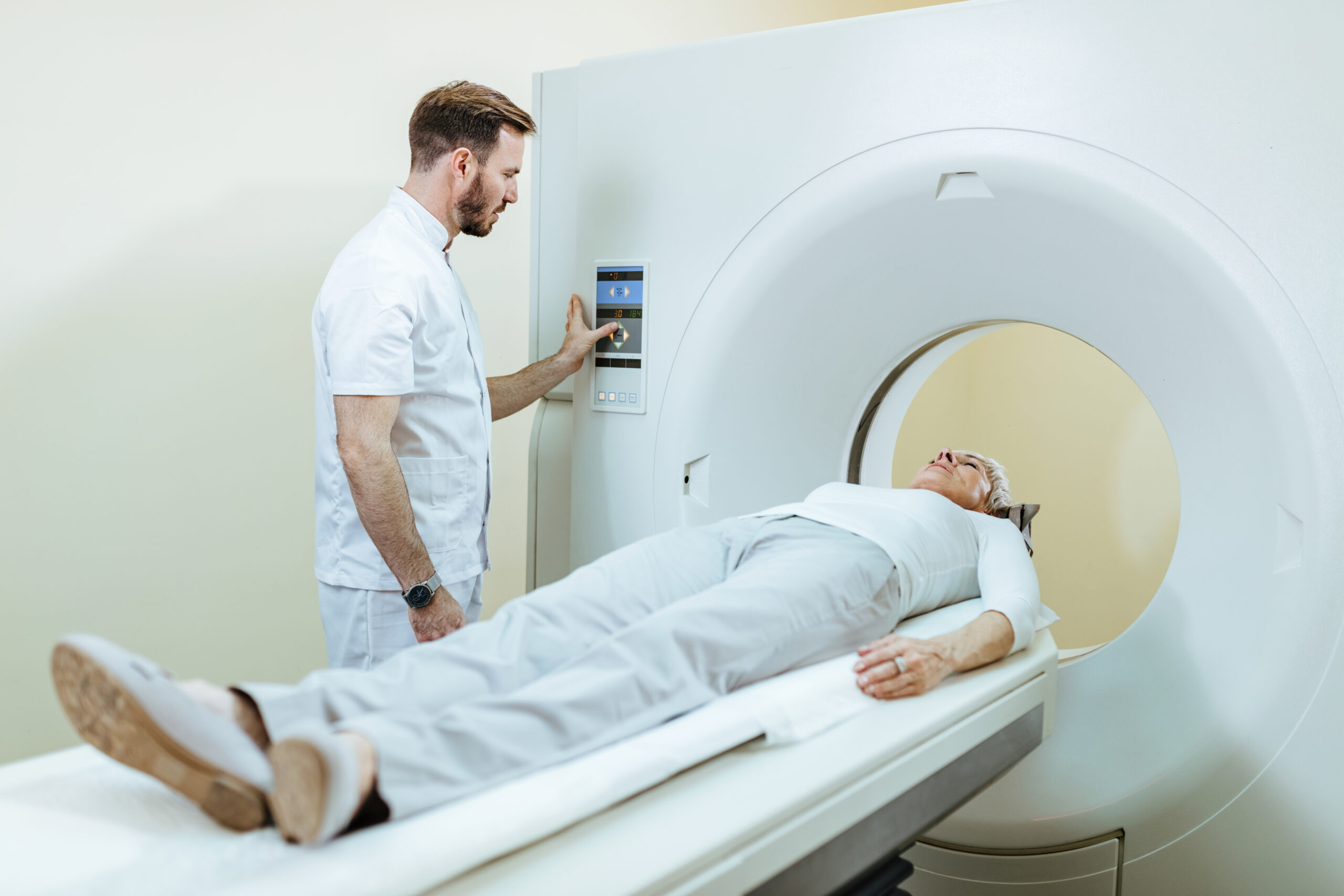
Inside the MRI machine, the body lies still, the machine hums and, somewhere between the metallic clanking and magnetic pulses, imagination fills the silence. It’s a space suspended between dread and reassurance — the modern chapel of preventative medicine.
Preventative health screening (testing undertaken before symptoms appear) is rising sharply in the UK, with the UK private health diagnostic market now valued at approximately £1.4bn.
Once largely confined to NHS national screening programmes, it now includes private full-body MRI scans, extensive blood panels, cardiovascular health checks and genetic testing.
Celebrities including Gillian Anderson, Sienna Miller, Holly Willoughby, Frankie Bridge and Millie Mackintosh have publicly shared their experiences of undergoing preventative scans with Ezra, part of Function Health, the multi-organ MRI service that’s recently launched in the UK.
Their decisions to have scans weren’t prompted by illness, but by vigilance — an increasingly popular desire to detect disease as early as possible.
Read more: As Molly-Mae reveals her pregnancy at six-months, should you wait to announce?
Does early cancer detection through private MRI scans save lives?
The NHS already offers evidence-backed screening programmes: abdominal aortic aneurysm screening for men over 65, bowel cancer screening for adults aged 54 to 74, breast screening for women over 50 and cervical screening for women aged 25 to 64.
These programmes are supported by years of data demonstrating how early detection in specific sections of the population improves survival rates.
However, there are no routine preventative scans for organs such as the brain or pancreas in asymptomatic people. “The nation gets looked after incredibly well by the NHS — people are given countless tests and scans to help with diagnosis — but this is only after they’ve been referred by their GP,” Dr Dan Brook, medical director at Function Health, says. “Private screening can provide another layer of protection and reassurance.”
He points to broad survival data suggesting that five-year survival after a stage two cancer diagnosis can be around 80%, while at stage four, it may fall below 20% — a stark contrast that, he argues, demonstrates how “early detection genuinely changes outcomes”.

Read more: There’s a ‘bowel cancer tsunami’ among young people — here’s what you need to know
Who should consider private preventative health screening?
Preventative screening isn’t appropriate — or necessary — for everyone.
“If you have a family history of certain diseases, such as cancer, it’s very much worth getting checked,” says Dr Brook. “People in their fifties and sixties are also at higher risk from various illnesses.
“However, I’d honestly recommend it to anyone who can afford it; the more data we have on you specifically, and the population as a whole, the better.”
Dr Hana Patel, a GP at Superdrug Online Doctor, emphasises proportionality. “Preventative healthcare can be incredibly valuable when it’s intentional,” she says. “We know that certain screening programmes save lives — cervical screening, bowel cancer screening, breast screening and blood pressure checks are all backed by strong clinical evidence.”
Beyond the national programmes, she advises testing where risk factors exist:
- Family history of heart disease or certain cancers
- High blood pressure
- Obesity
- Smoking
- Belonging to a higher-risk age or ethnic group
- Persistent but subtle symptoms
“Testing should answer a specific question,” she says. “It shouldn’t be done for reassurance alone.”
Read more: The unusual signs of breast cancer to look out for that aren’t lumps
How much does a full-body MRI scan cost in the UK?
A full-body MRI scan with Function Health currently starts at £1,495 in the UK.
The price has attracted criticism, particularly during the cost-of-living crisis. Dr Brook acknowledges the financial reality. “Yes, it’s an investment. There’s no doubt that £1,500 for a scan is a lot of money — it could pay for a nice holiday,” he says. “It comes down to personal risk assessment and priorities. I’ve seen plenty of patients that aren’t wealthy, but they still choose to prioritise their health.”
He predicts that prices may fall below £1,000 in the coming years, though comprehensive private imaging remains, for now, a significant expense.
For many, the question isn’t simply whether the scan works, but whether peace of mind should carry such a price tag.
Read more: Everything you need to know about the new blood smear tests
What are the risks of over-testing and false positives?
While preventative screening can be empowering, it can also carry potential risks.
“One of the biggest concerns is the false positive — a test result that suggests something’s wrong when it isn’t,” Dr Patel explains. “The more tests you do, the higher the chance that something ‘abnormal’ will appear purely by chance.”
Full-body MRI scans frequently detect incidental findings — small cysts or benign abnormalities that would never have caused symptoms. “Once discovered, they often trigger further investigations,” she says. “That can lead to anxiety and sometimes unnecessary procedures.”
There’s also overdiagnosis: identifying conditions that would never have shortened life expectancy.
“Preventative healthcare should reduce anxiety and improve outcomes,” Dr Patel says. “It shouldn’t create unnecessary worry.”
How AI and wearable technology are shaping the future of preventative healthcare
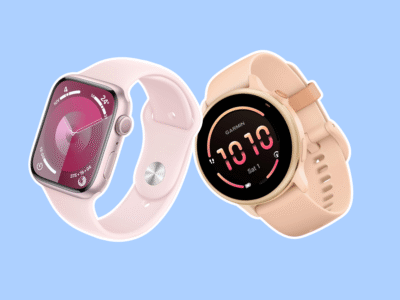
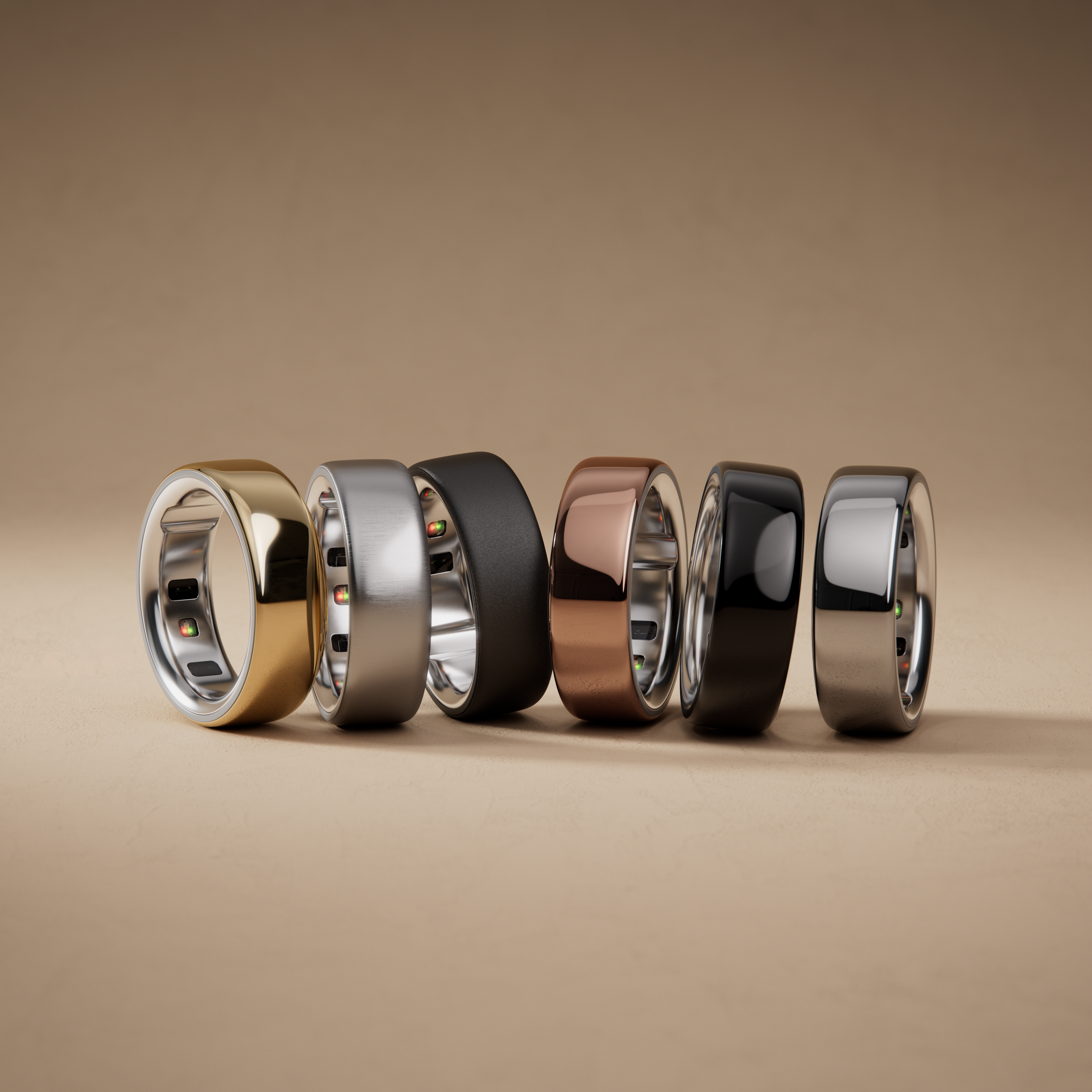
An increasing number of us now monitor our bodies as a matter of routine: Oura Rings can be seen on fingers, Whoop bands and Apple Watches circle wrists, quietly recording sleep, stress levels and step counts.
Combined with the growth of private scans and blood tests, preventative healthcare is becoming steadily more data-driven — less reliant on occasional check-ups and more on continuous streams of metrics.
Read more: This smart ring might just be better than Oura — and it can save you up to £270
Dr Brook believes that, in time, artificial intelligence (AI) will serve as the bridge between these separate sources of information. “In the future, AI will play a pivotal role in bringing together all these different data sources about your health, helping to spot patterns that are individual and personalised to you,” he says.
“For example, your fitness tracker might record that you’re walking 30% less than usual. Another data source could flag that you’re not sleeping as well, and a third might highlight subtle discrepancies in certain nutritional markers. They all seem like insignificant things, but when viewed together, those signals could point to an issue that would otherwise take years to identify.”
Feature image: Freepik