With warmer days already arriving across the UK, these low-effort garden updates will refresh your outdoor space for spring and summer 2026 — no overhaul required.
Spring is now well underway across the UK, with brighter evenings and milder temperatures are already drawing us back into our gardens. Lawns are being mown again, blossom is out in force and that long-awaited shift towards outdoor living has begun.
For many, however, the idea of a full garden redesign can feel daunting — not to mention expensive.
The good news is that this season’s biggest trends are less about transformation and more about refinement. From softer planting schemes to more liveable outdoor spaces, it is entirely possible to refresh your garden for spring and summer 2026 without starting from scratch.
Here are five of the most influential trends to incorporate now.
Read more: Must-see spots for London’s stunning spring blossoms revealed
Cottagecore living
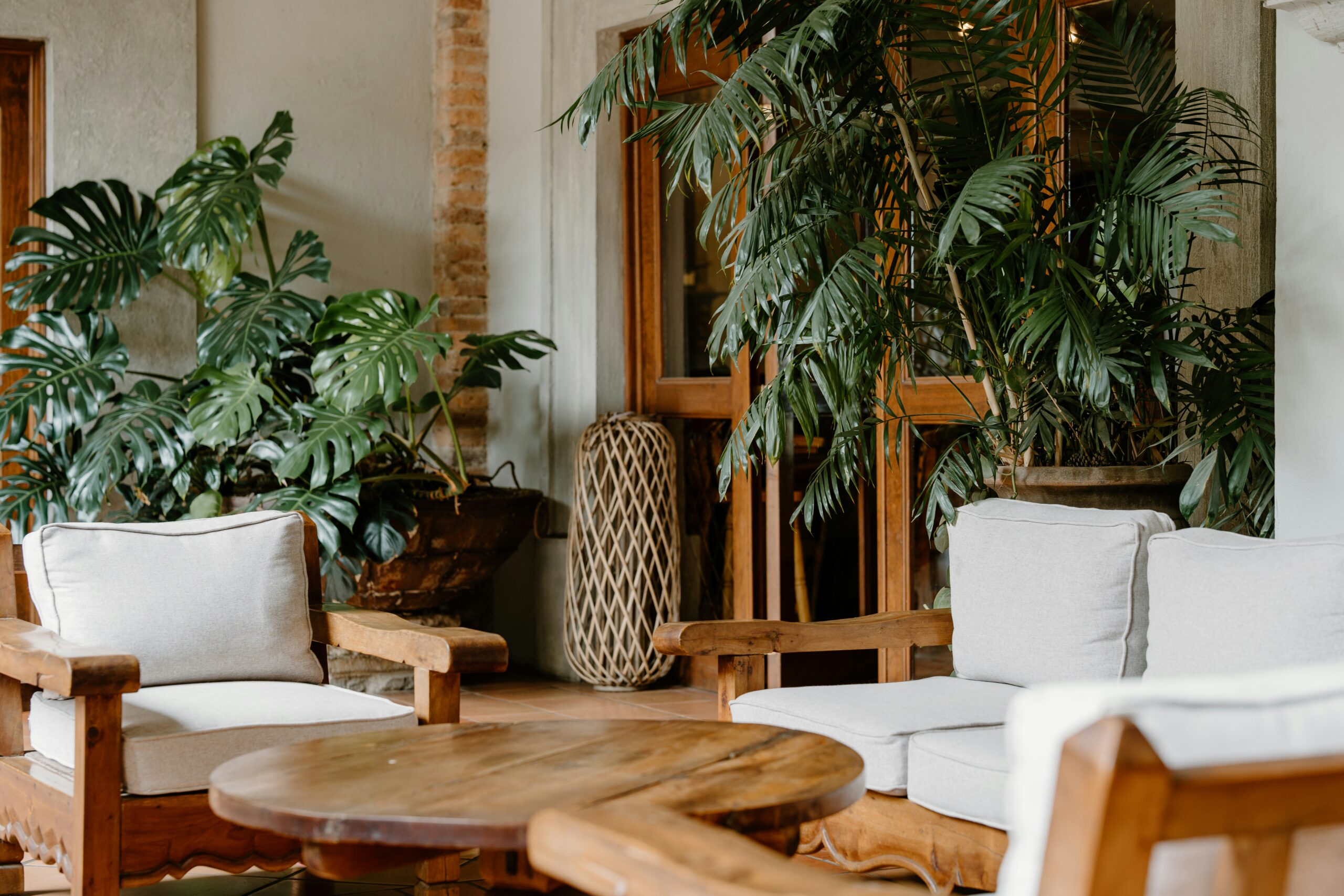
After years of pared-back, minimalist gardens, there has been a clear move towards something more romantic and informal. Cottagecore — with its emphasis on abundance, whimsy, nostalgia and embracing wild imperfection — continues to shape outdoor spaces in 2026.
This need not mean a complete redesign. A small vegetable patch, a climbing plant on a trellis or a looser mix of flowers can instantly soften a space. The key is to plant for pleasure rather than precision.
As Simon Wilkinson, an RHS award-winner and managing director of Wilkinsons Landscapes, explains: “Cottagecore is a clear response to years of minimalism and stripped-back outdoor spaces. People are moving away from cold, clinical designs to create more welcoming gardens.”
Read more: Spring and summer in London: the unmissable wellness events we’re bookmarking in our calendars
Planting for wildlife
Gardens are increasingly being designed not just for us, but for wildlife too. Even modest changes can make a meaningful difference.
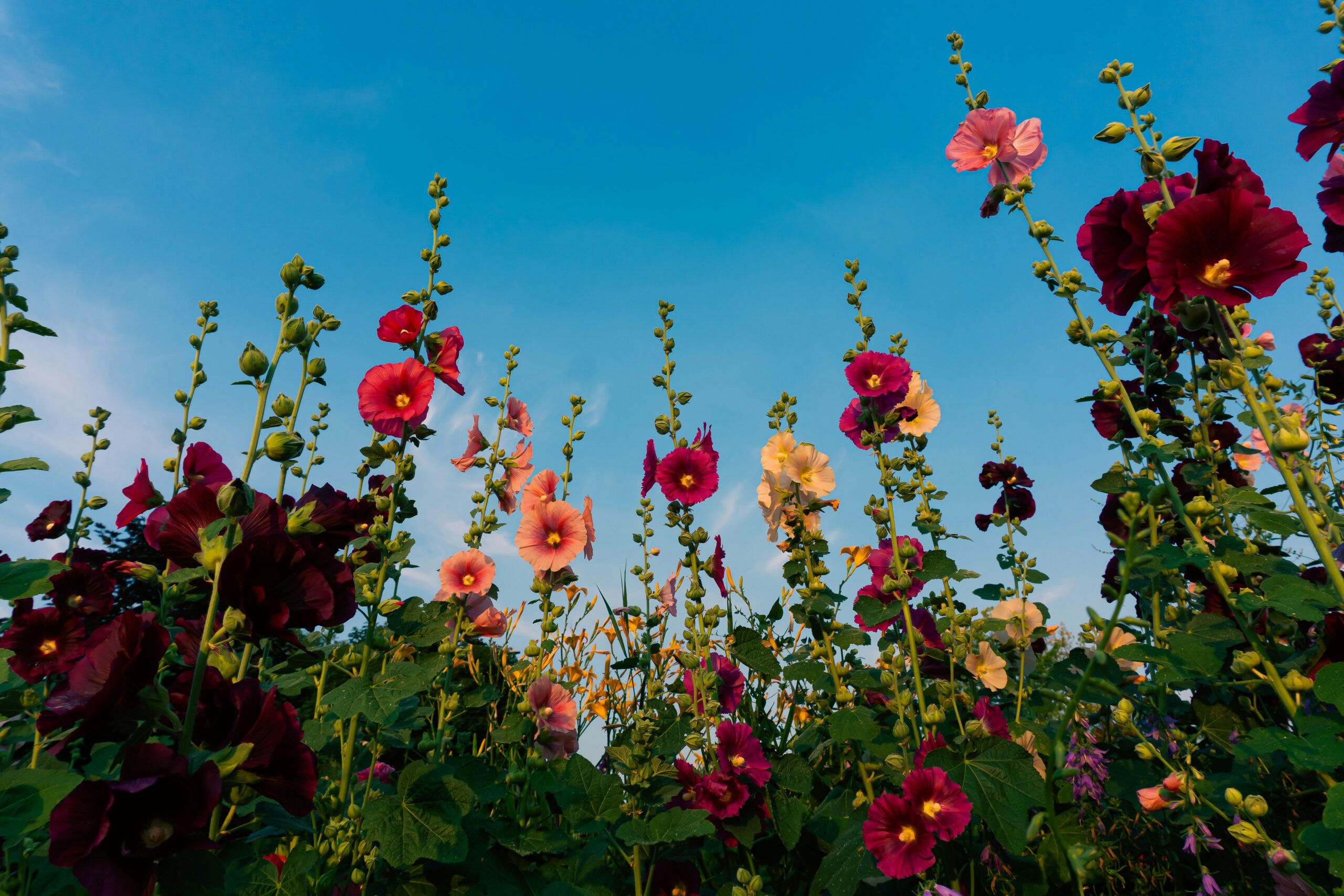
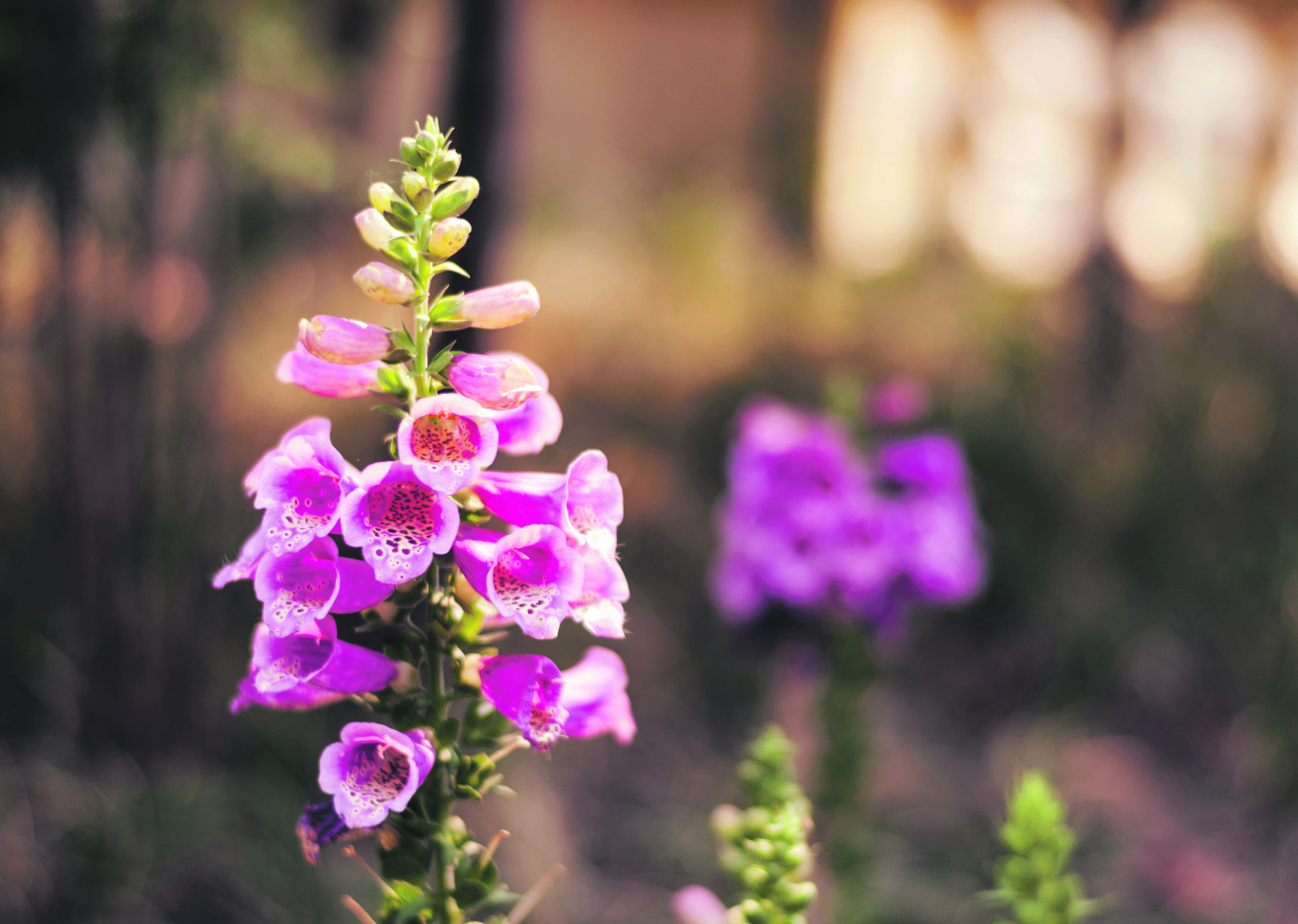
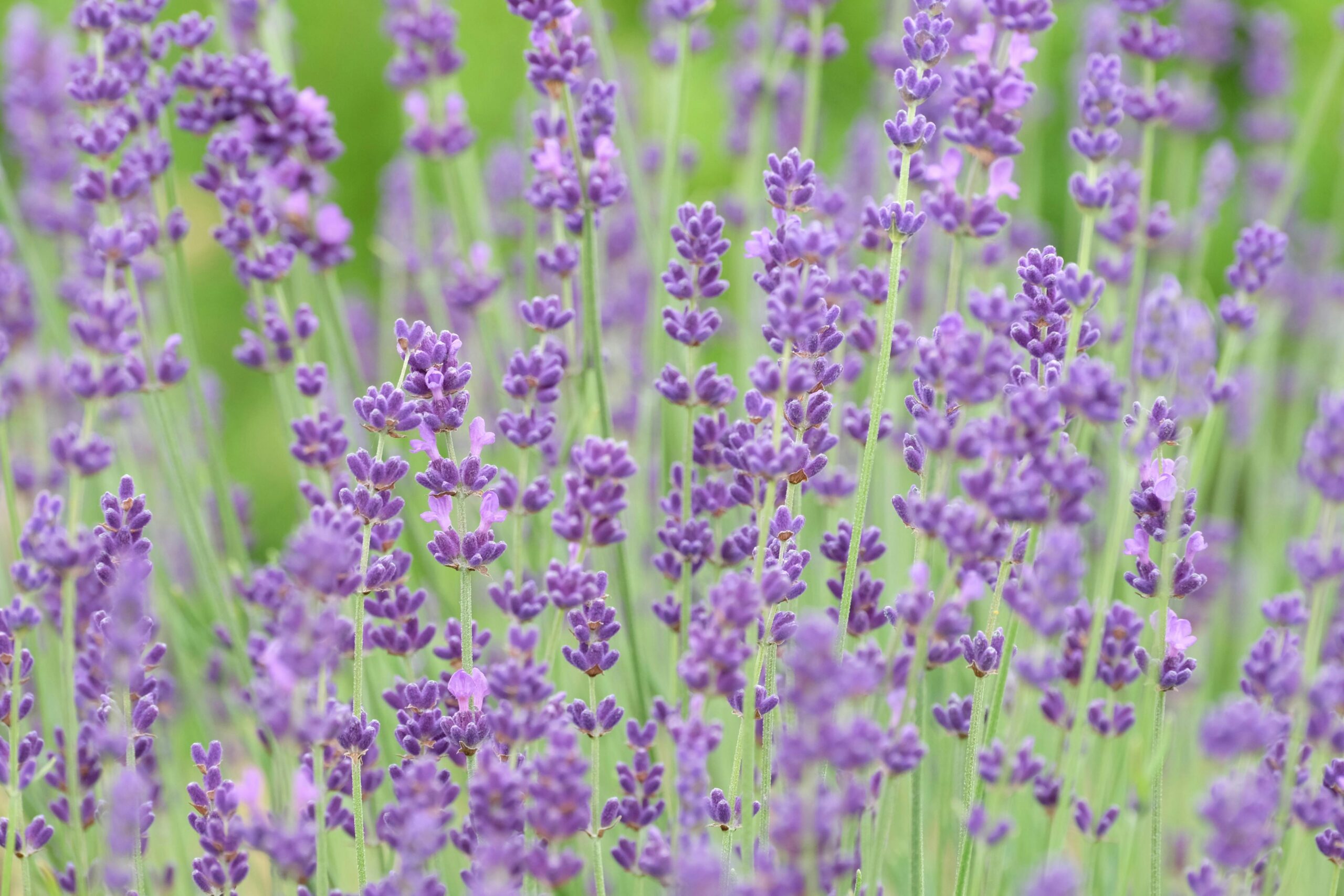
Pollen-rich plants such as lavender and foxgloves are simple additions that attract bees and butterflies, while a bird feeder or shallow water bowl can encourage regular visitors. The result is a garden that feels more dynamic, and more connected to the natural world.
“A wildlife-rich garden creates a sense of connection with nature that people are craving more than ever,” says Simon.
Climate-resistant planting
As weather patterns become less predictable, low-maintenance planting is gaining traction. Gardeners are opting for varieties that can withstand both dry spells and sudden temperature shifts, reducing the need for constant upkeep.
Drought-tolerant plants such as salvias, lavender and Mediterranean herbs are particularly effective. As well as being resilient, they add colour, texture and fragrance — making them a practical and aesthetic choice.
Luke Newnes, gardening expert at Hillarys, notes: “They cope well with the stop-start weather we tend to get, while still looking and smelling fantastic.”
The garden as an outdoor room
One of the most noticeable shifts is how gardens are being used. Rather than separate from the home, they are increasingly treated as an extension of it.
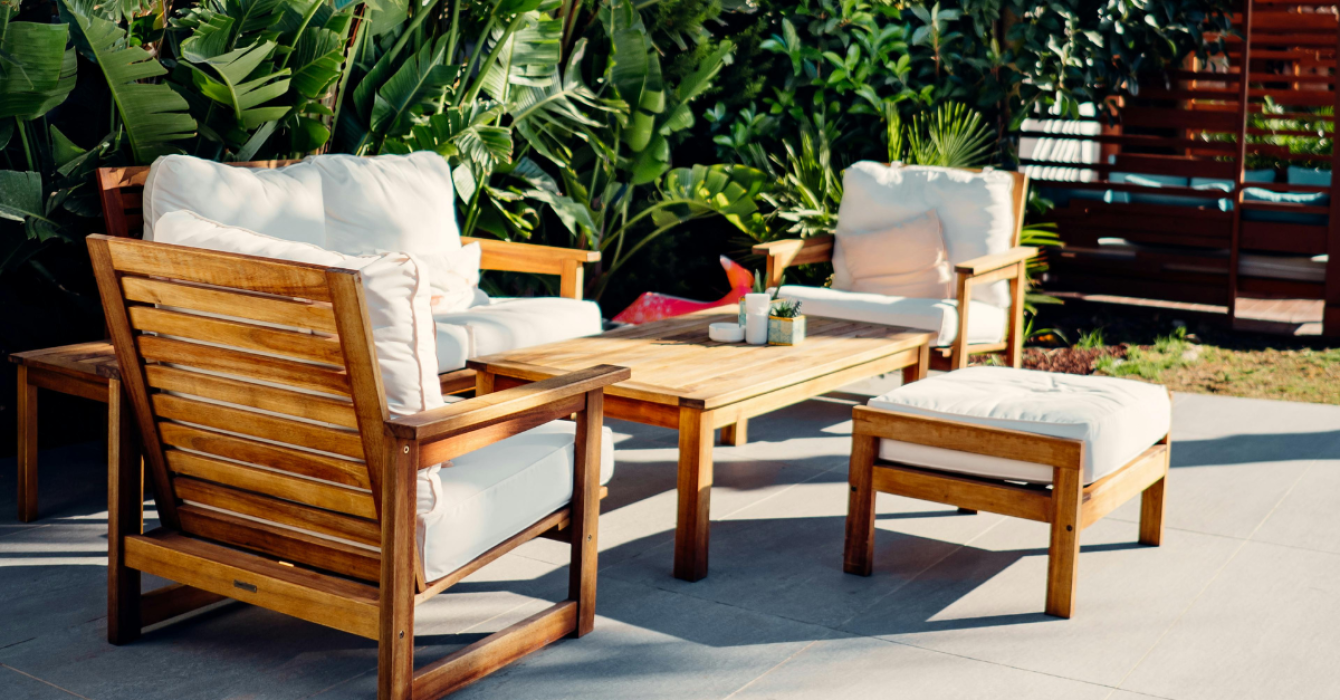
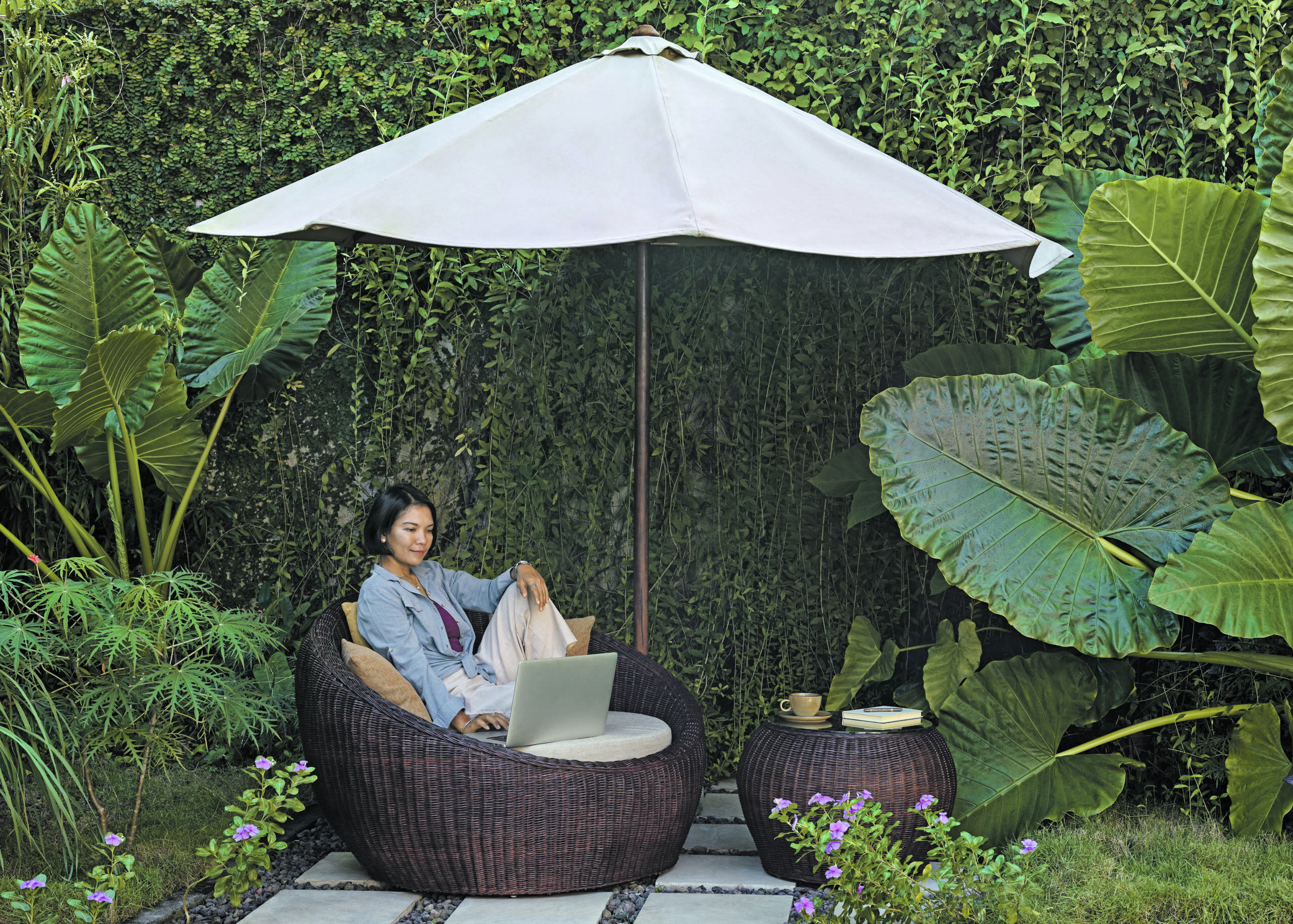
This can be achieved with relatively small changes: adding an outdoor rug, introducing soft seating or rethinking lighting to make the space usable into the evening. For those with greenhouses, there is also a growing trend for turning them into informal dining or entertaining areas.
“By introducing a table, softer seating and considered lighting, it becomes somewhere you can spend time rather than simply pass through,” says Lesley Taylor, founder of Baked Tiles.
Warm caramel tones
Cool, monochrome palettes are giving way to warmer, more natural hues. Earthy caramel tones, terracotta and deep greens are now favoured for their ability to blend seamlessly with planting.
This is perhaps the easiest trend to adopt. Updating cushions, planters or accessories can instantly change the feel of a space, making it appear more cohesive and inviting.
As Luke puts it: “People are choosing items that sit comfortably within the garden, rather than stand out from it.”
Feature image: Pexels