Children’s recipe book author Annabel Karmel shares how often children really need snacks, what to offer and how to cut through the noise.
Parenting today can feel like a constant negotiation between good intentions and an overwhelming amount of advice. Nowhere is that more apparent than when it comes to children’s snacking. Is it better to plan snacks or let children snack intuitively? How much sugar is too much? And how do parents balance nutrition with the reality of busy days?
Snacks now stretch across the whole day, from mid-morning bites to after-school refuelling and while they can play an important role in children’s diets, they can also tip into constant grazing, sugar spikes and spoiled appetites. With ultra-processed foods dominating lunchboxes and kitchen cupboards, many parents are left second-guessing what’s actually helpful. Few people are better placed to offer clarity than Annabel Karmel MBE, the UK’s best-known children’s cookery author and nutritionist.
Read more: A nutritionist on healthy snacks that deliver a sweet fix

How often do children actually need snacks during the day and how can parents tell the difference between real hunger and habitual grazing?
Children are all different, but for most, three meals and one to two planned snacks a day works well, depending on age and appetite. Little tummies can’t hold much at once, so a mid-morning snack and an after-school snack often make sense.
If a child is asking for food within 30–60 minutes of eating, or wandering in and out of the kitchen while distracted, that’s often grazing. True hunger comes with clearer signals — they’ll happily sit down and eat something simple. Having set snack times, served at the table and kept small but balanced, offers structure without constant nibbling.
Snacking now stretches from mid-morning to early evening for many families. When are snacks genuinely useful, and when can they start to undermine meals?
Snacks are useful when they bridge a long gap between meals, boost energy or help children concentrate, particularly mid-morning and after school, when many are genuinely hungry after a busy day.
They start to undermine meals when they’re too frequent, too large or too ‘beige’. Lots of refined carbohydrates give a quick hit and then another dip, meaning children arrive at meals without real hunger, which can lead to fussiness and dinner‑time battles.
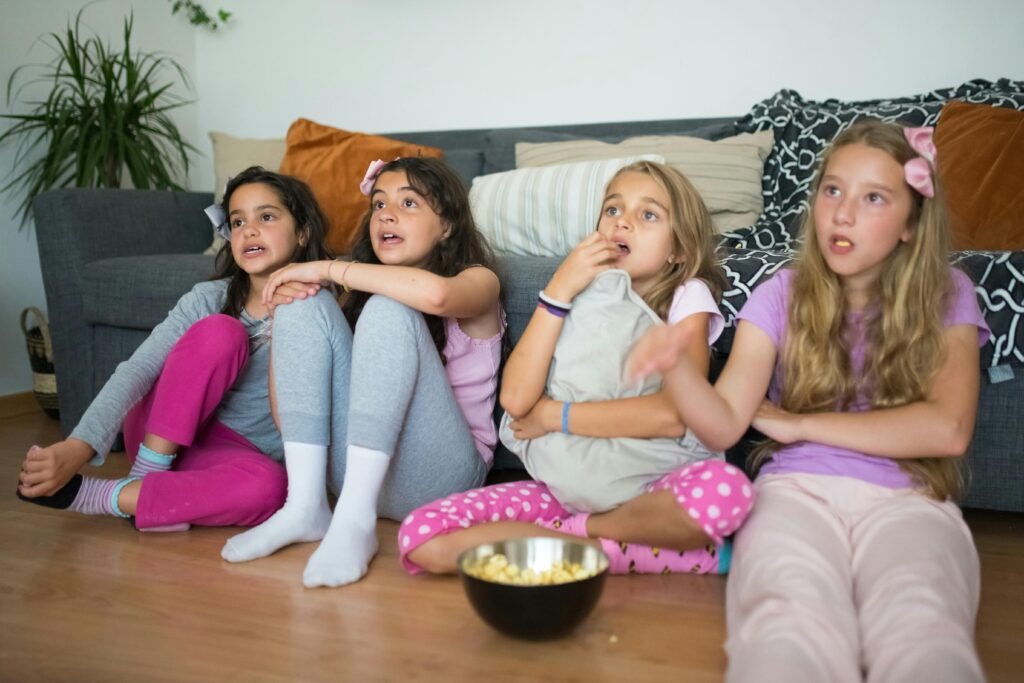
What should parents be aiming for in a good everyday snack and how does this differ from what’s currently dominating lunchboxes?
The best everyday snacks are simple, satisfying and nourishing. A helpful formula is: protein, carbohydrate, and fruit or veg.
What dominates many lunchboxes and snack cupboards is the opposite, ultra‑processed foods high in refined carbs such as bars, biscuits, crisps and puffs. They’re convenient, but they don’t always deliver the nutrition children need.
Protein could be yoghurt, eggs, hummus or nut butters; fibre from fruit, veg or wholegrains; and carbohydrates from wholegrain toast, pitta or oatcakes. Healthy fats such as avocado, nuts and full‑fat dairy for younger children also help keep snacks satisfying.
What are the biggest ‘healthy’ snack traps?
Sugary snacks paired with refined carbs and little protein or fibre can cause energy spikes and crashes, leaving children more hungry and irritable.
Common traps include fruit yoghurts that are closer to dessert, cereal or energy bars that are essentially biscuits, smoothies and juice (even with ‘no added sugar’), dried fruit snacks eaten between meals, and rice cakes that look healthy but don’t satisfy for long. None of these are ‘bad’ – it’s about asking whether a snack will really keep them going.
Read more: Joe Wicks on how to keep the family feeling healthy and energised
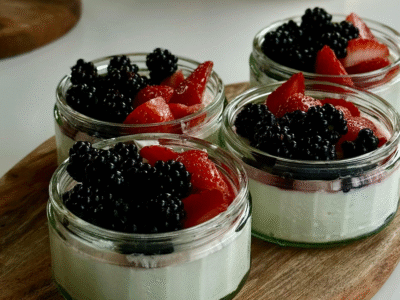
Can you share some examples of snacks that work well at different points in the day?
For mid‑morning, lighter snacks work well. Greek yoghurt with berries, wholegrain toast with banana and nut butter, or oatcakes with cream cheese and fruit.
After school, children usually need something more substantial: hummus with pitta and cucumber, toast with toppings such as cheese, avocado or peanut butter and banana, a mini frittata, or homemade oat‑based muffins with fruit or vegetables.
What role do routine and consistency play in healthy snacking habits?
Routine is hugely important. When snacks are predictable, children learn to trust that food is coming, which reduces constant asking and grazing.
I like the idea of a ‘snack window’ — for example mid‑morning and after school — so children come to meals hungry and ready to eat.
For busy families, what snack ideas really work in everyday life?
Full‑fat yoghurt with fruit, cheese with crackers and cucumber, hummus with pitta or veg sticks, eggs, banana with peanut butter on toast, mini sandwiches, quesadillas, or a simple ‘snack plate’ with two or three small items. A pre‑prepped snack shelf in the fridge can also help children choose independently.
Finally, what reassurance would you give to parents feeling overwhelmed by conflicting advice?
Snacking doesn’t need to be perfect. What matters is the overall pattern across the week, not one snack on one day. If you can aim for one or two balanced snacks a day, include real food most of the time and keep sugary snacks as ‘sometimes foods’, you’re on the right track.
Looking for more recipe inspiration? Annabel’s award-winning recipe app Annabel Karmel Kids Recipes is home to 1,300+ simple and delicious ideas for the whole family with new recipes every week.
Feature image: Pexels