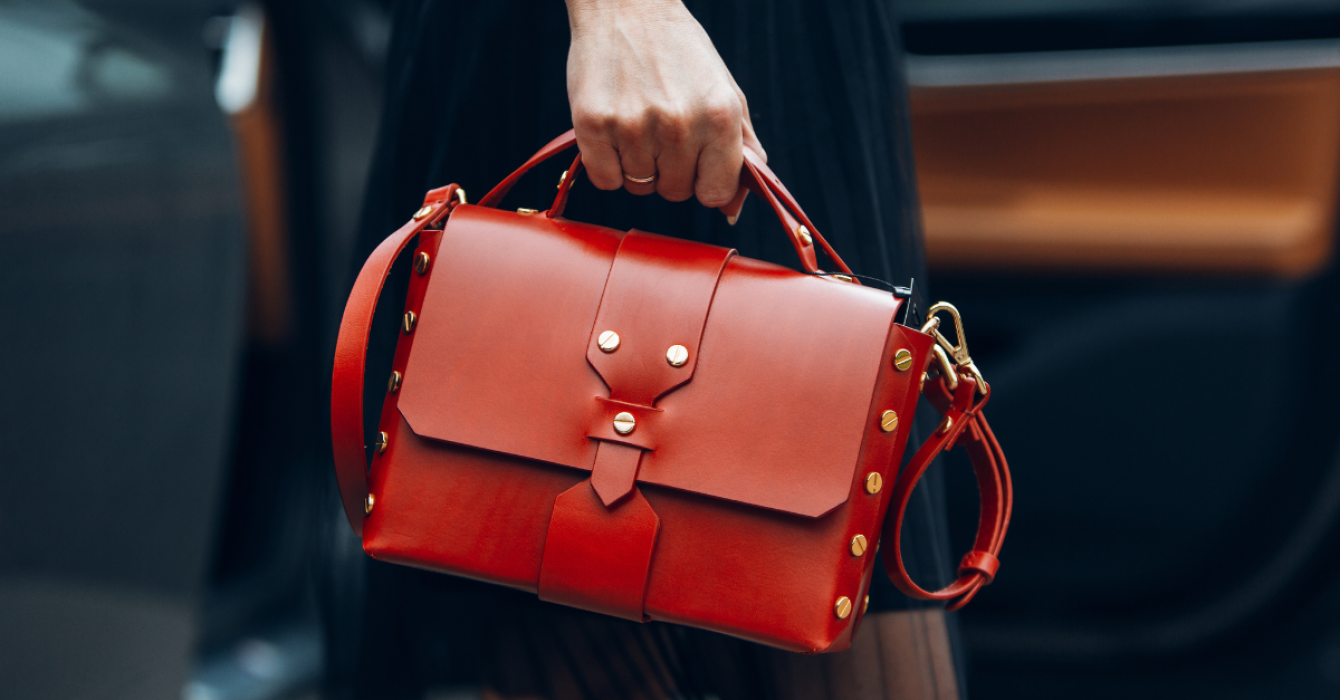
From public transport to restaurant floors and even toilet cubicles, your handbag goes almost everywhere you do. Experts explain why your bag could be one of the dirtiest items you own — and how often you should actually be cleaning it.
We clean our clothes after wearing them. We wash our hands multiple times a day. Many of us even disinfect our phones.
But what about our handbags?
For something that accompanies us almost everywhere, our bags get surprisingly little attention. They travel on trains and buses, sit under restaurant tables and often end up on the floor of public toilets. Yet they rarely make it into our cleaning routine.
That could be a mistake. A 2016 study found that handbags can harbour up to 10,000 different bacteria, with some bags carrying more germs than the average toilet seat.
While that sounds alarming, experts say the bigger issue is often what we’re carrying inside them.
Read more: This is how often you should be washing your bed sheets

Why handbags get so dirty
“Handbags and office bags can accumulate a wide range of bacteria and microorganisms because they’re frequently handled, touched and placed on surfaces,” says Dr Helen Wall, healthcare expert at Champions Speakers Agency. “Public transport seats, restaurant chairs, desks, countertops — every time someone touches something, there’s something left behind.”
The bottom of the bag is often the most contaminated area. According to Dr Jason Schroder, co-founder and medical director of Craft Body Scan, this part of the bag acts as a collection point for whatever bacteria or dirt is present on the surfaces it encounters throughout the day.
Handles can be just as problematic. They’re touched repeatedly throughout the day, often with hands that have encountered phones, door handles and public transport poles.
What’s really lurking inside your handbag?
While the bag itself can accumulate dirt and bacteria, experts say the contents are often even more concerning.
Phones
Most people carry their phone everywhere, including into the bathroom. Research has found that many of the bacteria found on mobile phones are antibiotic-resistant, meaning they can be harder to treat if they cause infection.
These microbes have been linked to skin, respiratory and gastrointestinal infections, making phones one of the dirtiest items most of us own.
Keys
A 2025 study by MoneySuperMarket found that a third of drivers have never cleaned their car keys, despite many owning them for more than five years.
Researchers discovered that car keys contained nearly four times more bacteria than mobile phones and computer keyboards.
To clean them safely, use a soft cloth dampened with mild soap and water to remove grease and grime. For hard-to-reach crevices, a cotton bud lightly dipped in rubbing alcohol can help.
Cash and bank cards
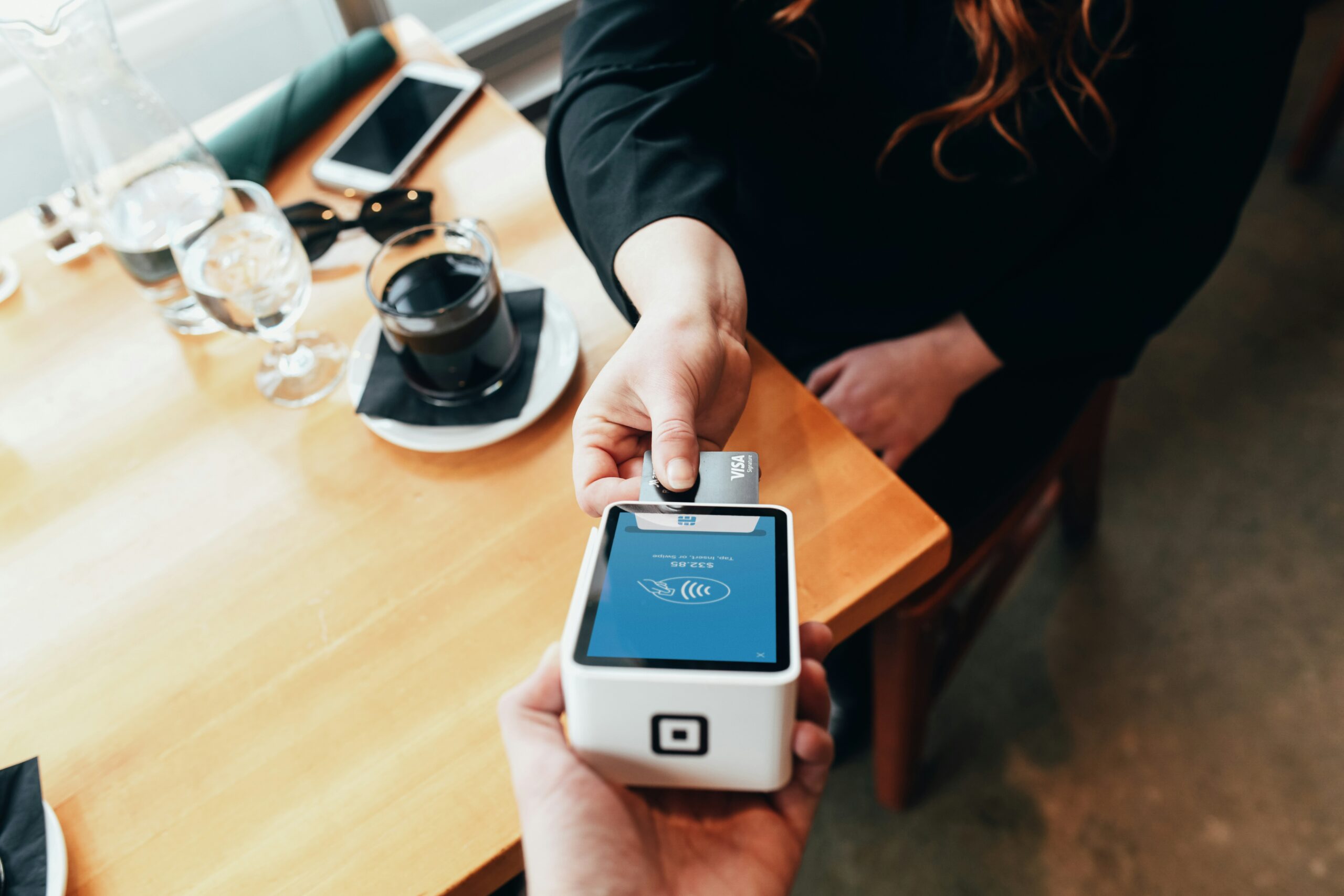
Although contactless payments are increasingly common, cash still changes hands frequently.
“Everybody’s handling that,” says Dr Wall. “You don’t know where their hands have been or when they last washed them.”
A 2023 review found traces of everything from common cold viruses and salmonella to norovirus on coins, banknotes and payment cards.
Read more: How often should you wash your hair? Shampoo schedule explained
Headphones
If you use headphones during your commute, you may want to add them to your cleaning list.
Research from Boots Hearingcare found that some headphones were almost 10 times dirtier than a toilet seat. Wireless earbuds contained 80.5 colony-forming units (CFU), while over-ear and on-ear headphones reached 165 CFU and 205 CFU respectively.
For comparison, a typical toilet seat contains around 21.5 CFU.
Boots audiologist Hannah Samuels recommends wiping headphones regularly using a microfibre cloth and mild soap or antibacterial wipes.
Cosmetics and makeup bags
Makeup bags are another hidden hotspot for bacteria.
Powder residue, leaking products and old brushes can quickly create a breeding ground for microbes. Experts recommend wiping down makeup bags weekly and cleaning brushes and sponges as part of your regular beauty routine.
It’s also worth checking the ‘Period After Opening’ symbol on cosmetic packaging. “This little icon on the product will have a number on it like 6M or 12M, which indicates how long you should keep it after opening,” Nima Pourian, founder of UKLash, previously told Living360.
Mascara deserves particular attention, as bacteria can build up more quickly than in other products because it’s applied directly around the eyes.
Used tissues and food crumbs
According to Dr Wall, some of the biggest bacterial risks come from seemingly harmless everyday items.
“Tissues you’ve used to wipe your nose, food items that leak, crumbs sitting at the bottom of the bag — these can all support bacterial growth,” she says.
In short, if your bag doubles as a temporary bin, it’s probably overdue a clean.
Read more: Experts say this everyday item could be making you sick
So, how often should you clean your handbag?
Experts agree that cleaning frequency depends on how often you use your bag and where it travels.
Cleaning influencer Amanda Knowles (@mrskhappyhomes) advocates for regular bag washing. “We should be cleaning our handbags every one to two weeks, particularly if we use public transport a lot,” she says.
Occasion bags can usually be wiped down after each use before being stored away.
Dr Schroder recommends paying particular attention to the areas that experience the most contact. “A disinfectant wipe along the bottom and handles a few times a week reduces bacterial transfer meaningfully,” he says.
How to clean your handbag properly
Amanda recommends cleaning everyday handbags every one to two weeks, particularly if they’re used on public transport or carried daily.
Her cleaning routine involves:
- Emptying the bag and removing any loose dirt
- Wiping the interior and exterior with a microfibre cloth dampened with diluted mild hand soap
- Blotting rather than scrubbing delicate materials
- Finishing with a disinfectant spray on the interior
- Occasionally applying a leather cream to help maintain the material
- Allowing the bag to air dry completely to avoid mould
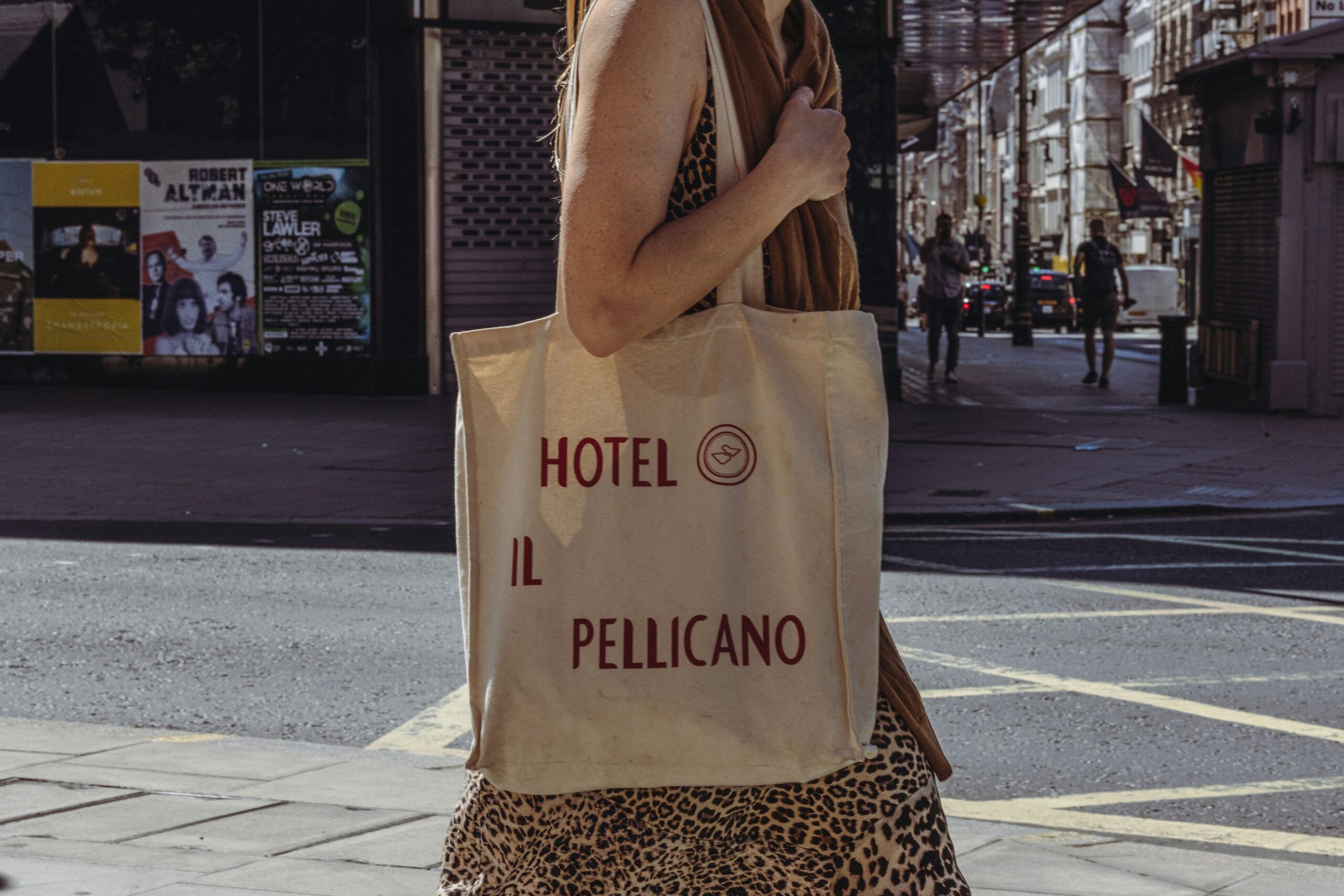
For fabric tote bags, Amanda says she machine washes them on a short, cool cycle before hanging them up to dry.
She also recommends cleaning the contents of your handbag before putting them back inside. “As you have gone to the effort of cleaning the handbag, there’s no point refilling it with the same contents,” she says.
Dr Wall says the best cleaning method depends on the material of your bag, so it’s always worth checking the manufacturer’s care instructions before cleaning.
Should we be worried about dirty handbags?
Despite the bacteria lurking on bags and their contents, experts stress that most healthy adults don’t need to panic.
“Our bodies are designed to handle certain levels of bacteria,” says Dr Wall.
For most people, the risk comes less from touching the bag itself and more from transferring bacteria from the bag to the mouth, nose or eyes.
Good hand hygiene remains the best defence. “The bottom line is you just need good hand hygiene, particularly if you’re going to eat, touch your face or put your fingers in your mouth,” says Dr Wall.
And perhaps most importantly: try to avoid putting your handbag on the floor of public toilets.
We don’t know about you, but we’re washing our bags immediately.
Feature image: Canva