In 2026, we’ll take our health into our own hands, with AI-powered products to optimise stress, fitness and mental health at home.
This is an excerpt from the Living360 Health Report 2026 which reveals key insights and forecasts trends for the year ahead under the categories of wellness, fitness, nutrition and products – curated following analysis of current data with input from industry experts.
In 2025, health and longevity rose to the top of many people’s priority lists. A report from McKinsey in May 2025 found that wellness is the ‘top’ or ‘important’ priority for 79% of UK consumers.
But wellness is no longer confined to spas or gyms. It’s now something we can manage from the comfort of our own homes, through tech-driven wellness solutions like LED masks or sleep-tracking devices.
As we move into 2026, personalised wellness solutions will become ubiquitous. Tech- and science-backed products will not only monitor and track wellbeing but also provide actionable recommendations to improve it based on the individual user.
Here’s a first look at the top products to watch out for in 2026.
View this post on Instagram
1. Wearable stress tech
NHS data shows a 40% increase in people seeking mental health support since the pandemic, and Mental Health UK reports that 90% of the UK experience extreme levels of stress and high pressure. In 2026 we’re looking for ways to manage our mental health on our own terms.
Many of us have already been turning to wearables like smart glasses and ear devices that track stress in real time and offer actionable guidance. Mordor Intelligence forecasts that the global stress tech market will grow by 7.03% annually until 2030.
Next, we’ll turn to wearable, non-invasive vagus nerve stimulators that claim to reduce anxiety and improve stress regulation.
Psychotherapist Tina Chummun explains: “The vagus nerve is a major communication highway linking the brain with vital organs and our autonomic nervous system — the system that controls automatic functions like heart rate, digestion and stress responses.”
Other devices, such as The Sensate, sit on the chest emitting soft infrasonic vibrations, sending signals to your vagus nerve to relax.
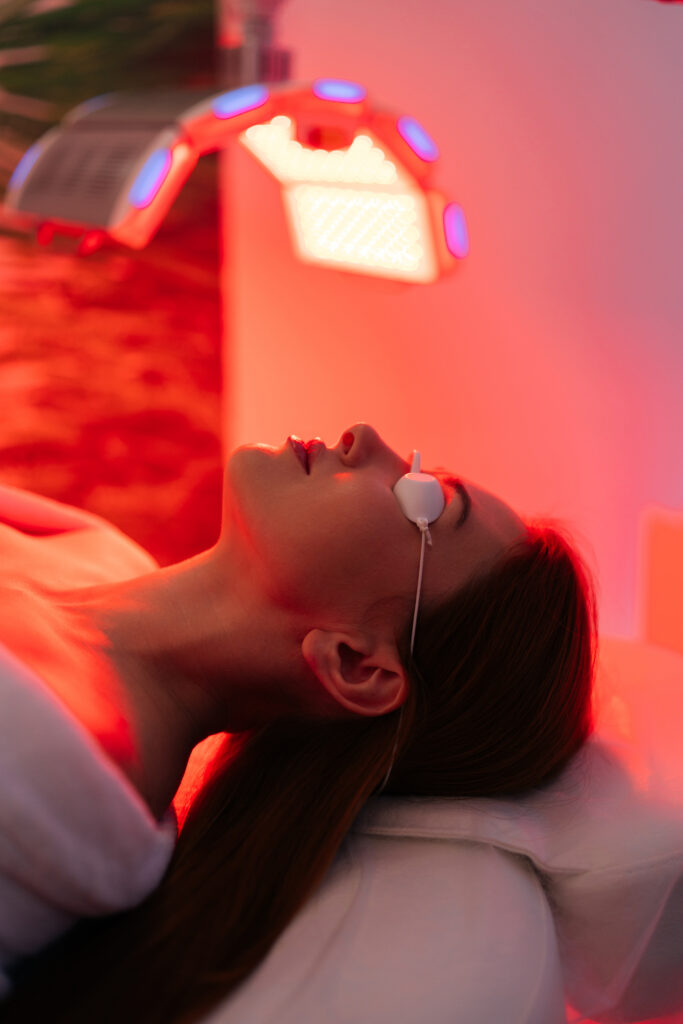
2. Red light therapy for hair growth
Hair loss (or thinning) now affects approximately 6.5 million men and eight million women in the UK, according to Harley Street Hair Transplant Clinics. In fact, Google searches for “female hair loss” rose by 125% in 2025.
While many turn to serums and transplants, in 2026, people want more at-home solutions — like red light therapy and LED helmets — designed to help stimulate blood flow, boost cellular energy.
NHS GP and aesthetic doctor Dr Anatalia Moore explains: “Evidence suggests high-quality LED devices, at the right wavelength, can help improve the health of scalp, skin and follicles.”
As we seek affordable, non-invasive, accessible solutions, these at-home gadgets will become a go-to. Expect haircare TikTok ‘before and afters’ to go wild.
Read more: This smart ring might just be better than Oura — and it can save you up to £270
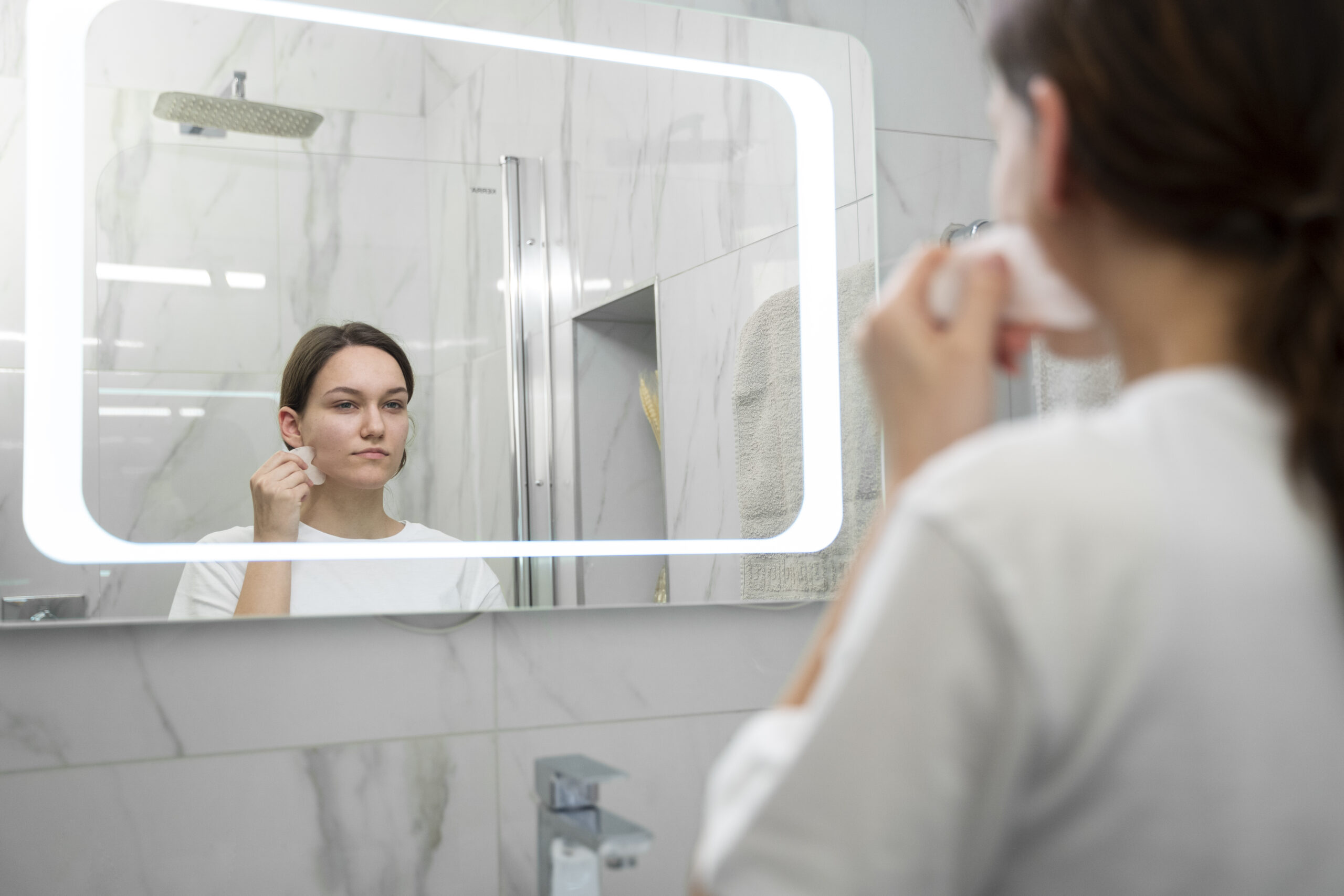
3. AI-powered skincare
The skincare industry is overflowing with products and conflicting advice. In 2026, we’ll turn to AI-powered solutions for clarity, seeking hyper targeted recommendations tailored to individual skin types, age, lifestyle and specific concerns such as pigmentation or fine lines.
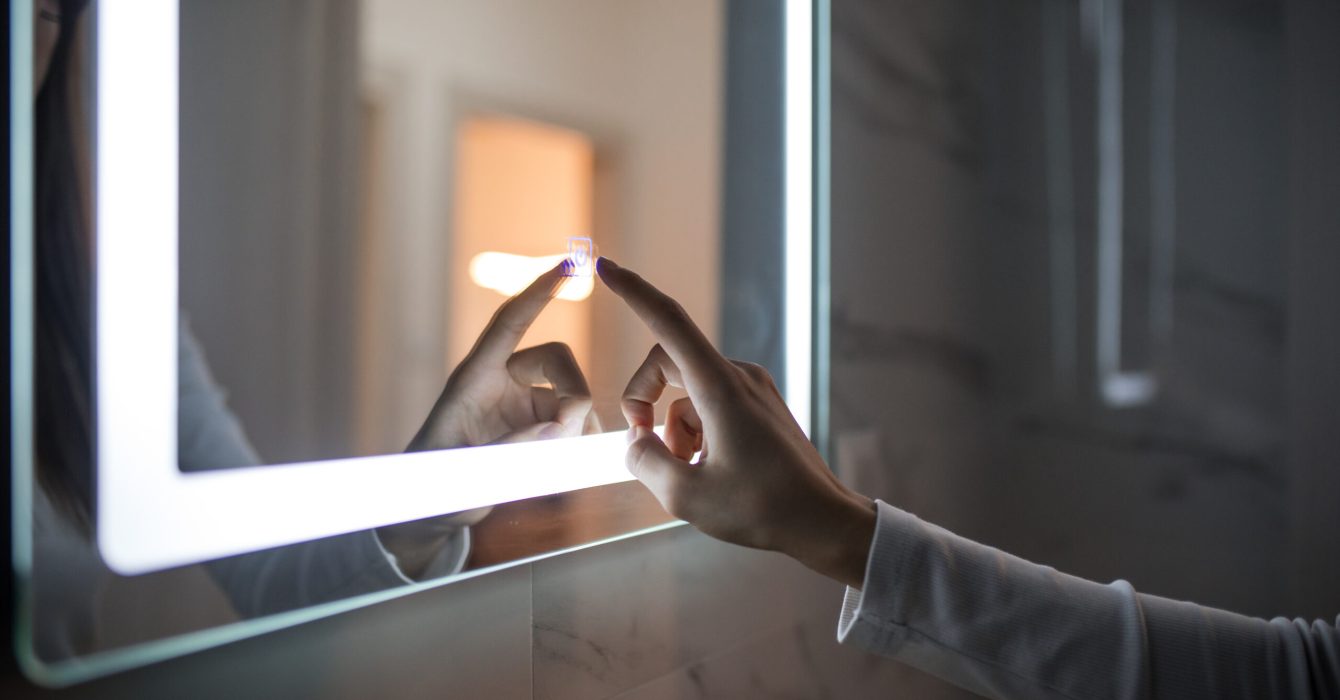
Big brands like L’Oréal and Samsung are already rolling out AI mirrors and apps that analyse skin in real time, assessing hydration, poor visibility and texture, then building bespoke routines.
Dr Jessica Western, cosmetic doctor at Dr Leah Skin Clinics, says facial recognition technology can “help measure factors such as hydration, texture and oil levels, which often fluctuate due to stress or hormonal changes. This makes it particularly useful during periods of significant hormonal shifts such as pregnancy and menopause.”
Read more: The best at-home facial devices to reach your skincare goals
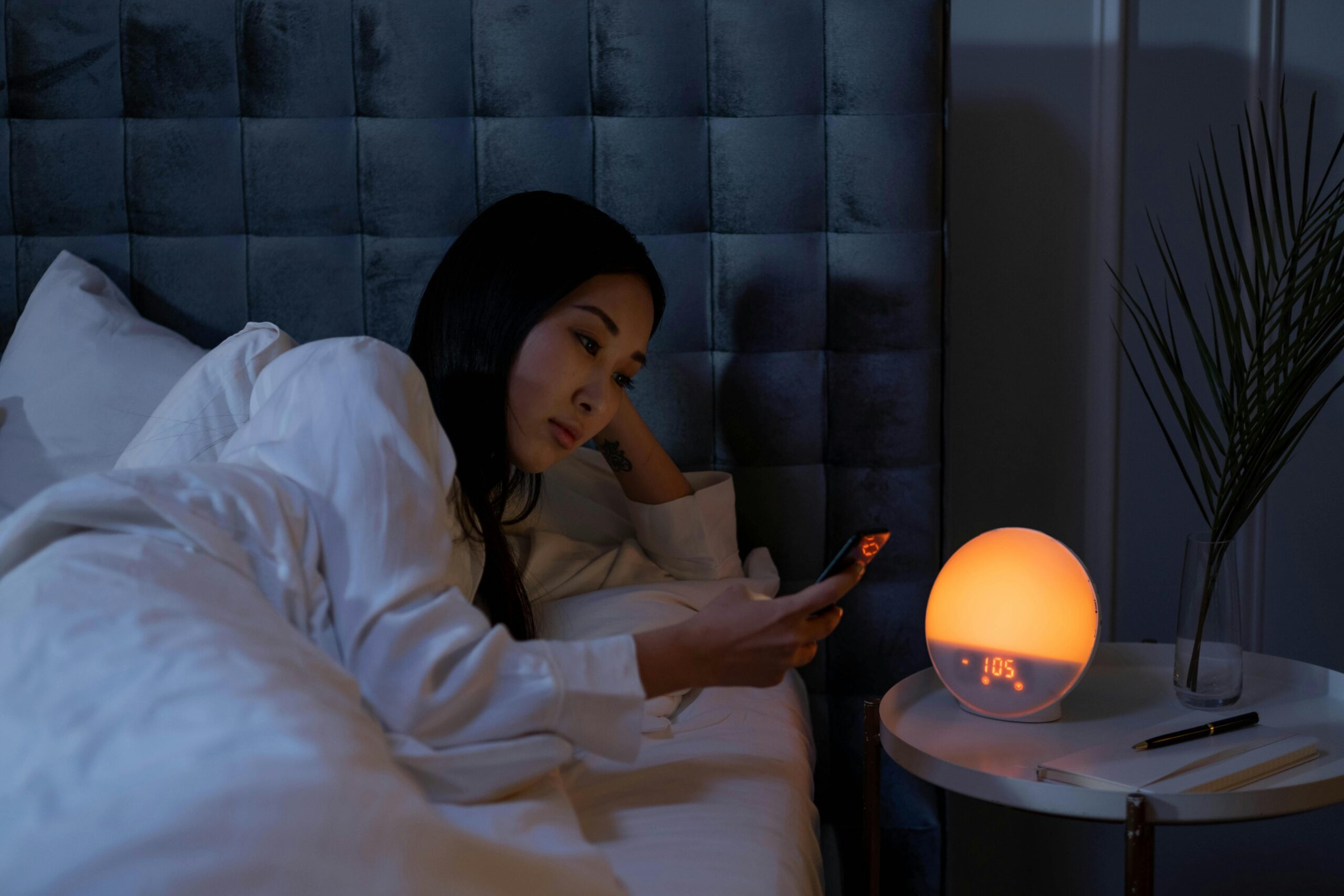
4. Sleep tech renaissance
Last year we saw trends like ‘sleepmaxxing,’ mouthtape, nasal dilators and an increase in tracking apps like Oura Rings. But everyday stress and excessive screen time means one in three adults in the UK still struggle to sleep, according to the NHS.
The Sleep Charity believes there may be up to 14 million adults in the UK experiencing sleep disorder symptoms. It’s hardly surprising, then, that the sleep tech market is forecast to grow 14.4% annually until 2033 in the UK alone.
This year, we’ll be optimising our sleep setups with infrared sauna blankets, contactless sleep trackers and smart mattresses that monitor your sleep cycles and adjust firmness and temperature.
Dr Reem Hasan, NHS GP and chief medical officer at Vista Health, supports this: “Tracking things like your sleep, what you eat and drink or even hormonal cycles can help you notice patterns and triggers that affect your wellbeing.”
Read more: We tried the leading LED face masks – here’s what we honestly thought

5. Muscle stimulator devices
As at-home fitness booms and awareness of muscle and bone health rises, muscle-stimulating and resistance devices will become a staple of home workout setups.
Products like electrical muscle stimulation (EMS) devices — which claim to help enhance strength and bone density by forcing muscles to contract rapidly — vibration plates and AI-powered mirrors track and enhance home fitness with guided sessions and real-time adjustments.
In 2024, the global deployment of EMS units increased by 14% compared to 2023, according to Market Growth Reports. Data Insight Markets predicts that the market for EMS devices will grow at an annual rate of 7% from 2025 until 2030.
Steve Albon, personal trainer at Ultimate Performance explains: “These technologies provide an easy way to stay consistent, and will continue to get smarter, offering real-time biometric feedback on variables such as recovery, sleep and stress.”
Feature image: Getty